


Antique Ceramic Garden Stool
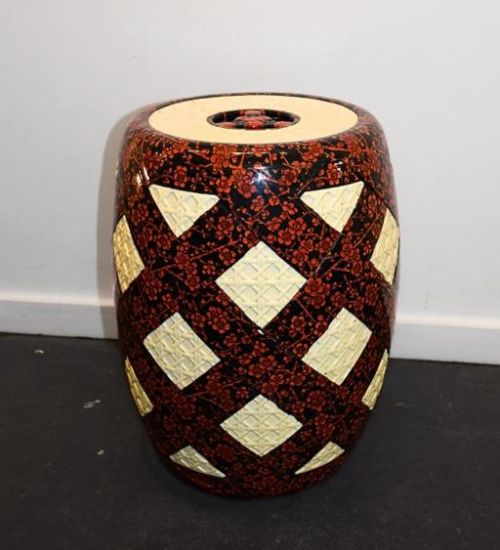
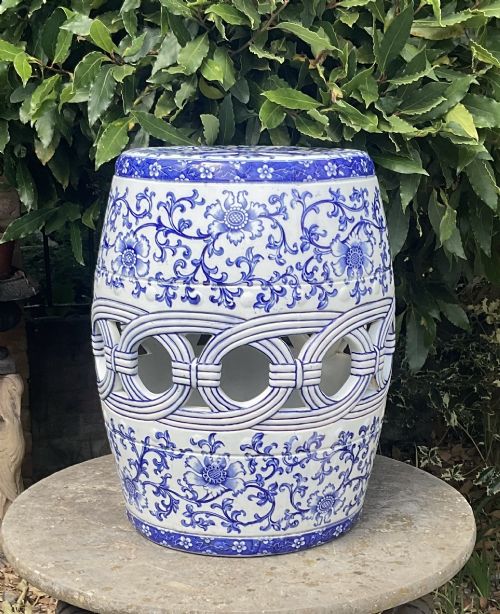
These antique ceramic garden stool pieces bring vibrant Chinoiserie and Victorian design to interior and exterior spaces alike.
Antique Ceramic Garden Stool
An antique ceramic garden stool forms a sturdy barrel-shaped seat or stand rooted in nineteenth-century tastes. Collectors encounter pieces spanning Chinese Qing Dynasty and Victorian Chinoiserie aesthetics from the nineteenth century.
Makers shaped these garden seats in porcelain, ironstone, creamware, and glazed earthenware. They function traditionally as garden furniture or indoor conservatory seats.
Chinese blue and white designs sit alongside Canton famille rose and rose medallion porcelain variations. Makers also produced English interpretations through factories such as Minton during the eighteen-eighties.
How they were made
Potters shaped clay into hollow barrel forms using ceramic, porcelain, ironstone, or creamware bodies. These vessels received robust glazes to withstand outdoor environments.
Surface decoration relied upon enamel paintwork, cobalt blue pigment underglaze, and clobbered overglaze detailing. Chinese workshops and English potteries applied intricate Chinoiserie motifs by hand.
Some nineteenth-century makers could not resist adding bright enamel over older blue and white patterns, creating wonderfully clobbered results.
What varies in quality
The refinement of the enamel painting and the crispness of the porcelain or ironstone body distinguish finer pieces. Hand-poured glazes and detailed famille rose or rose medallion motifs denote superior execution.
English works by Minton contrast with imported Chinese Qing Dynasty pieces, where the depth of blue and white pigment application dictates visual impact.
Minton
The Antique Ceramic Garden Stool Glossary
- Famille rose
- A major palette of Chinese ceramic glazes distinguished by opaque pink enamel. This colour family emerged during the Qing Dynasty and dominated export porcelain.
- Clobbered
- Overglaze decoration added to earlier blue and white ceramics. Artisans applied bright enamel colours over existing underglaze blue designs.
- Ironstone
- A heavy, durable type of earthenware patented in the nineteenth century. It offered a robust alternative to porcelain.
- Creamware
- A refined earthenware body with a pale yellowish-buff glaze developed in England. It provided a smooth surface for painted decoration.
- Chinoiserie
- European artistic style reflecting Chinese motifs and decorative techniques. It heavily influenced nineteenth-century Victorian interior design.
Antique Ceramic Garden Stool: Frequently Asked Questions
Where should I place a garden seat?
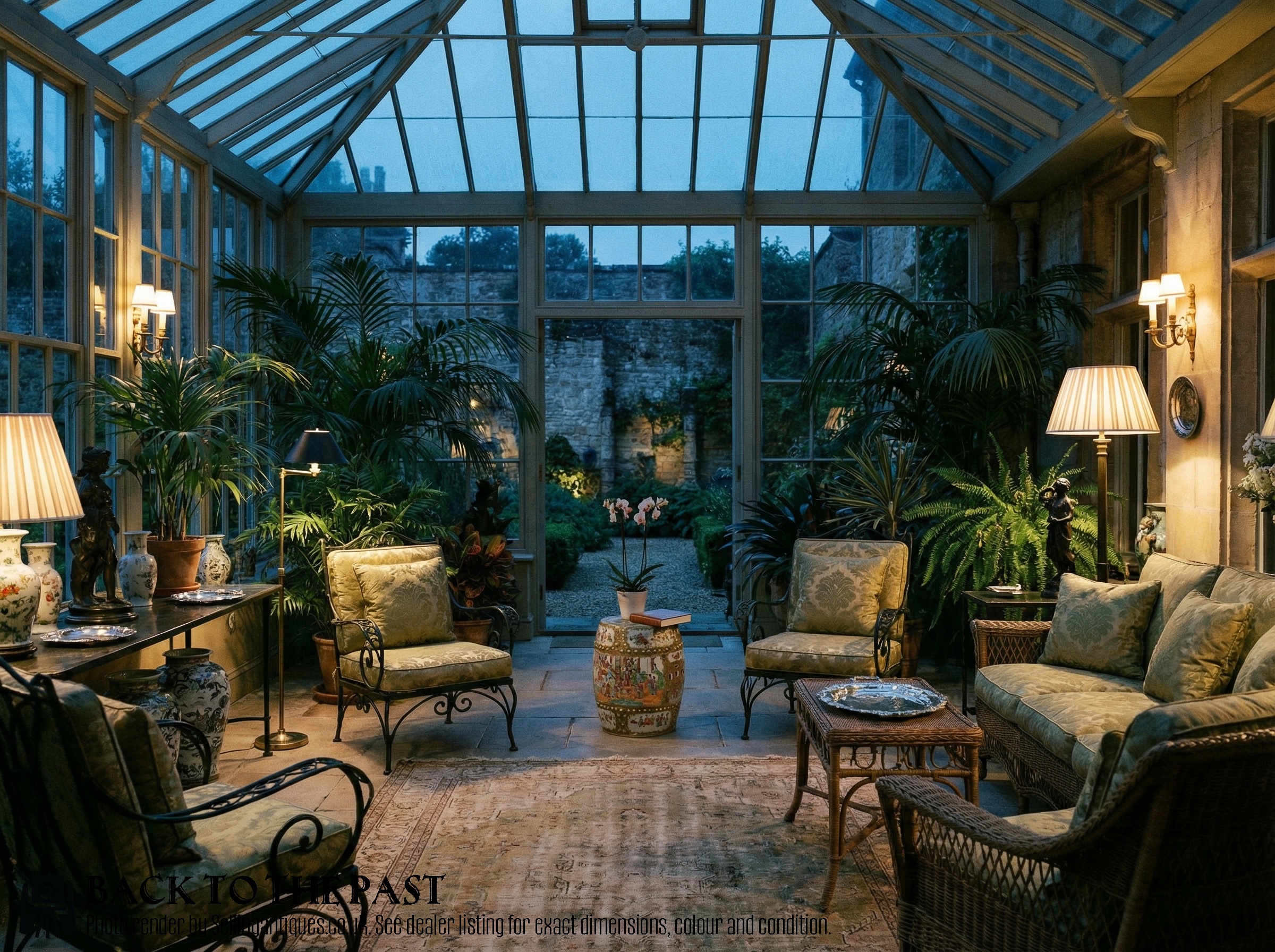
These ceramic pieces suit conservatories, covered patios, and interior rooms as occasional seats or plant stands. Their glazed surfaces resist moisture, making them practical for sheltered outdoor spots.
Traditional barrel forms also function well as side tables next to armchairs. Collectors often position pairs together to create symmetrical accents in a room.
How do I identify Chinese export pieces?
Nineteenth-century Chinese pieces often display famille rose, rose medallion, or blue and white barrel designs. The paste typically shows the characteristics of Qing Dynasty porcelain.
Examining the underside and the enamel work reveals traditional hand-painting methods. Canton pieces feature distinct storytelling or floral panels rendered in bright mineral pigments.
What is clobbered ironstone?
Clobbered wares are ceramics that received secondary decoration over their original glaze. Enamel colours were painted atop older blue and white patterns.
This technique was common in the nineteenth century to update or embellish plain factory stock. The resulting surface displays layers of texture and contrasting colour.
Were these seats made in England?
English potteries such as Minton produced earthenware and creamware garden seats during the nineteenth century. These British interpretations often adopted blue and white Chinoiserie patterns.
They combine European ceramic bodies with Asian-inspired decorative schemes. This cross-cultural exchange defined much of the Victorian period.