

Chinese Art Painting
These Chinese art painting pieces combine delicate ink and silk with vibrant gouache, offering a tangible connection to historical dynasties and trade eras.
Chinese Art Painting
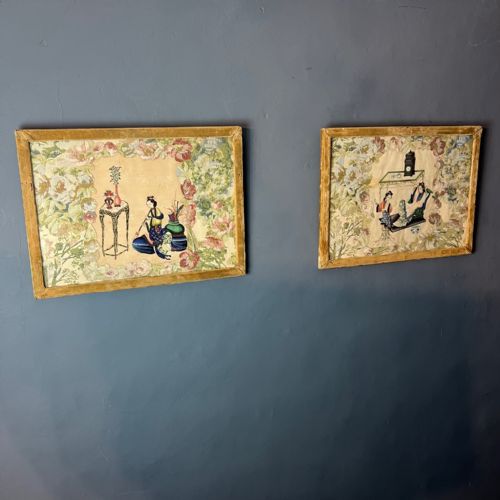
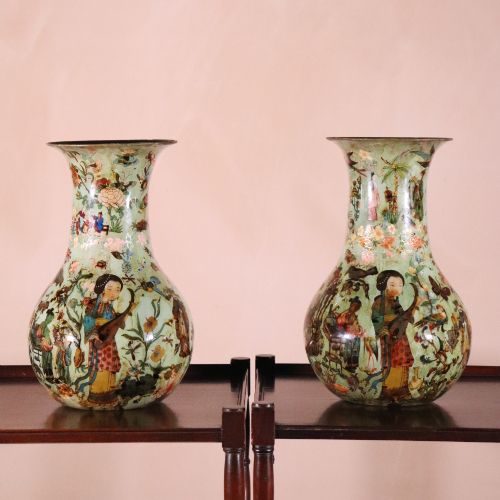
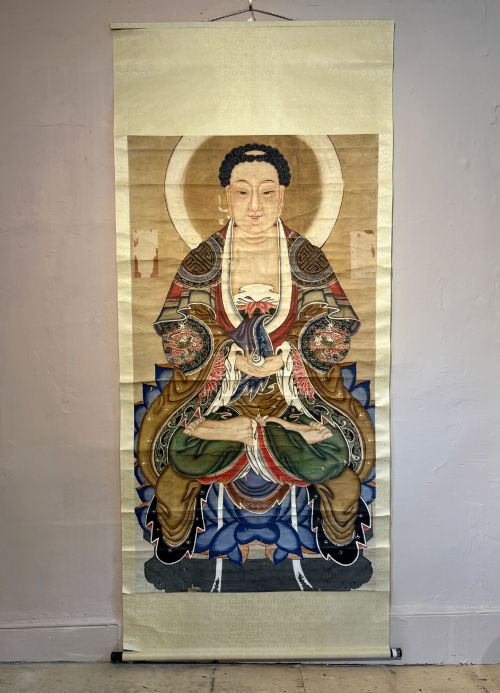
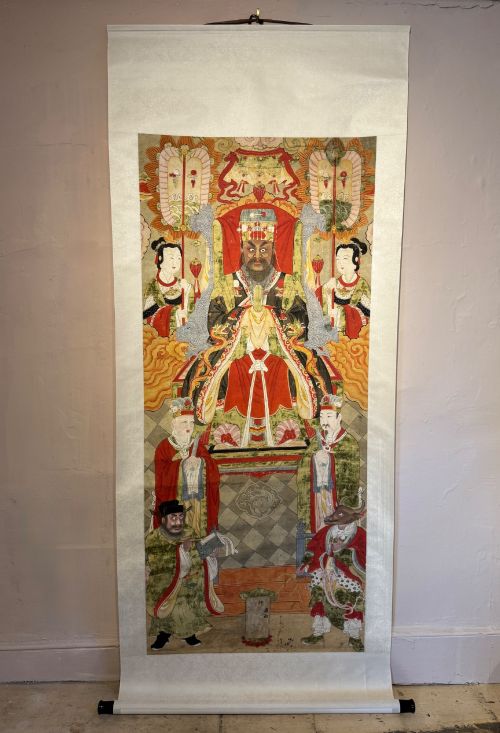
A Chinese art painting brings together centuries of visual tradition, spanning delicate works on pith paper and silk to bold reverse paintings on glass. Collectors seeking a Chinese art painting typically encounter nineteenth-century scroll works, framed gouache studies of junks, and ancestral portraits originating from Canton and trade ports.
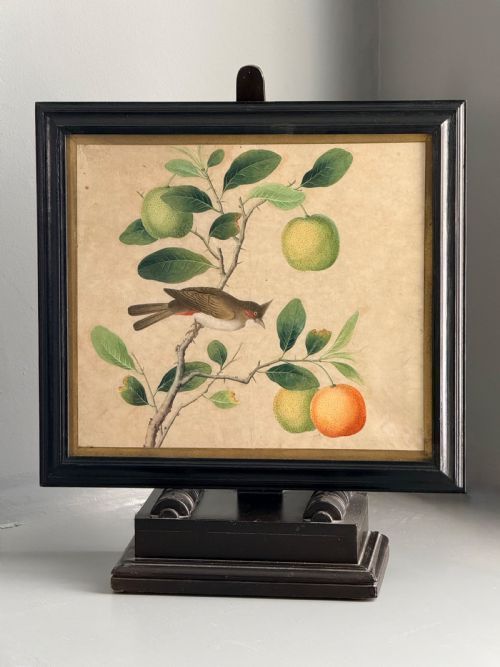
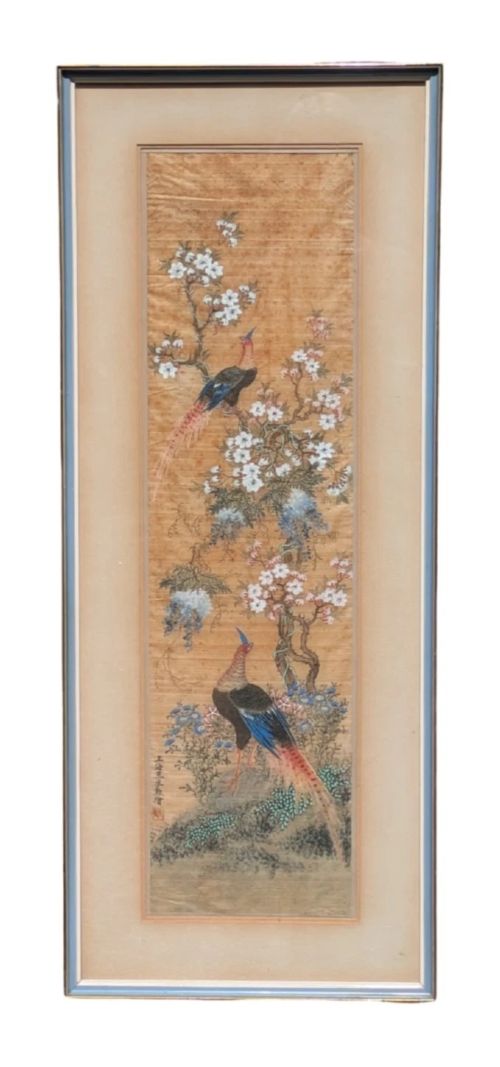
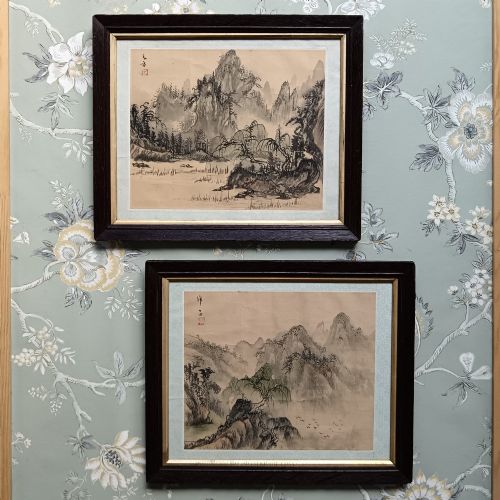
The category encompasses varied decorative forms such as framed ancestral scrolls, botanical still lifes, and narrative figure paintings. Many items demonstrate traditional Shan Shui landscape principles or capture historical maritime scenes along the Pearl River.
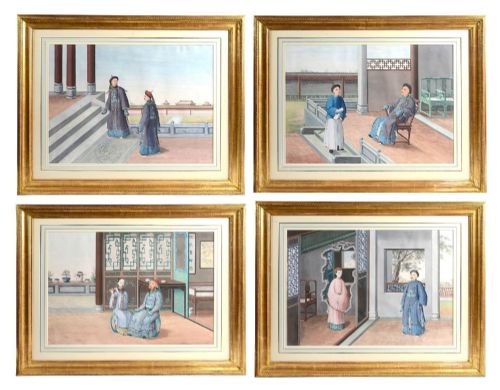
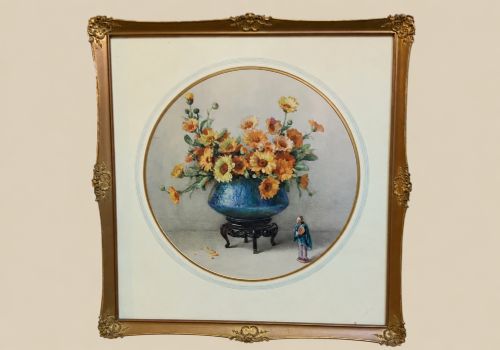
Pieces range from intimate studies of flora and fauna to large ancestral group portraits executed during the Qing dynasty and later twentieth-century periods. These works reflect both domestic scholarly pursuits and items tailored for the international export market.
How they were made
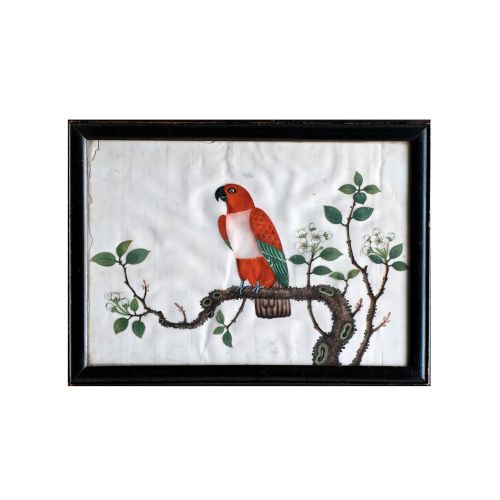
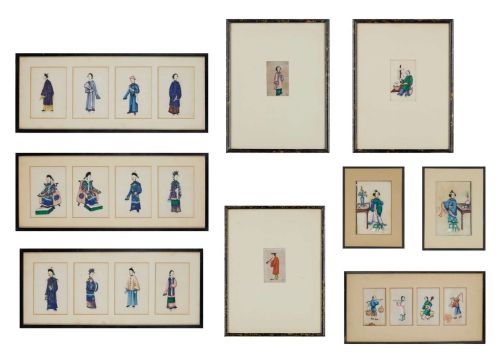
Artisans applied animal-hide glues and natural mineral pigments onto delicate supports such as woven silk, handmade paper, and fragile pith paper derived from Tetrapanax papyrifer. Ink and gouache predominated in creating fine linear definitions and rich colour washes.
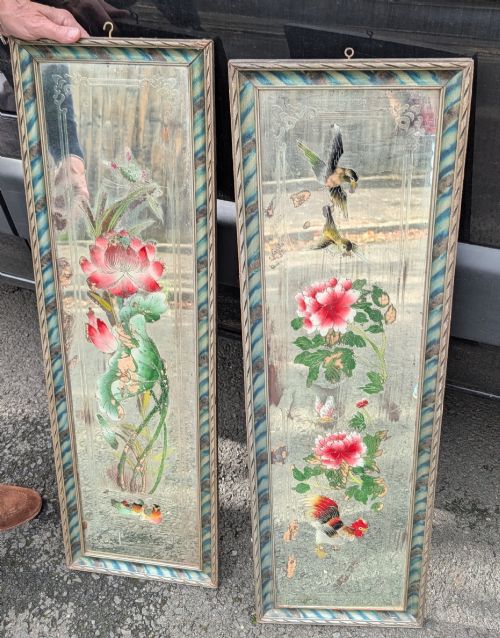
Reverse paintings on glass required artists to execute compositions backward directly onto the rear plate, letting the unpainted glass act as a protective glossy varnish from the front. Framing often utilised native hardwoods, while scrolls employed traditional textile mounting techniques.
Chinese Art Painting Retail Price Guide 2026
Typical asking prices for chinese art painting among the pieces listed under this phrase on Sellingantiques today, from the lower quarter to the upper quarter. They describe what is for sale here now, not the wider market.
Current listings feature delicate pith paper and silk alongside reverse glass paintings spanning the eighteenth to twentieth centuries.
What varies in quality
Quality rests in the precision of the brushwork and the preservation of fugitive pigments across paper and silk surfaces. Superior examples demonstrate confident ink control and balanced composition, particularly in complex figural groups and detailed maritime scenes.
The integrity of the original mounting and framing influences the overall standing of an artwork. Pieces retaining period frames and legible artist seals or signatures command stronger attention from discerning collectors.
Ah Hee Studio·Ya Ming
The Chinese Art Painting Glossary
- Pith paper
- A delicate, spongy material cut from the pith of the Tetrapanax papyrifer plant. It absorbs gouache and watercolour pigments with a velvety brilliance.
- Reverse painting on glass
- A technique where artists paint directly onto the back of a glass panel. The finished image is viewed through the front, creating a glossy finish.
- Shan Shui
- Traditional Chinese landscape painting style representing scenery using brush and ink. It typically incorporates mountains, rivers, and waterfalls.
- Export art
- Goods manufactured in China specifically for Western markets and trade partners. These works often blend Eastern subjects with Western framing formats.
Chinese Art Painting: Frequently Asked Questions
How should I hang silk paintings?
Silk paintings require stable indoor environments away from direct sunlight to prevent the textile backing and natural pigments from degrading over time.
Keeping them behind UV-filtering glass helps protect the delicate fibres from humidity shifts and environmental pollutants.
What is pith paper?
Pith paper is a soft, spongy medium prepared from the pith of a specific shrub rather than pressed wood pulp. Artists utilised its unique cellular structure to achieve vivid colour saturation in nineteenth-century export works.
Because the material is naturally fragile, these paintings benefit from careful framing and minimal handling.
How do I identify export art?
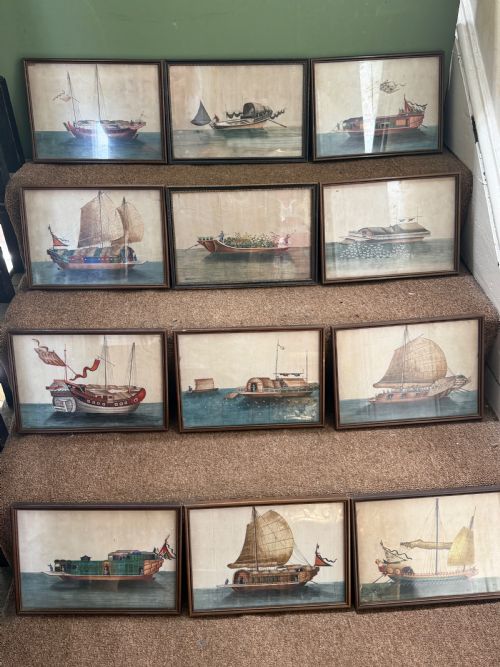
Export pieces often feature subject matter tailored for Western buyers, such as bustling harbour scenes, junks, and detailed depictions of local trades. They frequently appear in standard Western frames rather than traditional hanging scrolls.
Many of these works were produced in treaty ports like Canton during the Qing dynasty to satisfy foreign demand.
What are ancestral scrolls?
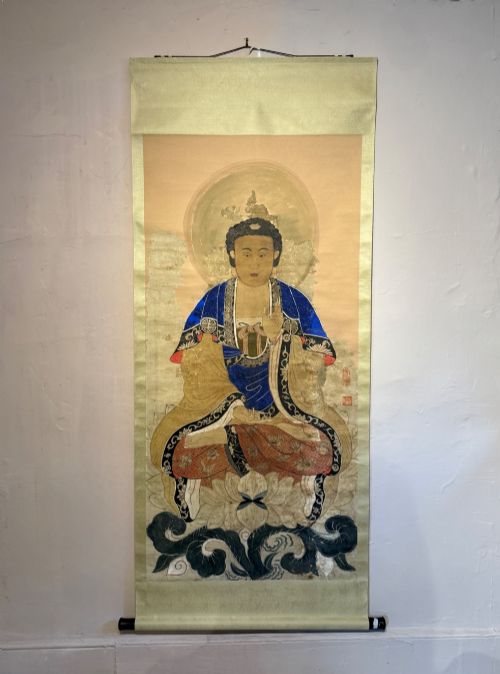
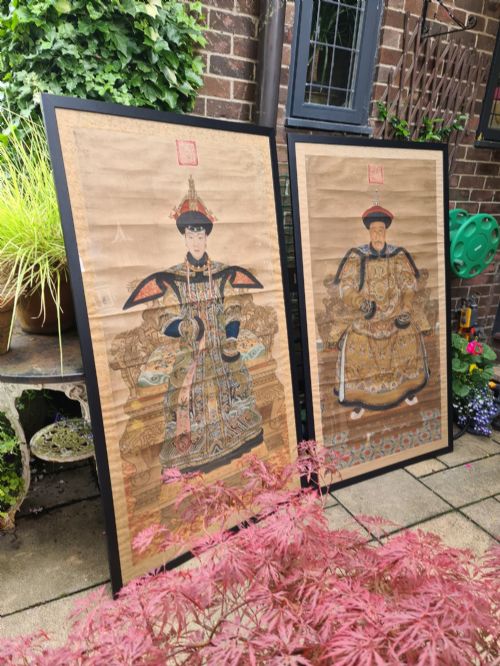
Ancestral scrolls portray respected family lineage figures, often seated formally in traditional robes. Families commissioned these portraits for commemorative rituals and ancestral halls.
They offer striking visual records of historical costume, military rank badges, and interior furnishings.