



Chinese Burner
When searching for a chinese antique burner, collectors encounter metal, porcelain and jade vessels made for burning incense across several dynasties.
Chinese Burner
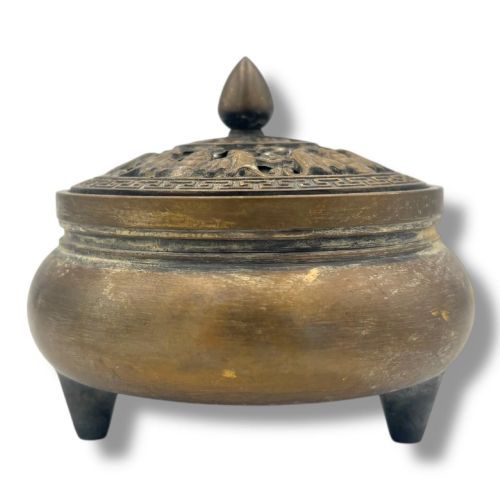
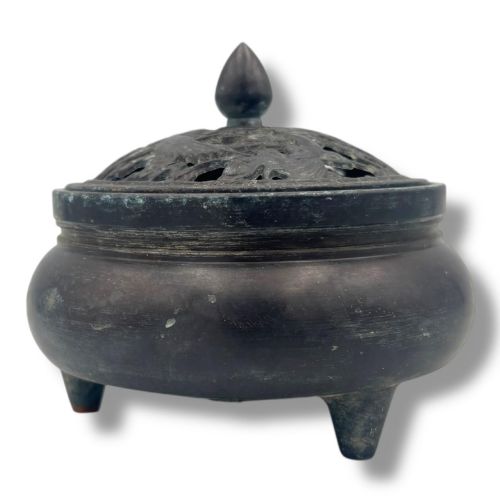
A chinese antique burner encompasses tripod censers, ritual vessels and scholar's studio pieces originating from the Ming and Qing dynasties down to the early twentieth century.
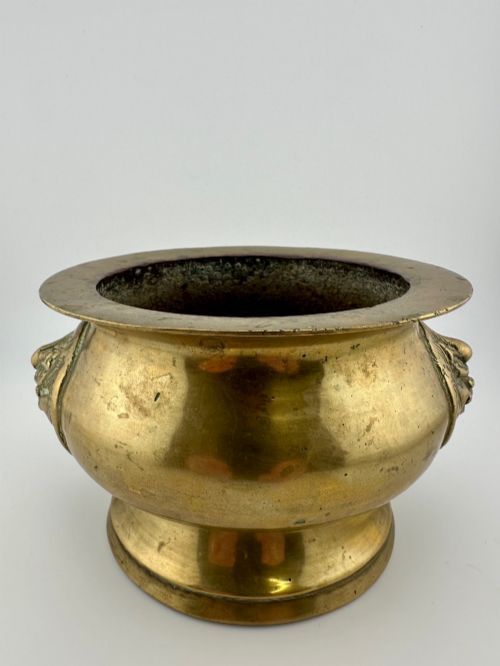
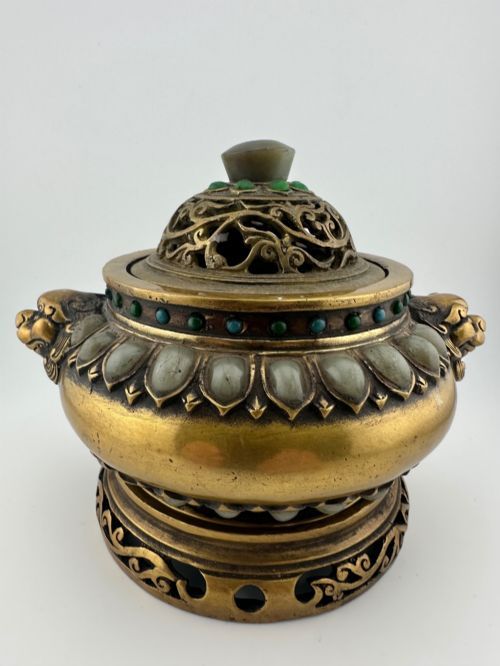
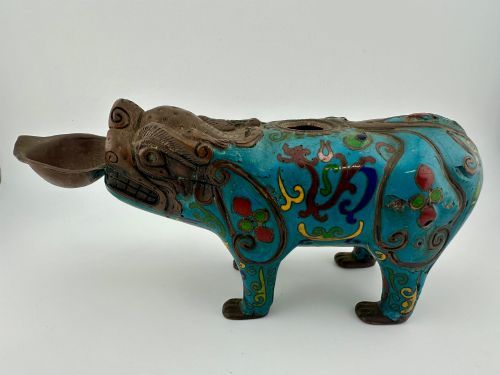
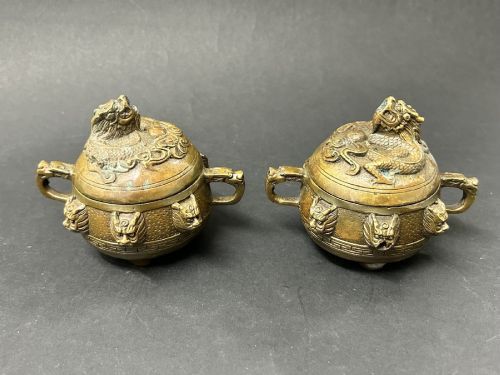
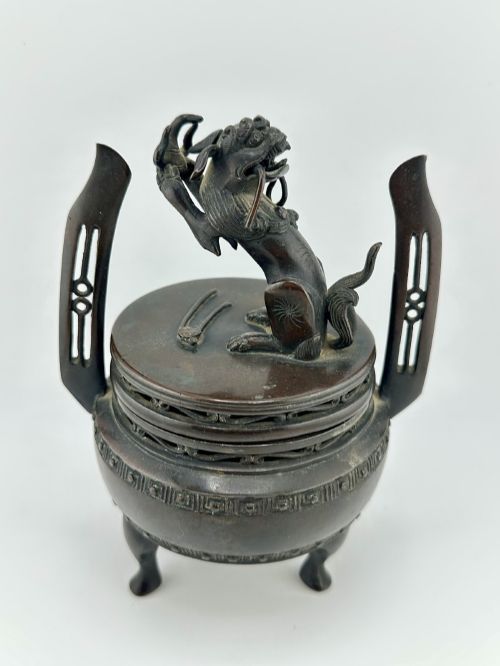
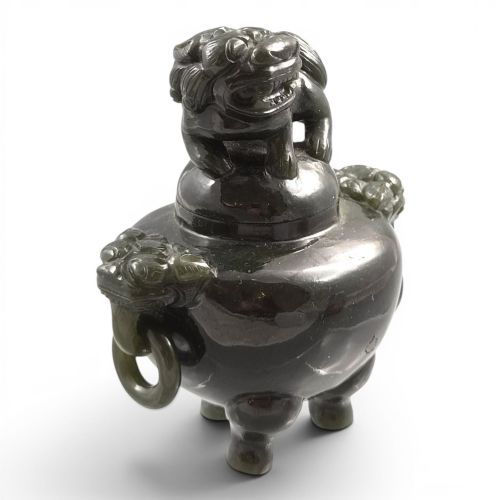
The objects most frequently met on this page are bronze tripod censers featuring handles shaped like lion masks, elephant heads or mythical beasts, often accompanied by matching covers and stands.
Forms range from miniature scholar's desk items to monumental ritual vessels weighing several kilograms, reflecting varied uses in temples, domestic interiors and scholarly studies.
Materials and Technique
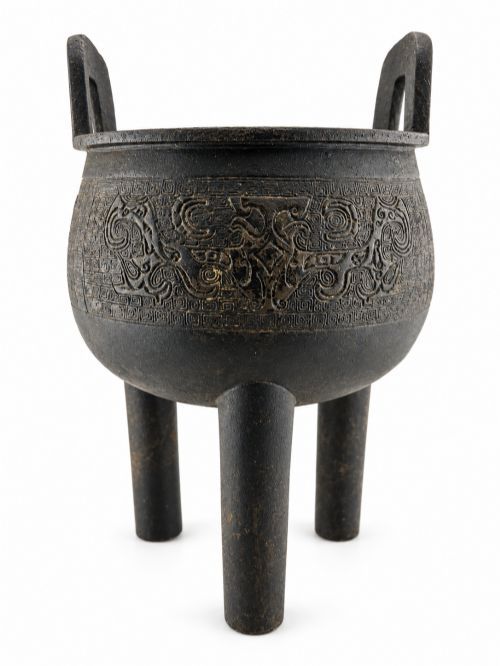
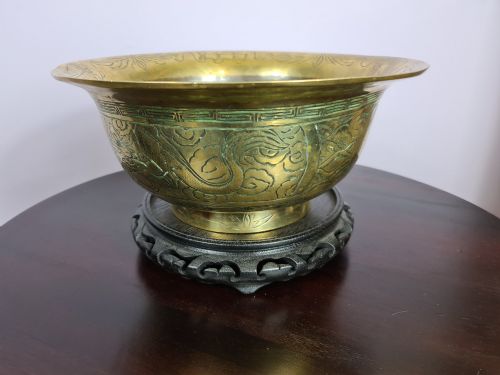
Metal vessels are cast using bronze, brass and copper alloy, frequently employing lost-wax techniques to achieve heavy walls and intricate surface decorations such as taotie masks and archaistic motifs.
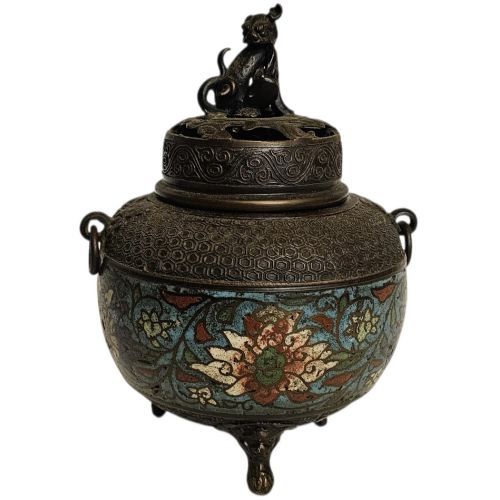
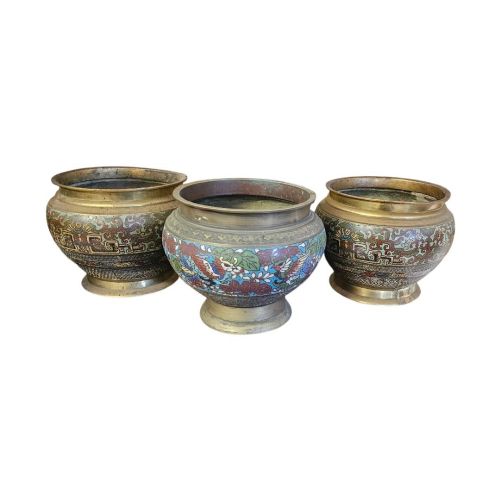
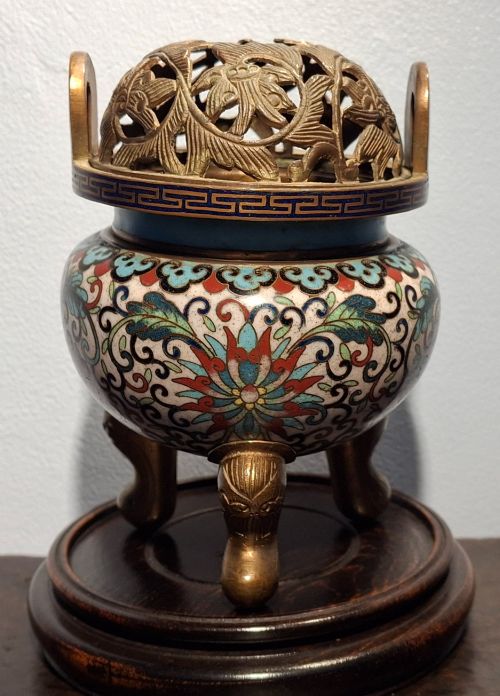
Many bronzes receive surface treatments including gold-splashing, gilt details or champlevé and cloisonné enamels, while ceramic examples utilise celadon glazes and Dehua porcelain.
Hardstones like jade are carved into tripod forms with intricate finials, combining mineral materials with custom hardwood stands made of zitan or other dense woods.
Chinese Burner Retail Price Guide 2026
Typical asking prices for chinese burner among the pieces listed under this phrase on Sellingantiques today, from the lower quarter to the upper quarter. They describe what is for sale here now, not the wider market.
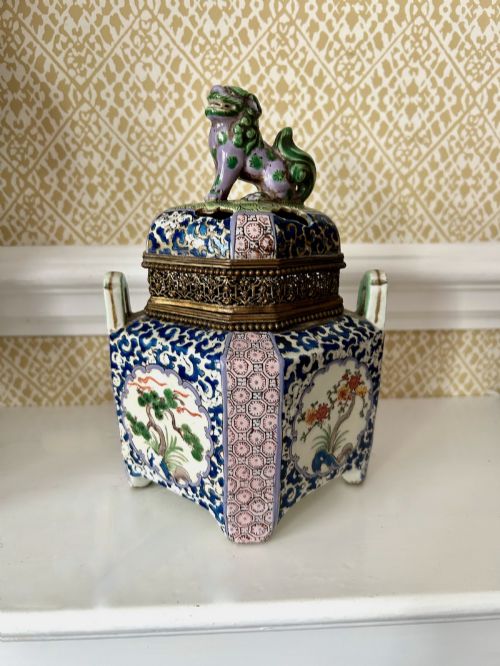
Several examples include mythical qilin beasts perched atop lids, guarding the scented smoke within.
Craftsmanship and Weight
Quality separates through the density of the casting and the crispness of the relief work, where heavier bronze vessels with precisely defined handles and balanced proportions represent superior output.
The refinement of the surface patina, the integration of inlaid hardstones, and the presence of clear reign or studio marks distinguish standard utility pieces from imperial or high-status scholar's commissions.
The Chinese Burner Glossary
- Censer
- A vessel designed specifically for burning incense. These containers often feature pierced lids to allow scented smoke to escape.
- Tripod
- A vessel supported by three legs. This configuration provides stability on uneven surfaces and elevates the body of the burner.
- Archaistic
- A style that emulates the archaic forms, decorations and bronzes of the ancient Shang and Zhou dynasties. Qing and Ming dynasty pieces frequently adopted this aesthetic.
- Celadon
- A type of transparent green ceramic glaze applied to a pale body. Longquan kilns produced notable examples of this ware during the Ming period.
Chinese Burner: Frequently Asked Questions
What is a chinese antique burner used for?
These vessels were primarily utilised for burning aromatic incense sticks, powders or coils during meditation, scholarly contemplation, or religious ceremonies.
In historical domestic and temple settings, they also served as decorative art objects that signified refinement and status.
How do I identify a Ming dynasty piece?
Ming dynasty burners often display robust casting, deep patination, and specific decorative elements such as taotie masks or the 'Three Friends of Winter' relief panels.
Examining the weight, the handling of the bronze, and the integration of contemporary hardwood stands helps differentiate sixteenth and seventeenth-century work from later revivals.
What do reign marks mean?
Reign marks, such as those of the Xuande or Qianlong periods, indicate the imperial era associated with the style or production of the vessel.
Many later pieces from the nineteenth and twentieth centuries also bear these historical marks as a tribute to earlier masterworks rather than as literal proof of date.
How should I clean my antique burner?
Maintenance requires gentle dusting with a soft, dry cloth to preserve the historical patina accumulated over centuries on bronze, brass or jade.
Water, chemical polishes, and abrasive cleaners should be avoided because they strip away the natural oxidation and finish that collectors value.