





Chinese Altar Carving
These pieces of chinese altar carving bring centuries of craftsmanship and ritual presence directly into modern interiors.
Chinese Altar Carving
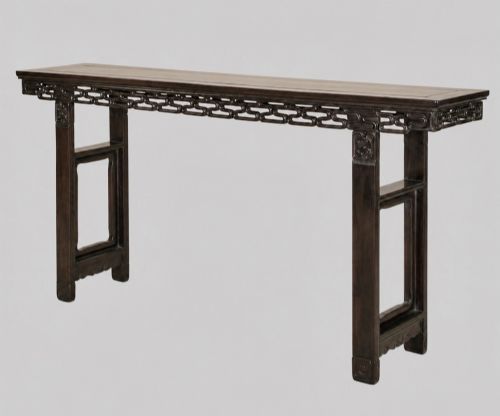
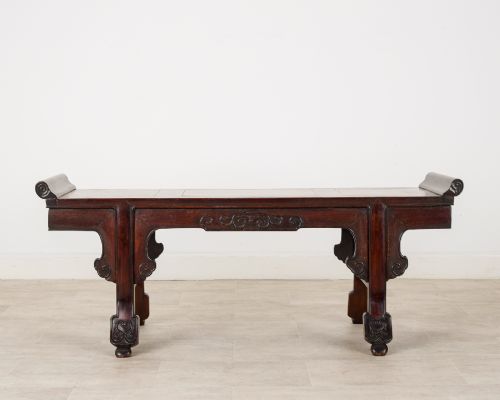
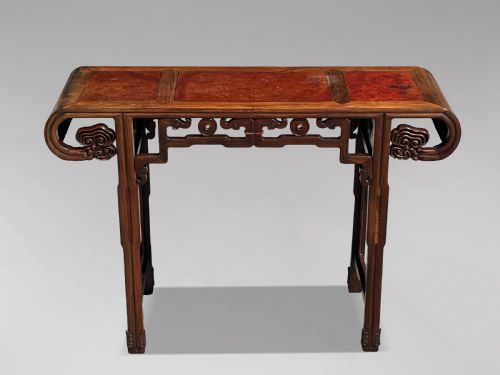
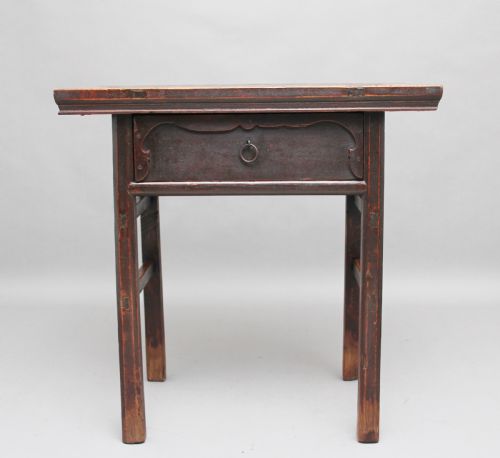
A chinese altar carving represents the intersection of traditional religious practice and domestic furniture, originating from temple settings and elite ancestral halls. The forms span robust altar tables, long consoles, and low tables intended for display or ceremonial use.
Most examples encountered here date from the nineteenth century, reflecting the Qing dynasty production methods and regional aesthetic traditions. Buyers frequently select these tables and benches for their strong architectural silhouettes and deep historical association with Chinese provincial and imperial design.
How They Were Made
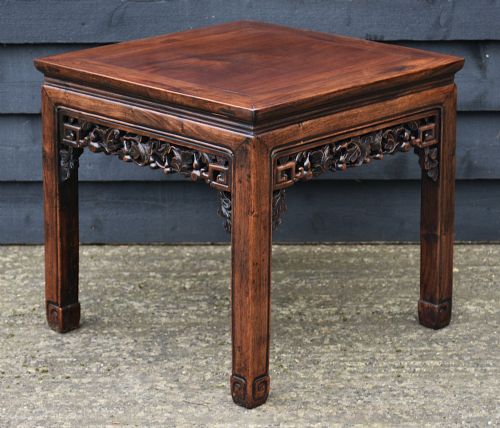
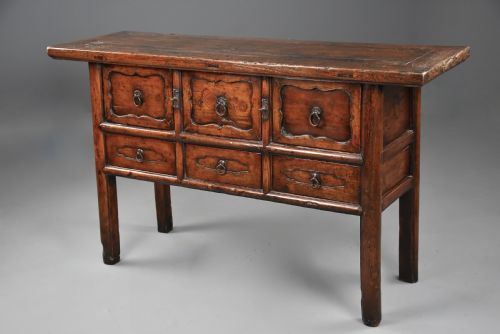
Dense timbers form the primary structure of these pieces, utilising durable hardwoods such as rosewood, hongmu, and local elm. Artisans constructed joints with traditional joinery techniques that allowed the timber to expand and contract without metal nails.
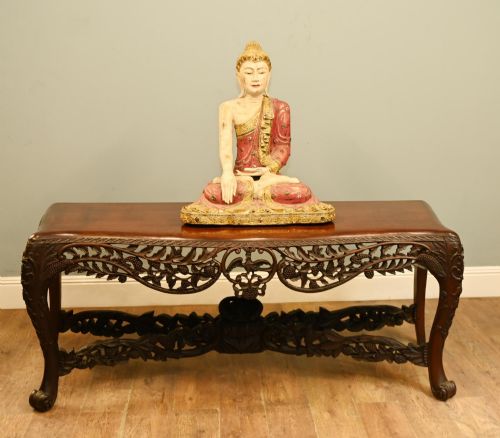
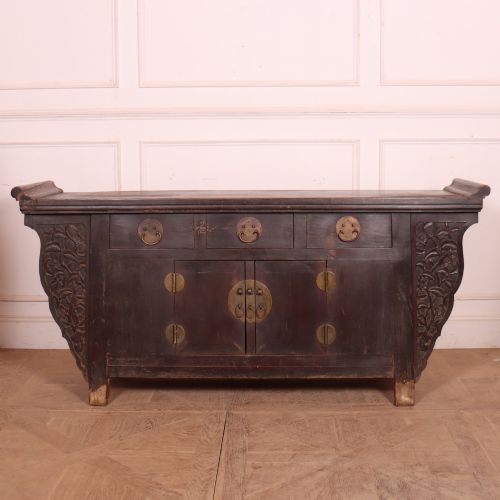
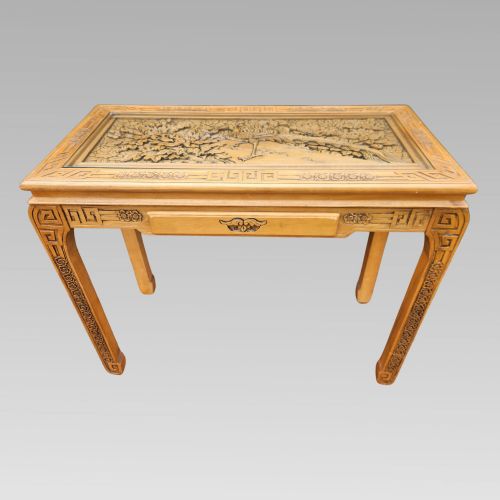
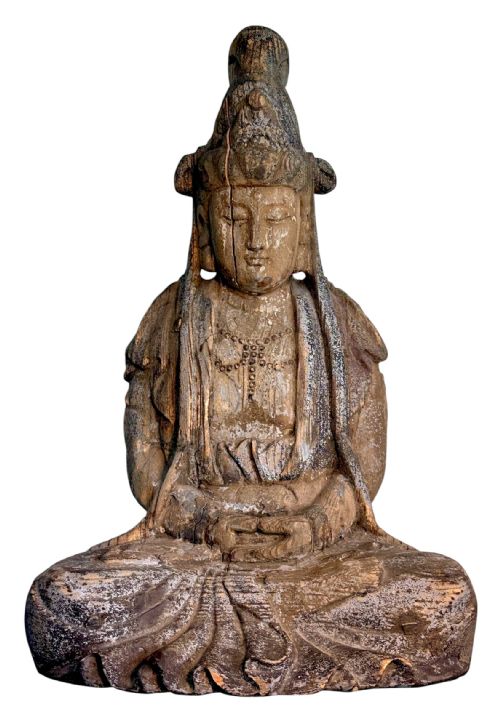
Surfaces often receive detailed relief carving depicting floral motifs or geometric patterns, sometimes enhanced with dark lacquer or inset marble panels. Brass hardware occasionally provides functional accents on drawers and structural mounts.
Chinese Altar Carving Retail Price Guide 2026
Typical asking prices for chinese altar carving among the pieces listed under this phrase on Sellingantiques today, from the lower quarter to the upper quarter. They describe what is for sale here now, not the wider market.
Materials recorded across these listings include rosewood, elm, brass, lacquer, and marble.
What Varies in Quality
The sophistication of the hand carving distinguishes standard utility furniture from finer ritual pieces, with crisp undercut details showing superior workshop skill. Timber selection also dictates grade, with dense, heavy hongmu and aged rosewood holding higher status than simpler elm constructions.
Proportion and structural integrity remain central, as well-balanced framing and preserved patination signal careful historical maintenance. Pieces retaining original lacquer or undisturbed patinated wood surfaces command greater attention from collectors.
The Chinese Altar Carving Glossary
- Hongmu
- A dense, heavy tropical hardwood prized in traditional Chinese furniture making for its deep colour and durability. It takes a fine polish and supports intricate carving.
- Elm
- A resilient domestic timber widely used in regional Chinese tables and sideboards for its strong grain pattern. It provides structural stability while remaining responsive to carving.
- Qing Dynasty
- The final imperial dynasty of China, spanning from sixteen forty-four to nineteen twelve. Pieces from this period often display established regional carving styles.
- Lacquer
- A natural resin applied in multiple coats to wooden surfaces to create a smooth, protective finish. Red and black lacquer finishes frequently appear on ritual and export pieces.
- Chinoiserie
- European decorative style reflecting Chinese artistic influences. It appears in western interpretations of Eastern forms.
Chinese Altar Carving: Frequently Asked Questions
How were chinese altar carvings used?
These tables served as focal points for ancestor veneration and offerings within domestic halls or temples. Families placed ritual vessels, incense burners, and ancestral tablets upon the upper surfaces.
Over time, many of these architectural forms transitioned into secular domestic interiors as sideboards, console tables, or window benches while retaining their sculptural presence.
What woods were used for altar tables?
Cabinetmakers selected dense hardwoods like rosewood and hongmu for high-status commissions, valuing their weight and deep natural grain. These heavy timbers allowed carvers to execute deep relief work without losing structural integrity.
Elm served as a reliable regional alternative for provincial workshops, offering sufficient strength for large console tables and low benches.
How do I identify a nineteenth-century piece?
Nineteenth-century examples often exhibit the characteristic wear patterns and dry patination associated with decades of domestic or ritual use. Construction methods rely entirely on traditional interlocking joinery without modern metal fasteners.
Stylistic markers correspond to the late Qing dynasty aesthetic, combining functional altar proportions with regional carving traditions found across various Chinese provinces.
Can I use an altar table daily?
These sturdy tables function effectively as modern console tables, hall furniture, or desks within contemporary living spaces. Their linear proportions fit well against walls or behind seating arrangements.
Maintenance requires simple dusting with a dry cloth and protection from direct heat sources to preserve the historic timber and traditional finishes.