

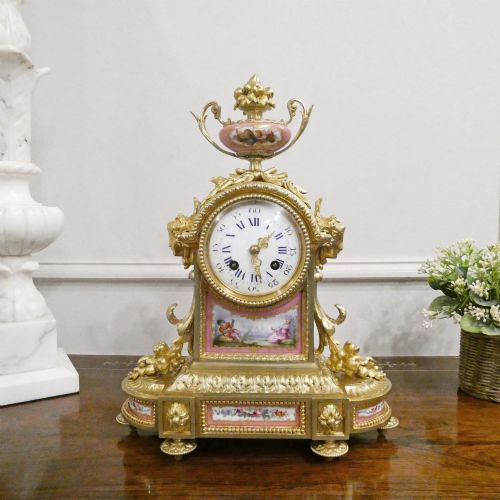
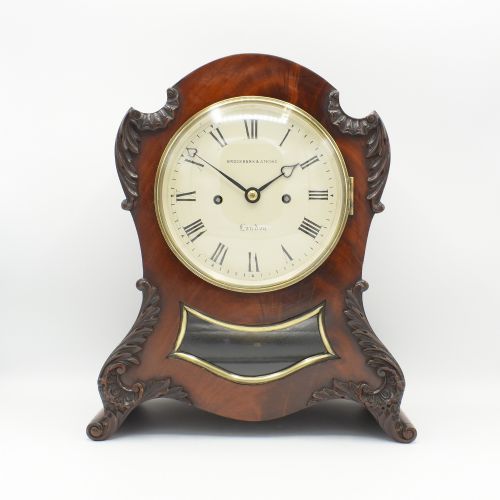
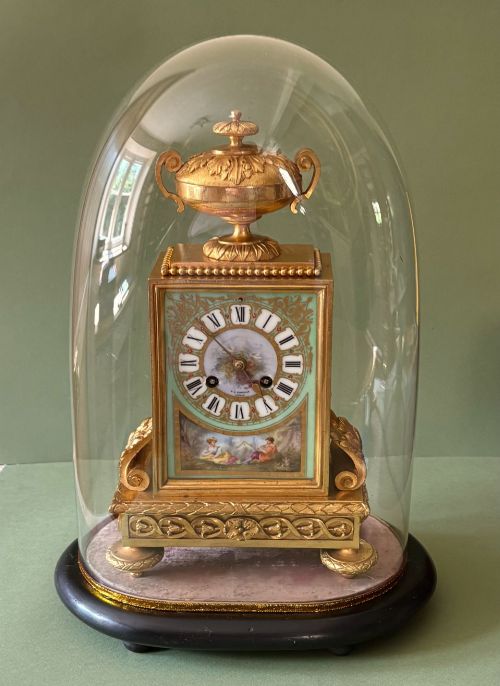
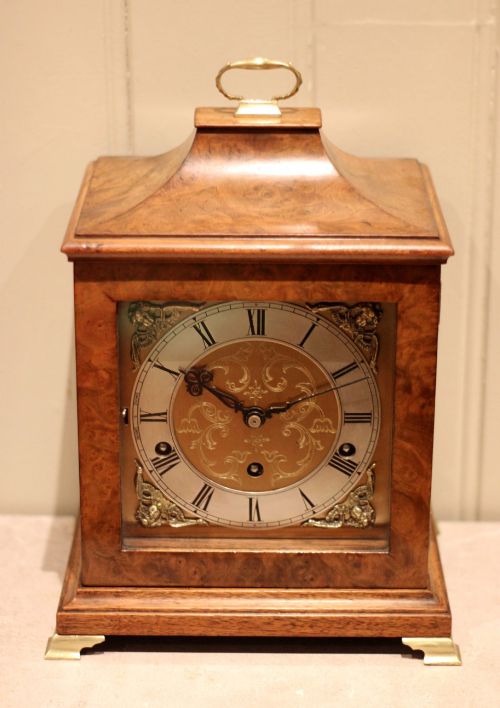
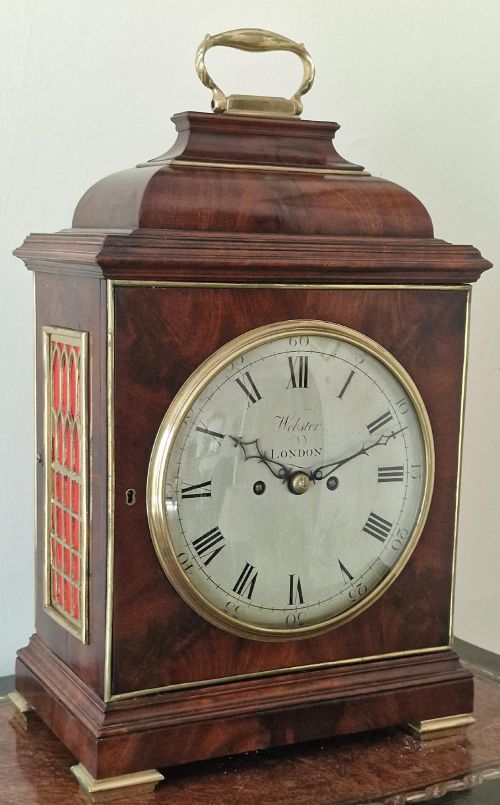
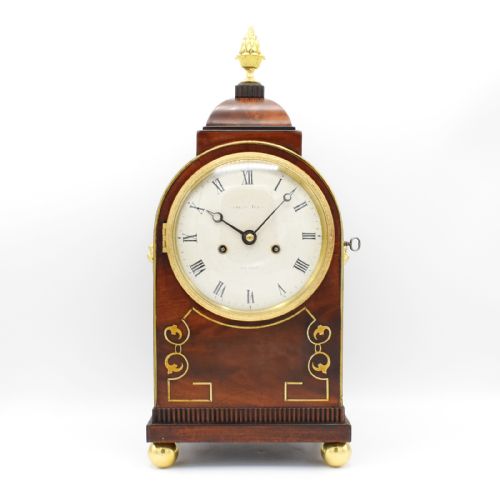
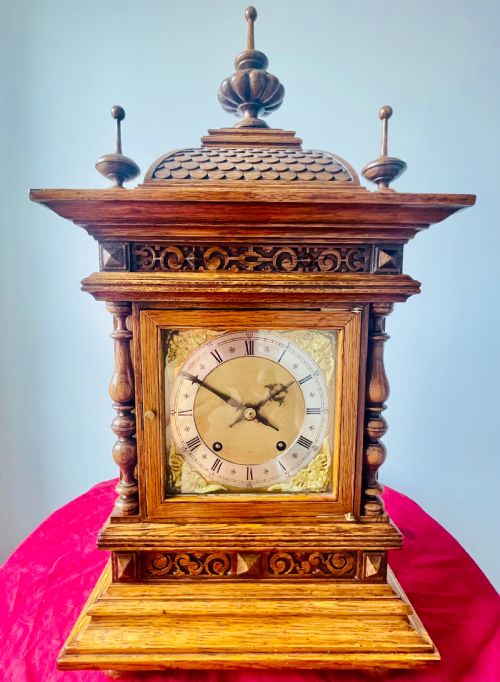
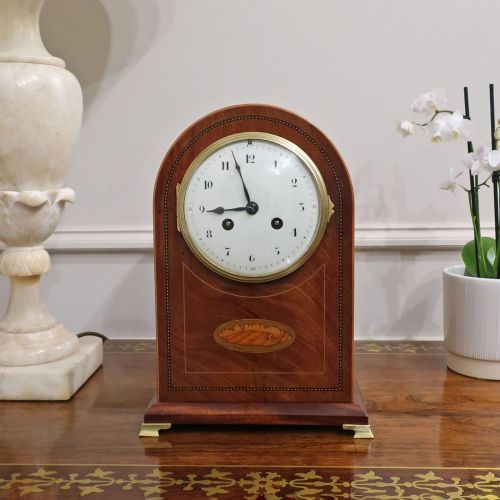
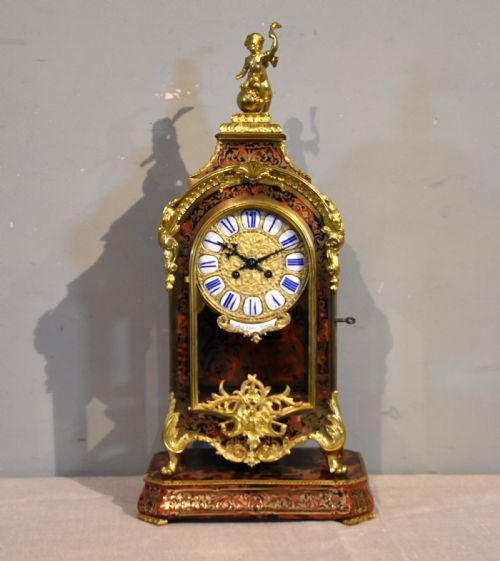
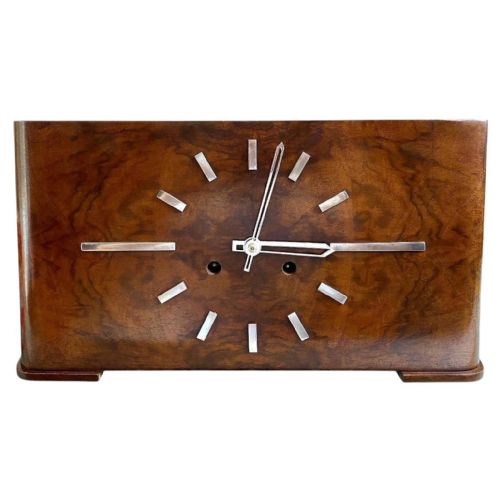

Chime Table Clock
These chime table clock pieces bring traditional timekeeping and acoustic movement into domestic interiors.
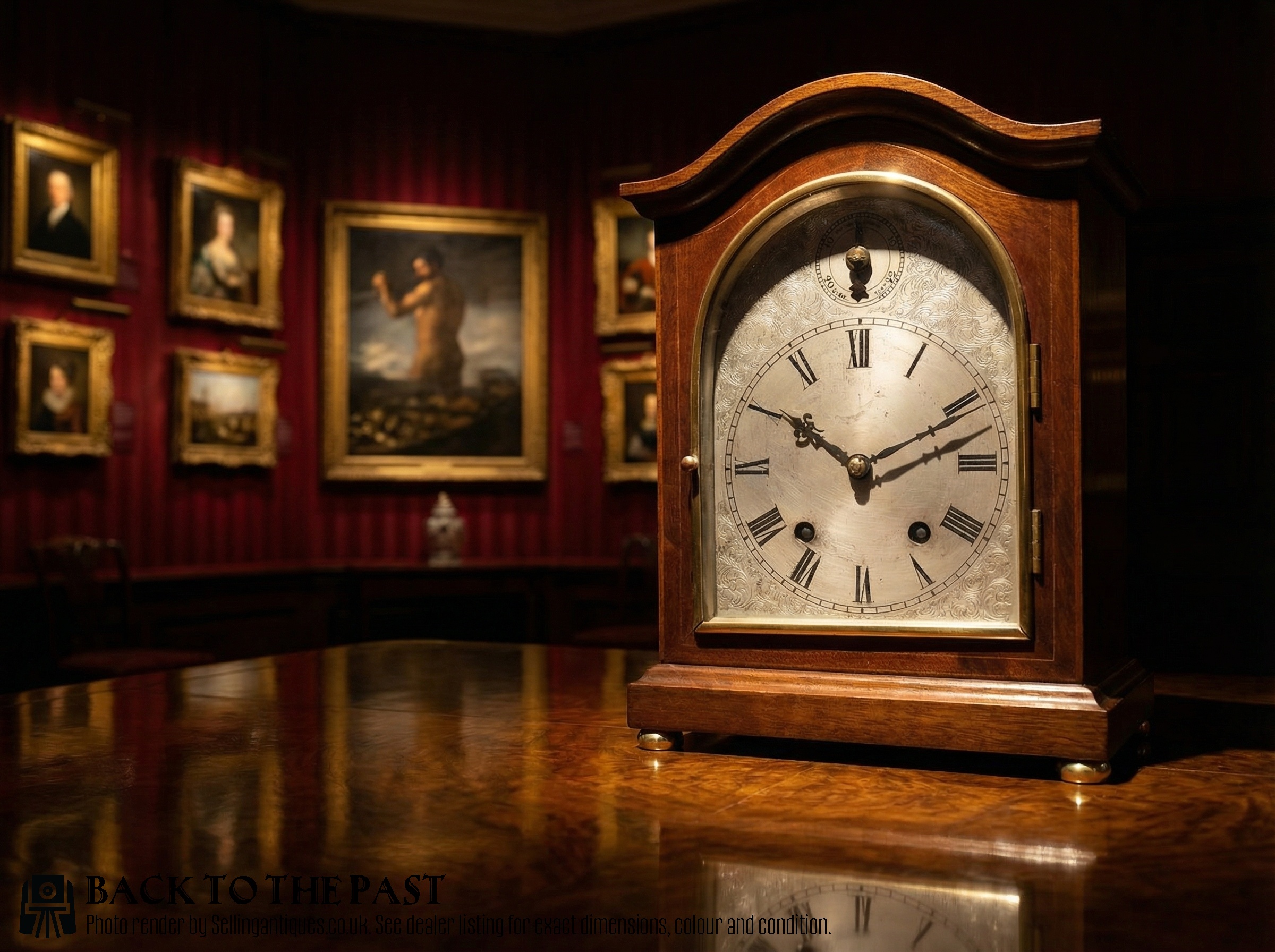
Chime Table Clock
A buyer examining a chime table clock typically encounters pieces originating from English, French, and German workshops spanning the Georgian, Victorian, and Edwardian eras. The selection comprises bracket clocks, mantel clocks, and table clocks housed in architectural or portable cases.
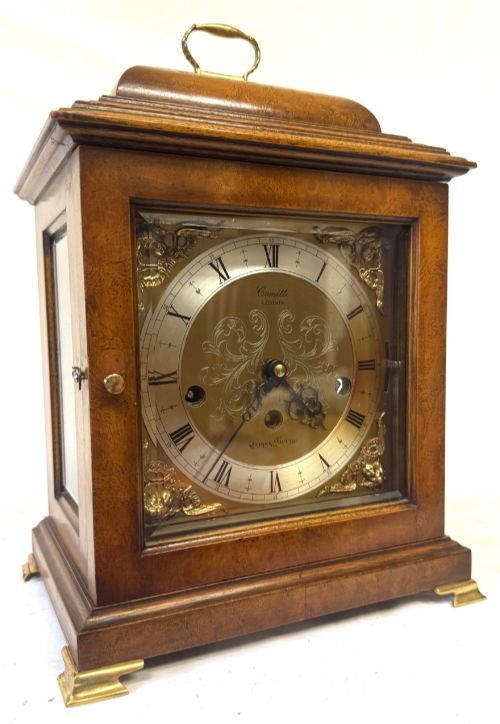
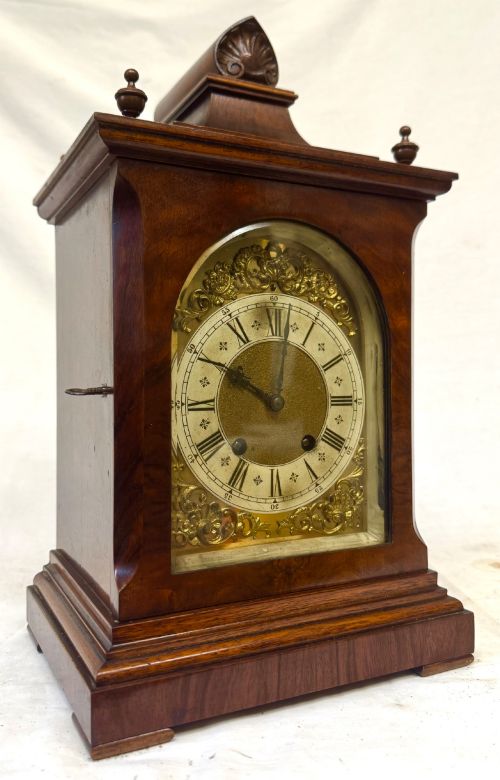
English examples often display traditional fusee movements within mahogany or walnut timber enclosures, whilst continental makers frequently utilise gilt bronze, porcelain, and striking mechanisms. Many units deliver specific auditory sequences such as Westminster or ting tang melodies on bells or gongs.
Materials and construction
Cases combine structural timbers such as mahogany, oak, walnut, and ebonised wood with decorative metal mounts in brass, ormolu, and gilt bronze. Enamel dials and glass panels protect the internal mechanical trains.
Movement assembly relies on precision brass gears, escapements, and springs or weights driven by single, double, or triple fusee arrangements. Cabinetmakers shaped and polished the timber exteriors whilst specialist horologists calibrated the chiming mechanisms.
Distinctions in craftsmanship
The standard of a chime table clock depends on the precision of the movement engineering and the complexity of the chiming train. Triple fusee setups and intricate musical cylinders demonstrate higher labour investment than basic striking movements.
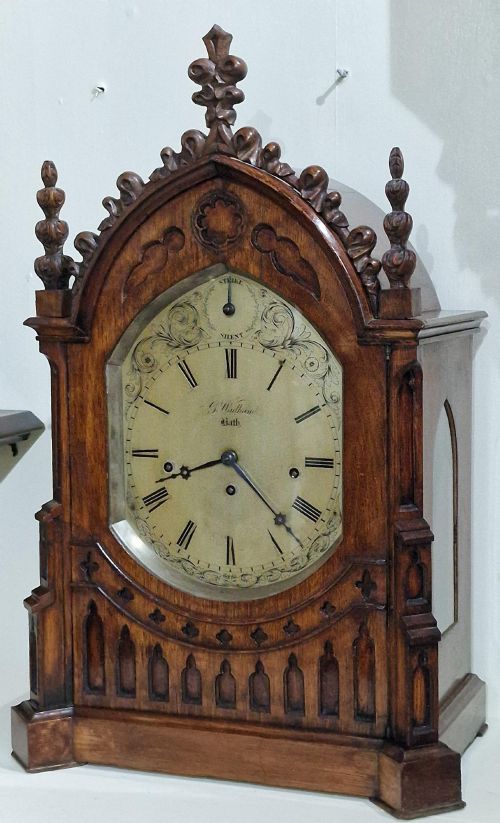
Case execution separates ordinary production from superior examples through hand-carved timber detailing, crisp ormolu mount chasing, and quality dial painting. Maker reputation and original internal components heavily influence the overall standard.
H.A.C.·Elliott London·Comitti Of London·Lenzkirch·George Wadham·Japy Freres·Brockbanks & Atkins·Charles Pratt London·Winterhalder·Mappin & Webb·Webster·Francis Perigal·Garrards·Schneckenburger·Perivale·Cording of London
The Chime Table Clock Glossary
- Fusee
- A conical pulley designed to equalise the force of the mainspring as it unwinds. This mechanism helps maintain consistent timekeeping accuracy throughout the power reserve.
- Bracket clock
- A portable timekeeper originally designed to sit on a wall bracket to aid sound projection. These units typically feature robust wooden carrying handles on top.
- Ting tang
- A striking method using two hammers and two bells to sound the quarters and hours. It produces a distinctive dual-tone chime.
- Ormolu
- Gilded bronze ornamentation applied to clock cases for decorative contrast. The technique involves mercury amalgamation on metal.
- Chinoiserie
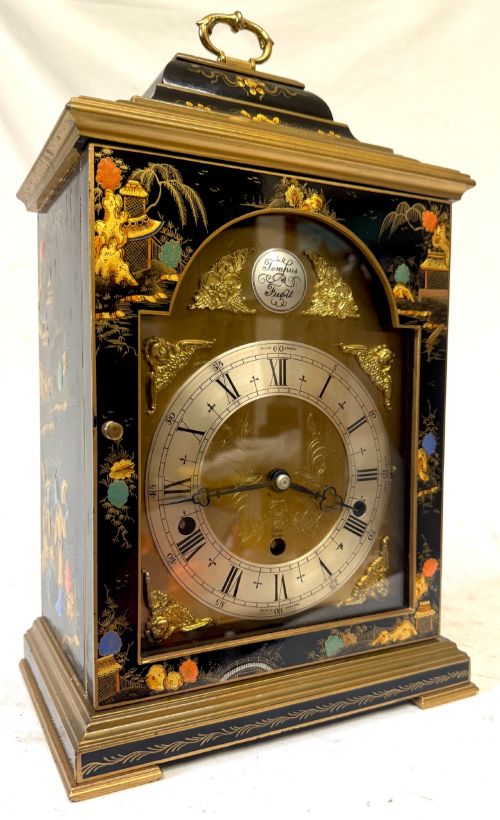
- European decorative style imitating Chinese artistic motifs. Lacquered finishes often exhibit this aesthetic.
Chime Table Clock: Frequently Asked Questions
What is a chime table clock?
A chime table clock is a mechanical timepiece designed for domestic interiors that sounds melodies or hour strikes at regular intervals. These pieces combine decorative cabinetry with complex acoustic gear trains.
Craftsmen housed these movements in portable timber or metal cases intended for display on furniture surfaces rather than permanent wall installation.
How do triple fusee clocks work?
Triple fusee movements utilise three separate spring or weight driven drums to power timekeeping, striking, and chiming trains simultaneously. This configuration delivers consistent power to each function without interference.
Such mechanisms appear in higher-grade English bracket clocks and require precise mechanical synchronisation to operate correctly.
Where should I place my clock?
Position your clock on a stable, level surface away from direct sunlight, draughts, and moisture fluctuations. Wooden furniture or dedicated mantel shelves provide suitable foundations for acoustic resonance.
Keeping the unit level ensures the pendulum or escapement maintains an even beat and accurate timekeeping rhythm.
How do I identify the period?
Dating relies on case styling, timber choice, dial construction, and signature engraving on the backplate. Georgian and Regency pieces show classical proportions, whilst Victorian and Edwardian examples feature heavier or more eclectic ornament.
Maker signatures and registration marks often provide direct chronological evidence for specific decades.