



Chiaroscuro Portrait Painting
These chiaroscuro portrait painting examples capture dramatic illumination and deep shadow, offering collectors striking studies of human character.
Chiaroscuro Portrait Painting
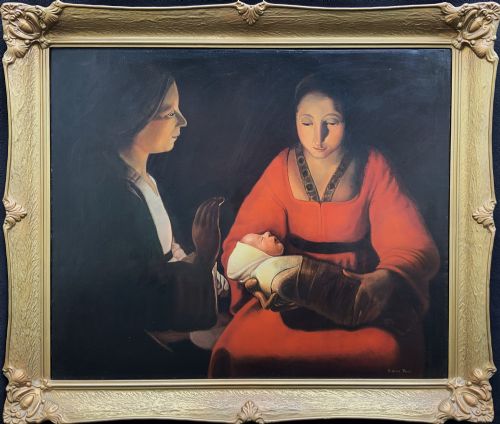
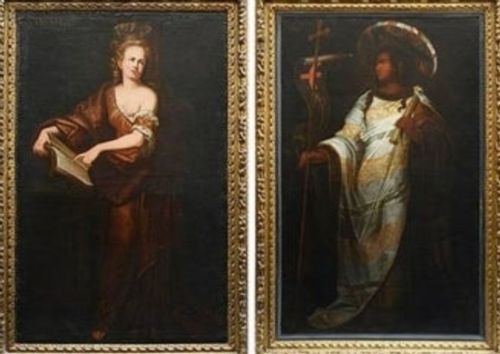
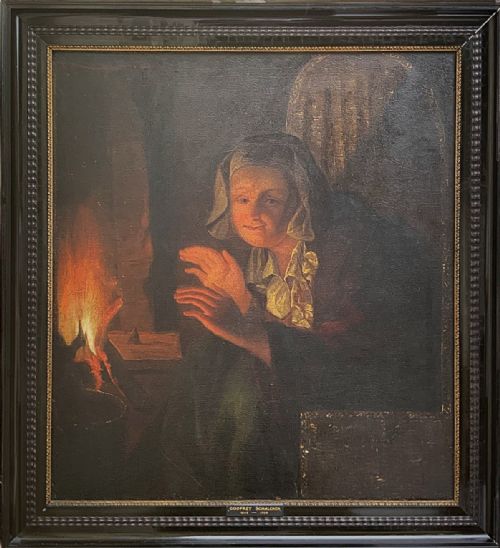
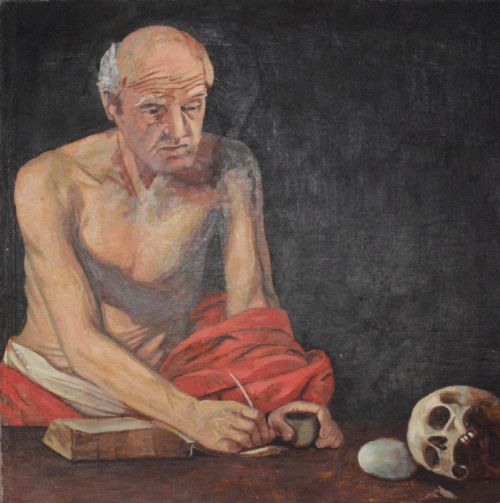
A chiaroscuro portrait painting centres on the powerful interplay of strong light and deep shadow to model form and convey mood. The versions met on this page span several centuries, including seventeenth-century Italian and Dutch school works alongside eighteenth-century studies and later revivals.
Buyers encounter various formats here, ranging from large nocturnal canvases depicting biblical and mythological subjects to intimate half-length character studies. The selections often reference master painters through direct copies, studio traditions or follower interpretations of earlier compositions.
The objects take physical form primarily as oil paintings on canvas or panel, frequently housed within period wood and giltwood frames. Their subjects include sibyls, saints, children and historical figures rendered with concentrated theatrical illumination.
Materials and technique
Many pieces incorporate ornate wood and giltwood frames that complement the deep tones of the painted surface and protect the edges of the canvas. The underlying techniques follow traditional European studio practices of layering dark grounds and building up light gradually.
The current selection spans from seventeenth-century Italian and Dutch school works to mid-twentieth-century oil paintings on canvas and panel.
Distinctions in quality
The upper tier of these works is distinguished by the confident handling of light sources, where the transition from deep shadow to brilliant illumination creates a palpable sense of three-dimensional depth and psychological intensity. Weaker examples rely on flat tonal gradients that lack the dramatic tension characteristic of the genre.
Subtlety in brushwork and the skillful rendering of facial expressions separate superior interpretations from routine copies. The cohesion between the painted composition and its period wood or giltwood frame also contributes to the overall integrity of the piece.
Georges de La Tour·Godfried Schalcken·Rembrandt van Rijn·Quirijn Van Brekelenkamp·Bartolomeo Schedoni·William Tate·Joseph Wright of Derby·Frans Banning Cocq
The Chiaroscuro Portrait Painting Glossary
- Chiaroscuro
- An Italian artistic term describing the strong contrast between light and dark, usually bold contrasts affecting a whole composition. It is the defining characteristic of these portrait paintings.
- Baroque
- A European style of the seventeenth and eighteenth centuries characterised by movement and clear detail used to produce drama and tension. Many works on this page align with this aesthetic.
- Dutch Golden Age
- A period in Dutch history spanning the seventeenth century wherein painting flourished with distinct attention to domestic interiors and dramatic lighting effects. Artists from this milieu heavily influenced later portraiture.
- Giltwood
- Wood that has been thinly coated with gold leaf or gold paint. Frames of this material frequently encase these oil paintings.
- Sibyl
- A prophetess in ancient Greece and Rome whose utterances were consulted like oracles. They appear as subjects in several listed pieces.
Chiaroscuro Portrait Painting: Frequently Asked Questions
What is a chiaroscuro portrait painting?
It is an artwork defined by strong contrasts between light and dark, focusing on how a single light source illuminates a figure against a shadowed background.
These pieces draw the viewer's eye directly to the illuminated parts of the face and clothing.
How were these paintings displayed?
Historically, such dramatic works hung in reception rooms or galleries where controlled lighting from candles or tall windows enhanced their theatrical shadows.
Today, they suit spaces with subdued ambient lighting that complements their dark, rich palettes.
Are these works original or copies?
The listings include period copies, studio works and pieces executed in the manner of famous masters from earlier centuries.
Many bear historical attributions or reference well-known compositions by artists such as Rembrandt and Wright of Derby.
What frames accompany these paintings?
The works frequently retain period wood and giltwood frames that provide structural support and historical context.
These surrounds often feature decorative mouldings typical of the eighteenth and nineteenth centuries.