




Chestnut Brown Sofa
A chestnut brown sofa brings rich colour and deep seating into a room, offering sturdy frames and aged hides.
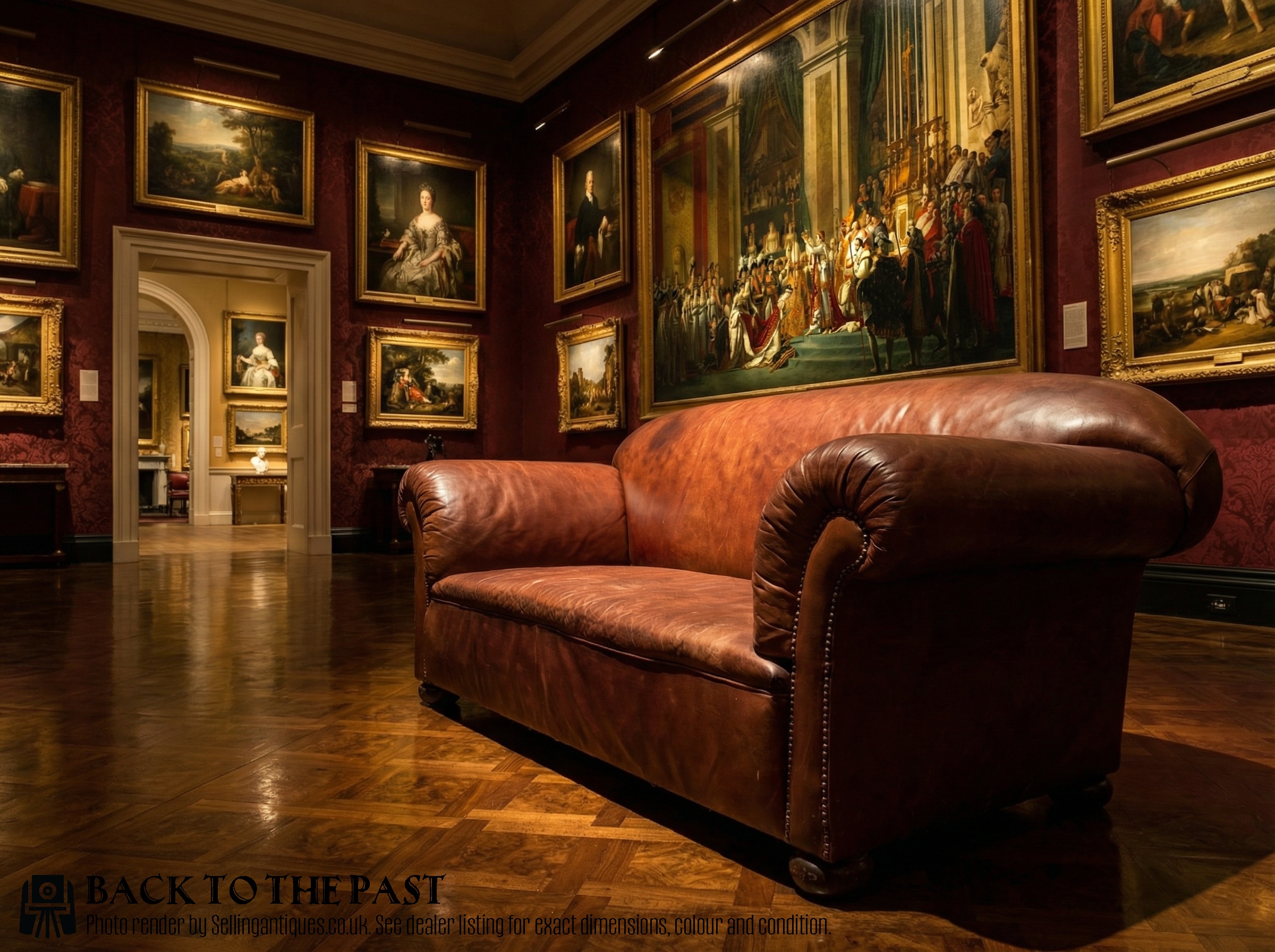
Chestnut Brown Sofa
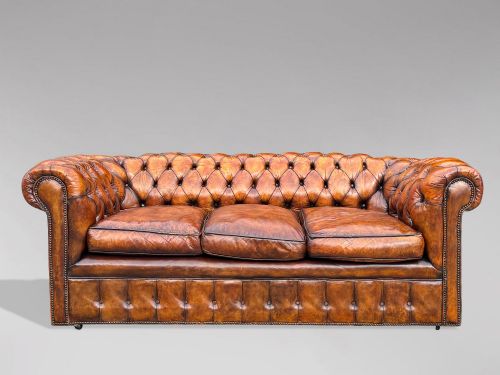
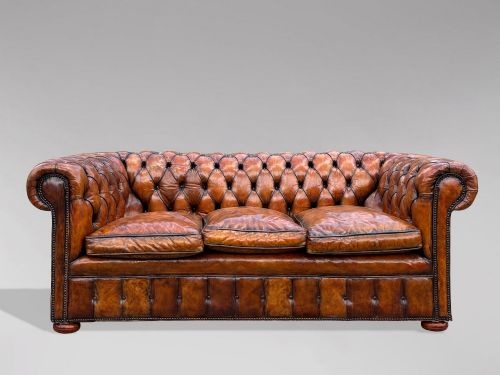
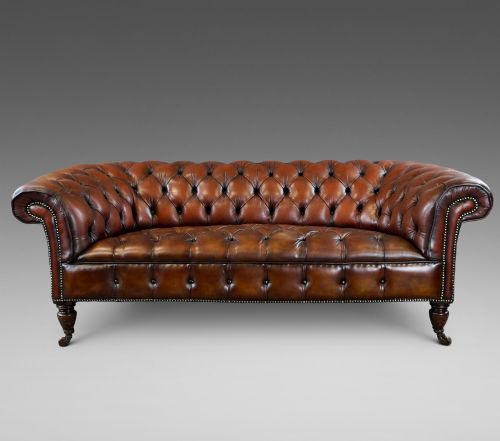
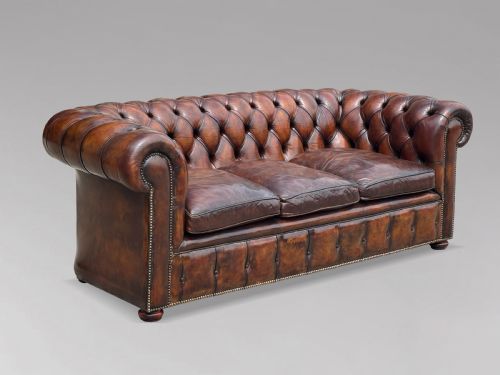
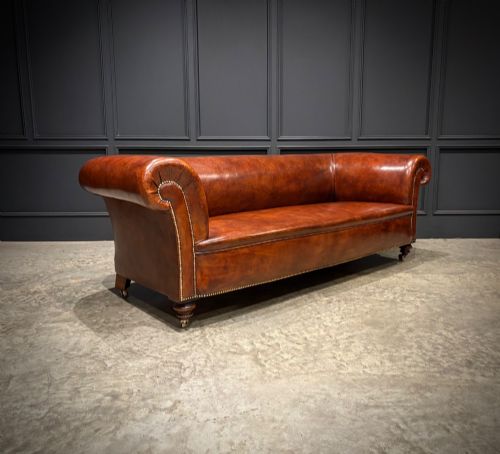
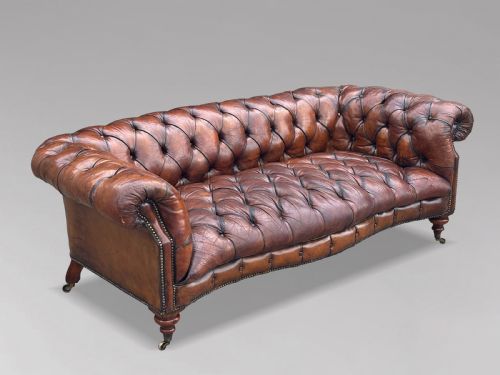
A chestnut brown sofa spans several distinct periods, including Victorian, Edwardian, and early twentieth century examples. Buyers searching this phrase most frequently encounter substantial leather chesterfields and three-seat couches originating from the nineteenth century.
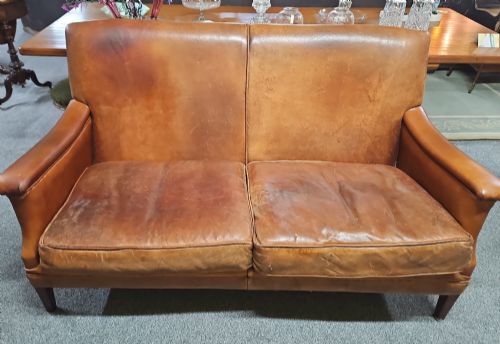
The selection includes specific forms such as highback settees in the George II style alongside suites combining mahogany and leather. These pieces range from compact three-seaters to larger lounge suites designed for principal rooms.
How they were made
Makers built these frames using robust hardwoods including mahogany, ensuring structural stability for heavy daily use. Upholsterers filled the interiors with horsehair and applied fully loose coil springing to support deep buttoning.
Hides received hand-dyed finishes to achieve rich brown and chestnut tones across the leather surfaces. Details often included brass elements complementing the dark wood and buttoned upholstery.
Chestnut Brown Sofa Retail Price Guide 2026
Typical asking prices for chestnut brown sofa among the pieces listed under this phrase on Sellingantiques today, from the lower quarter to the upper quarter. They describe what is for sale here now, not the wider market.
Listings feature items spanning the nineteenth century up to nineteen-twenty, utilising mahogany, brass, and hand-dyed leather.
What varies in quality
Quality shows in the depth and execution of the buttoning and the density of the internal horsehair stuffing. Superior examples maintain firm coil springing and resilient frames that support the upholstery without sagging.
The choice of timber in the frame and the quality of the hand-dyed leather set the finer pieces apart. Maker attribution also distinguishes exceptional workshops from standard production.
Maple and Co·Howard and Sons
The Chestnut Brown Sofa Glossary
- Chesterfield
- A traditional sofa style characterised by deep buttoning and rolled arms of equal height to the back. These large pieces usually feature leather upholstery.
- Horsehair
- A natural stuffing material used extensively in traditional upholstery for resilience and shape retention. It provides firm support beneath the leather cover.
- Coil springing
- A system of interconnected metal springs tied within the frame to distribute weight evenly. This technique underpins comfortable, durable seating.
- Deep buttoning
- An upholstery method where tufting pulls the leather tight against the padding to form a geometric pattern of indentations. This secures the filling and creates a textured surface.
- Hardwood
- Dense timber derived from broad-leaved trees, selected for structural frame components. It resists warping and provides long-term stability.
Chestnut Brown Sofa: Frequently Asked Questions
How do I date a leather sofa?
Dating relies on examining the framing timbers, upholstery methods, and distinct stylistic markers. Victorian and Edwardian examples show specific proportions and buttoning patterns.
Makers' marks or stamps on the wood or leather can also confirm the exact period of production.
Are these sofas comfortable for daily use?
Original pieces incorporate heavy coil springing and horsehair stuffing designed for durable support. The deep seating proportions suit relaxed lounging.
Restored examples maintain this internal structure while ensuring the leather remains supple and supportive.
What is a chesterfield sofa?
A chesterfield is a classic seating form defined by arms and backs of the same height. This silhouette creates a formal yet inviting profile.
Traditional versions rely on deep buttoned leather and brass detailing along the front edges.
How should I care for antique leather?
Antique leather requires regular dusting and occasional conditioning to maintain suppleness. Avoiding direct sunlight prevents the hand-dyed finish from fading.
Gentle cleaning preserves the natural patina accumulated over decades of use.