

Chester Sterling Silver
Chester sterling silver brings together small personal accessories and table wares marked by the historic Assay Office on the River Dee.
Chester Sterling Silver
Chester sterling silver encompasses a diverse array of antique domestic items, personal accessories, and desk wares originating from the late nineteenth and early twentieth centuries. The offerings frequently highlight Victorian, Edwardian, and George V periods, alongside stylistic touches of Art Nouveau and Art Deco.
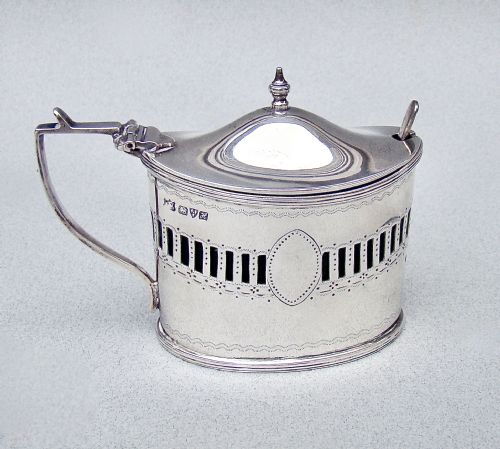
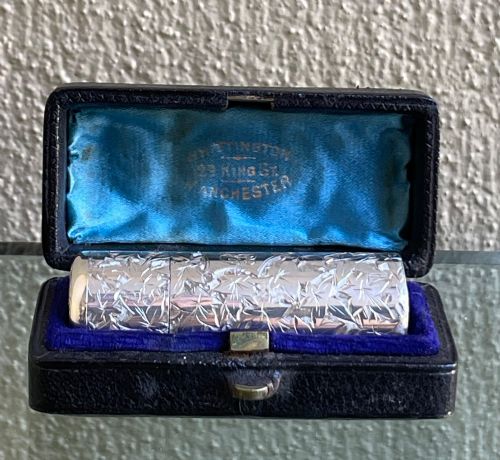
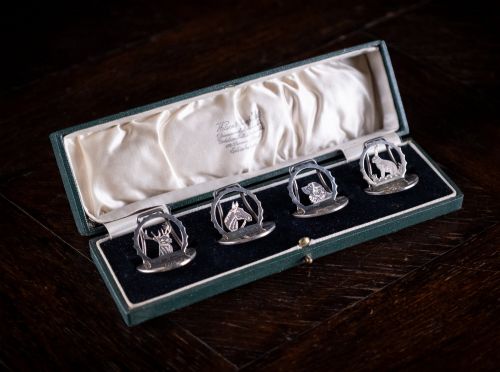
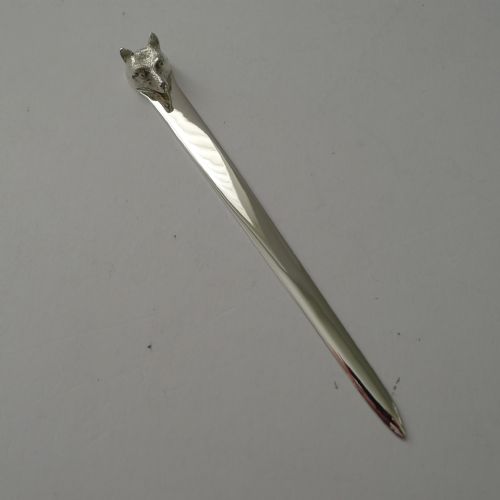
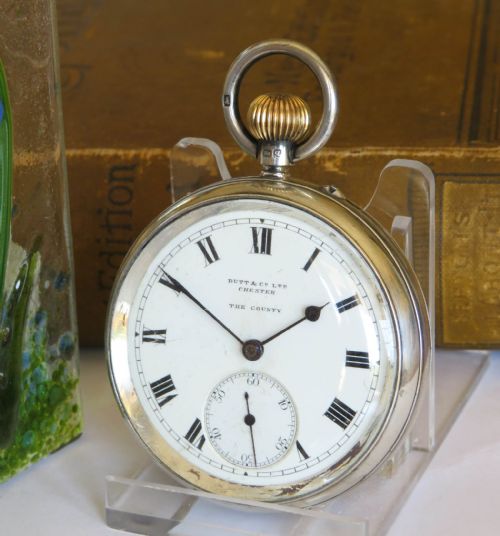
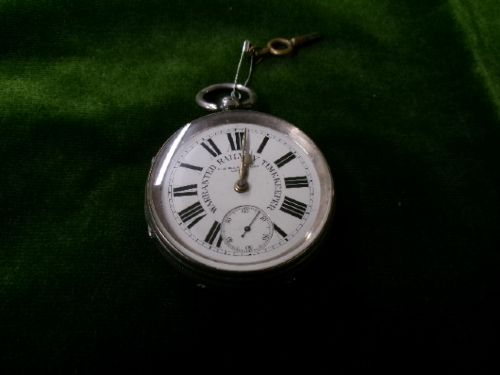
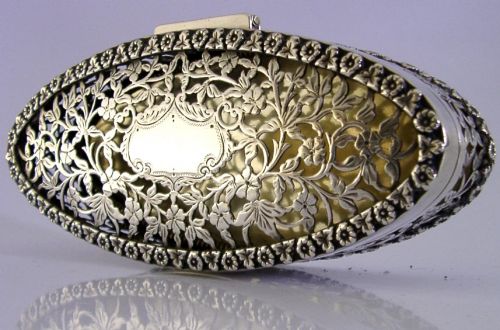
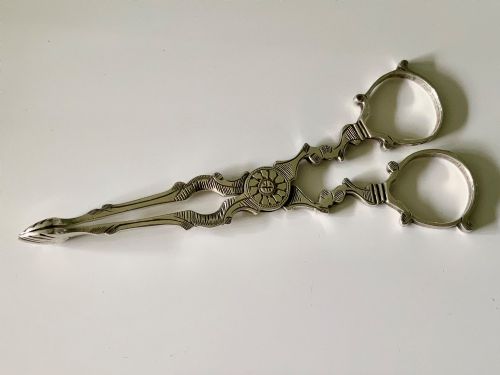
Buyers regularly encounter smaller functional objects rather than large hollowware pieces. Common survivors on this page include vesta cases, pocket watches, pill boxes, napkin rings, mustard pots, and novelty desk seals, alongside personal items like chatelaine purses and bookmark page markers.
The city of Chester held a functioning assay office until nineteen twenty-one, meaning genuine regional pieces carry the three sheaves and sword town mark alongside the standard sterling lion passant and date letters.
What Varies in Quality
The standard of Chester sterling silver is largely distinguished by the crispness of the maker's mark and the clarity of the town assay stamp alongside the date letter. Crisp, deep stamping ensures that figural details on novelty items and intricate scrollwork on card cases remain distinct after decades of handling.
Weight and structural integrity also separate finer examples from lighter mass-produced wares. Pieces retaining original fitted leather cases, intact glass inserts, or unblemished enamel work demonstrate superior preservation and craftsmanship.
Sampson Mordan delighted Victorian desks with silver hatching chick wax seals and whimsical bird pin cushions.
Nathan And Hayes·Sampson Mordan·Alfred Marston·Horton And Allday·A Wilcox·Asprey·Lowe And Sone·William Neale·Robert Cawley·Walter And George Myers·Charles Horner·Albert Ernest Jenkins
The Chester Sterling Silver Glossary
- Assay Office
- The official body responsible for testing the purity of precious metals and stamping them with a series of hallmarks. The Chester office utilised the mark of three sheaves of wheat and a sword.
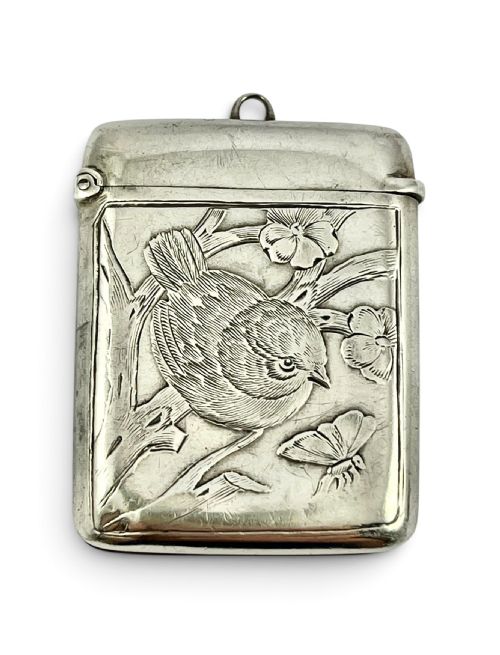
- Vesta Case
- A small pocket-sized container designed to hold matches, typically fitted with a striking strip on the base. Victorian and Edwardian examples often featured engraved scrollwork or enamel portraits.
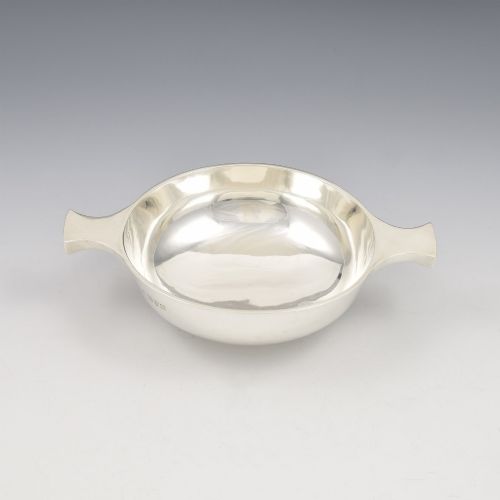
- Quaich
- A traditional two-handled drinking vessel originating in Scotland. Edwardian iterations in sterling silver were occasionally produced by regional silversmiths.
- Pin Cushion
- A small novelty or figural silver mount holding a fabric pad for sewing pins. Makers such as Sampson Mordan produced popular versions shaped as chicks and animals.
- Jabot Pin
- A decorative ornamental pin used to fasten a jabot or lace ruffle on women's clothing. Charles Horner frequently produced these in silver and enamel.
Chester Sterling Silver: Frequently Asked Questions
How do I read Chester hallmarks?
Chester sterling silver is identified by the town mark of three wheatsheaves and a sword. This stamp appears alongside the lion passant for sterling standard, a maker's mark, and a specific date letter.
Because the Chester office closed in nineteen twenty-one, genuine regional pieces will feature date letters corresponding to active years before that closure.
What were vesta cases used for?
Vesta cases were carried in pockets or attached to chatelaines to hold safety matches before the widespread adoption of lighters. They kept matches dry and featured a corrugated striking surface on the bottom.
Collectors prize them for their variety of shapes, engravings, and occasional enamel decorations.
How should I clean antique silver?
Antique silver benefits from gentle cleaning with a soft microfiber cloth and a mild, non-abrasive silver polish when tarnish becomes heavy. Avoid aggressive scrubbing on engraved lines, embossed details, or applied enamel panels.
Leaving a light patina is often preferred by collectors, as it highlights the age and depth of the piece's ornamentation.
Are Charles Horner pieces different?
Charles Horner operated a prominent manufacturing business in Halifax and registered many designs that were subsequently sent to the Chester assay office for hallmarking. His output is particularly known for distinctive thimbles, hatpins, and art nouveau bookmarks.
These items are readily identified by his distinctive monogram maker's mark stamped into the silver.