



Cherub Carved Table
These cherub carved table pieces combine sculptural wood and marble with elaborate continental revival styles, offering a striking centrepiece for a traditional interior.
Cherub Carved Table
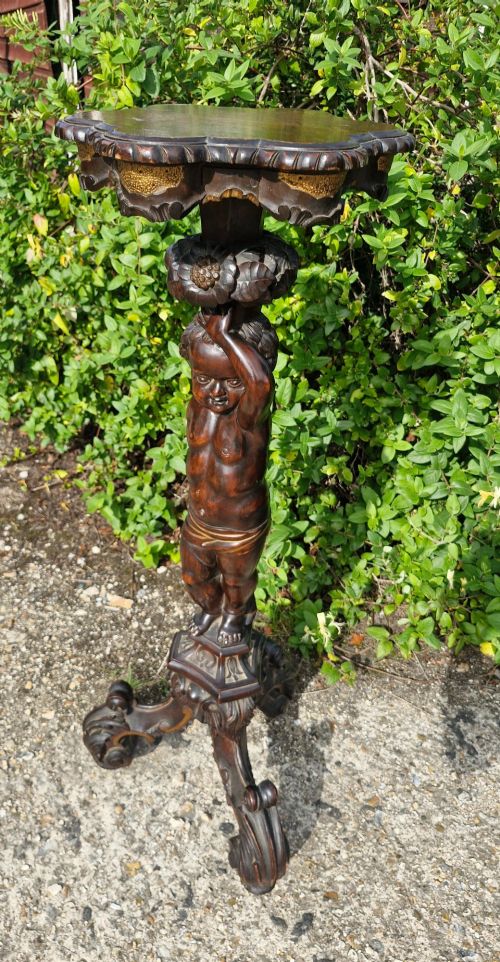
A cherub carved table brings together heavy wooden construction and figurative carving, often depicting putti supporting marble or wood tops. You will frequently encounter nineteenth-century giltwood and oak examples on this page, drawing on baroque and rococo revival traditions.
The objects span console tables, library tables, and centre tables, alongside related table lamps and desk forms. These pieces originated across continental workshops and British makers, utilising centuries-old woodworking and carving techniques.
Materials and construction
Carved wood forms the backbone of these pieces, utilising oak, giltwood, and various solid timbers shaped with chisels and gouges. Artisans applied gesso and paint or leaf gilding to create rich surface textures upon the timber.
Marble tops frequently feature on console and library tables, resting directly upon the carved wooden figures and structural frames. Metal components, ormolu, and plaster also appear in auxiliary lighting and clock bases across the selection.
Cherub Carved Table Retail Price Guide 2026
Typical asking prices for cherub carved table among the pieces listed under this phrase on Sellingantiques today, from the lower quarter to the upper quarter. They describe what is for sale here now, not the wider market.
Some cherubs appear positively overworked, straining under the sheer weight of marble slabs with expressions of comical distress.
What separates the finest examples
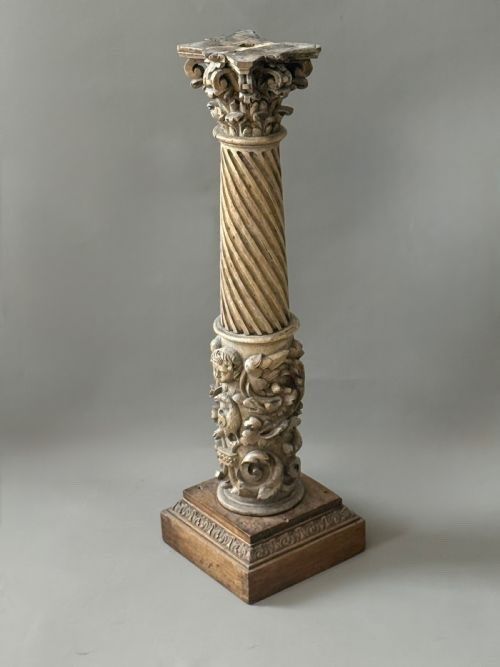
Depth and crispness of the carving dictate the visual impact, where deep undercut figures show superior hand dexterity compared to shallow moulded decoration. The anatomical precision of the cherubs and the integration of the figurative supports into the structural frame reveal the maker's skill.
Material selection and surface preservation further define the tier of a piece, with original giltwood finishes and intact marble tops commanding greater authority. The harmony between the functional table surface and the sculptural base separates standard production from ambitious studio work.
Angiolo Barbetti Firenze
The Cherub Carved Table Glossary
- Putto
- A plump, naked male child figure frequently depicted in classical and baroque art, often winged and synonymous with cherubs on these tables. These figures act as structural supports or decorative motifs.
- Giltwood
- Timber that has been coated with a thin layer of gold leaf or powder over a prepared gesso ground. This technique creates a luminous, reflective surface common in continental baroque furniture.
- Gesso
- A plaster mix applied to wood surfaces as a smooth base for gilding or painting. It allows fine details to be modelled before the final metallic application.
- Console table
- A table designed to be fixed against a wall, frequently supported by decorative brackets or sculptural figures like putti rather than four independent legs. They often carry heavy marble slabs.
- Ormolu
- Gilded bronze ornamentation applied to furniture and clocks, popular in French decorative arts. It provides contrasting metallic highlights against wood and stone.
Cherub Carved Table: Frequently Asked Questions
Where should I place a cherub carved table?
These tables suit hallways, drawing rooms, or principal living spaces where their sculptural bases can be viewed from multiple angles. Console versions work best positioned against a flat wall, while library or centre tables require placement in open floor space.
Pairing them with neutral backgrounds allows the carved timber and gilt details to stand out without competing with surrounding furnishings. Ensure the floor is level, particularly when placing pieces with heavy marble tops.
What styles are common in these tables?
Rococo revival and continental baroque dominate the aesthetic, featuring asymmetrical scrollwork, floral motifs, and dramatic figurative carving. These nineteenth-century revivals draw heavily on seventeenth and eighteenth-century design vocabulary.
Italian and French workshops contributed significantly to this design tradition, prioritising theatrical presence and ornate surface decoration. Grotto styles and classical revival motifs also appear frequently across the archived and current listings.
How do I distinguish nineteenth-century pieces?
Nineteenth-century revival pieces often display machine-assisted preparation beneath hand-finished carving, alongside tool marks consistent with Victorian or continental workshop production. Examination of the timber joints, fixings, and underside construction helps clarify the date.
Compare the patination of the wood and wear patterns on the feet and high points with documented period examples. Secondary woods and modern hardware indicate later alterations or reproductions.