
Chateau Style Wall Mirror
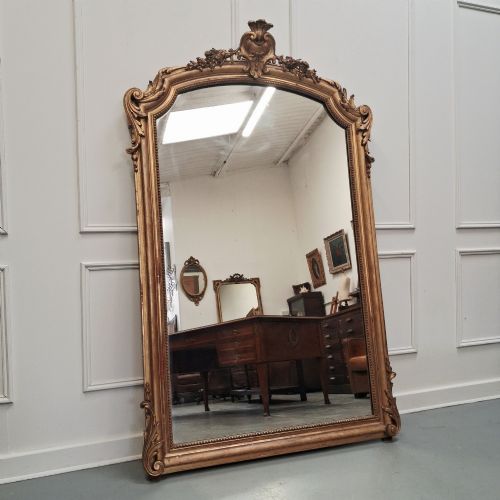
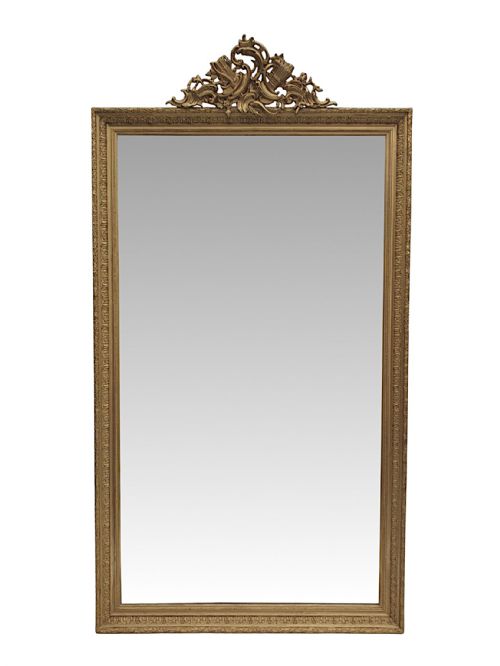
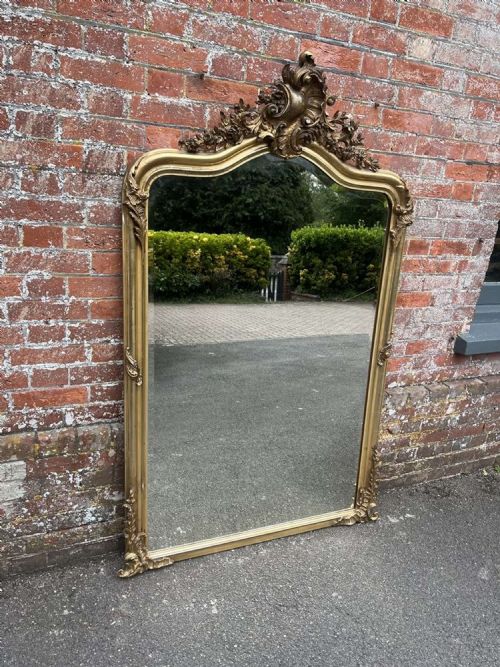
A chateau style wall mirror brings grand French architectural scale and ornate decorative framing into an interior.
Chateau Style Wall Mirror
When you search for a chateau style wall mirror, you encounter large, decorative looking-glasses rooted in French design traditions. The pieces appearing here span from the eighteenth century through to the early twentieth century, encompassing Victorian interpretations and continental European works.
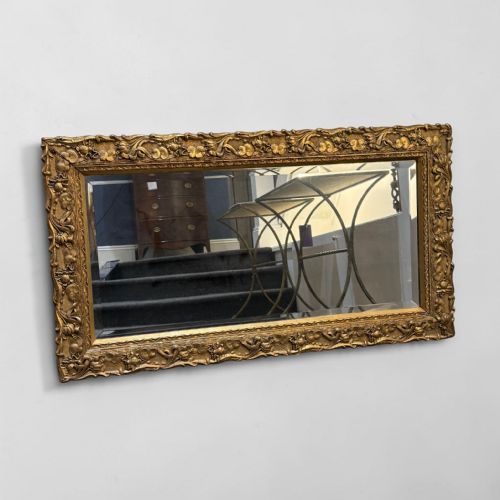
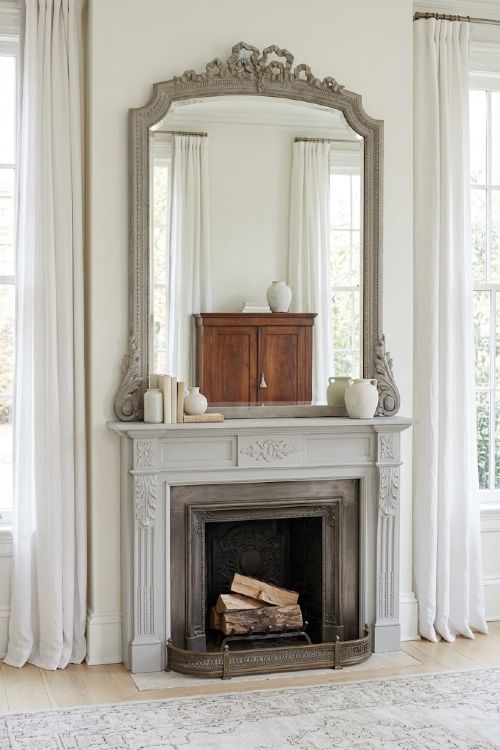
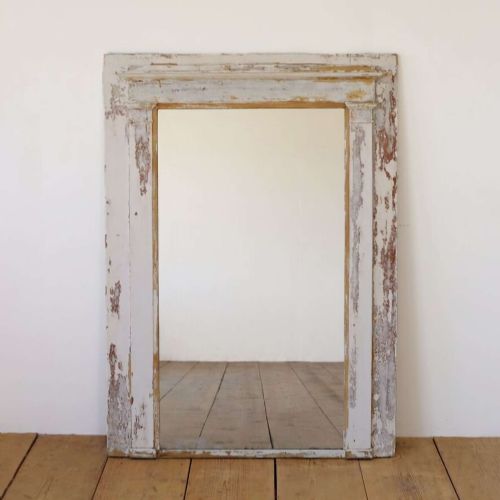
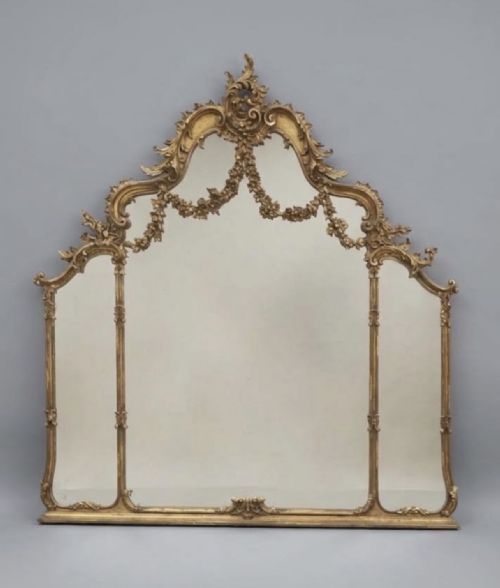
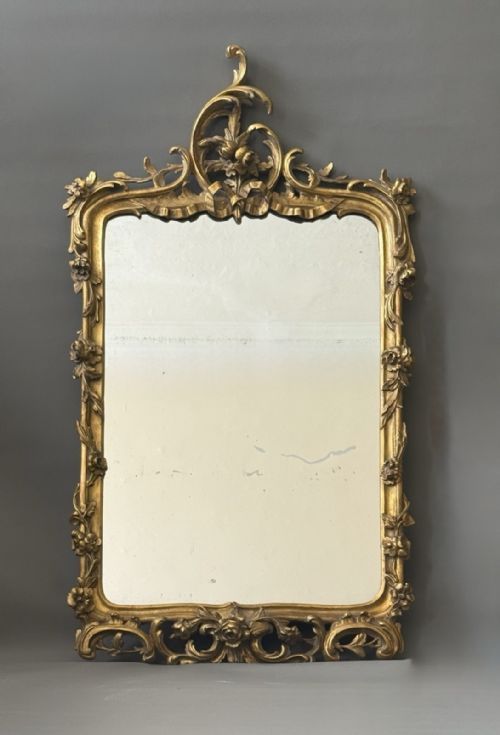
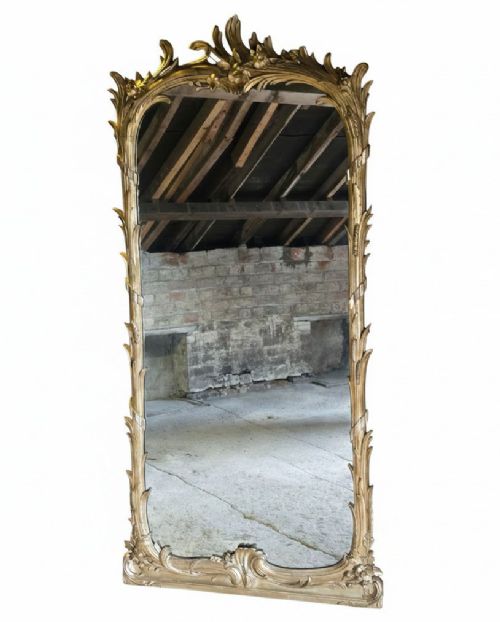
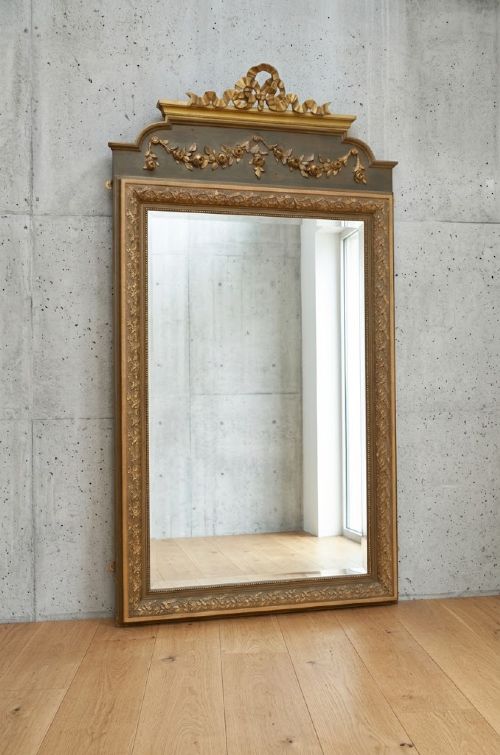
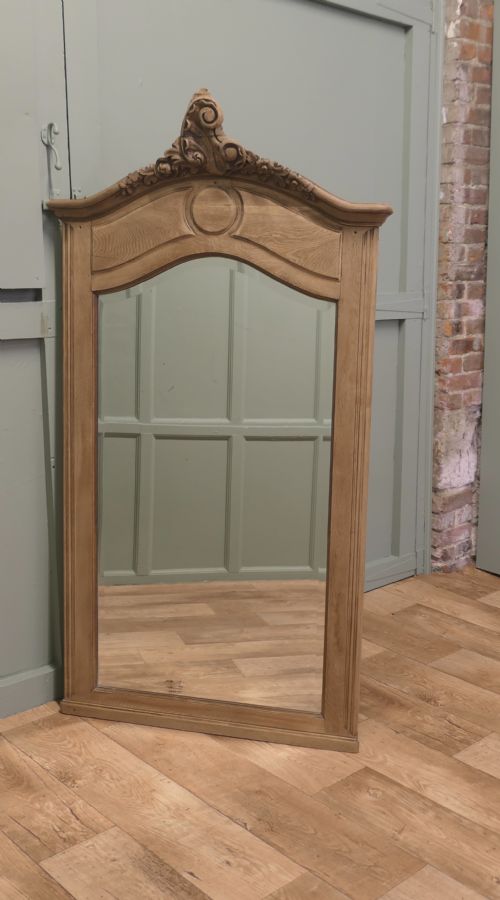
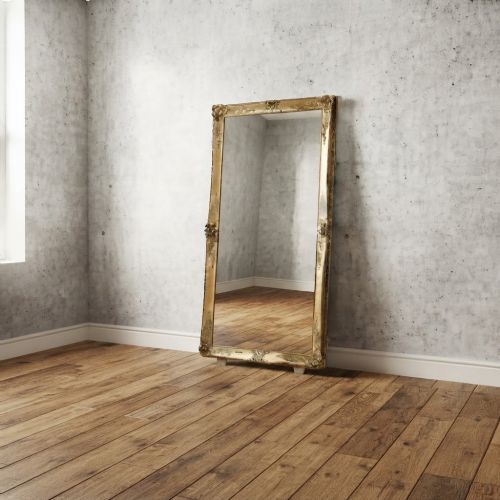
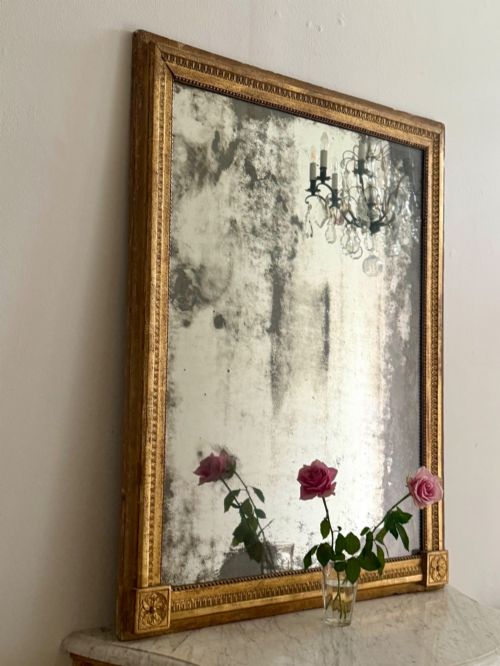
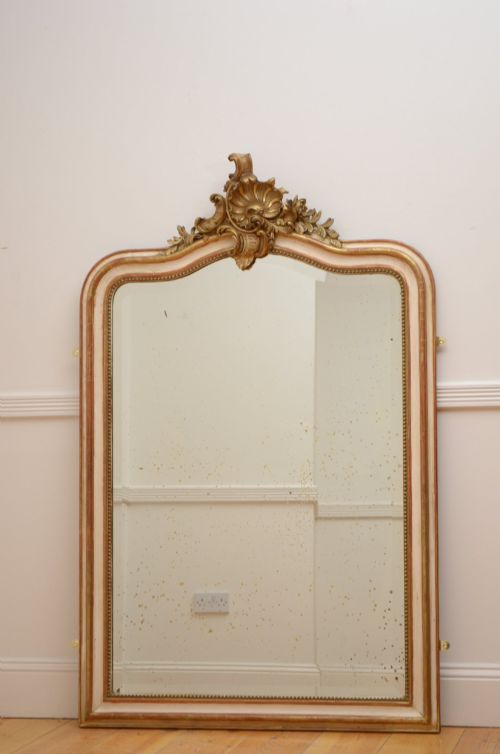
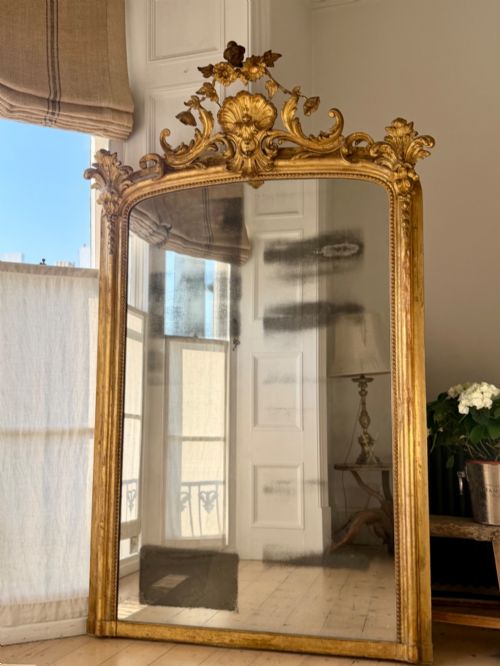
The most common formats on this page are substantial giltwood overmantel mirrors and tall leaner mirrors. Many incorporate classical motifs, arched tops, or carved crests reflecting French Rococo and Neoclassical influences.
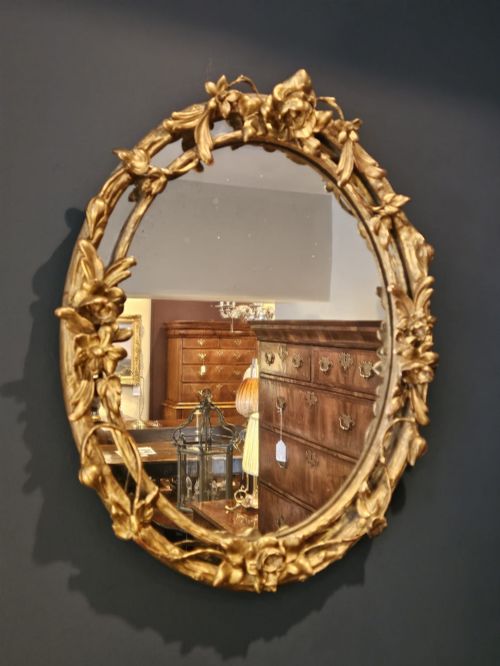
The selection ranges from grand salon pieces down to smaller decorative wall mirrors. Origins trace primarily to French workshops and nineteenth-century revival periods utilising traditional timber frames.
How they were made
Frames are constructed from timber, predominantly wood, carved directly or layered with gesso to receive intricate ornamentation. Artisans applied gold leaf, parcel gilt, or silver gilt finishes to achieve the reflective metallic surfaces characteristic of the style.
Glass plates vary by period, with older examples frequently retaining original mercury glass displaying foxing. Contemporary restoration or replacement plates appear alongside antique glass depending on the age of the specific piece.
Watch out for olive green frames hiding beneath layers of nineteenth-century gold leaf.
What varies in quality
The depth and crispness of the hand-carved gesso and wood ornamentation dictate the visual impact of the frame. Superior examples demonstrate finely rendered acanthus leaves, scrollwork, and crests without loss of definition.
The condition of the original gilding and the preservation of antique mirror plates contribute significantly to the character and authenticity of each piece.
The Chateau Style Wall Mirror Glossary
- Giltwood
- Timber coated with gold leaf or gold paint. This technique gives frames a rich metallic appearance while maintaining a wooden core.
- Gesso
- A plaster-like mixture applied to wood frames and carved. It provides a smooth surface for subsequent gilding and intricate detailing.
- Overmantel mirror
- A large glass designed to hang above a fireplace mantel. These pieces often feature horizontal proportions or arched tops suited to architectural settings.
- Foxing
- Age-related spots and discoloration within the mirror plate. This chemical breakdown of the silvering creates a mottled, atmospheric reflection.
- Rococo Revival
- A nineteenth-century design movement mimicking eighteenth-century French styles. It relies on asymmetrical scrollwork, floral motifs, and organic curves.
Chateau Style Wall Mirror: Frequently Asked Questions
Where should I hang a large overmantel mirror?
These mirrors traditionally sit above a fireplace mantel to reflect light and anchor the room's proportions. They also function effectively as leaner mirrors placed directly on the floor against a wall.
Ensure the wall construction and fixings can support the substantial weight of carved wood and glass frames.
How do I identify original mercury glass?
Original mercury glass displays characteristic dark spots, cloudiness, and uneven reflection known as foxing. The backing exhibits a deeper, more atmospheric depth compared to modern silvered glass.
Many period pieces retain these authentic plates, contributing to their historical character.
How do I clean an antique gilt frame?
Dust the carved ornamentation gently using a soft, dry brush to prevent dislodging delicate gesso or gold leaf. Avoid liquid cleaners, moisture, and abrasive cloths entirely.
Professional restoration is recommended if the gilt surface shows active flaking or structural instability.