
Chased Sterling Silver
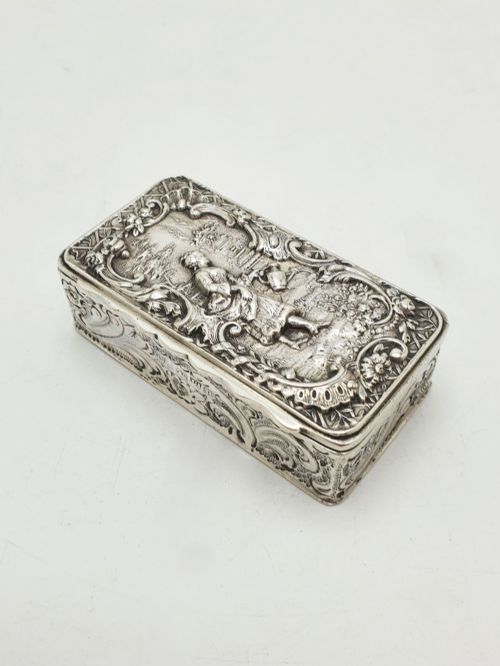
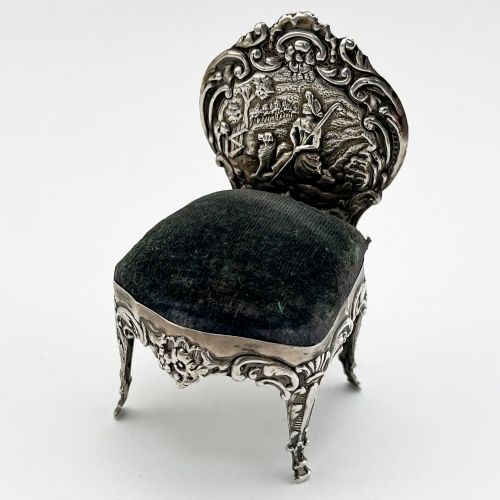
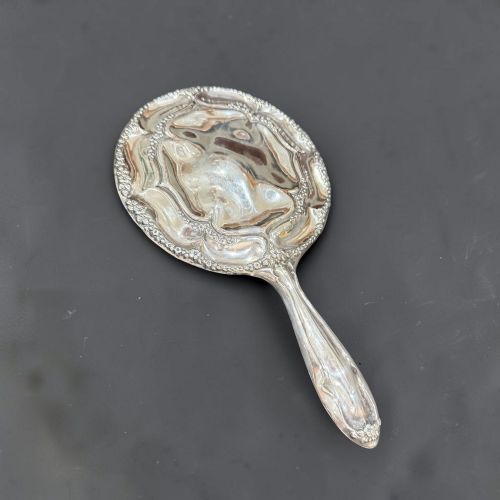
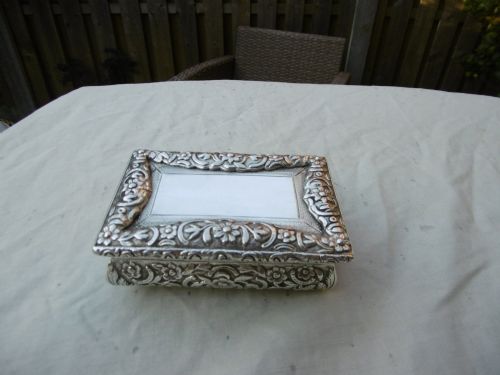
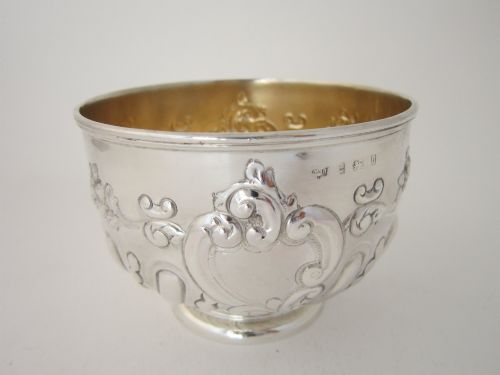
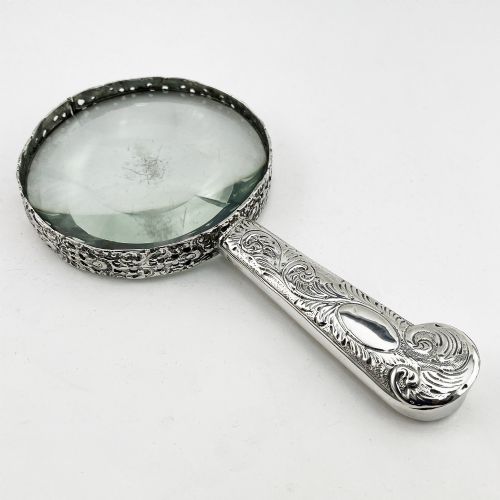
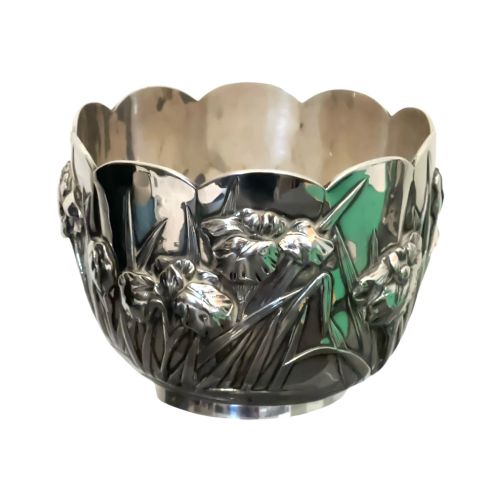
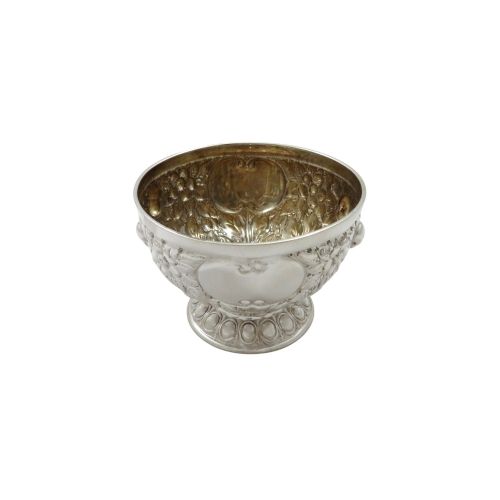
These pieces of chased sterling silver bring tactile depth and ornament to everyday objects through hammered surface detail.
Chased Sterling Silver
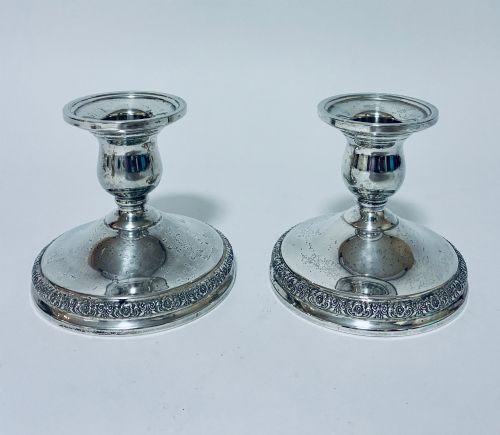
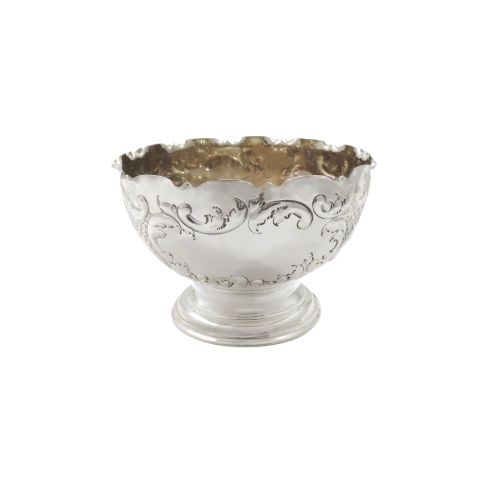
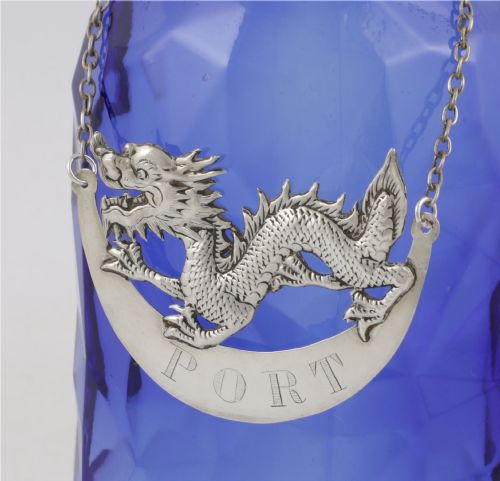
When you search for chased sterling silver, you encounter functional and decorative items shaped from precious metal across multiple eras. The selection spans Georgian, Victorian, and Edwardian periods alongside Chinese Export, Anglo-Indian, and Japanese Meiji origins.
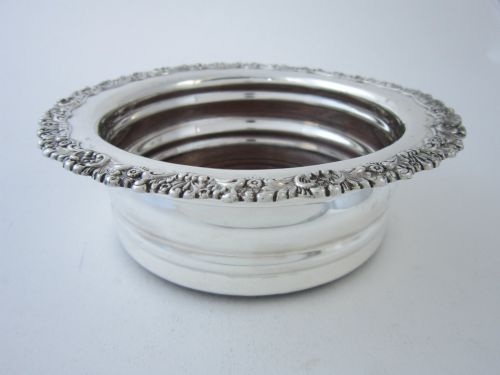
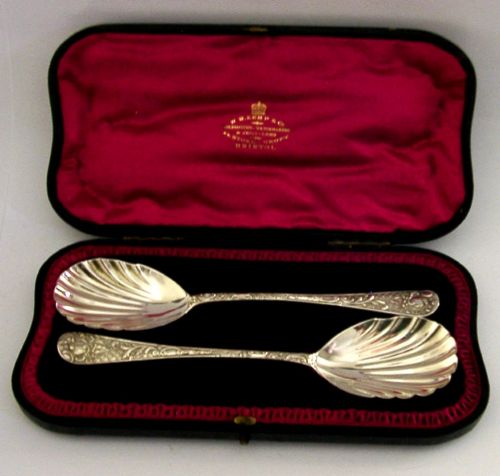
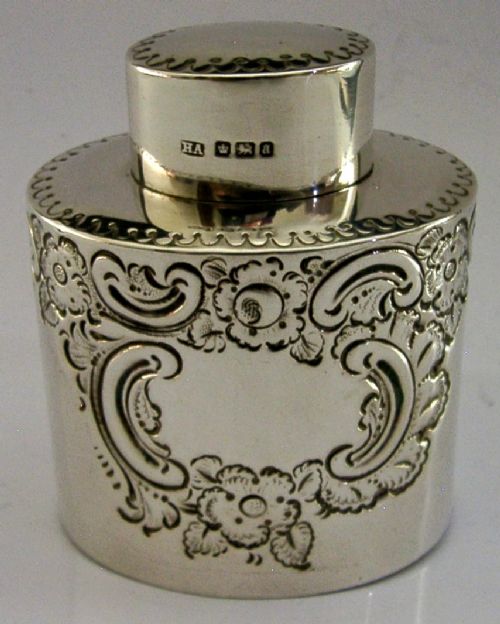
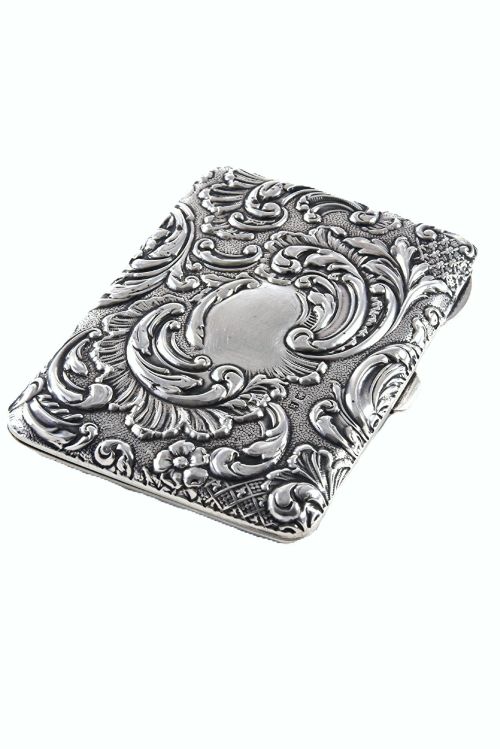
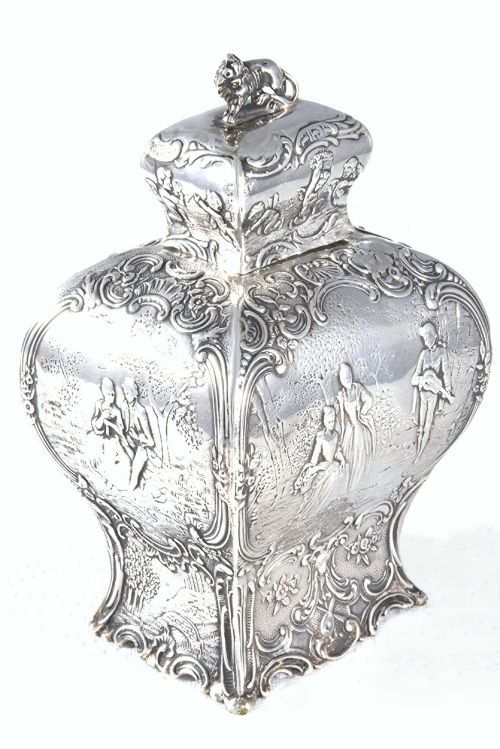
The objects take diverse forms ranging from tea caddies, snuff boxes, and wine coasters to serving spoons, bowls, and chalices. Victorian examples frequently appear alongside Edwardian boxes and Georgian salvers.
How they were made
Silversmiths utilised solid sterling silver, occasionally combined with silver gilt, glass, wood, velvet, and silk. Techniques involved forming the base metal object before applying surface ornamentation by hand.
Makers used punch tools and hammers from the reverse and front to push the metal into raised foliate, floral, or pictorial relief without piercing the surface.
Listings feature items spanning the 18th, 19th, and 20th centuries, created in England, Birmingham, Sheffield, London, and international workshops.
What varies in quality
The depth, crispness, and control of the chased surface work separate simpler items from finer examples. Sharpness in floral and foliate motifs indicates skilled handwork rather than shallow mechanical pressing.
Weight, gauge of the silver, and the harmony of the proportions dictate the standing of a piece. Substantial metal thickness in bowls, tankards, and boxes provides structural integrity alongside detailed decoration.
Thomas Hayes·S.C. Younge & Co.·Barnards·Joseph Willmore·Robert Pringle & Sons·Martin Hall & Co
The Chased Sterling Silver Glossary
- Chasing
- The art of ornamenting metal by hammering or punching the front surface to sink the design into relief. This technique displaces the metal rather than removing it.
- Repoussé
- A method of working metal from the reverse side using punches to push the design outward. It frequently pairs with chasing for deep relief.
- Sterling silver
- An alloy consisting of 92.5 percent silver and 7.5 percent other metals, usually copper, ensuring durability for functional items.
- Salver
- A metal tray used for serving food or drinks, or for presenting items. Georgian and Victorian examples often feature chased borders.
- Tazza
- An ornate shallow bowl or cup mounted on a stem and foot. They serve decorative display purposes on tables and sideboards.
Chased Sterling Silver: Frequently Asked Questions
What is chased silver?
Chased silver is metal decorated by hammering punches into the surface to create raised patterns, scrolls, or pictorial scenes. The metal is pushed into relief rather than cut away.
This technique adds texture and catchlights to items like tea caddies, bowls, and boxes, transforming smooth surfaces into tactile works of art.
How do I clean chased silver?
Clean chased silver gently with a soft cloth and a reputable silver polish that does not contain harsh abrasives. Avoid rubbing too hard on raised high points to preserve the aged patina.
Wash the piece in warm soapy water afterwards and dry thoroughly with a lint-free cloth to prevent residue buildup in the recessed areas.
How do I date silver pieces?
Dating silver relies heavily on hallmarks stamped directly onto the metal, which indicate the assay office, the maker, and the exact year of production. Stylistic clues like Victorian foliate chasing or Georgian forms also help narrow down the period.
Examining the construction methods, such as hand-hammered seams versus machine-rolled sheets, provides further context for the age of the item.
Can I use these items daily?
Many items like tea caddies, coasters, and small dishes were made for active household use and remain robust enough for careful modern living. Sterling silver is durable, though thin antique examples require gentle handling.
Displaying and using these objects connects you directly to their original domestic purpose while keeping the metal bright through regular gentle contact.