



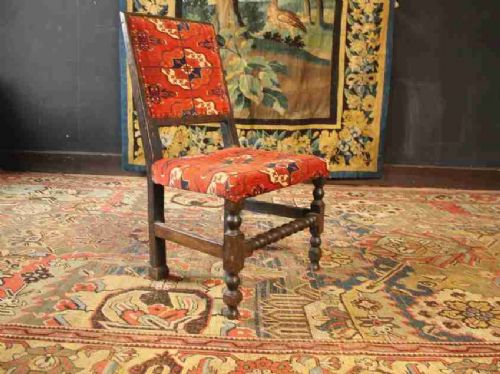
Charles II Carved Chairs
Charles ii carved chairs combine robust timber frames with deeply carved ornamentation, offering authentic seventeenth-century presence for daily use.
Charles II Carved Chairs
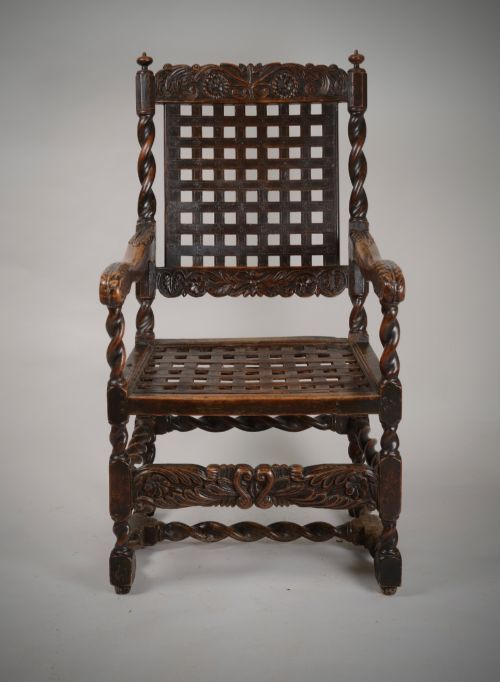
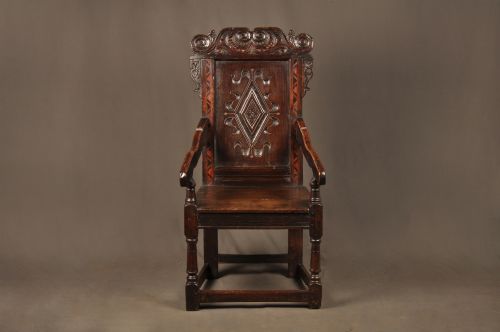
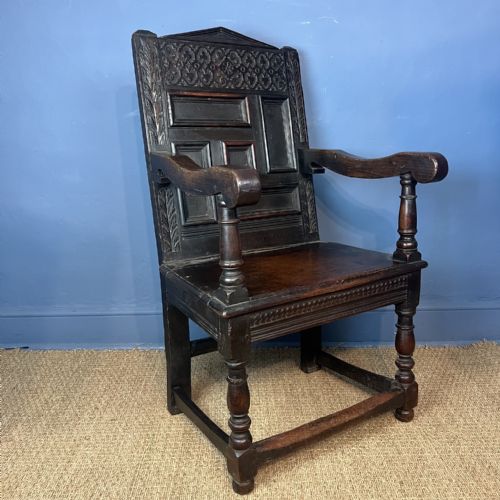
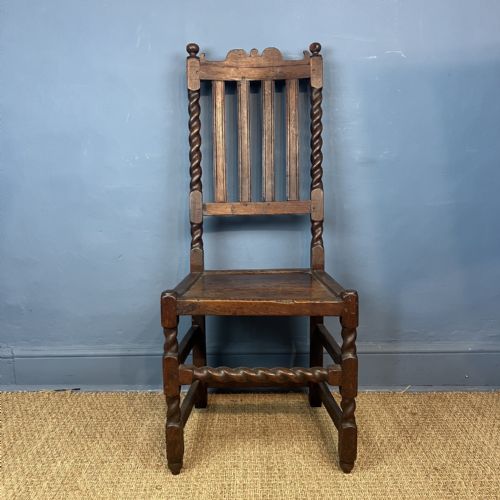
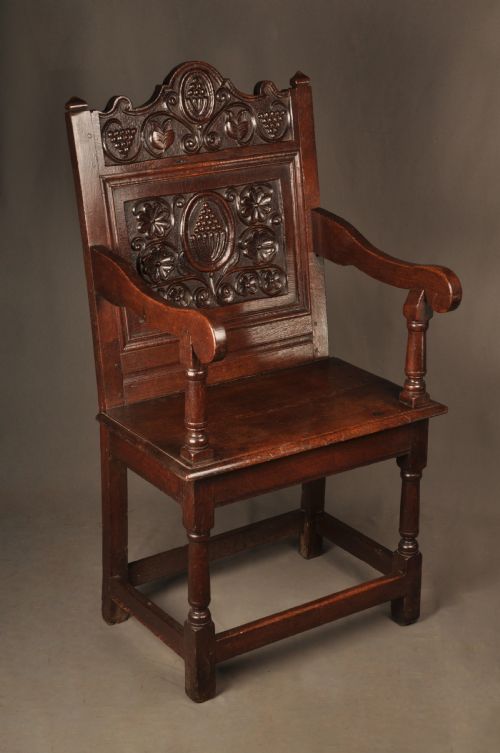
When you search for charles ii carved chairs, you encounter seating forms spanning armchairs, side chairs, and backstools produced in English, Welsh, and regional workshops. These pieces range from authentic seventeenth-century examples originating around sixteen-sixty to sixteen-ninety up to nineteenth-century Carolean style revivals.
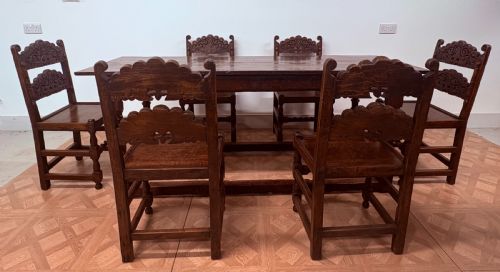
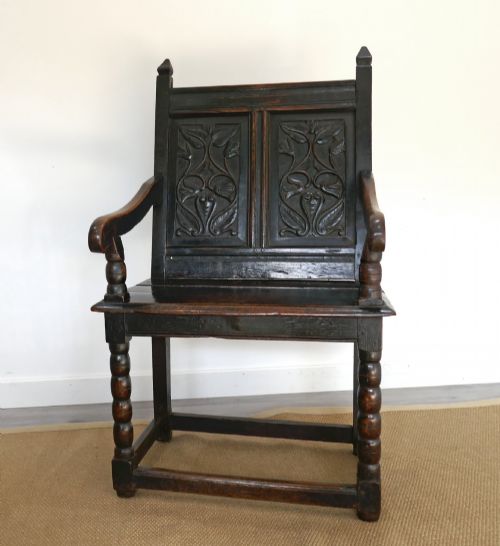
The construction typically involves regional formats such as Yorkshire, Derbyshire, Lancashire, and West Country variants, alongside wainscot forms and caned walnut designs. Dining sets and pairs also appear across the selection alongside individual hall chairs and dining tables from the period.
How they were made
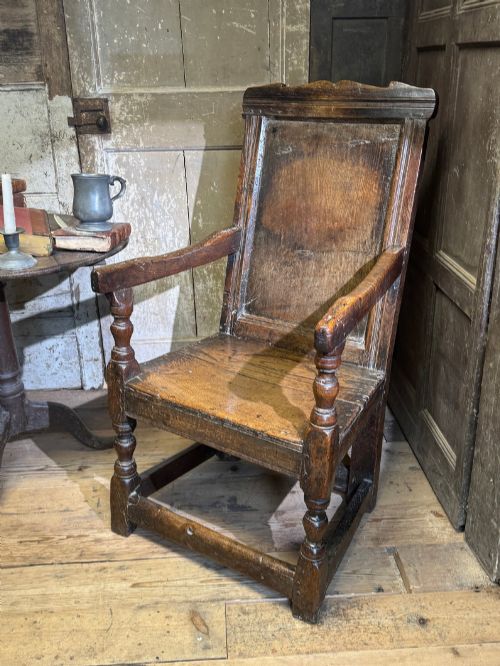
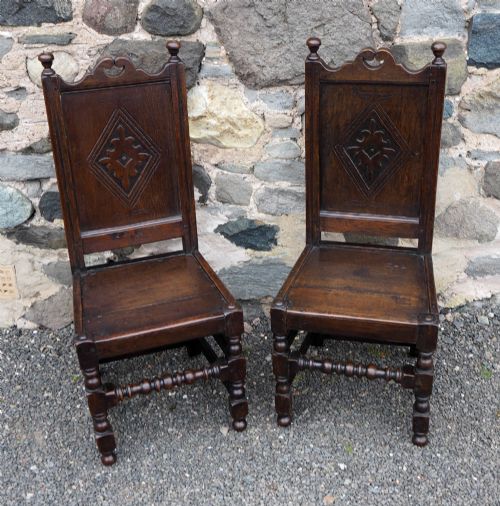
The primary timbers utilised are oak and walnut, joined using traditional methods suited to heavy regional furniture production. Frames incorporate solid construction techniques with turned wooden supports, stretchers, and panel backs.
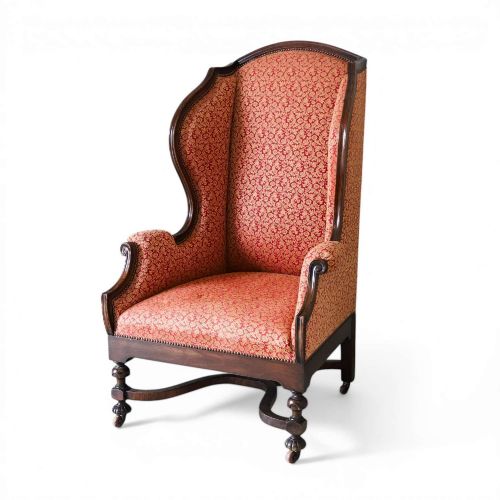
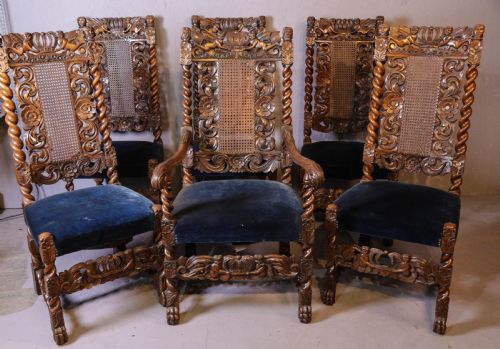
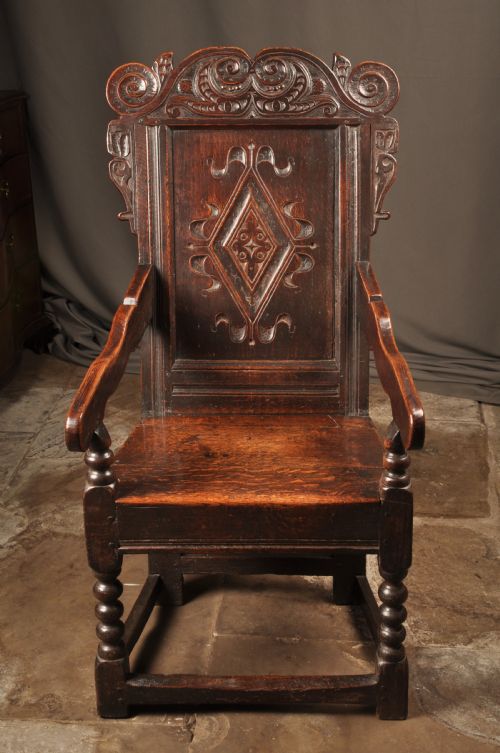
Surface ornamentation relies on deep hand-carving applied directly to the timber framework, alongside cane inserts for seating panels and upholstered elements featuring damask and velvet fabrics secured with brass detailing.
Several chairs recorded in the archives survived centuries of dining before finding their way onto modern marketplace displays.
What varies in quality
Quality separates along the crispness and depth of the hand-carved ornamentation on the crest rails and splats, distinguishing master regional work from simpler vernacular output. The integrity of the original timber frame, the survival of early cane work, and the weight of the walnut or oak stock dictate the standing of individual examples.
The distinction between seventeenth-century originals and nineteenth-century revival interpretations involves assessing the patina of the wood, the wear patterns on contact points, and the authenticity of regional joinery methods.
The Charles II Carved Chairs Glossary
- Wainscot chair
- An early wooden armchair constructed with a solid panelled back and box-like wooden seat, prevalent in seventeenth-century English households. These heavy seats often display regional carving variations.
- Backstool
- A term used for an upholstered or panelled side chair without arms, common in seventeenth-century domestic settings. They provide compact seating while matching larger armchairs in a room.
- Carolean
- The style associated with the reign of Charles the Second, marked by rich carving, scrollwork, and luxurious upholstery materials. Revival versions appeared in nineteenth-century interiors.
- Cane
- Split rattan woven into an open mesh pattern to form seats and back panels on late seventeenth-century walnut chairs. This technique offers lightweight flexibility within a sturdy wooden frame.
- Stretcher
- The horizontal wooden member connecting the legs of a chair to provide structural rigidity. In seventeenth-century seating, these are frequently turned or carved.
Charles II Carved Chairs: Frequently Asked Questions
How do I identify a seventeenth-century original?
Examine the timber for authentic surface patination, tool marks from hand-working, and period joinery methods such as pegged mortise and tenon joints.
Compare the style of the carving and turning against known regional examples from areas like Yorkshire, Lancashire, or Wales.
What is the difference between a backstool and a side chair?
A backstool is a seventeenth-century term for an upholstered or panelled single chair designed to match an armchair.
They function identically to standard side chairs but carry the specific nomenclature of the period.
Where were these chairs made?
Production occurred across various English and Welsh regions, with distinct local characteristics emerging from Yorkshire, Derbyshire, Lancashire, and the Conwy Valley.
Makers utilised local timbers like native oak and imported walnut depending on the commission and workshop location.
How should I care for caned seating?
Maintain cane panels by keeping them clean and lightly hydrated with a damp sponge to prevent the rattan from becoming brittle.
Avoid placing these chairs near direct heat sources or in overly dry environments that stress the woven natural fibres.