





Ceylonese Ebony Carving
Ceylonese ebony carving brings dense tropical dark woods and intricate colonial craftsmanship into British interiors.
Ceylonese Ebony Carving
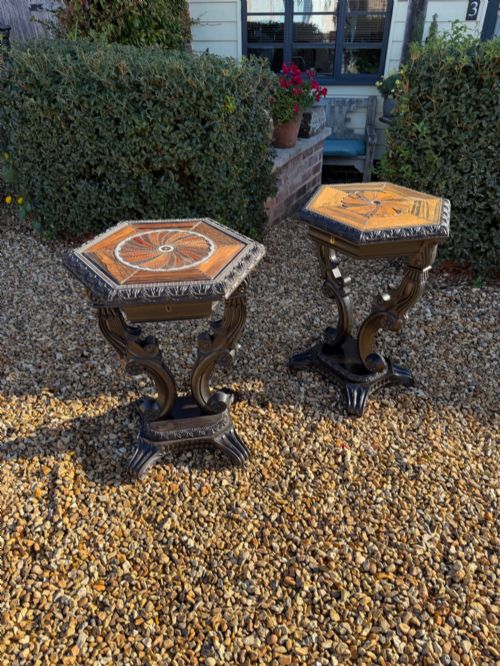
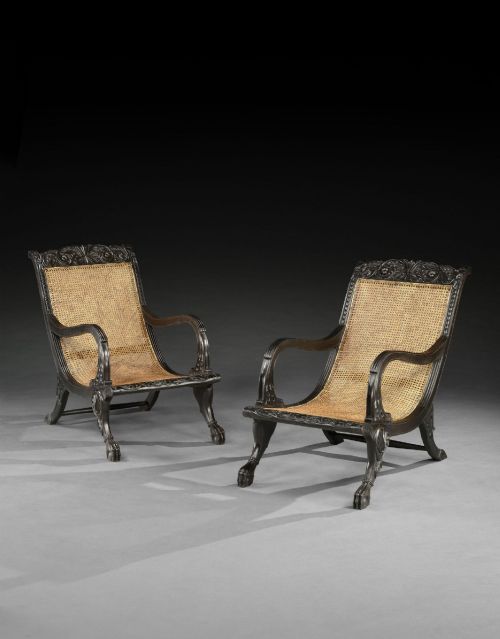
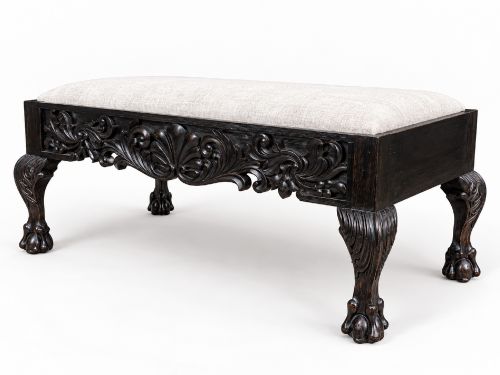
When you search for ceylonese ebony carving, you encounter a range of nineteenth-century decorative and functional objects originating from colonial Ceylon. These pieces span seating, occasional tables, storage chests, and sculptural animal figures.
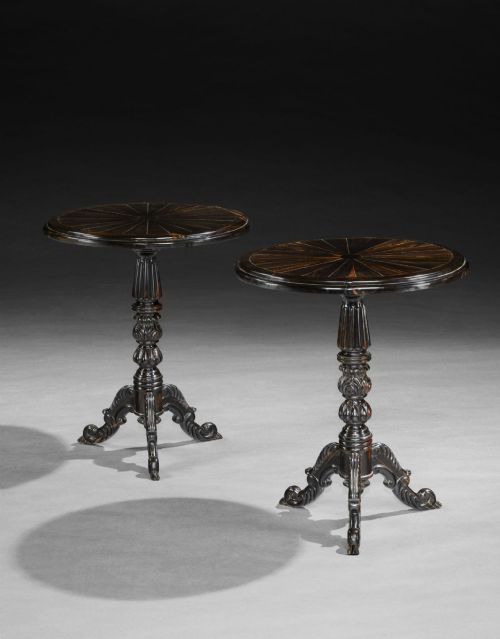
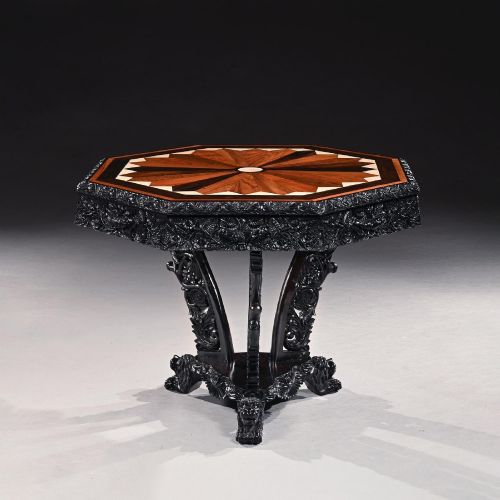
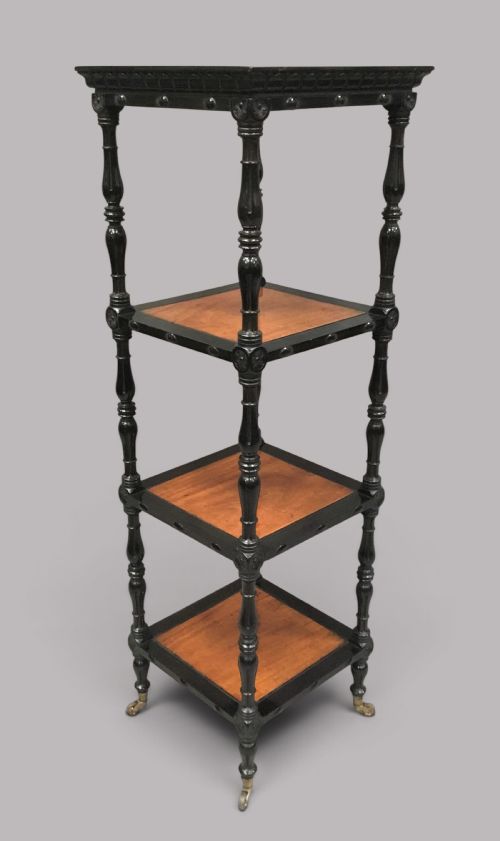
You are most likely to meet nineteenth-century examples on this page, including centre tables, armchairs, writing boxes, and occasional pieces. Many incorporate contrasting specimen woods alongside the primary dark timber.
The objects reflect the intersection of traditional local woodworking skills with British colonial domestic requirements. They range from small desktop boxes to substantial seating and tripod tables.
How they were made
Craftsmen utilised dense dark hardwoods such as ebony, complemented by contrasting secondary timbers like satinwood, calamander, and camphor wood. These materials were shaped using detailed hand carving techniques.
Many items incorporate delicate decorative elements including bone, brass, or cane work. Structural joins rely on traditional cabinetmaking methods adapted to tropical timbers.
Ceylonese Ebony Carving Retail Price Guide 2026
Typical asking prices for ceylonese ebony carving among the pieces listed under this phrase on Sellingantiques today, from the lower quarter to the upper quarter. They describe what is for sale here now, not the wider market.
Several Victorian boxes incorporate porcupine quills arranged in intricate geometric patterns as a decorative surface finish.
What varies in quality
The standard of execution in the carving separates standard production from finer workshop output. Crispness of detail in foliage and animal figures indicates the skill of the carver.
The selection and integration of contrasting specimen woods affect the visual harmony of the piece. Superior examples display thoughtful timber matching and solid construction throughout.
The Ceylonese Ebony Carving Glossary
- Ebony
- A dense, heavy dark hardwood prized for its deep colour and fine grain. It forms the primary structural and visual medium for these carvings.
- Satinwood
- A light-coloured exotic timber used alongside ebony to create contrasting borders and highlights. It provides a striking visual balance to the dark ground.
- Anglo-Indian
- A descriptive term for decorative arts produced in British India and Ceylon during the colonial period. It combines European furniture forms with local carving traditions.
- Porcupine quill
- A decorative technique utilising porcupine quills arranged in geometric patterns, commonly found on nineteenth-century boxes and small storage pieces.
Ceylonese Ebony Carving: Frequently Asked Questions
What are ceylonese ebony carvings?
They are nineteenth-century wooden objects, furniture, and sculptures produced in colonial Ceylon, combining dense tropical timbers with intricate hand carving.
These pieces reflect the distinct aesthetic exchange between British domestic tastes and local craftsmanship during the Victorian era.
How were these carved items used?
Many served practical functions in colonial and British homes as writing desks, storage trunks, occasional tables, and seating.
Others functioned purely as decorative sculptures, bookends, and desktop boxes designed to display exotic materials.
How do I care for ebony furniture?
Keep the wood away from direct sunlight and sudden temperature changes to prevent splitting in the dense tropical timber.
Apply a minimal amount of neutral wax occasionally to nourish the surface without building up residue on the dark grain.
How are different periods identified?
Dating relies on construction methods, hardware types, and stylistic indicators such as Anglo-Regency or Victorian proportions.
Nineteenth-century examples often exhibit hand-cut joinery and specific combinations of exotic specimen woods characteristic of the era.