



Ceramic Two Handle Vase
These ceramic two handle vase pieces span delicate nineteenth-century porcelain and robust earthenware, offering balanced forms created for display and service.
Ceramic Two Handle Vase
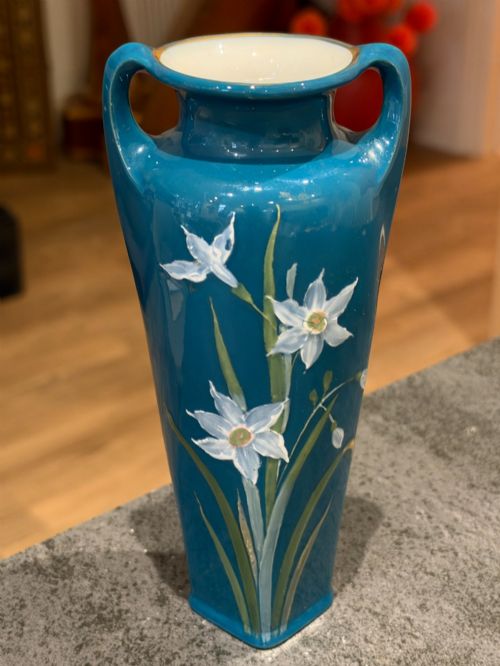
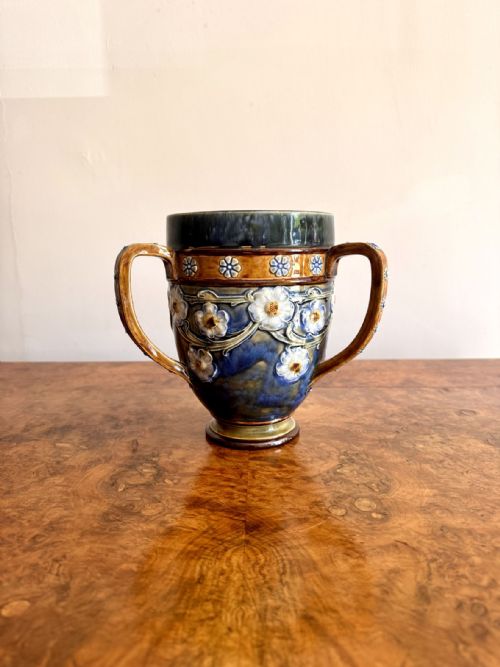
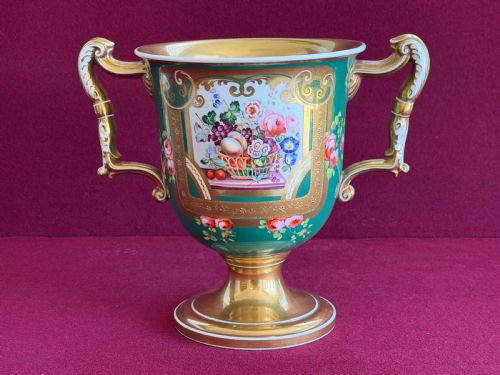
A ceramic two handle vase takes many forms, appearing as twin-handled vessels, loving cups, and decorative urns across the inventory. The pieces date from the eighteenth century through to the Edwardian period, encompassing European factories and Japanese workshops.
Most examples originate from major nineteenth-century periods and the early twentieth century, showing styles that range from Regency elegance to Art Nouveau and Arts and Crafts designs. Buyers encounter everything from large decorative vessels to intimate cabinet pieces, all united by dual handles.
Makers span British potteries like Royal Worcester and Spode alongside continental firms such as KPM and Gebrüder Heubach, plus Meiji period Japanese imports. This variety reflects international manufacturing shifts over two centuries of ceramic production.
Materials and Construction
Makers utilised porcelain, earthenware, and stoneware as the primary bodies for these vessels, often shaping them on the potter's wheel or casting them in moulds. Artisans applied glazes and enamels to the surfaces before firing, securing colours and patterns beneath glass layers.
Decoration involved hand-painting by named artists, gilding with gold leaf, and specialised techniques like pâte-sur-pâte or cloisonné on ceramic and totai shippo bases. Handles were formed separately and attached securely to the main body before the final kiln process.
Ceramic Two Handle Vase Retail Price Guide 2026
Typical asking prices for ceramic two handle vase among the pieces listed under this phrase on Sellingantiques today, from the lower quarter to the upper quarter. They describe what is for sale here now, not the wider market.
Some loving cups were built with multiple handles so guests could hold the vessel securely without spilling the contents during noisy toasts.
Gradations in Quality
The refinement of the painted decoration distinguishes standard production from exceptional work, particularly where artists sign the piece and execute detailed botanical or figurative scenes. Hand-painted panels by notable painters demonstrate superior brushwork compared to transfer-printed patterns.
The crispness of the moulding and the even application of glaze or gilding reveal the technical skill behind each vessel. Pieces with well-balanced twin handles and intact gold leaf retain their original decorative integrity.
Royal Doulton·Gebrüder Heubach·H & R Daniel·Derby Porcelain·Spode·Cantagalli·Royal Worcester·KPM
The Ceramic Two Handle Vase Glossary
- Pâte-sur-pâte
- A ceramic decoration technique where liquid clay is built up in successive layers on a contrasting background to create a low relief cameo effect. This method requires considerable skill from the ceramic artist.
- Loving cup
- A large drinking vessel typically featuring two or more handles, designed for communal use at celebrations. Many examples function purely as decorative display pieces.
- Blush ivory
- A specialist cream-coloured ceramic ground developed by Royal Worcester, mimicking the tone of real ivory. It is often combined with delicate floral painting and gilt highlights.
- Imari
- A traditional style of Japanese export porcelain characterised by a palette of underglaze blue, iron red, and gold. These pieces were widely copied and appreciated across Europe.
- Earthenware
- Porous pottery fired at lower temperatures than stoneware or porcelain, usually glazed to ensure it holds liquids. It forms the body of many traditional decorative vessels and loving cups.
Ceramic Two Handle Vase: Frequently Asked Questions
What is a ceramic two handle vase used for?
These vessels served diverse functions historically, ranging from formal mantelpiece decoration and presentation pieces to communal drinking at feasts in the form of loving cups.
Today, collectors use them primarily as decorative focal points in interiors, placing them on tables, sideboards, or open shelves to showcase traditional craftsmanship.
How do I care for antique porcelain?
Keep these vessels out of direct sunlight to prevent the enamel colours and gold leaf highlights from fading over time. Dust them gently with a dry, soft cloth rather than using chemical cleaning agents.
Avoid submerging pieces that feature hand-painted details or delicate gilding in water. Safe handling protects the applied handles and the glazed surfaces.
How can I tell the age of a vessel?
Examining the base often reveals factory marks, painter signatures, or impressed ciphers that correspond to specific production years and historical periods. Stylistic cues, such as Regency neoclassical shapes or Edwardian floral motifs, provide further chronological context.
The choice of material, from eighteenth-century soft-paste porcelain to later stoneware bodies, also helps establish the era of manufacture.
Are these pieces waterproof?
While many ceramic vessels were originally designed to hold liquids, older bodies and glazes can develop micro-fissures over long periods. Using them for fresh flowers requires caution to prevent moisture seepage into the porous ceramic.
It is generally safer to treat antique and vintage vessels as dry decorative art objects rather than functional vases.