



Ceramic Temple Dogs
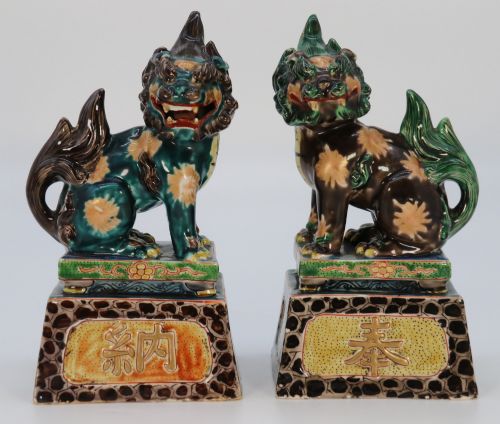
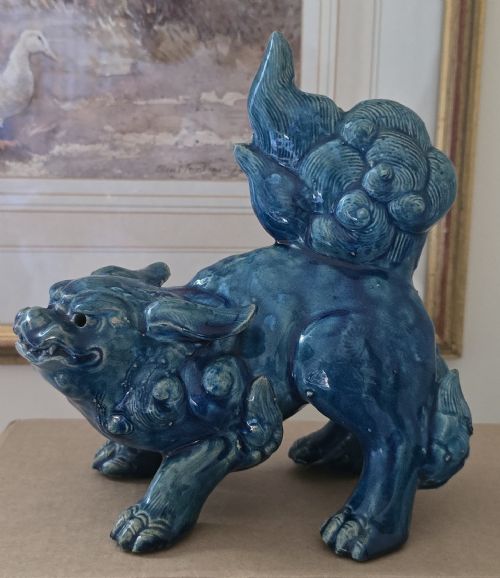
These ceramic temple dogs are guardian figures of immense presence, offering protection and traditional character to any interior.
Ceramic Temple Dogs
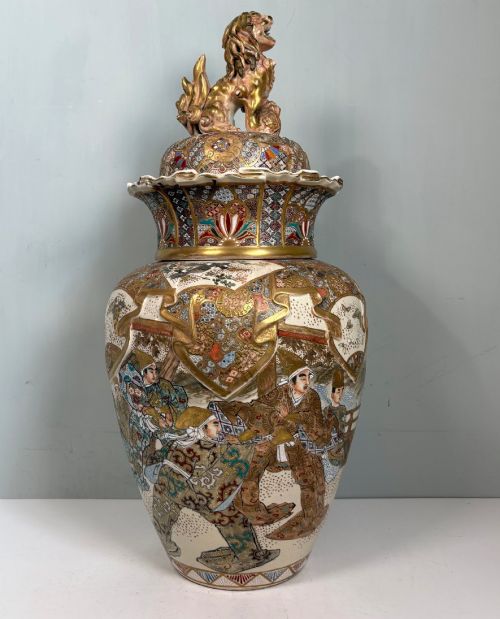
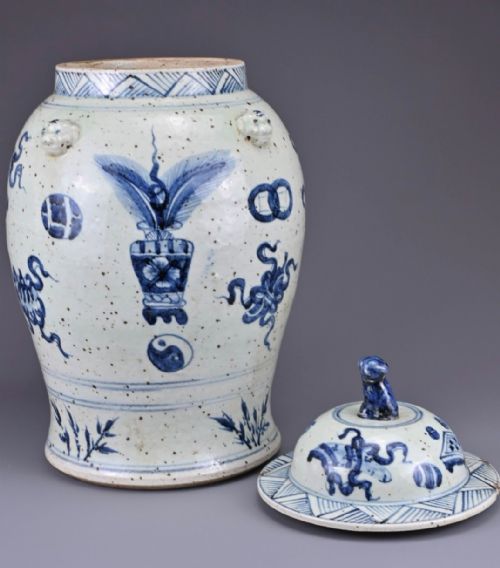
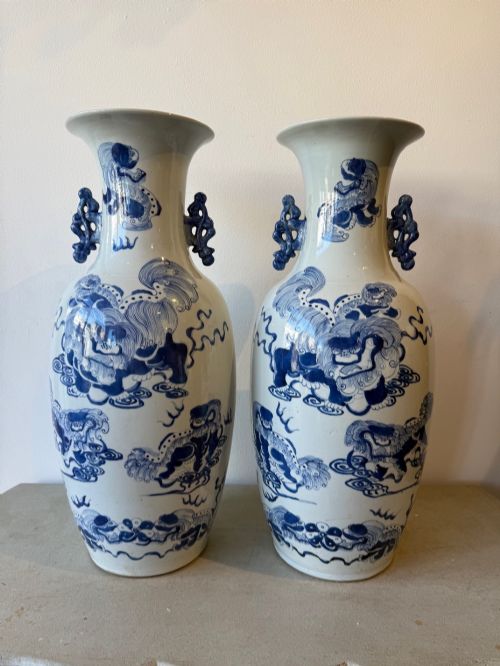
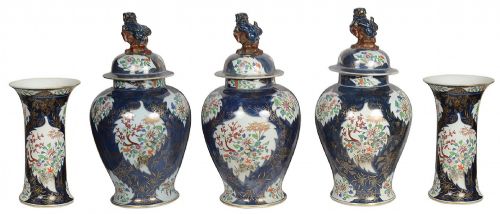
The selection here encompasses decorative pairs, glazed porcelain sculptures, and earthenware models dating from the nineteenth and early twentieth centuries. Alongside traditional guardian figures, the listings feature related forms such as blue and white jars and Satsuma vases.
Materials and construction
The makers utilised durable mediums such as porcelain, earthenware, and pottery to form these substantial figures. Artisans applied rich lead and turquoise glazes, often incorporating cobalt pigment for detailed blue and white decoration.
Surface ornamentation frequently includes hand-painted enamel work and subtle touches of gold leaf. Potters shaped these ceramic temple dogs using traditional moulding and hand-finishing techniques typical of Qing Dynasty and Meiji period workshops.
Ceramic Temple Dogs Retail Price Guide 2026
Typical asking prices for ceramic temple dogs among the pieces listed under this phrase on Sellingantiques today, from the lower quarter to the upper quarter. They describe what is for sale here now, not the wider market.
One vigilant guardian manages to look both fiercely protective and slightly bewildered by modern interior design choices.
Distinctions in quality
Quality in these guardian figures rests upon the precision of the modeling and the depth of the glaze. Superior examples exhibit spirited posture, careful anatomical definition, and controlled application of enamel colours.
The Ceramic Temple Dogs Glossary
- Shishi
- A Japanese term for a guardian lion or Buddhist dog, traditionally placed at temple gates to ward off malevolent spirits. These figures frequently appear in porcelain and pottery from the Meiji period.
- Foo Dog
- A Western colloquialism for the Chinese guardian lion, a mythical beast symbolising protection and prosperity. They are commonly depicted in pairs with one paw resting on a ball or cub.
- Famille Rose
- A palette of opaque enamel colours dominated by pink, introduced to Chinese porcelain production during the Qing Dynasty. This style is often seen on decorative jars and garnitures.
- Satsuma
- A type of Japanese earthenware featuring a crackled ivory glaze and detailed overglaze enamel and gilt decoration. These wares became prominent during the nineteenth century for export markets.
- Kutani
- Japanese porcelain and pottery characterised by bold designs and rich colour palettes, particularly iron red and green. Production centres in Ishikawa Prefecture produced striking figures and vases.
Ceramic Temple Dogs: Frequently Asked Questions
What is a temple dog?
A temple dog is a traditional guardian figure modelled as a mythical lion, designed to protect sacred spaces and homes from negative influences. They are rooted in Buddhist iconography across China and Japan.
These ceramic sculptures often stand at entrances or upon furniture as symbols of power and security. Their fierce expressions and protective stances distinguish them from ordinary decorative figures.
How do I display temple dogs?
Temple dogs are traditionally placed in pairs flanking an entrance, fireplace, or central piece of furniture to maintain symmetry and balance. Their substantial presence suits mantelpieces, side tables, and dedicated display cabinets.
Because many are glazed earthenware or porcelain, they benefit from stable placement away from high-traffic areas where they might be knocked. Ensuring adequate lighting highlights the intricate glazes and painted details.
Are temple dogs always displayed in pairs?
Guardian lions were traditionally made and positioned in pairs, with one representing the female and the other the male. The male typically rests his paw on a brocade ball, while the female restrains a cub.
While pairs are highly sought after by collectors, individual figures also appear in historic inventories. Single temple dogs function effectively as focal points in smaller interior settings.
How do I tell Chinese from Japanese figures?
Chinese guardian figures, often referred to as Foo dogs or Buddhist lions, typically date from the Qing Dynasty and utilise heavy glazes like turquoise or blue and white. Their forms tend to be robust and deeply rooted in traditional Chinese symbolism.
Japanese shishi figures from the Meiji period often display distinct regional styles such as Kutani or Satsuma. They frequently feature intricate enamel work, crackled glazes, and refined surface details characteristic of Japanese ceramic traditions.