




Ceramic Slop Bowl
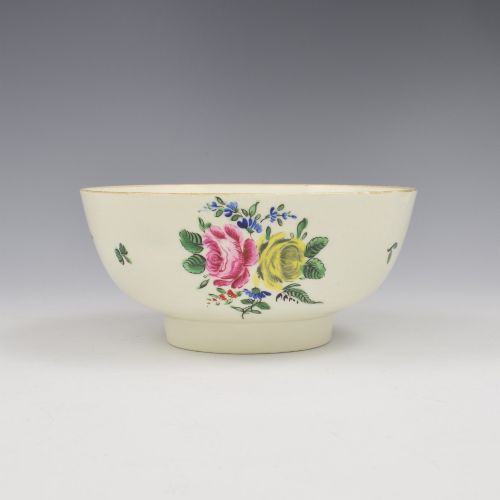
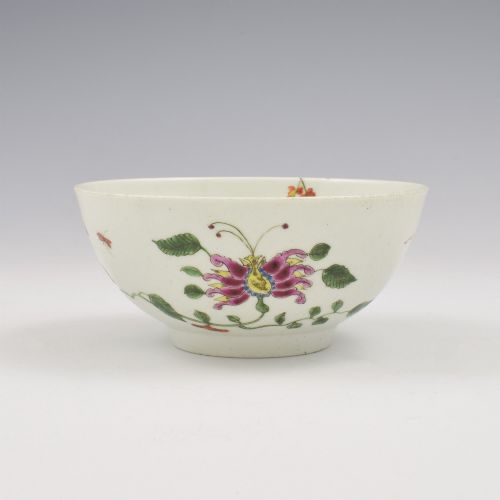
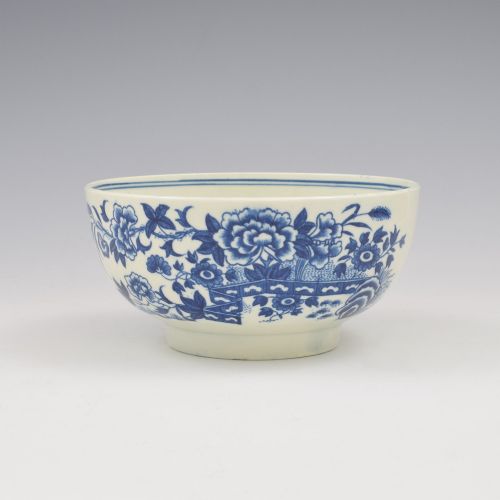
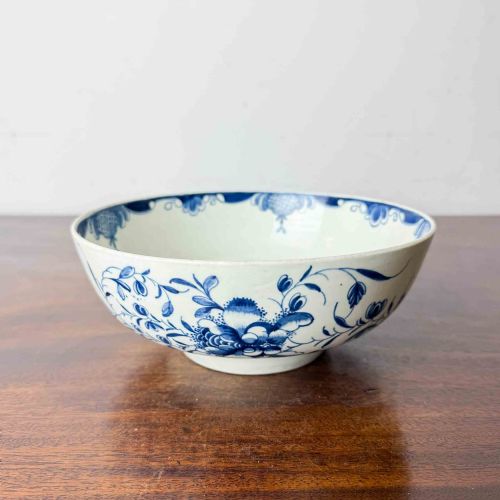
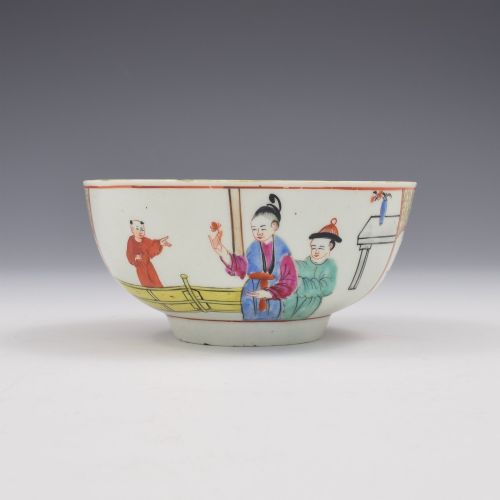
These ceramic slop bowl pieces are deep vessels once used for emptying tea dregs, prized now for their robust forms and hand-painted transfer patterns.
Ceramic Slop Bowl
When you search for a ceramic slop bowl, you encounter domestic vessels originating primarily in the eighteenth and nineteenth centuries, spanning Georgian, Regency, and Victorian periods. These bowls typically form part of larger tea services or wash sets, though many survive independently as decorative tableware.
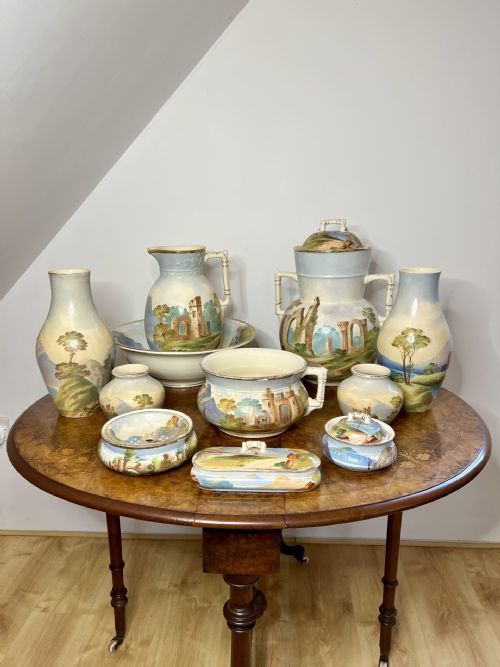
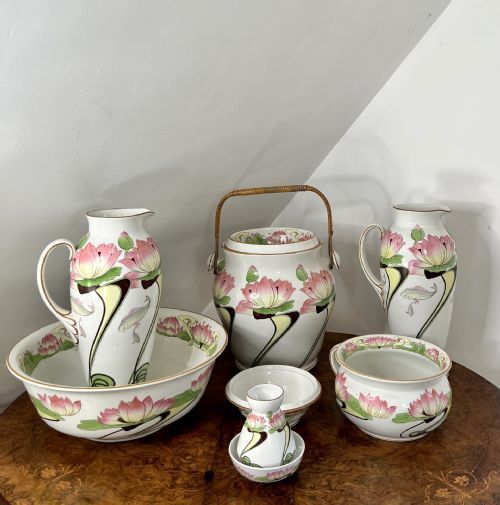
The versions most commonly met on this page range from eighteenth-century soft-paste porcelain decorated with hand-painted chinoiserie motifs to sturdy Edwardian glazed earthenware bathroom sets. Their historical function involved receiving the dregs of tea or slops from tea cups, a utilitarian origin that contrasts with their refined artistic execution.
How They Were Made
The creation of these pieces relies primarily on soft-paste porcelain, earthenware, and standard ceramic bodies shaped into deep bowl forms before receiving an application of glaze. Artisans utilised cobalt blue underglaze painting, enamel overglaze detailing, and occasional gold leaf highlights to enrich the surface.
Firing techniques of the eighteenth and nineteenth centuries determined the vitrification of the ceramic body and the depth of the glaze. Specialised workshops applied hand-painted patterns such as the Mansfield design, fence motifs, or Chinese figures directly onto the pre-fired surface before a secondary kiln fixation.
Ceramic Slop Bowl Retail Price Guide 2026
Typical asking prices for ceramic slop bowl among the pieces listed under this phrase on Sellingantiques today, from the lower quarter to the upper quarter. They describe what is for sale here now, not the wider market.
Listings feature eighteenth-century soft-paste porcelain alongside twentieth-century Edwardian earthenware wash sets and nineteenth-century Regency tableware.
What Varies in Quality
The distinction between standard domestic wares and superior examples rests upon the precision of the hand-painted decoration and the translucency of the porcelain body. Pieces attributed to specific historic porcelain works exhibit finer brushwork, controlled enamel application, and more sophisticated stylistic integration than utilitarian wash set vessels.
Another measure of quality involves the complexity of the pattern, such as detailed chinoiserie scenes or intricate compartmentalised borders, alongside the preservation of the original glaze surface. Earlier eighteenth-century soft-paste examples display distinct potting characteristics that differ markedly from later mass-produced Victorian and Edwardian earthenware.
Dr Wall Worcester·James Giles·Meissen·Mark Jones And Sons
The Ceramic Slop Bowl Glossary
- Soft-paste porcelain
- A type of artificial porcelain fired at lower temperatures than hard-paste, composed of clay and glass frit. It produces a warm, slightly creamy body frequently seen in eighteenth-century English bowls.
- Chinoiserie
- A European stylistic interpretation of Chinese and East Asian artistic traditions. This style appears frequently on Georgian bowls through whimsical landscapes and figural motifs.
- Puce
- A brownish-purple or dark purplish-red enamel colour derived from manganese. It was utilised extensively for monochrome landscape and floral decorations on eighteenth-century European porcelain.
- Wash set
- A matching collection of ceramic vessels designed for personal hygiene on a washstand, typically including a large basin, pitcher, and associated slop or soap bowls from the Edwardian era.
Ceramic Slop Bowl: Frequently Asked Questions
What is a ceramic slop bowl?
A ceramic slop bowl is a deep vessel originally utilised during tea service to collect leftover liquid and tea leaves from cups before pouring a fresh brew.
Over time, these bowls transitioned from functional dining table accessories into collectible display items and components of larger antique wash sets.
How do I date a porcelain bowl?
Dating a ceramic bowl involves examining the potting characteristics, the composition of the paste, and the style of the hand-painted or transfer-printed decoration.
Eighteenth-century pieces typically exhibit soft-paste bodies and specific cobalt or enamel palettes, whereas Victorian and Edwardian examples utilise heavier earthenware and distinct bathroom set forms.
Were these bowls used for tea?
These bowls served primarily as the receptacle for unwanted tea dregs during formal tea drinking rituals in the Georgian and Regency periods.
Guests emptied their cups into the bowl before the hostess prepared the next round of tea from the teapot.
How do I care for antique ceramic bowls?
Antique ceramic and porcelain bowls require gentle handling and should be washed by hand in lukewarm water using mild, non-abrasive soap.
Avoid soaking pieces with delicate overglaze enamels, gold leaf accents, or hairline fractures to preserve the historic glaze surface.