



Ceramic Pastoral Figurine
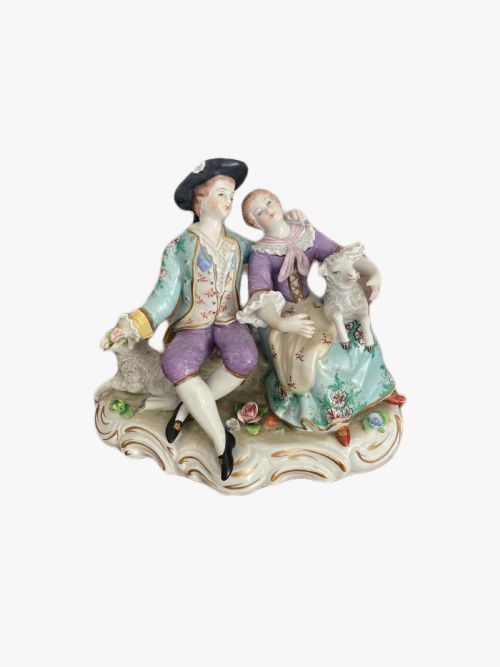
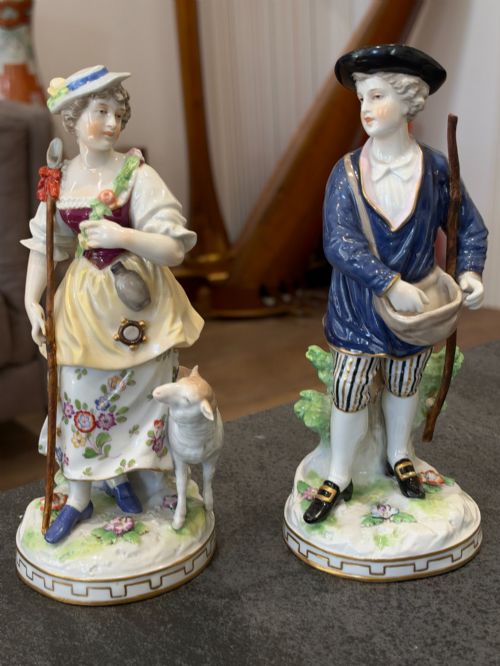
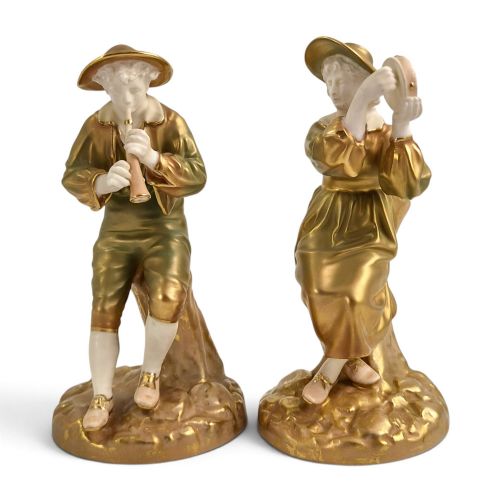
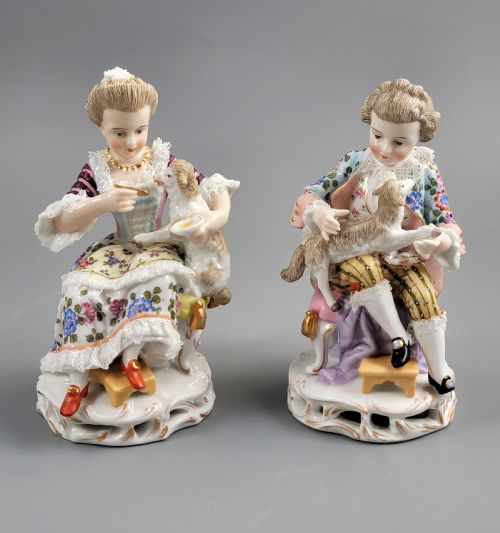
These ceramic pastoral figurine pieces depict shepherds, gardeners and rustics in porcelain or earthenware, bringing eighteenth-century country romance onto the mantelpiece.
Ceramic Pastoral Figurine
A ceramic pastoral figurine portrays figures engaged in rural life, drawing heavily upon eighteenth-century shepherd and shepherdess archetypes. The pieces on this page span from Georgian origins through nineteenth-century Continental revivals up to early twentieth-century German and English works. Forms range from single figures with baskets and lambs to large pairs, companion groups, watch holders and figural candlesticks.
Materials and construction
Potters shaped these figures using soft-paste, hard-paste or bisque porcelain, alongside traditional earthenware. Bisque porcelain leaves the ceramic unglazed with a matte, marble-like finish, whereas hard-paste and soft-paste bodies receive glossy transparent glazes.
Makers applied hand-painted enamels for the colourful garments and naturalistic landscapes, sometimes finishing details with applied gold leaf or gilt accents. Figures were frequently cast in moulds, with delicate elements like flowers, foliage and sheep hand-modelled and attached before firing.
Ceramic Pastoral Figurine Retail Price Guide 2026
Typical asking prices for ceramic pastoral figurine among the pieces listed under this phrase on Sellingantiques today, from the lower quarter to the upper quarter. They describe what is for sale here now, not the wider market.
Materials recorded across the selection include hard-paste porcelain, bisque porcelain, earthenware, enamel, glaze, gilt, and gold leaf.
Distinguishing quality across pieces
Quality rests in the crispness of the moulding and the sensitivity of the hand-painting on the faces and garments. Superior examples retain fine details in the facial expressions, delicate hand-modelled leaves, and precise application of enamel colours without muddy blending.
The weight and presence of the piece also distinguish output, particularly in large sculptural groups and pairs. Factory provenance plays a role, with established works from Meissen, Derby or KPM exhibiting finer body preparation than unsigned or derivative continental wares.
Meissen·Derby·Samson·Bloor Derby·KPM·Vion et Baury·Sitzendorf·Carl Thieme·Ludwigsburg·Royal Dux
The Ceramic Pastoral Figurine Glossary
- Bisque porcelain
- Unglazed ceramic fired to a matte finish that resembles marble. It highlights fine sculptural detail without the sheen of a transparent glaze.
- Hard-paste porcelain
- A durable ceramic composition fired at high temperatures using kaolin and petuntse. It creates a bright white, vitreous body common in European factory output.
- Staffordshire earthenware
- Opaque pottery produced in the English Midlands. These figures utilise sturdier clay bodies and often feature flat backs intended for placement against a wall.
- Spill holder
- A hollow vessel incorporated into a figure group designed to hold wooden tapers for lighting fires or pipes. They combine utility with decorative pastoral scenes.
- Enamel
- Coloured metallic oxides fused to the ceramic surface during a secondary firing. They provide the rich hues found on period garments and floral bases.
Ceramic Pastoral Figurine: Frequently Asked Questions
What is a pastoral figurine?
A ceramic pastoral figurine is a sculptural piece depicting shepherds, shepherdesses, farmers or children in idyllic rural settings. These figures romanticise agricultural life through stylised clothing and posed interactions with animals.
Originating in European porcelain factories, the form remained popular across the Georgian and Victorian eras as decorative mantelpiece ornamentation.
Were these figures meant for daily use?
These pieces served purely as ornamental items for display in the parlour or drawing room rather than utilitarian tableware. Certain variants, such as figural candlesticks and watch holders, combined decorative pastoral scenes with functional elements.
Pairs were commonly arranged symmetrically on mantelpieces, tabletops or console units alongside other ceramic works.
How should I display them at home?
These ceramic figures require stable surfaces away from high-traffic areas due to delicate protruding elements like fingers, staff handles and applied porcelain flowers. Placing them in enclosed cabinets protects the hand-painted enamel and gilt surfaces from accumulated dust.
Because many were produced as symmetrical pairs, keeping them grouped together preserves the intended balance of the composition.