


Ceramic Mantelpiece Ornaments
Ceramic mantelpiece ornaments bring character to a hearth, offering a glimpse into nineteenth-century parlours through spirited figures and animals.
Ceramic Mantelpiece Ornaments
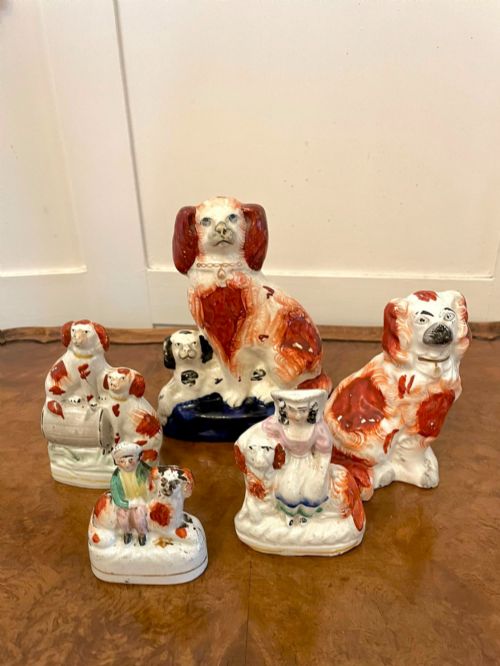
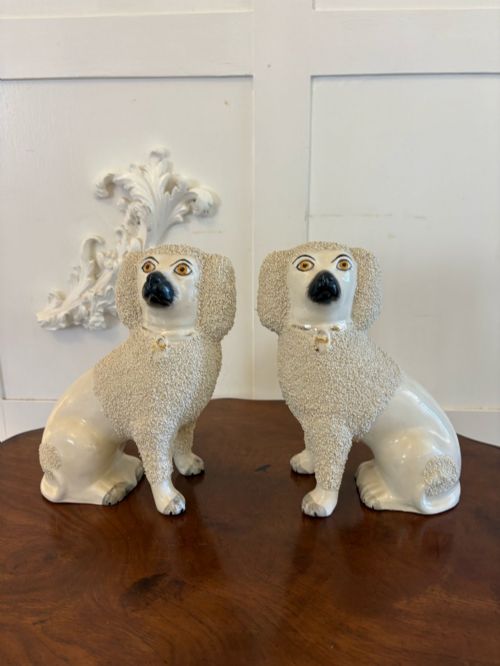
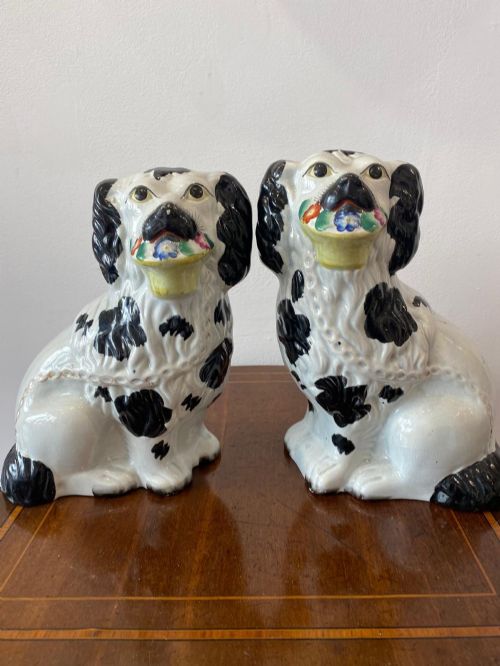
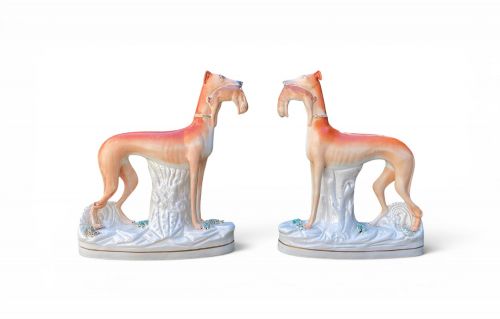
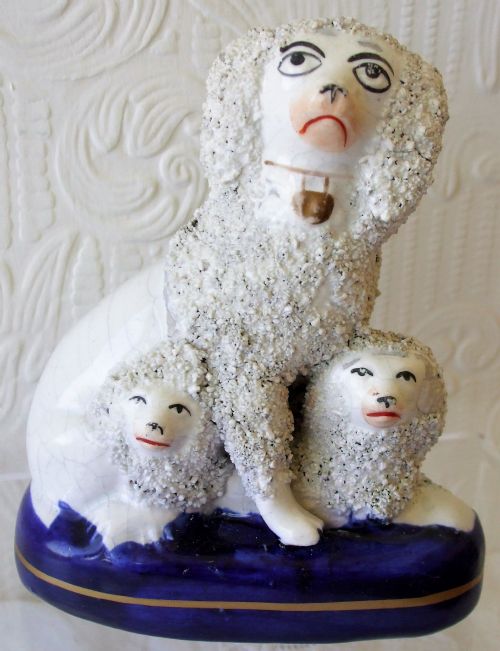
Ceramic mantelpiece ornaments encompass a rich variety of figures, spill vases and sculptural groups designed to display upon a fireplace ledge. The most common examples met here are nineteenth-century Staffordshire figures, including spaniels, lions and pairs of poodles modelled for domestic display.
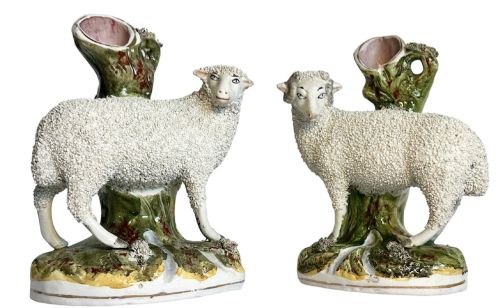
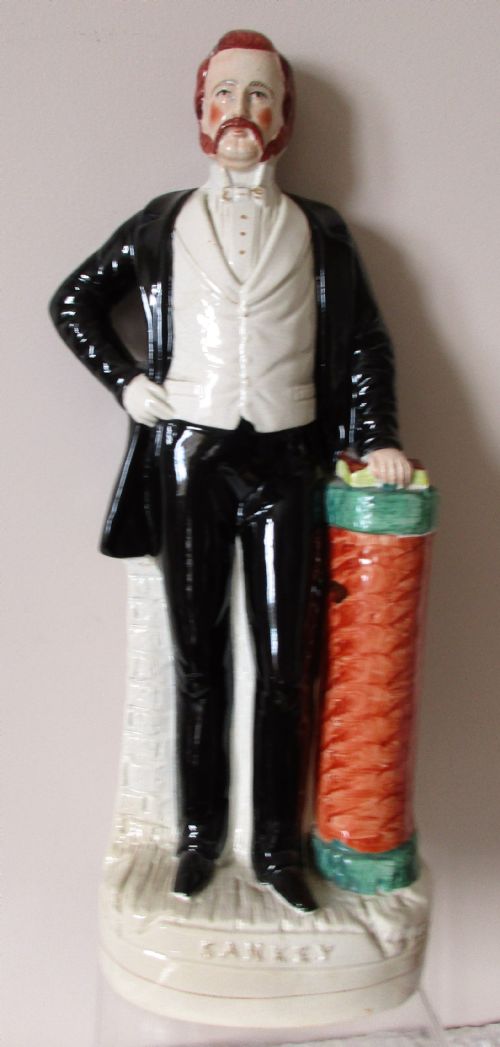
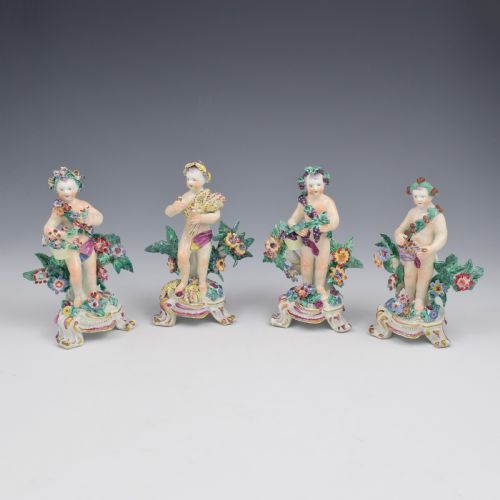
Beyond earthenware animals, this selection includes porcelain figures, spill vases depicting sheep or deer, and flatback portrait groups representing royalty or literary figures. These pieces originate predominantly from British potteries and continental European factories working across the Victorian and Edwardian eras.
Buyers will encounter single mantel ornaments alongside matched pairs intended to sit symmetrically at either end of a shelf. These sculptural objects capture the Victorian appetite for domestic display, ranging from folk art simplicities to more refined continental porcelain groupings.
Materials and Technique
Surface decoration relies heavily on hand painting, giving individual specimens their distinct facial expressions and patterned coats. Some pieces utilise rich copper lustre glazes or treacle glazes to achieve a deep, reflective metallic sheen across the ceramic body.
Some Victorian dogs wear expressions of such profound melancholy they appear to judge your housekeeping.
Assessing Quality
The crispness of the mould transfer dictates how sharply defined the eyes, coats and clothing appear on earthenware flatbacks. Pieces that avoid excessive factory retouching and show careful potting without heavy warping represent the more desirable end of the range.
Volkstedt Richard Eckert·Royal Doulton·Royal Dux·Sitzendorf
The Ceramic Mantelpiece Ornaments Glossary
- Flatback
- A ceramic figure modelled with a finished front and sides but left flat on the reverse so it sits flush against a wall or mantelpiece. This method saved time and materials during production.
- Spill Vase
- A hollow ceramic vase incorporating a cylindrical holder designed to store wooden spills used for lighting pipes or candles. These vessels frequently took the form of rustic figures or animals.
- Treacle Glaze
- A dark, translucent brown lead glaze that produces a rich, treacly appearance over earthenware bodies. Potters utilised this finish frequently on nineteenth-century animal figures.
- Earthenware
- A porous pottery body fired at lower temperatures, requiring a glaze to achieve impermeability. Most nineteenth-century Staffordshire mantel ornaments utilise this accessible material.
Ceramic Mantelpiece Ornaments: Frequently Asked Questions
Where should I display ceramic mantelpiece ornaments?
These ornaments suit traditional mantelpieces, bracket shelves and side tables where they can be viewed at eye level. Pairs look most balanced when placed symmetrically at either end of a hearth.
Keep them away from direct heat sources and strong, continuous sunlight to protect the hand-painted enamels and delicate surface glazes over time.
Why do Staffordshire dogs often come in pairs?
Victorian mantelpiece ornaments were designed to flank a clock or centrepiece symmetrically on the fireplace ledge. Pairs of spaniels or poodles faced inward toward each other to create a balanced display.
Finding an original matched pair adds considerably to the visual harmony of a mantelpiece arrangement compared to owning a single isolated figure.
What is a spill vase used for?
A spill vase combines a decorative figure with an integral holder designed to store slender wooden taper splints. Households used these wooden spills to transfer flames from the fireplace fire to candles and lanterns.
These combination pieces served a practical function in nineteenth-century parlours before the widespread availability of safety matches.