





Ceramic Lidded Vessel
A ceramic lidded vessel brings together centuries of kiln craft and functional design, offering both enclosed storage and decorative presence.
Ceramic Lidded Vessel
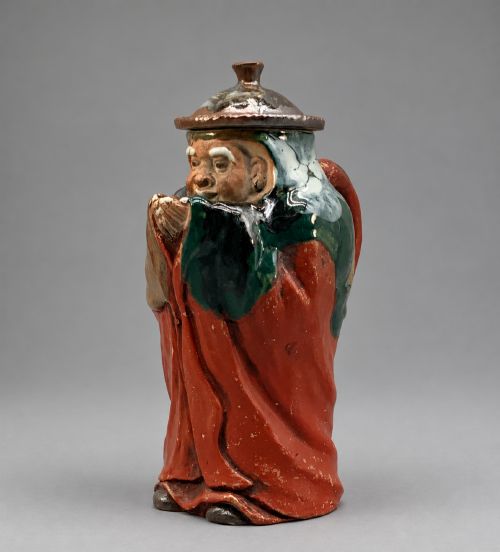
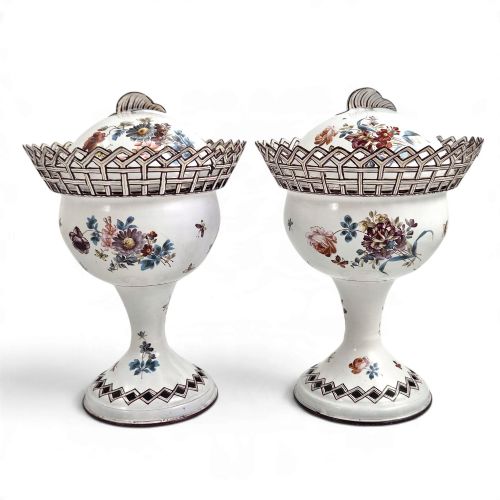
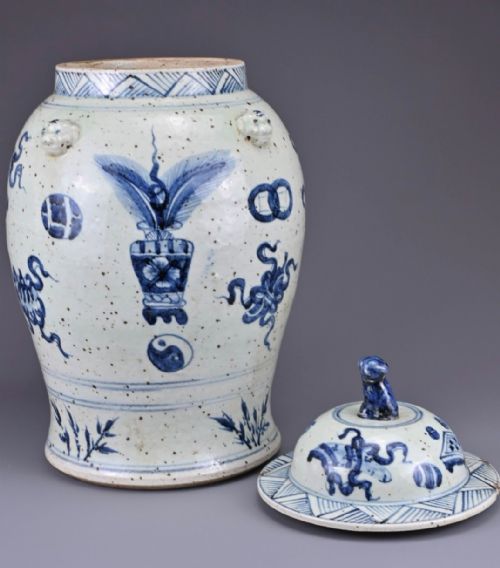
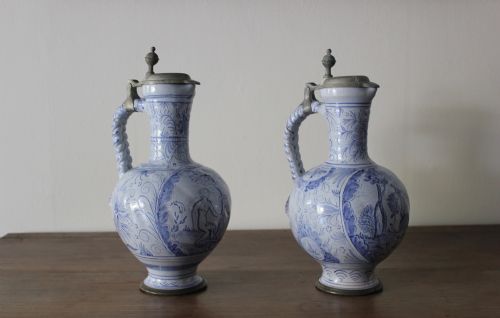
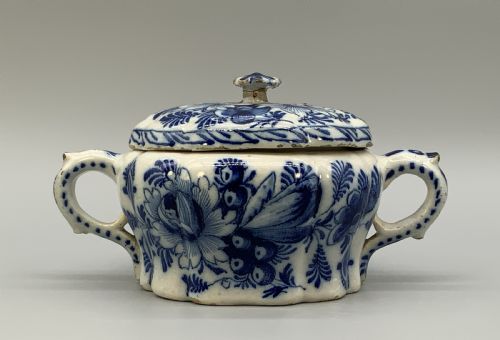
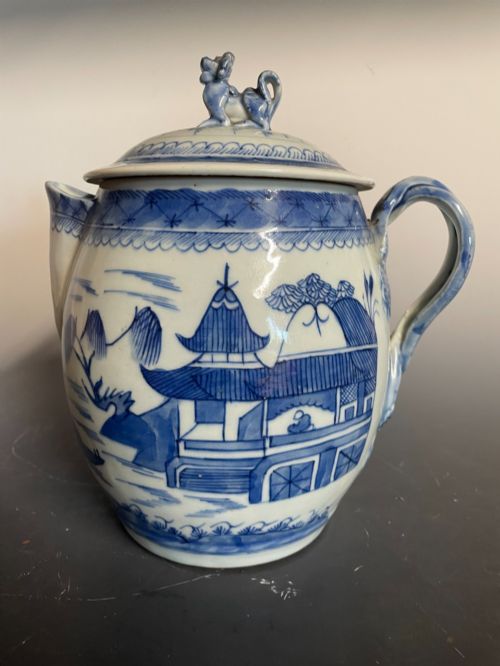
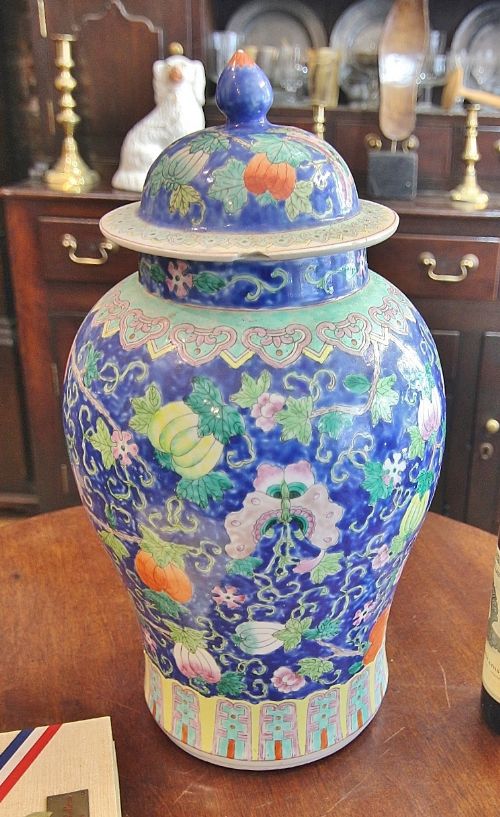
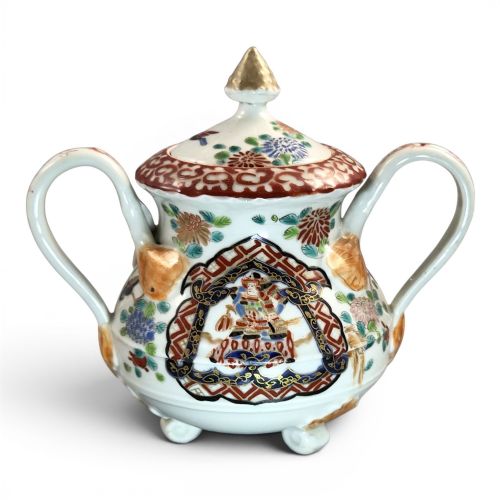
A ceramic lidded vessel encompasses items designed to hold substances securely beneath a matching cover, spanning forms such as ginger jars, posset pots, sugar bowls, and potpourri urns. The selection ranges from English earthenware and porcelain factories of the eighteenth and nineteenth centuries to continental European maiolica and Asian blue and white wares.
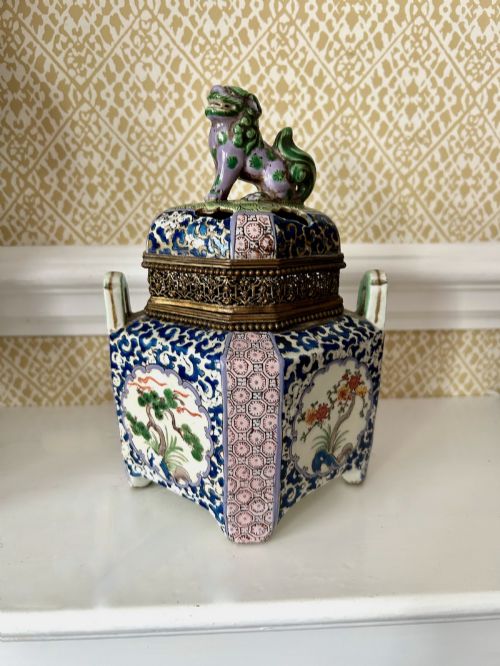
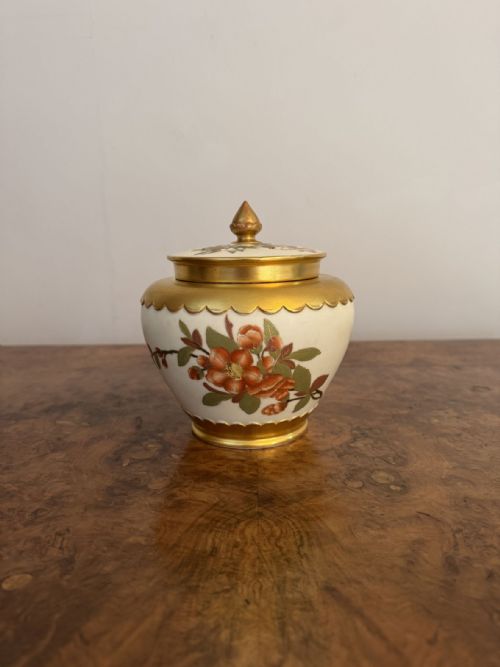
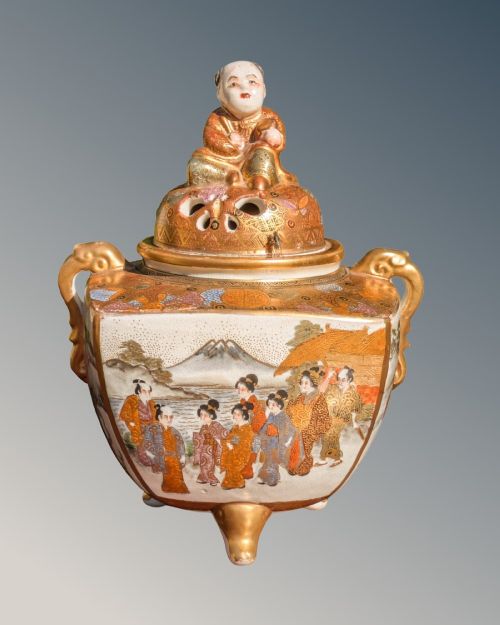
Buyers encounter domestic tablewares alongside display pieces, including nineteenth-century Victorian potpourri jars and Japanese Meiji period incense burners. The material evidence reaches back to seventeenth-century Delft vessels and seventeenth-century Chinese pieces with later bespoke covers.
Materials and Techniques
The physical construction relies on fired clay bodies such as porcelain, bone china, earthenware, and ironstone, shaped on the wheel or pressed into moulds. Potters then applied tin glazes, cobalt blue underglazes, or enamel pigments before a secondary kiln firing.
Surface ornamentation often incorporates hand-painted motifs, relief moulding, gilding with gold leaf, and enamel detailing. Lids were thrown or moulded to fit the collar of the container, sometimes accompanied by carved wooden or coral elements on Asian and continental examples.
Ceramic Lidded Vessel Retail Price Guide 2026
Typical asking prices for ceramic lidded vessel among the pieces listed under this phrase on Sellingantiques today, from the lower quarter to the upper quarter. They describe what is for sale here now, not the wider market.
A fifteenth-century box meets its match in an eighteenth-century carved coral cover, proving that ceramics love a second chance.
Evaluating the Pieces
Distinction across the range rests on the precision of the ceramic body and the execution of the painted or moulded decoration. Crisp relief work, delicate brush control on hand-painted botanical or figural scenes, and balanced proportions separate standard production from exceptional studio outputs.
The integrity of the cover and its alignment with the base significantly influence the standing of a piece. Finer examples maintain original matching lids with consistent glaze coverage and clear factory or artisan marks.
Royal Worcester·Royal Crown Derby·Charles Meigh·Herend·Sitzendorf
The Ceramic Lidded Vessel Glossary
- Posset pot
- A covered ceramic vessel used in seventeenth and eighteenth-century Britain for serving a warm, spiced milk and ale drink. These typically feature two side handles and a spout for pouring.
- Koro
- A Japanese incense burner fitted with a pierced lid to release fragrance, commonly produced in Satsuma or Kutani wares during the Meiji period. They rest on three or more feet.
- Imari
- A style of Japanese porcelain featuring a palette of underglaze blue, iron red, and gilt, which heavily influenced European factories during the eighteenth and nineteenth centuries. The designs are characterised by dense floral and brocade patterns.
- Maiolica
- Tin-glazed earthenware produced in Italy and other parts of Europe, painted with opaque coloured glazes before firing. Pieces often display historical, mythological, or Chinoiserie scenes.
- Kamcheng
- A covered porcelain jar originating from Chinese kilns for export, particularly to Southeast Asia, decorated with enamels on a coloured ground. They serve multifunctional storage roles.
Ceramic Lidded Vessel: Frequently Asked Questions
What were ceramic lidded vessels used for?
These covered containers served practical domestic functions ranging from storing ginger, tea, and tobacco to holding sugar and posset drinks. Others were dedicated to decorative purposes, diffusing potpourri scents or burning incense in domestic interiors.
Over successive centuries, the forms adapted to changing household habits while retaining their enclosed design. Their utility shifted from daily pantry and dining use toward ornamental display in Victorian and Edwardian drawing rooms.
How do I care for antique ceramics?
Maintenance requires gentle dusting with a soft, dry cloth and avoiding harsh chemical cleaning agents that might damage delicate gilt or enamel highlights. Hand washing in lukewarm water with mild soap is suitable only for durable glazed surfaces, avoiding immersion for pieces with exposed porous earthenware.
Stable placement away from direct sunlight and sudden temperature fluctuations protects both the ceramic body and any historical repairs. Ensuring lids are lifted carefully by their finials prevents chipping along the rim joints.
How do I identify Japanese Satsuma ware?
Satsuma ceramics are distinguished by a fine, ivory-coloured earthenware body covered with a network of minute, crackled transparent glaze. Decoration typically employs rich enamels and raised gold leaf depicting figural scenes, landscapes, or floral motifs.
Many pieces bear painted or impressed studio signatures on the base, pointing to specific Kyoto workshops from the Meiji period. The tactile, slightly warm feel of the crackle glaze separates them from smooth, vitrified porcelain.
What is Delftware?
Delftware describes tin-glazed earthenware made in England, Holland, and other regions, characterised by a white opaque surface painted primarily in cobalt blue. The technique produced domestic vessels, posset pots, and tobacco jars with a distinctive absorbent clay body beneath the glaze.
Production flourished during the seventeenth and eighteenth centuries, drawing inspiration from imported Chinese blue and white porcelain. The resulting pieces display soft edges to the painted designs where the pigment bled slightly into the wet glaze.