




Ceramic Lidded Tureen
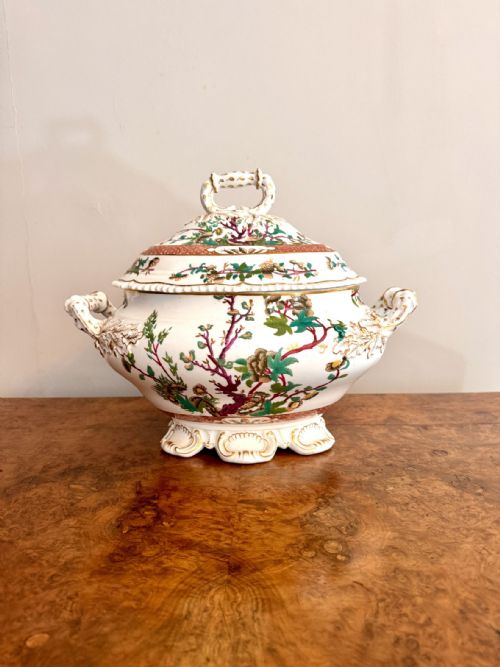
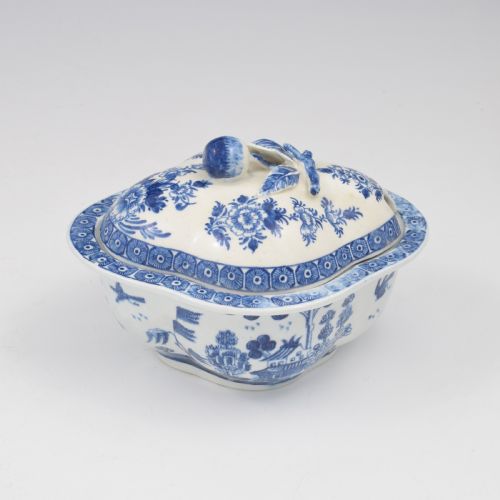
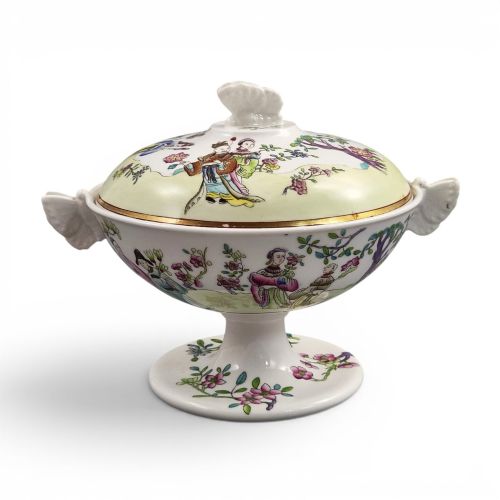
These ceramic lidded tureen pieces are traditional covered vessels designed for serving soups, sauces, and vegetables at the dining table.
Ceramic Lidded Tureen
A ceramic lidded tureen is a covered serving vessel meant for the dining table, encompassing forms such as sauce tureens, vegetable tureens, and broth cups. When you search for ceramic lidded tureen, you encounter pieces spanning the eighteenth, nineteenth, and Victorian periods.
The selection here includes earthenware, ironstone, and porcelain examples originating from English potteries, Staffordshire, and continental workshops. Many retain matching covers, and some feature accompanying stands or ladles.
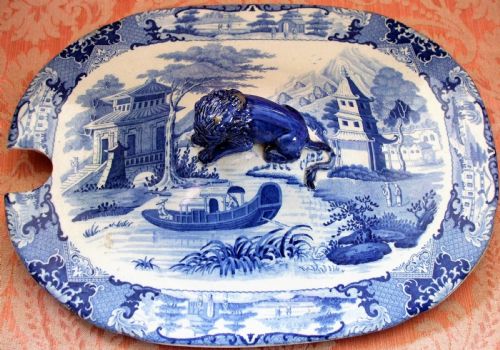
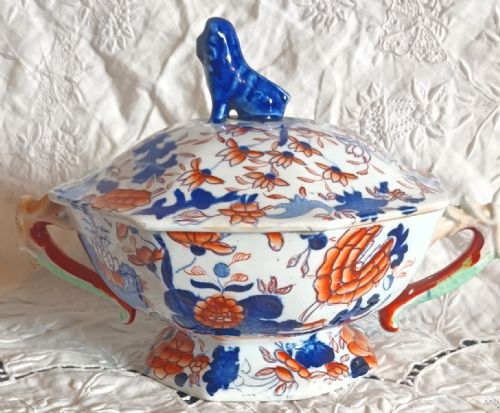
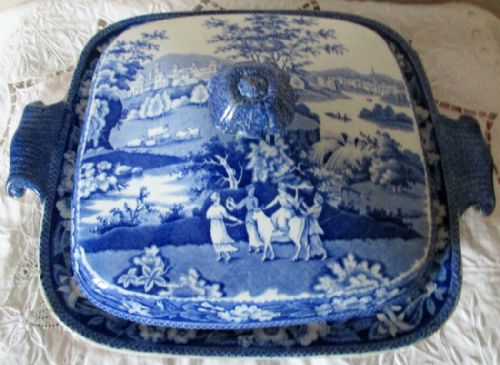
Earlier Georgian and eighteenth-century items often show transfer-printed scenes or botanical motifs, while later nineteenth-century examples display robust ironstone bodies with Chinoiserie patterns or Victorian Imari decoration.
Materials and production methods
Potters shaped these vessels using earthenware, porcelain, and ironstone ceramic bodies, frequently applying glossy glazes and hand-painted or transfer-printed decoration. Some pieces incorporate gold leaf highlights and delicate enamel colours over the fired clay.
Ironstone formulations provided exceptional durability for heavy kitchen and dining use, while fine porcelain and pearlware allowed for delicate moulding, such as butterfly handles and quatrefoil contours.
Ceramic Lidded Tureen Retail Price Guide 2026
Typical asking prices for ceramic lidded tureen among the pieces listed under this phrase on Sellingantiques today, from the lower quarter to the upper quarter. They describe what is for sale here now, not the wider market.
The listings feature earthenware, ironstone, and porcelain ceramics decorated with enamel, glaze, and gold leaf across the Georgian, Regency, and Victorian periods.
Judging quality and execution
Quality rests in the crispness of the moulding, the precision of the transfer printing or hand-painted enamel work, and the survival of matching covers and stands. Fine porcelain pieces demonstrate thinner walls and translucent bodies, whereas ironstone versions rely on crisp relief moulding and weight.
The clarity of the glaze and the preservation of gilt or enamelled details distinguish standard utility vessels from finer cabinet examples produced by notable factories.
Robert Hamilton·John and Richard Riley·Mason·Flight, Barr and Barr·Richard Ginori·Ridgways·Davenport·James Wallace and Co
The Ceramic Lidded Tureen Glossary
- Ironstone
- A dense, heavy ceramic material patented in the nineteenth century for its durability and resistance to chipping. It served as a sturdy alternative to porcelain.
- Pearlware
- A refined earthenware developed in the late eighteenth century featuring a bluish-white glaze that pooled in recesses to resemble Chinese export porcelain.
- Transfer print
- A method of applying detailed decorative patterns to ceramic surfaces by pressing paper engraved with copperplate ink onto the biscuit ware before glazing.
- Quatrefoil
- A symmetrical shape composed of four partially overlapping lobes, commonly seen in the rim contours of eighteenth-century serving vessels.
- Caneware
- A fine stoneware body with a warm buff or yellowish tone resembling the colour of unbleached cane, popular during the Georgian period.
Ceramic Lidded Tureen: Frequently Asked Questions
What were tureens originally used for?
Tureens served as large, covered table vessels for holding and presenting soups, broths, and stews during formal dining. The cover kept the contents warm until serving at the table.
Smaller sauce tureens held gravies and accompaniments, while vegetable tureens accommodated side dishes for multiple diners.
How can I distinguish ironstone from porcelain?
Ironstone is a heavy, opaque earthenware body designed for durability, showing thick walls and substantial weight in the hand. Porcelain is finer, often translucent when held to the light, and rings when tapped gently.
Ironstone pieces typically feature utilitarian toughness suited to heavy dining service, whereas porcelain items lean towards decorative refinement.
What periods do these pieces come from?
The available selection primarily spans the Georgian, Regency, and Victorian eras of the eighteenth and nineteenth centuries. You will find pieces dated from the seventeen-sixties through to the eighteen-eighties.
Stylistic shifts reflect this timeline, moving from rococo and classical botanical designs to robust nineteenth-century ironstone and transfer-printed landscapes.