



Ceramic Flower Basket
These ceramic flower basket pieces bring porcelain blooms and moulded wicker forms straight into the room without needing water.
Ceramic Flower Basket
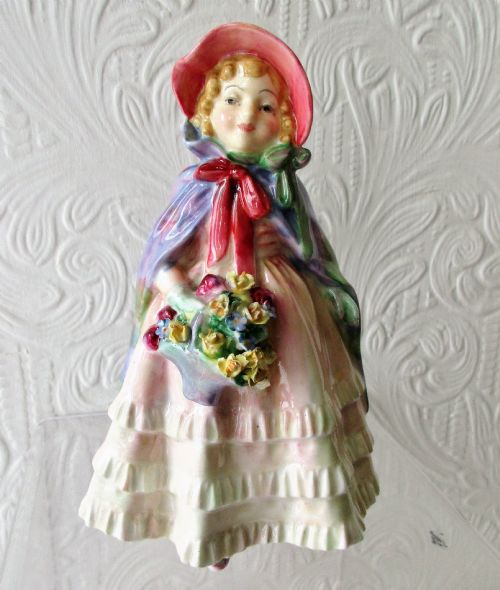
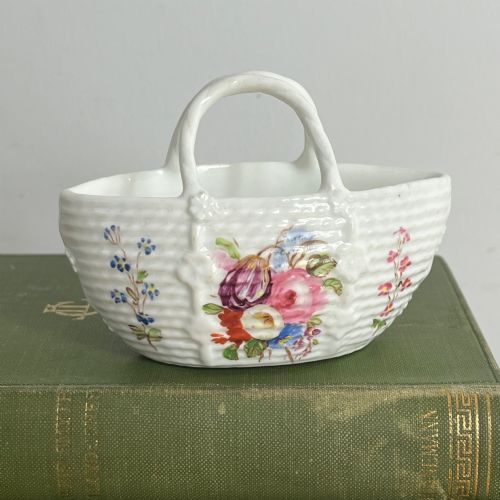
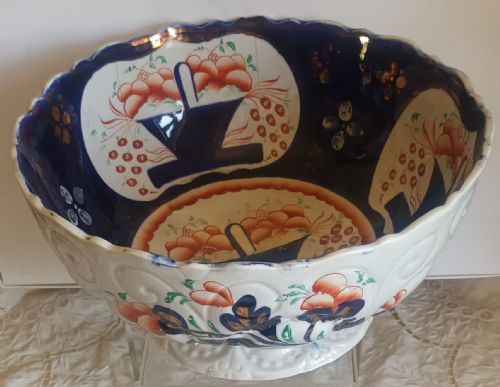
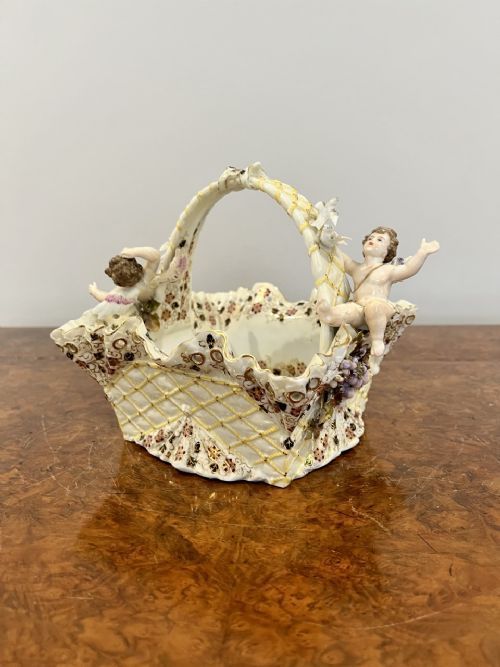
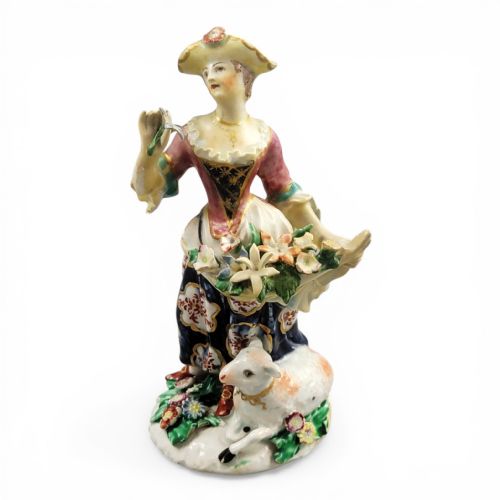
A ceramic flower basket takes the traditional garden trug and renders it in porcelain, earthenware, or hard-paste porcelain. When collectors search for this phrase, they meet items spanning the eighteenth century through to the early twentieth century, taking the form of figurines carrying vessels, footed bowls, and decorative centerpieces.
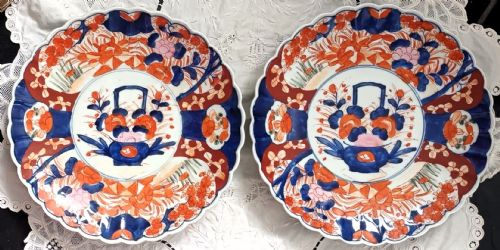
Many examples arrive with applied flowers modelled by hand or handpainted panels depicting floral scenes. Pieces range from English factories like Flight Barr & Barr and Rockingham to continental works and Japanese Imari imports, reflecting a broad Victorian and Regency appetite for botanical ornament.
How they were made
Makers shaped porcelain, earthenware, and hard-paste porcelain using moulds or throwing techniques, frequently applying delicate individual petals and leaves by hand before firing. Enamel colours and glaze finishes were applied alongside copper lustre or gold leaf highlights to accentuate the moulded texture of the basket weave.
The firing process required careful temperature control to prevent the fine applied porcelain flowers from warping or collapsing in the kiln. Once glazed, many of these vessels received meticulous handpainted details to render the naturalistic shades of leaves and blossoms.
Ceramic Flower Basket Retail Price Guide 2026
Typical asking prices for ceramic flower basket among the pieces listed under this phrase on Sellingantiques today, from the lower quarter to the upper quarter. They describe what is for sale here now, not the wider market.
Materials recorded across current items include Porcelain, Enamel, Earthenware, Glaze, Ceramic, Gold Leaf, Copper Lustre, and Hard-paste Porcelain.
What varies in quality
The crispness of the modelled basket weave and the delicacy of the applied floral work separate simpler production pieces from finer studio outputs. Sharp definition in the handpainted details and the preservation of fragile porcelain petals dictate the standing of an individual piece.
Makers who invested time in underglaze painting and secure application of small decorative elements achieve a lifelike presence that lesser moulded items lack. The weight, glaze consistency, and overall balance of the centrepiece or figurine also point to superior craftsmanship.
Flight Barr & Barr·Rockingham Porcelain·C.G. Schierholz and Sohn·Royal Dux
The Ceramic Flower Basket Glossary
- Hard-paste porcelain
- A dense, durable ceramic material fired at high temperatures using kaolin and petuntse. It produces a ringing sound when tapped and resists scratching.
- Copper lustre
- A metallic glaze technique producing a coppery, reflective sheen on earthenware or porcelain bodies. It was popular during the nineteenth century for decorative highlights.
- Bouquetiere
- A French term for a vessel designed specifically to hold flower arrangements or shaped to resemble a gathering of blooms. These often take figurative or pedestal forms.
- Imari
- A Japanese porcelain style originating in Arita, traditionally decorated in underglaze blue, iron red, and gold. Export versions heavily influenced European ceramics.
Ceramic Flower Basket: Frequently Asked Questions
How were ceramic flower baskets used?
These decorative objects served primarily as table centrepieces or mantel ornaments, designed to display permanent porcelain blooms or hold dried stems.
In some instances, smaller vessels functioned as desk accessories or specific holders, while larger centrepieces dominated formal dining tables during the Victorian period.
How do I clean a porcelain basket?
Dust gently with a soft, dry brush to protect delicate applied petals from catching and breaking.
Avoid submerging pieces with old gilt or handpainted enamel work in water, using only a slightly damp cloth on sturdy glazed surfaces if necessary.
Are these pieces fragile?
The applied flowers and woven handles present thin points that require careful handling during placement and relocation.
Placing them away from high-traffic edges prevents accidental knocks to the protruding porcelain stems and leaves.
How can I tell the period?
Examine the glaze, paste density, and any base marks to determine whether the piece originates from the Regency era or the later Victorian period.
Hand-modelled botanical details and specific factory marks often point towards distinct manufacturing decades between the eighteenth and twentieth centuries.