





Ceramic Drinking Vessel
These ceramic drinking vessels bring practical history to your table, offering tactile connections to past centuries through varied forms like mugs, tankards, and puzzle jugs.
Ceramic Drinking Vessel
A ceramic drinking vessel encompasses various functional forms designed for beverages, appearing across the Georgian, Victorian, and nineteenth-century periods. Buyers encounter pieces ranging from simple earthenware mugs to elaborate porcelain stirrup cups and salt-glaze puzzle jugs.
These items reflect the domestic and social customs of their respective eras, utilising traditional materials that have survived centuries of use. The typical pieces available combine utility with decorative craftsmanship, displaying hand-painted details and moulded designs.
How they were made
Potters utilised earthenware, pearlware, porcelain, and stoneware as primary bodies, shaping vessels on the wheel or in moulds. Specialised finishes such as enamel painting, gold leaf, and salt glazing added durability and visual detail.
Many items incorporate mixed media, combining ceramic bodies with pewter mounts, silver elements, or carved organic outer layers like coconut shell. Kiln firing techniques varied from traditional German salt-glazing to refined porcelain production at English factories.
Ceramic Drinking Vessel Retail Price Guide 2026
Typical asking prices for ceramic drinking vessel among the pieces listed under this phrase on Sellingantiques today, from the lower quarter to the upper quarter. They describe what is for sale here now, not the wider market.
Listings feature eighteenth-century Westerwald stoneware alongside nineteenth-century Staffordshire earthenware, Victorian puzzle jugs, and twentieth-century Doulton Lambeth salt-glaze pieces.
What varies in quality
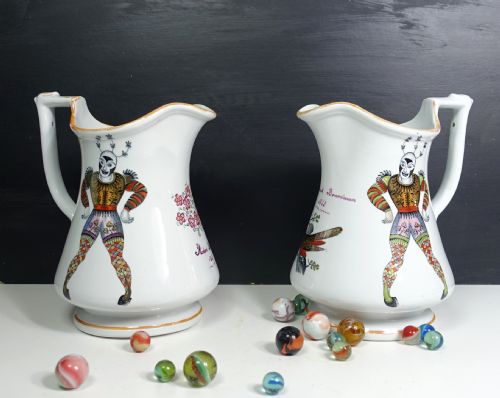
The complexity of the vessel's form, including puzzle jugs with intricate hollow handles and multiple spouts, indicates the maker's technical skill. Material choice also elevates a piece, moving from standard earthenware to refined porcelain or silver-mounted stoneware.
Royal Staffordshire·Duesbury and Kean·Doulton Lambeth
The Ceramic Drinking Vessel Glossary
- Pearlware
- A refined earthenware developed by Josiah Wedgwood in the late eighteenth century, featuring a pale bluish glaze that pooled in crevices. It provides a whiter surface than earlier creamware.
- Salt glaze
- A vitreous coating applied by throwing common salt into the kiln at peak temperature, creating a pitted texture similar to orange peel. Stoneware treated this way resists liquids effectively.
- Puzzle jug
- A drinking vessel with a perforated neck that prevents normal drinking, requiring the user to cover hidden holes in the handle or rim in the correct sequence. It served as a tavern trick or social game.
- Stoneware
- A dense, hard ceramic fired at high temperatures until vitrified, making it waterproof without requiring glaze. It holds heat well and resists chemical corrosion.
- Stirrup cup
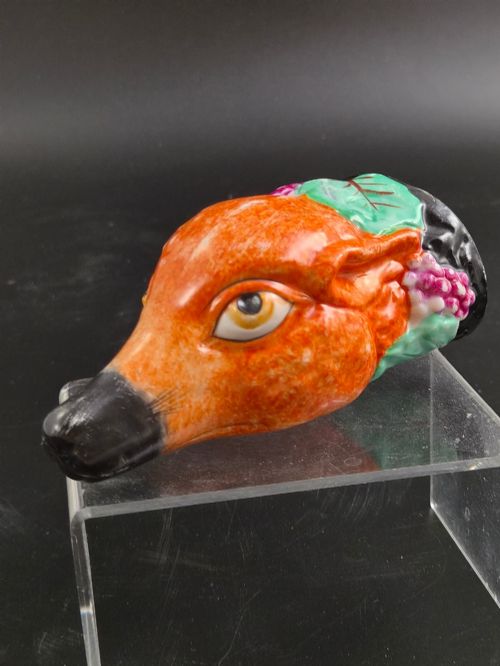
- A specialised drinking vessel lacking a flat base, traditionally handed to a rider before a hunt while still mounted on horseback. They frequently took animal head forms such as foxes or hounds.
- Loving cup
- A large drinking vessel with two or more handles, designed to be passed among guests at communal gatherings and celebrations. They often feature commemorative inscriptions or painted decoration.
Ceramic Drinking Vessel: Frequently Asked Questions
What is a puzzle jug?
A puzzle jug is a historical drinking vessel featuring a perforated neck that stops normal drinking. Users must cover hidden holes in the handle to drink successfully without spilling.
These pieces were popular in taverns as social novelties and drinking games. They demonstrate the playful side of historic ceramic manufacturing.
How do I identify a Georgian mug?
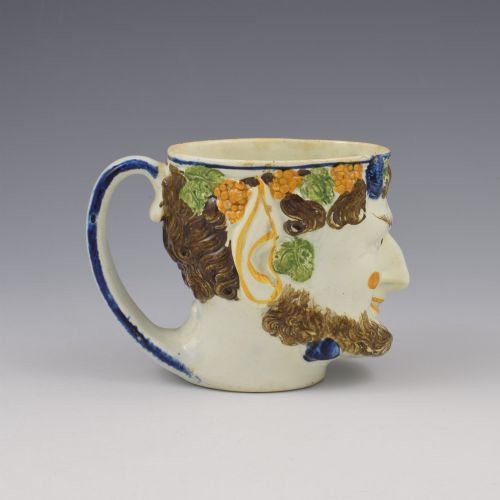
Georgian mugs often feature earthenware bodies with pearlware glazes, hand-painted details, or moulded figural designs like Bacchus. They date from the reigns of the Georges between 1714 and 1830.
Examining the base and glaze pooling helps distinguish these earlier pieces from later nineteenth-century reproductions. Makers during this time utilised distinct regional earthenware formulas.
Were these vessels used daily?
Many mugs, tankards, and beakers served practical functions in homes and taverns for consuming ale, beer, or other beverages. Their sturdy stoneware or earthenware construction accommodated regular handling.
More decorative items like porcelain stirrup cups or elaborate loving cups saw use primarily during special social occasions and hunts.
What is pearlware?
Pearlware is a refined type of earthenware developed in the late eighteenth century to mimic Chinese export porcelain. A subtle blue tint in the glaze distinguishes it from earlier creamware.
Potters utilised pearlware extensively for hand-painted mugs, jugs, and commemorative pieces throughout the Georgian and nineteenth-century periods.