


Century Secretary Desk
A century secretary desk brings together practical storage and a private writing surface in timber such as mahogany, walnut, or oak.
Century Secretary Desk
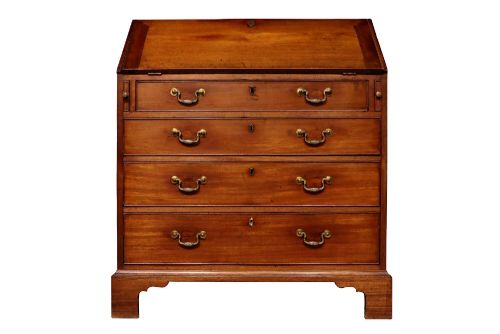
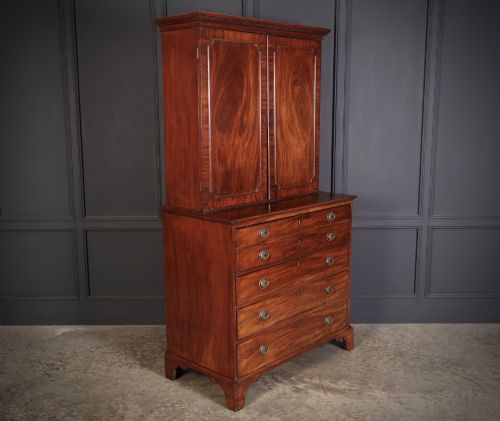
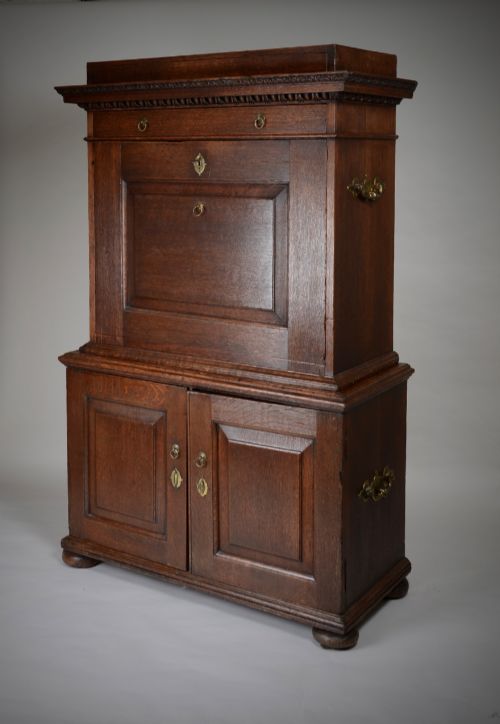
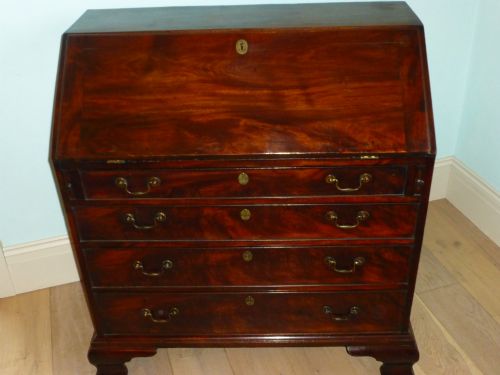
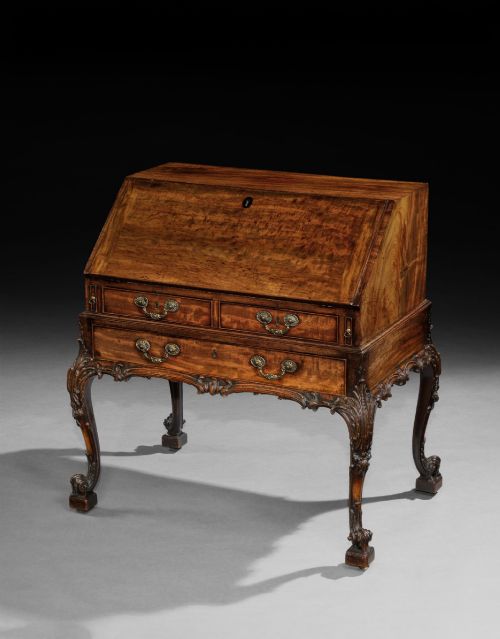
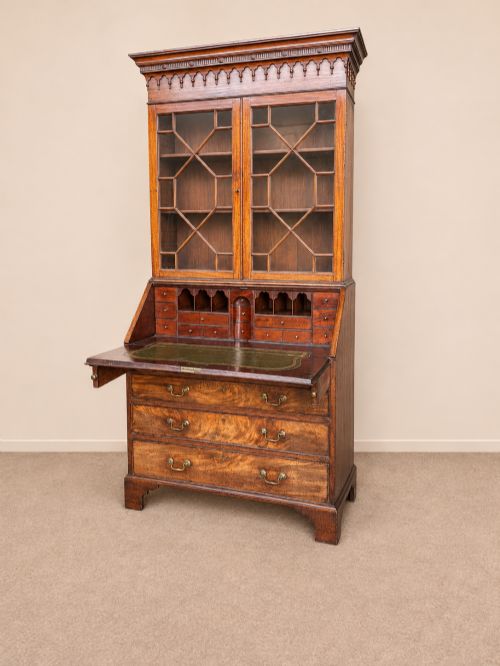
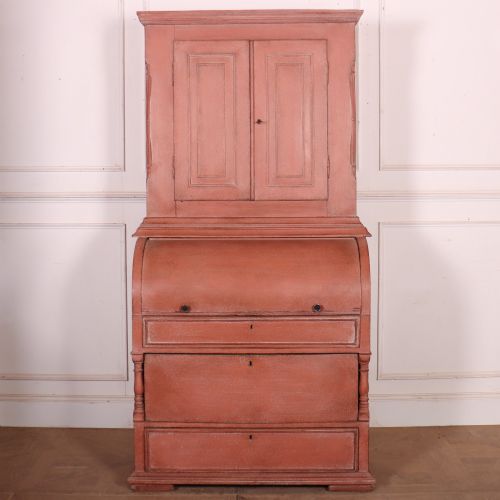
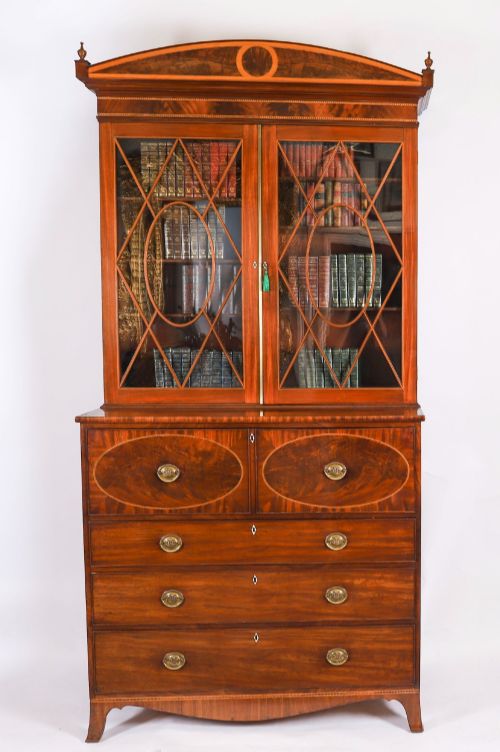
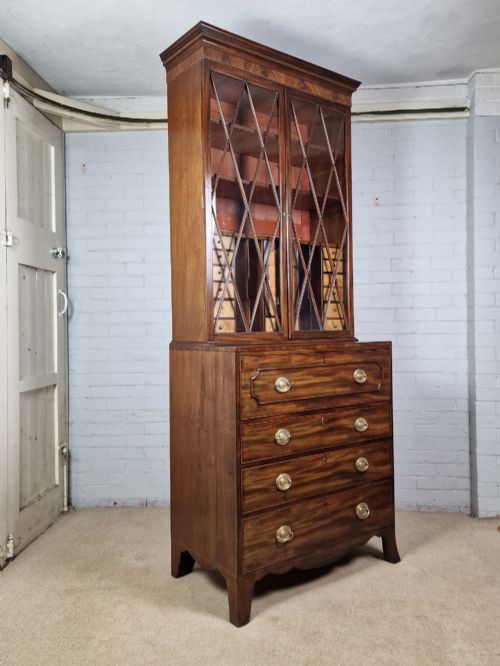
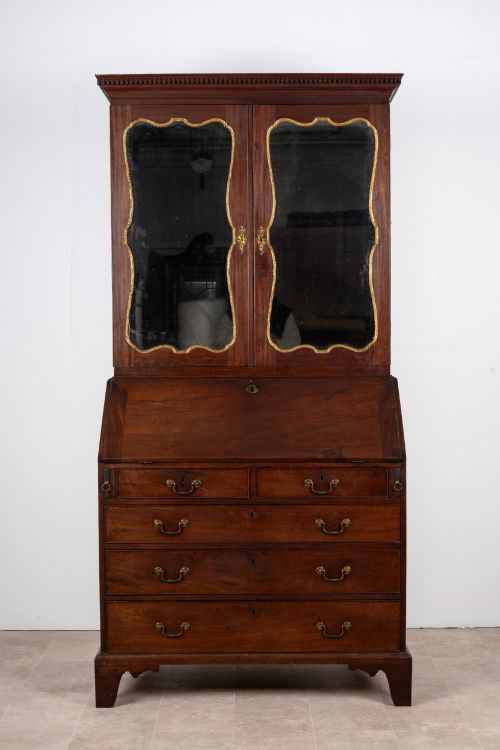
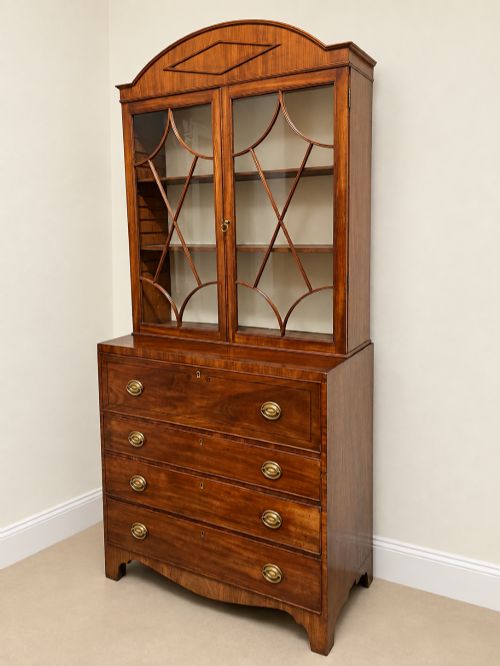
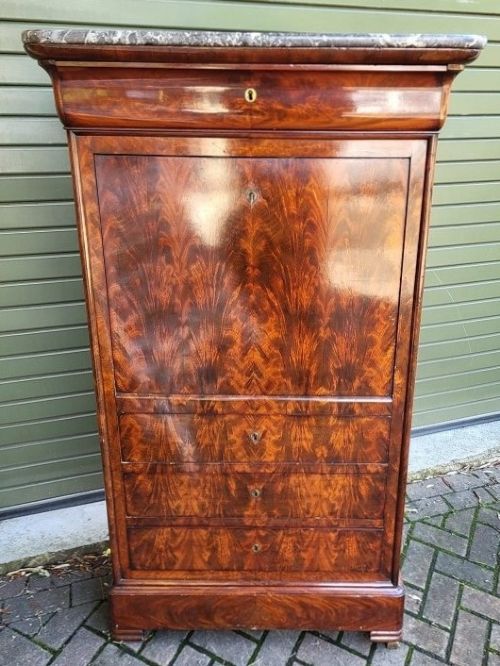
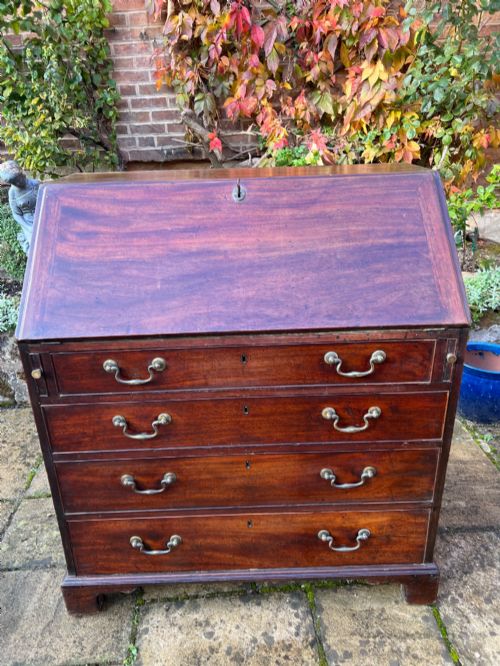
When you search for a century secretary desk, you encounter forms that combine a sloping fall-front or drop-down writing flap with drawers below and frequently a bookcase above. Bureau bookcases, secretaire cabinets, and cylinder desks dominate the selections on this page.
The periods span from the 17th century through to the 20th century, encompassing styles such as Georgian, Regency, Queen Anne, and Edwardian. Mahogany and burr walnut examples from the 18th century sit alongside later oak and satinwood iterations.
These items served primarily for correspondence, household administration, and the display or storage of books. The interior compartments typically incorporate small drawers, pigeonholes, and occasionally hidden wells.
How they were made
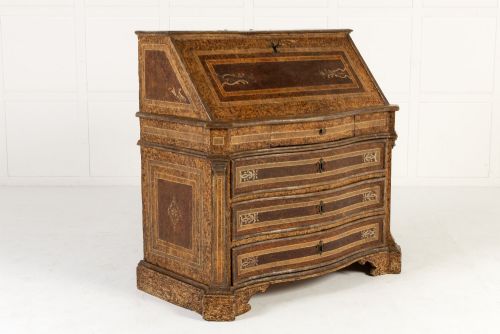
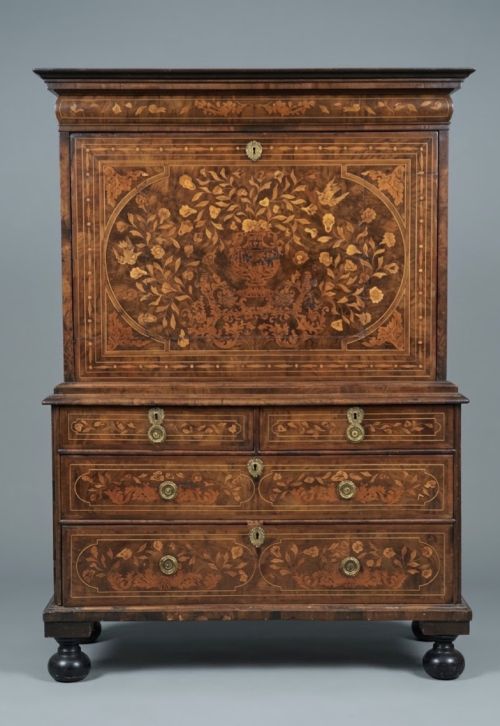
Cabinet makers utilised dense primary timbers like mahogany, oak, and walnut, frequently applying veneers of burr walnut, flame mahogany, or satinwood to visible surfaces. Marquetry inlay, featherbanding, and herringbone patterns add decorative detail to the facades.
Brass hardware, including escutcheons, handles, and hinges, secures drawers and drop-front panels. Glass appears in the glazed doors of the upper bookcase sections, often divided by wooden astragal bars.
Century Secretary Desk Retail Price Guide 2026
Typical asking prices for century secretary desk among the pieces listed under this phrase on Sellingantiques today, from the lower quarter to the upper quarter. They describe what is for sale here now, not the wider market.
Listings feature pieces spanning from the 17th century to the 19th century, constructed in mahogany, walnut, oak, and satinwood.
What varies in quality
The choice of timber veneer and the precision of its matching dictate the visual impact of the piece. Figured mahogany and burr walnut with consistent grain patterns indicate higher grade execution.
Interior complexity separates standard utilitarian models from finer examples. Elaborate fitted compartments, secret drawers, and marquetry pictorial inlays reflect greater investment of labour and skill by the maker.
Gillows of Lancaster·Edwards & Roberts
The Century Secretary Desk Glossary
- Secretaire
- A desk or cabinet containing a writing drawer or a drop-down writing flap. This mechanism conceals an internal arrangement of small drawers and pigeonholes.
- Bureau bookcase
- A dual-purpose furniture form comprising a lower writing desk and an upper shelving unit enclosed by doors. The upper section is often glazed with individual glass panes.
- Marquetry
- Decorative patterns formed by fitting pieces of veneer into a carved wooden ground. Floral motifs and geometric designs appear frequently on walnut and satinwood surfaces.
- Astragal glazed
- Doors divided into smaller glass panes held together by wooden mouldings. This method was standard for 18th and 19th-century bookcase sections.
- Fall-front
- A hinged writing flap that pulls down to a horizontal position for working. It conceals the fitted interior when closed.
Century Secretary Desk: Frequently Asked Questions
What is a century secretary desk?
A century secretary desk is a piece of antique furniture featuring a writing surface combined with storage drawers and sometimes a bookcase. These items date across multiple centuries from the 17th to the 20th.
They provide a dedicated space for writing and organising papers while concealing the working area behind a closed panel when not in use.
How do I identify the period?
Period identification relies on observing the combination of timber, construction methods, and stylistic details. For instance, 17th-century pieces often use oak or early walnut with geometric mouldings, while Regency pieces utilise figured mahogany.
Hardware styles, foot designs, and veneer types also provide clear indicators of whether a piece originates from the Georgian era, the Victorian period, or later.
Where were they used in a home?
These desks functioned as private administrative hubs in studies, libraries, and withdrawing rooms. The upper bookcase sections housed family libraries and valued volumes.
The drop-front or cylinder mechanism allowed owners to secure sensitive correspondence and account books away from casual view.
How do I care for antique timber?
Maintaining antique timber requires keeping the pieces away from direct heat sources and strong sunlight, which can dry out and fade the wood veneers. Consistent indoor humidity prevents the timber from warping or splitting.
Regular dusting with a dry, soft cloth preserves the finish without requiring heavy polishing or chemical treatments.