

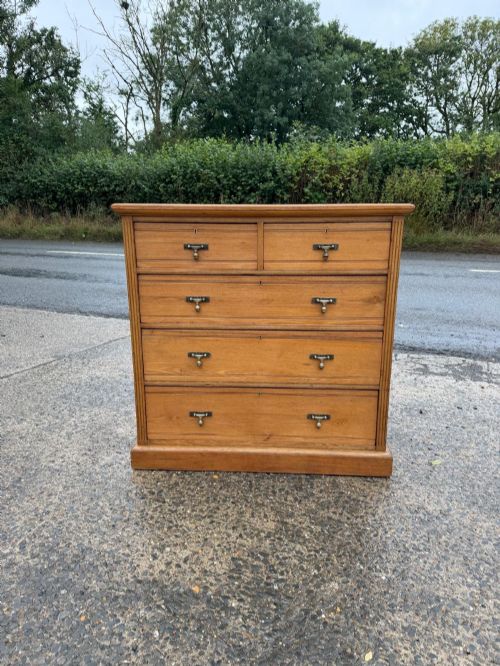

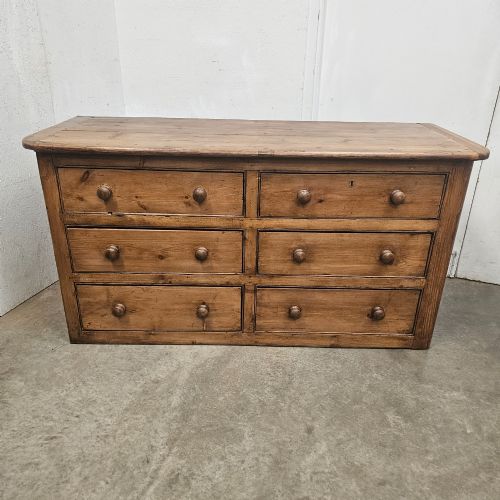
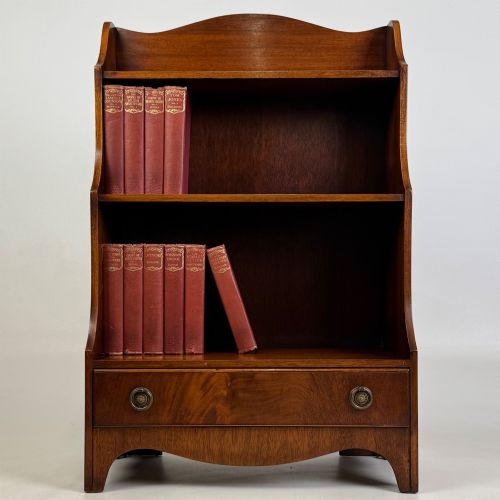
Century Drawer Unit
These century drawer unit pieces range from sturdy pine banks of drawers to elegant mahogany chests, offering practical storage with historic character.
Century Drawer Unit
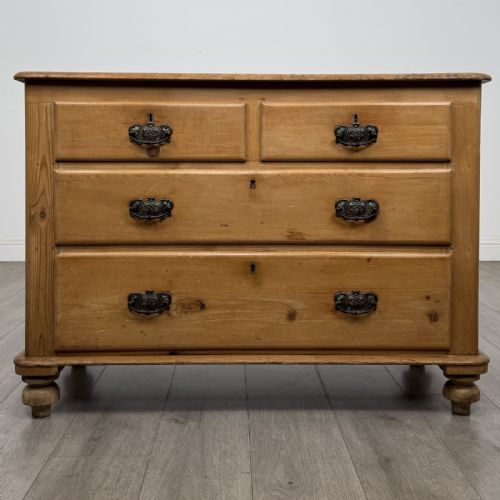
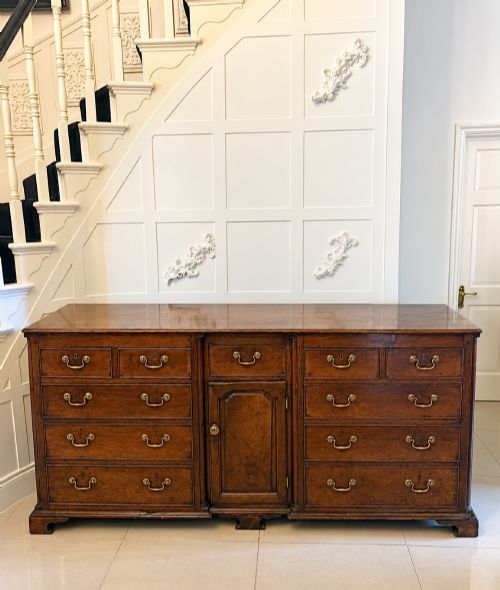
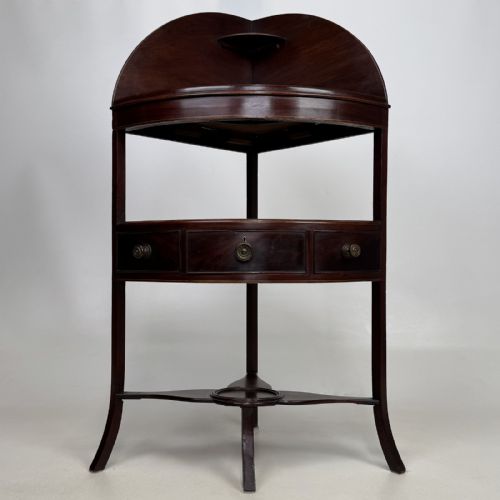
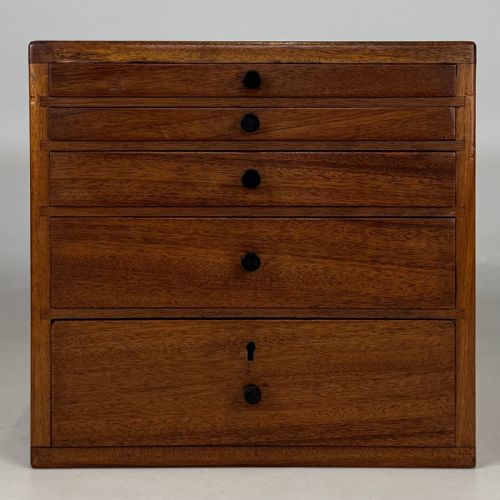
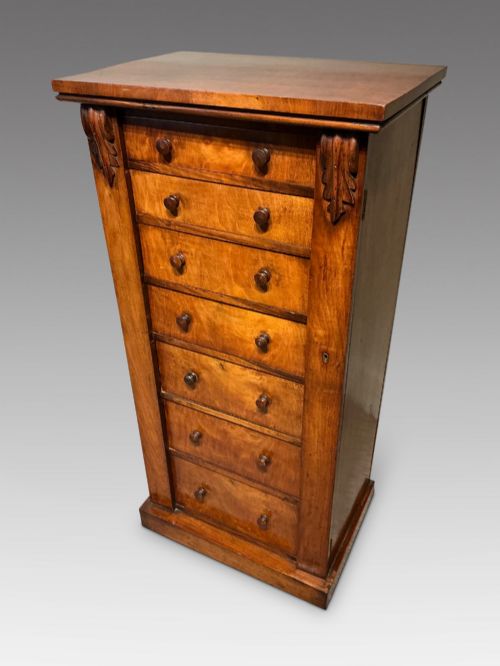
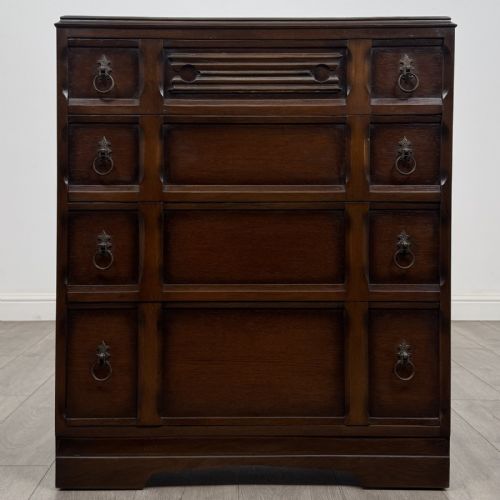
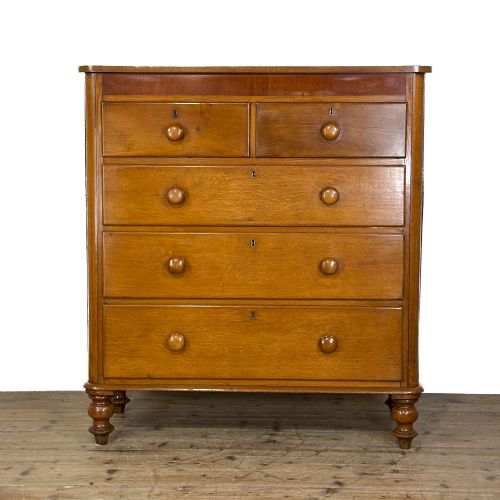
A century drawer unit covers functional storage forms including standard chests of drawers, multi-drawer banks, and miniature apprentice pieces. Pieces stem from periods spanning the seventeenth through the early twentieth centuries, including Georgian, Victorian, and Edwardian eras.
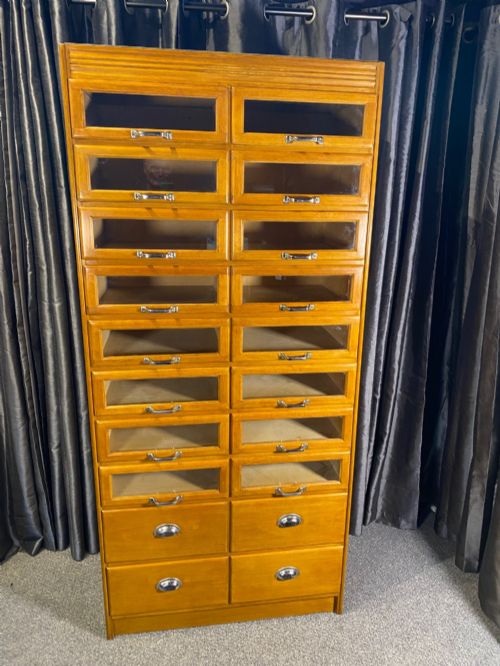
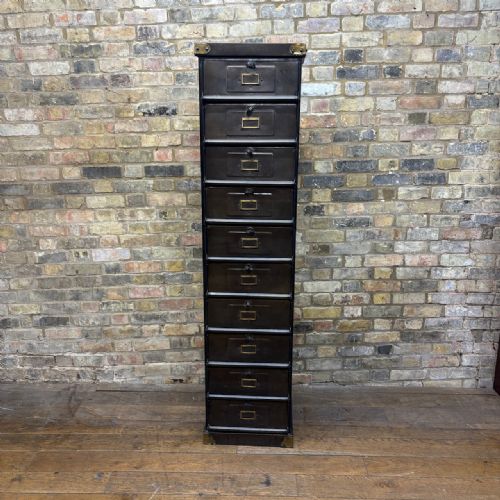
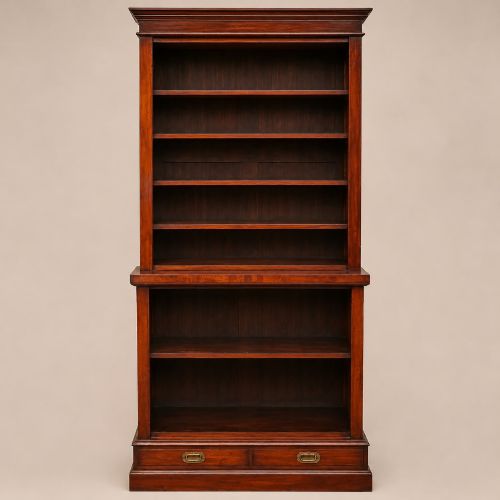
The most frequent items on this page are mahogany and oak chests of drawers alongside utility banks of drawers and pine pieces. Domestic bedroom chests sit alongside multi-drawer apothecary cabinets and open bookcases incorporating lower drawers.
Origins stretch across English workshops, Irish country pieces, and Chinese provincial medicine cabinets in elm. Regional variations bring distinct timber choices and proportions to each piece.
Materials and Construction
Cabinet makers utilised dense hardwoods like mahogany, walnut, and oak alongside softer timbers such as pine and elm. Drawer fronts frequently display figured veneers including flame mahogany and burr walnut.
Construction methods rely on traditional joinery techniques, paired with brass hardware such as acorn handles. Surfaces finish with wax or polish that highlights the natural grain and colour of the wood.
Century Drawer Unit Retail Price Guide 2026
Typical asking prices for century drawer unit among the pieces listed under this phrase on Sellingantiques today, from the lower quarter to the upper quarter. They describe what is for sale here now, not the wider market.
Periods represented span from the seventeenth-century William and Mary era through Georgian, Victorian, Edwardian, and into the 1930s.
Judgments of Quality
The distinction between ordinary and superior pieces rests on the selection of timber and the crispness of the cabinet work. Finely figured veneers and well-proportioned small dimensions elevate a piece above standard utility items.
Original hardware, untouched surface patination, and proportional harmony separate workshop-made examples from later alterations. Subtle details in moulding and drawer construction reveal the competence of the maker.
The Century Drawer Unit Glossary
- Bank of drawers
- A multi-drawer storage unit designed for sorting paperwork, specimens, or workshop items. These pieces often feature numerous small drawers in a tall or wide timber carcass.
- Apprentice chest
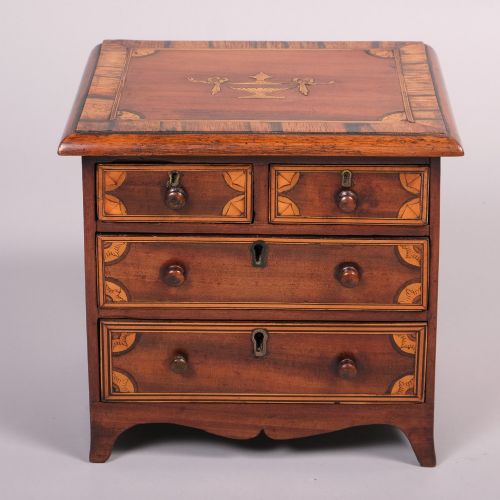
- A small-scale miniature chest created to demonstrate a woodworker's proficiency or serve as a travelling salesman sample. They duplicate the construction details of full-sized furniture in miniature proportions.
- Whatnot
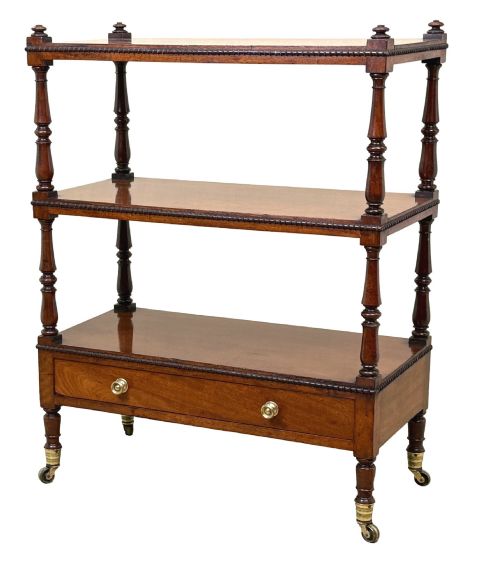
- An open shelving unit with multiple tiers supported by slender uprights, utilised for displaying ornaments or books. Examples from the nineteenth century frequently incorporate a single drawer at the base.
- Patina
- The surface sheen and colour developed by timber over decades of handling, polishing, and exposure to light. This depth of finish is valued by collectors for its evidence of age.
- Bachelor's chest
- A compact chest of drawers featuring a fold-over top or sliding shelf intended as a writing surface. These versatile pieces date predominantly to the eighteenth century.
Century Drawer Unit: Frequently Asked Questions
What periods do these drawer units cover?
The pieces span multiple centuries, ranging from seventeenth-century oak examples through eighteenth-century Georgian designs to Victorian and Edwardian items.
Twentieth-century pieces also appear, including industrial banks of drawers and vintage oak plan chests.
How were multi-drawer units originally used?
Large banks of drawers served commercial, apothecary, and institutional purposes for sorting items efficiently.
Miniature versions functioned as sample pieces or apprentice training exercises, while domestic chests stored clothing and personal possessions.
How do I care for antique timber furniture?
Keep wooden pieces away from direct heat sources and rapid temperature shifts to prevent timber shrinkage and veneer cracking.
Apply occasional traditional wax polish to nourish the surface and maintain the natural lustre of the wood.
How are different regional styles distinguished?
English pieces often utilise mahogany or oak with formal Georgian or Victorian proportions, whereas Irish pieces favour waxed pine.
Chinese provincial cabinets utilise local elm with distinctive hardware and multi-drawer configurations suited to herbal medicine storage.