
Central Asian Suzani Embroidery
Central asian suzani embroidery brings the rich textile traditions of Central Asia into modern interiors through hand-stitched silk panels.
Central Asian Suzani Embroidery
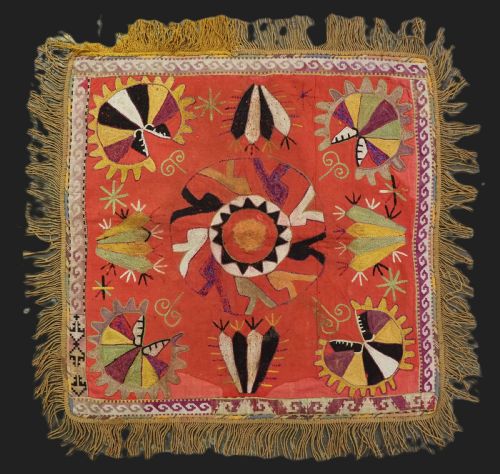
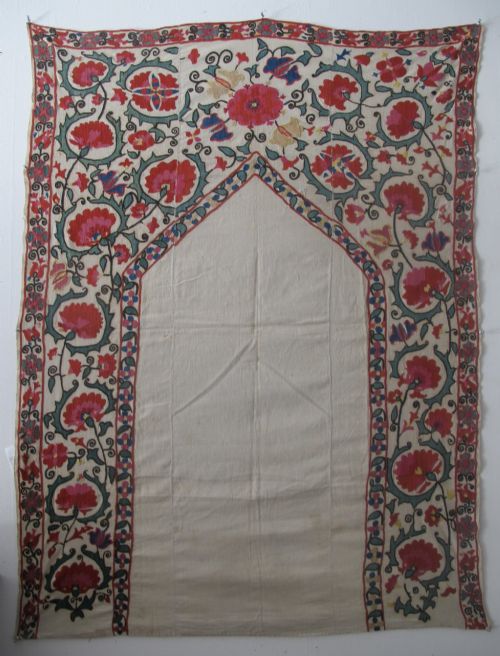
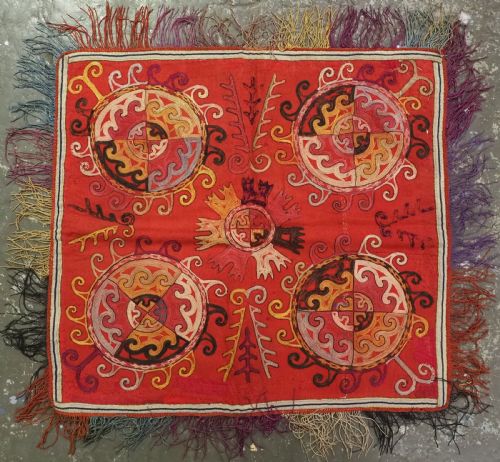
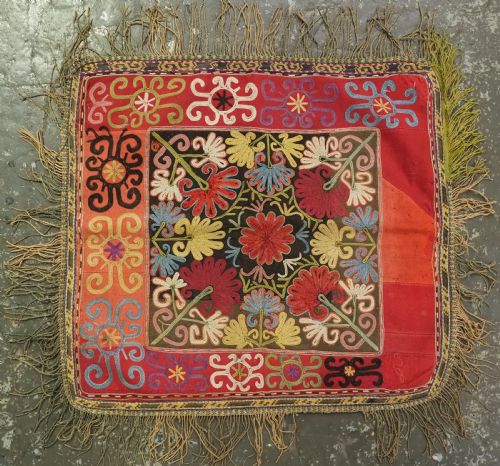
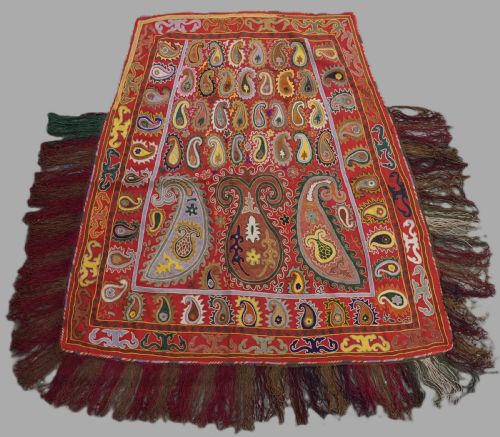
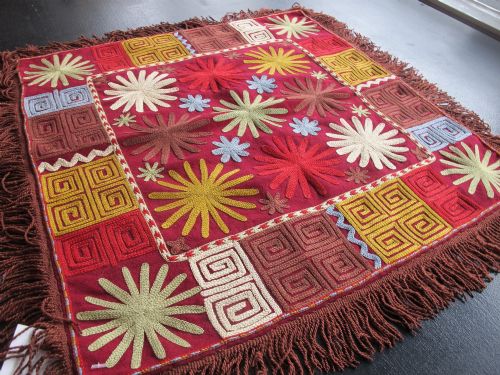
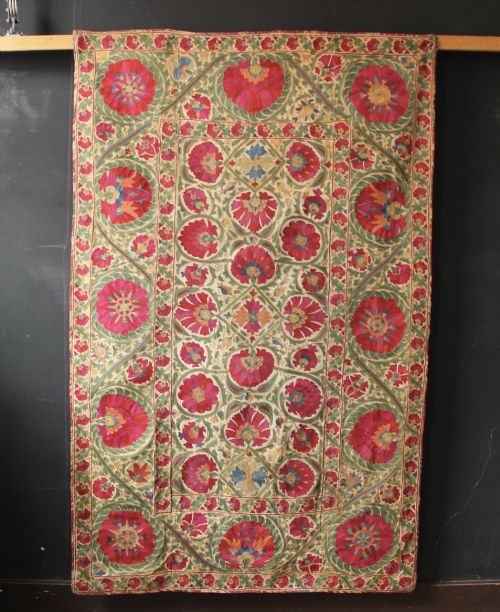
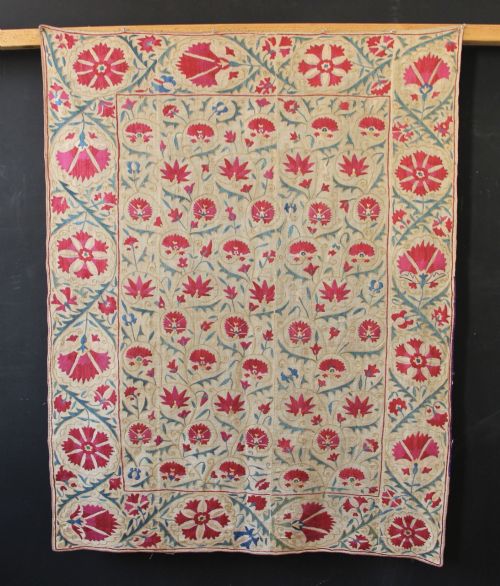
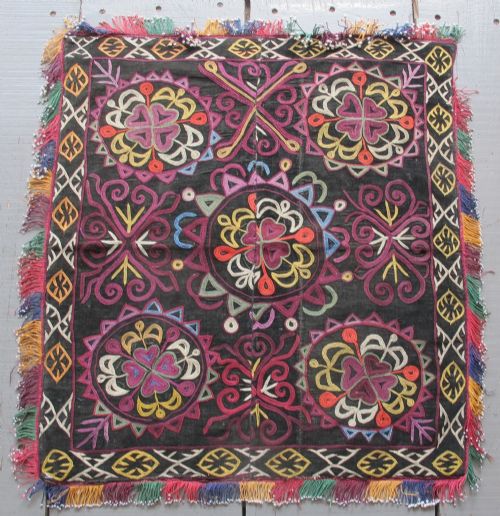
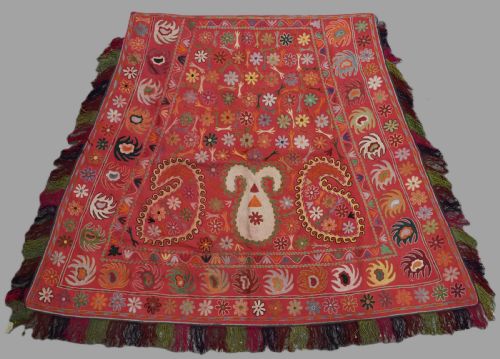
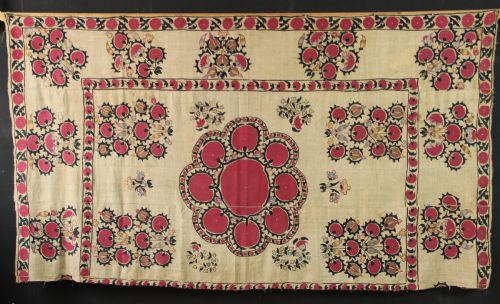
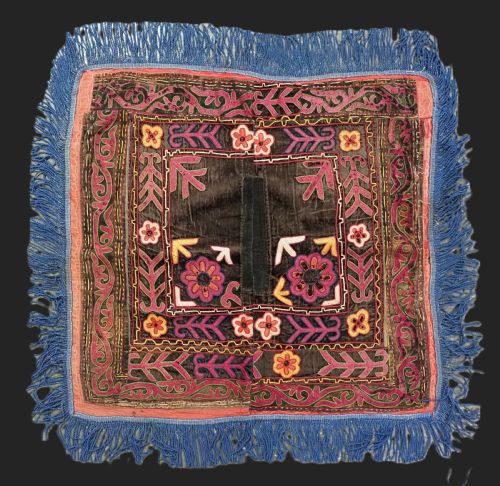
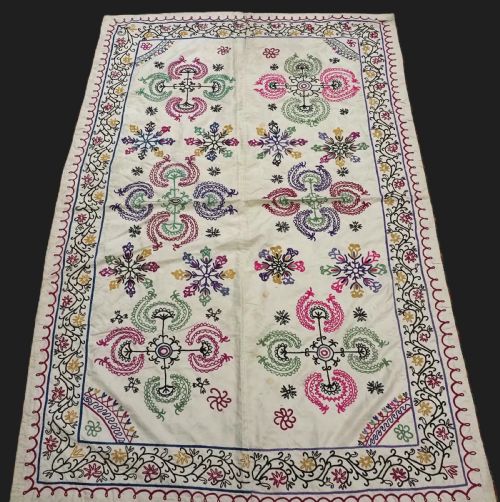
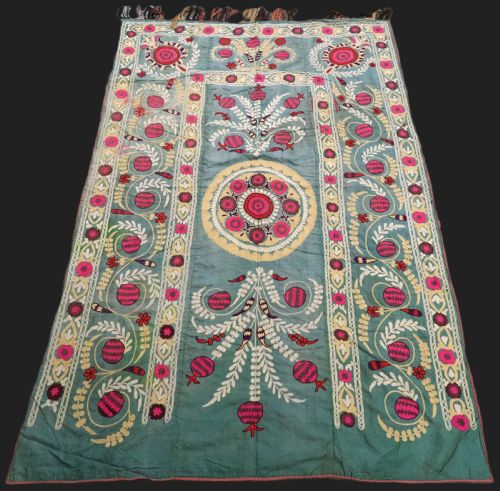
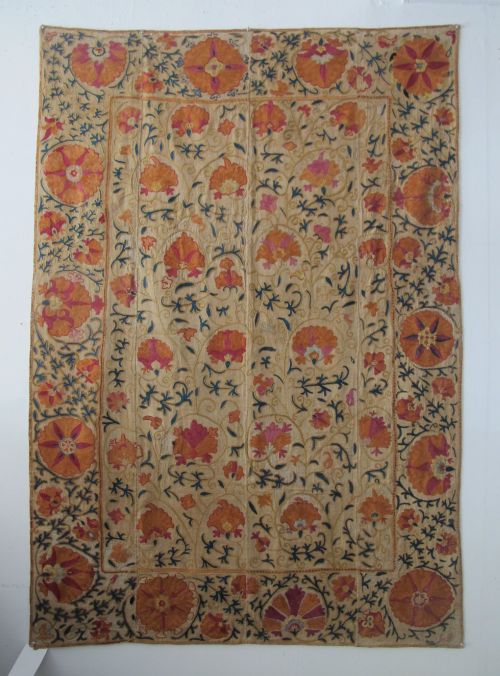
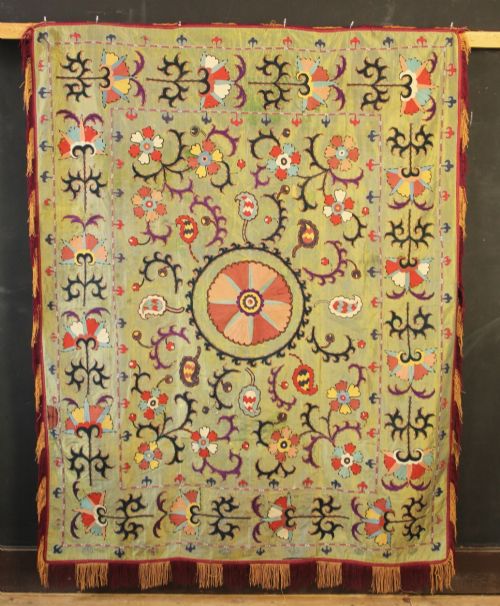
When you search for central asian suzani embroidery, you encounter hand-stitched textiles originating from regions such as Uzbekistan, featuring traditional regional designs and formats. The selection includes large wall hangings, ceremonial horse covers, and domestic furnishings like bed covers.
The pieces on this page span the nineteenth and early twentieth centuries, reflecting diverse tribal traditions including Lakai, Tajik, and Bokhara workmanship. Buyers often find smaller nim suzanis alongside substantial panels intended for display in homes.
Materials and construction
Artisans built these textiles using ground fabrics of cotton, wool, silk, or mixed adras cloth, often dyed in distinct shades. Silk thread forms the primary medium for the intricate needlework that defines the surface.
Makers occasionally incorporated additional elements such as glass beads to enrich the decorative schemes. The stitching follows established regional patterns executed by hand across various tribal communities.
Nomadic makers stitched protection and good fortune directly into ceremonial horse covers designed for special tribal gatherings.
Factors determining quality
The standard of central asian suzani embroidery relies on the density and precision of the needlework across the textile ground. Tighter, more complex stitching patterns and well-balanced compositions distinguish finer examples from simpler works.
The choice of foundation material and the preservation of the original silk threads heavily influence the character of each piece. Intact structures and vibrant, harmonious colour arrangements elevate specific items within the range.
The Central Asian Suzani Embroidery Glossary
- Suzani
- An embroidered textile panel originating from Central Asia, traditionally worked in silk on a cotton or silk ground. These pieces served functional and decorative roles within domestic life.
- Nim
- A smaller variant of a standard suzani, typically measuring roughly half the full scale. These compact panels offer versatile display options for interior walls.
- Ilgich
- A specific type of dowry embroidery or wall hanging associated with nomadic and tribal groups. They display characteristic regional motifs worked in vibrant thread.
- Torba
- A traditional hanging bag or container used within nomadic households for storage. They feature detailed needlework similar to contemporary panel designs.
Central Asian Suzani Embroidery: Frequently Asked Questions
How were suzanis originally used?
These textiles served multiple domestic and ceremonial purposes within Central Asian households, functioning as wall hangings, bed covers, and dowry items.
Nomadic and settled communities also utilised specialised pieces like ceremonial horse covers and storage bags for tribal events.
How do I care for antique embroidery?
Protect delicate silk textiles from direct sunlight to prevent fading of the natural and organic dyes used in the threads.
Mount wall hangings securely using professional conservation methods to avoid placing undue strain on the historic ground fabric.
What is a nim suzani?
A nim suzani is simply a smaller version of the standard full-scale decorative textile panel.
These compact formats make them particularly practical for interior display where wall space is limited.
Which regions produced these pieces?
Production centres include historic cities and regions such as Bokhara, Nurata, and Shakrisabz within modern-day Uzbekistan.
Different tribal groups, including the Lakai and Tajik communities, developed distinct regional styles and colour palettes.