

Central Asian Nomadic Textile
Central Asian nomadic textile pieces encapsulate vibrant tribal history through authentic rugs, bags, and ceremonial horse covers dating back to the nineteenth century.
Central Asian Nomadic Textile
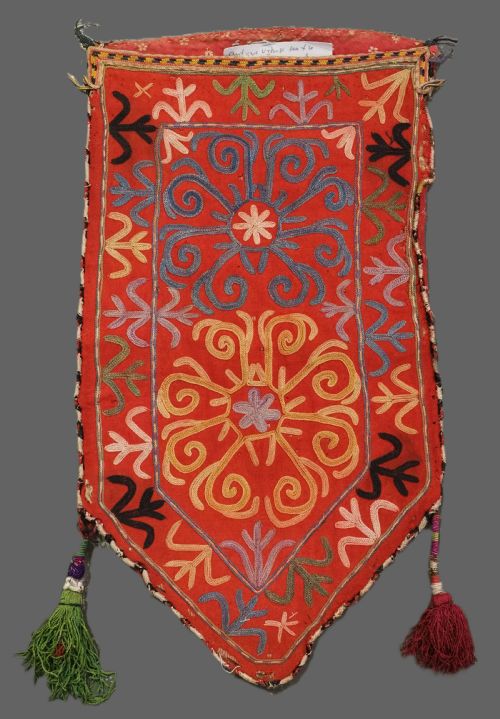
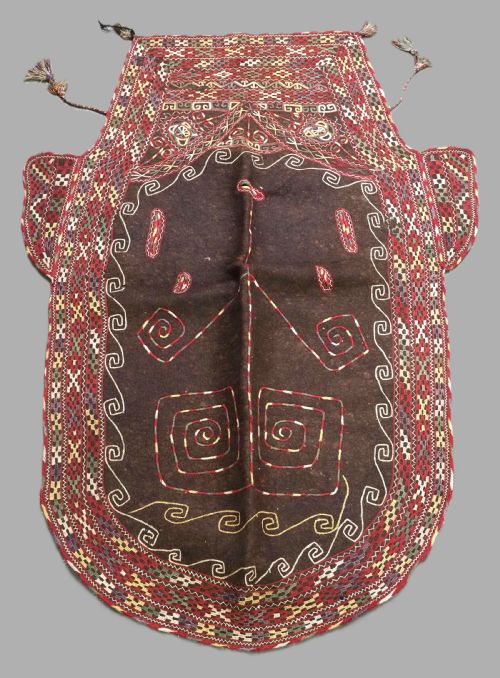
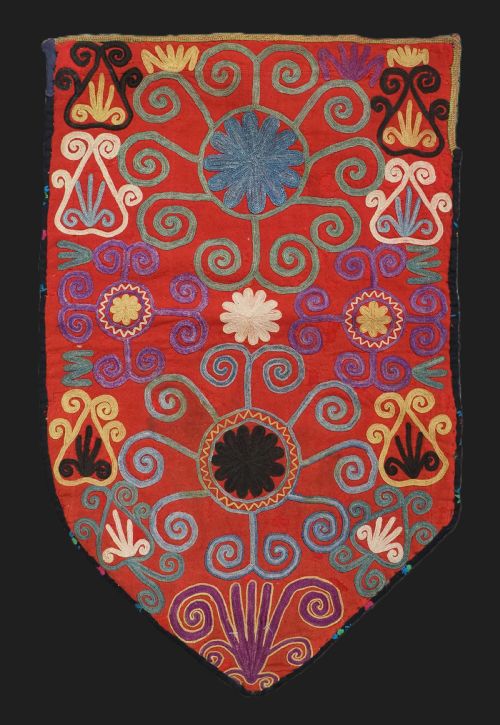
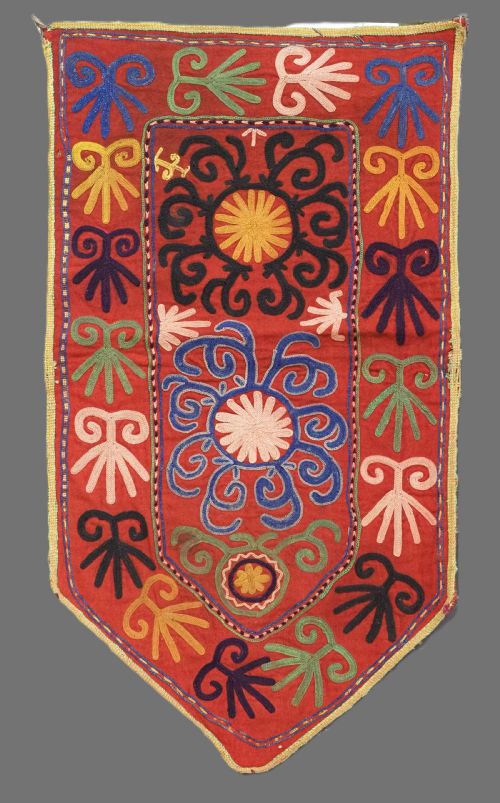
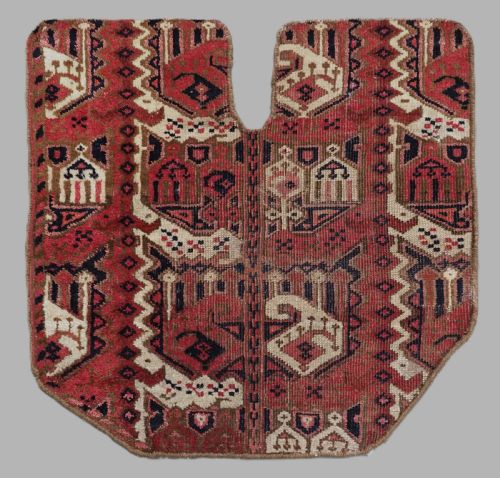
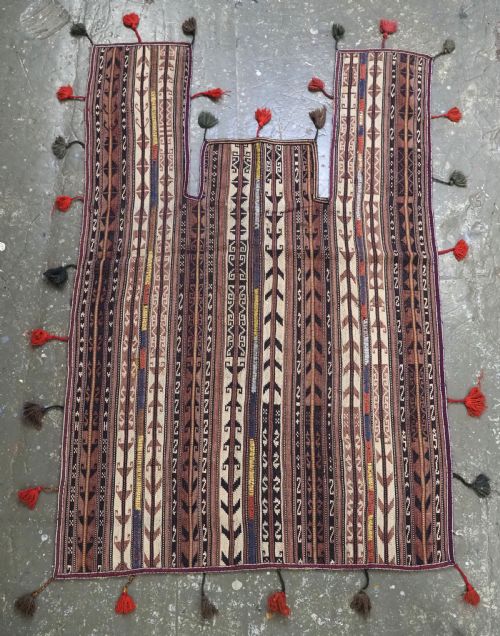
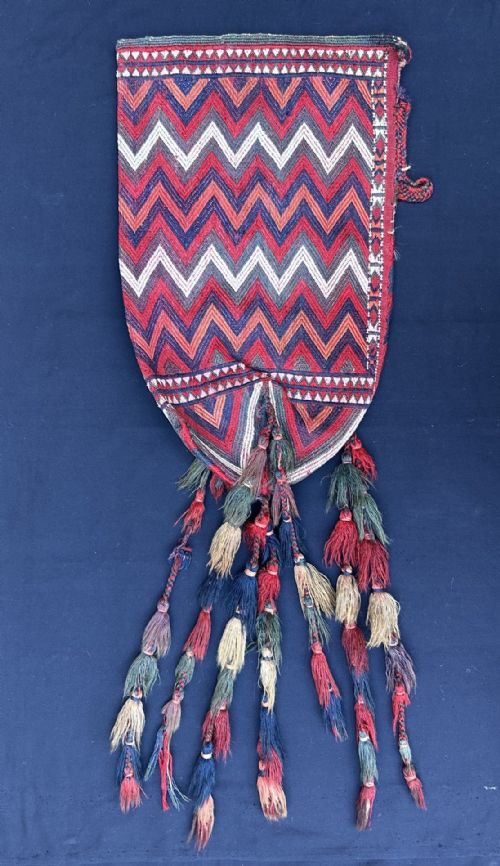
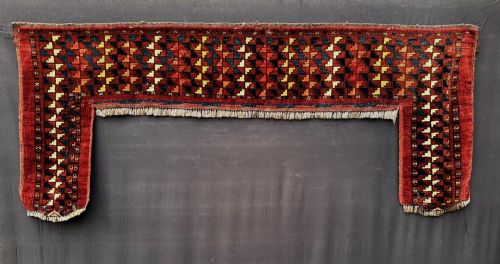
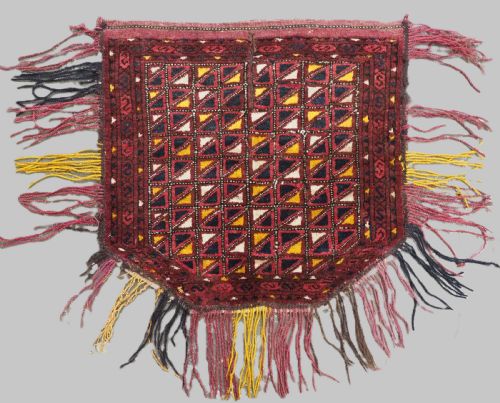
A central asian nomadic textile represents the utilitarian and ceremonial artistry of tribal groups living across the steppes and oases of the region. These items include functional household storage bags, wall hangings, and horse covers created by specific groups like the Yomut, Tekke, Ersari, and Lakai Uzbeks.
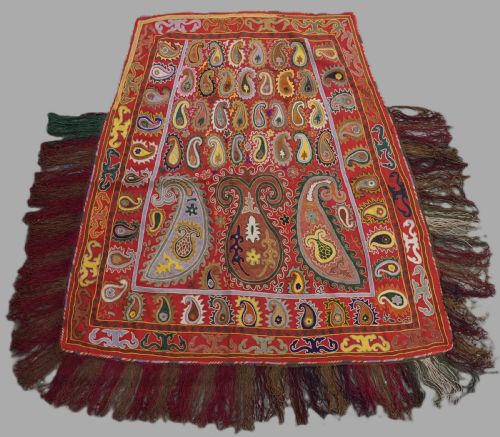
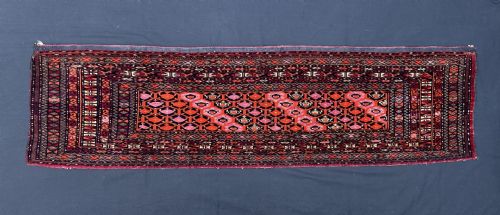
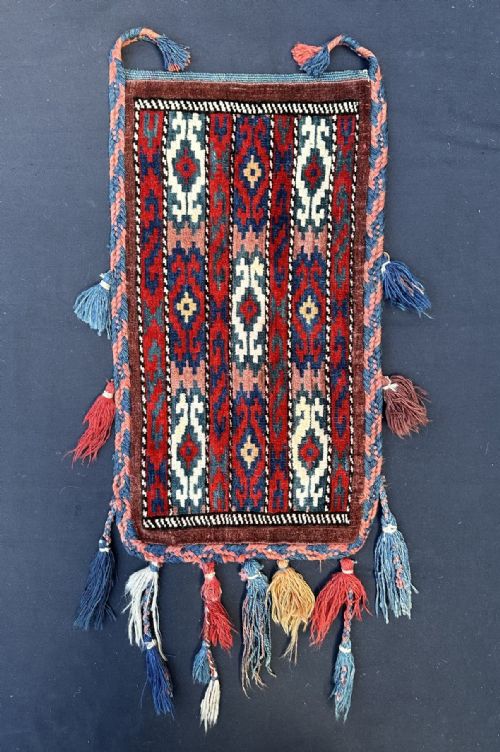
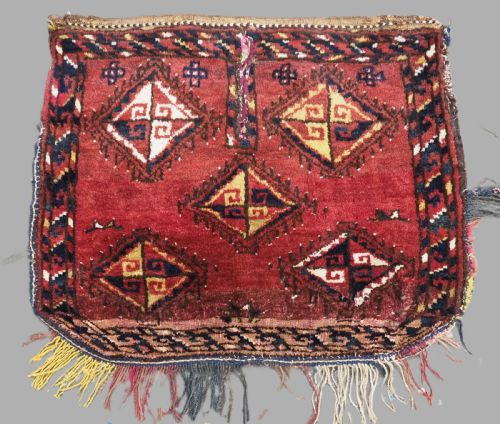
Buyers encountering this category will frequently meet nineteenth and early twentieth-century examples intended for daily nomadic life or dowry displays. Common formats range from small torba and jollar storage faces to large ceremonial felt blankets and embroidered ilgich wall hangings.
The visual vocabulary relies on traditional tribal motifs and geometric patterns tied directly to specific regional identities. Pieces often reflect the practical needs of pastoral existence transformed into enduring domestic art.
Materials and construction methods
Makers utilised locally sourced wool, cotton, and silk, combining structural weaving with dense surface embroidery. Natural dyes provided the rich palette seen across nomadic carpets, flatweaves, and decorative panels.
Felted wool served as a primary foundation for durable outdoor items like horse blankets, while tightly spun cotton thread and silk thread allowed artisans to execute intricate embroidery on wall hangings and dowry pieces.
Current selections span from the mid-nineteenth century through the early twentieth century, featuring works by Yomut, Tekke, Ersari, and Lakai makers.
Judging quality and craftsmanship
Superior quality in a central asian nomadic textile shows in the density of the weave, the crispness of the tribal motifs, and the depth of the natural dye palette. Master weavers achieved exceptional precision in structural symmetry and thread placement.
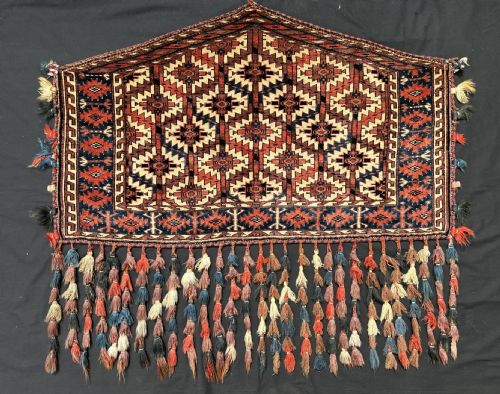
Condition and completeness also govern the hierarchy, with surviving original elements such as flatweave backs, tassels, and unbroken borders elevating a piece. Authenticity of materials and regional integrity distinguish standard utility items from masterwork tribal commissions.
The Central Asian Nomadic Textile Glossary
- Torba
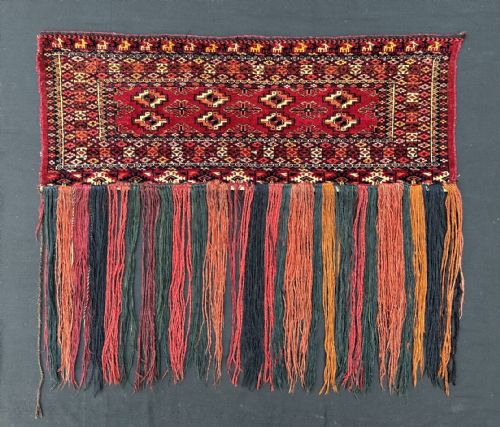
- A small Turkmen storage bag used inside the yurt for household possessions. These items typically feature distinct tribal gul patterns on the face.
- Ilgich
- An embroidered Uzbek wall hanging created as part of a traditional bride's dowry. These textiles display expressive needlework intended for domestic display.
- Gul
- A medallion motif repeated across Turkmen carpets and bags. Each tribal group utilised characteristic variations of this design.
- Asmalyk
- A large, pentagonal ceremonial trapping used during traditional wedding processions. They were typically mounted on the flanks of a bride's camel.
- Jollar
- A long, horizontal storage bag designed for camel transport. These pieces combined practical utility with sophisticated tribal weaving techniques.
Central Asian Nomadic Textile: Frequently Asked Questions
What is a central asian nomadic textile?
A central asian nomadic textile is a handcrafted functional or ceremonial item made by tribal weavers across historical regions like Turkmenistan and Uzbekistan.
These pieces include horse covers, storage bags, and wall hangings created from wool, felt, cotton, and silk.
How were these textiles used?
Nomadic communities utilised these items for daily camp life, interior storage, animal transport, and significant rites of passage like weddings.
Many objects functioned as practical containers for household goods while simultaneously displaying family status and tribal identity.
How do I care for antique textiles?
Proper care involves keeping wool and silk pieces out of direct sunlight to prevent natural dye fading. Gentle vacuuming with a mesh screen protects fragile flatweaves and embroidered surfaces.
Avoid hanging heavy wall pieces by single points to distribute weight evenly across the fabric.
How are different tribal groups identified?
Tribal attribution relies on specific structural formats, wool qualities, and distinct geometric motifs such as the primary guls used by Yomut or Tekke weavers.
Embroidery styles and colour palettes also point directly to distinct regional groups like the Lakai Uzbeks or Ersari Turkmen.