







Central Asian Bag
A central asian bag brings nomadic textile artistry into a room, offering patterned wool storage sacks woven by tribal groups.
Central Asian Bag
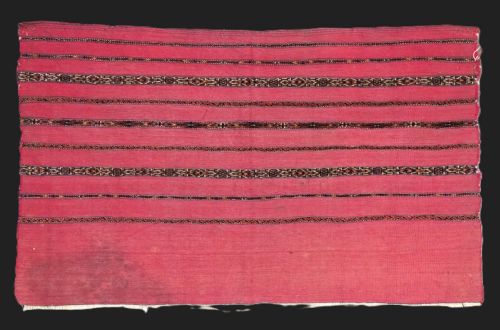
A central asian bag encompasses tribal weaving from nomadic and settled groups across Turkmenistan and Uzbekistan, dating mainly from the mid-nineteenth century to the early twentieth century.
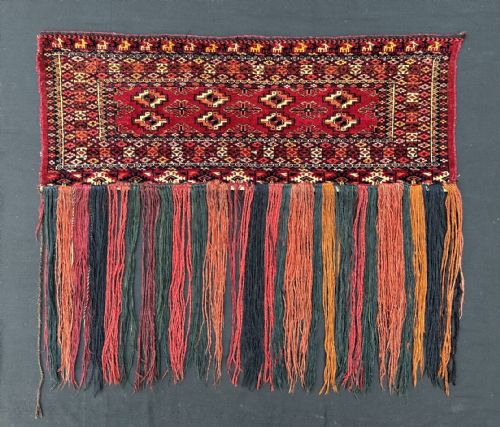
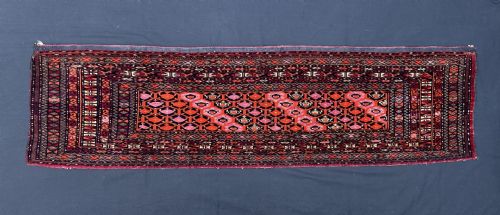
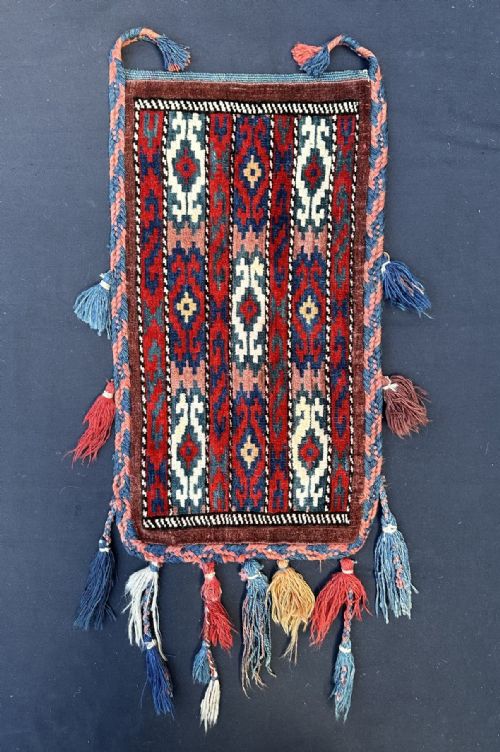
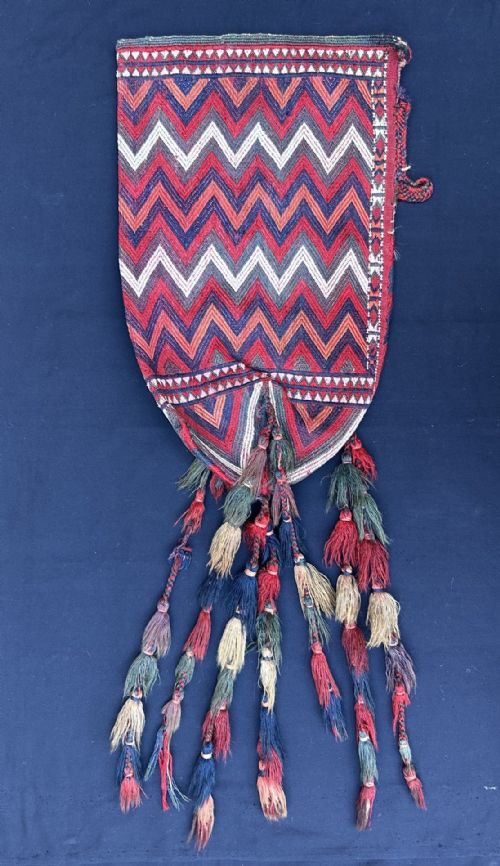
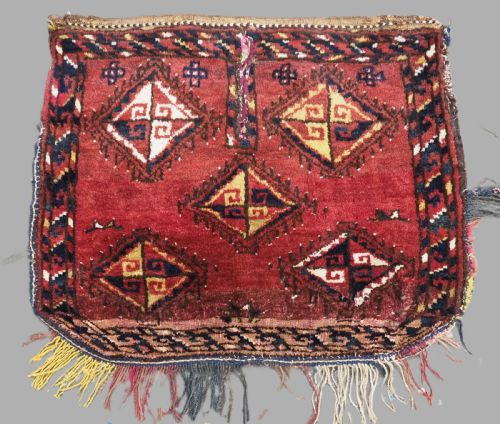
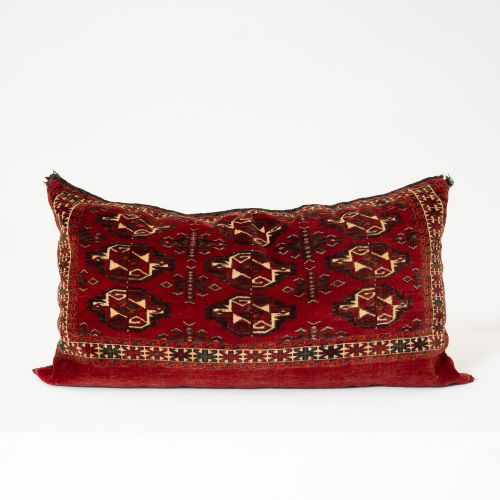
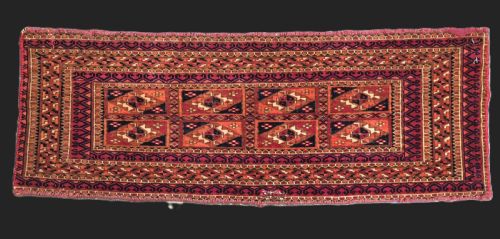
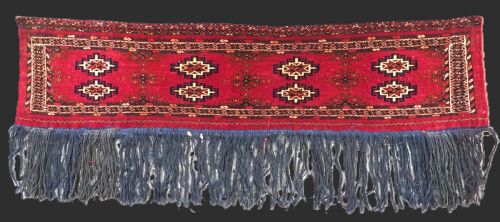
The most common formats met on this page are tent-bags, torbas, chuvals, and specialised pouches like spindle bags or utilitarian storage sacks.
These items served practical nomadic needs for transport and household storage inside felt tents, displaying tribal identities through traditional patterning.
Materials and construction
Weavers utilised hand-spun wool for structural foundations and pile, often combining cotton for structural contrast and silk for detailed highlights.
Colour palettes derived from natural dyes, producing deep madder reds, soft ivories, and dark indigo contrasts that mellow gracefully over decades of age.
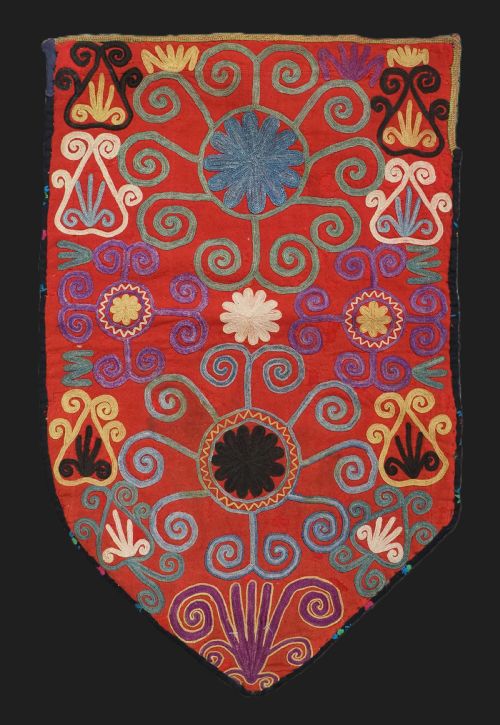
Techniques range from dense symmetrical knotting on pile-woven torbas and chuvals to intricate flatweave structures and embroidered surface decoration on Uzbek pieces.
Central Asian Bag Retail Price Guide 2026
Typical asking prices for central asian bag among the pieces listed under this phrase on Sellingantiques today, from the lower quarter to the upper quarter. They describe what is for sale here now, not the wider market.
Listings span periods from the mid-nineteenth century to the early twentieth century, featuring Yomut, Tekke, Saryk, and Ersari tribal origins.
Assessing quality
Quality rests upon knot density, handle flexibility, and the crisp execution of tribal guls or motifs across the face of the weaving.
Examples retaining their original plain-weave backs or complete hanging flaps command greater regard among collectors than isolated fragments or trimmed faces.
The purity and saturation of natural dye work, particularly rich reds against ivory or brown grounds, elevate a piece well above standard commercial output.
The Central Asian Bag Glossary
- Chuval
- A large tent-bag utilised by Turkmen tribes for household storage inside a yurt. These wide rectangular sacks typically display multiple primary guls.
- Torba
- A smaller storage bag hung on the interior lattice walls of a nomad tent. They appear frequently on this page in various tribal attributions.
- Gul
- A primary medallion motif repeated across tribal rugs and bags. Each design often signifies a specific clan or sub-tribe.
- Uut Kap
- A specialised storage bag originating from Uzbek Lakai groups, often created with embroidery and silk highlights.
- Igsalyk
- A specific Yomut spindle bag designed to hold wool-spinning tools. These narrow pouches terminate in a triangular flap or opening.
Central Asian Bag: Frequently Asked Questions
What were central asian bags used for?
Nomadic families utilised these woven containers for storing bedding, clothing, and household goods inside traditional felt tents.
They functioned as portable furniture, hung from interior lattice walls or packed onto animals during seasonal migrations.
How do I tell different tribal bags apart?
Distinction relies upon structural formats, wool quality, and the specific geometry of repeating medallion motifs across the face.
Tekke, Yomut, Saryk, and Ersari weavers each employed distinct palettes and structural details that identify their origin.
Are complete bags better than fragments?
Examples retaining their original plain-weave wool backs and closures represent the complete historical object created by the weaver.
Bag faces cut down into decorative panels still offer great visual merit, though whole pieces remain more complete historical artefacts.
How should I display a textile bag?
Mounting textile bags involves careful support across a padded rod or backing to distribute weight evenly without pulling individual warp threads.
Keeping them away from direct sunlight preserves the natural dyes utilised in their creation.