


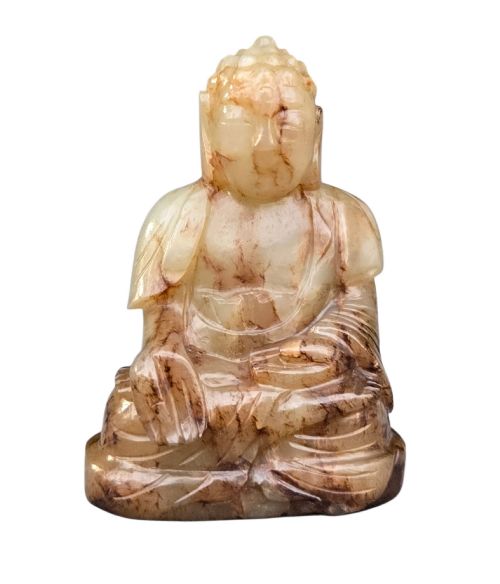


Celadon Jade Carved Sculpture
These celadon jade carved sculpture pieces bring centuries of master craftsmanship and intricate Chinese tradition directly into your home.
Celadon Jade Carved Sculpture
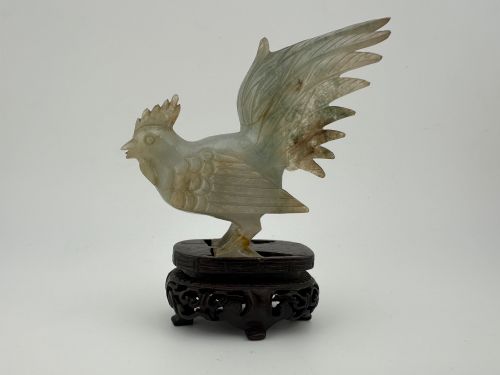
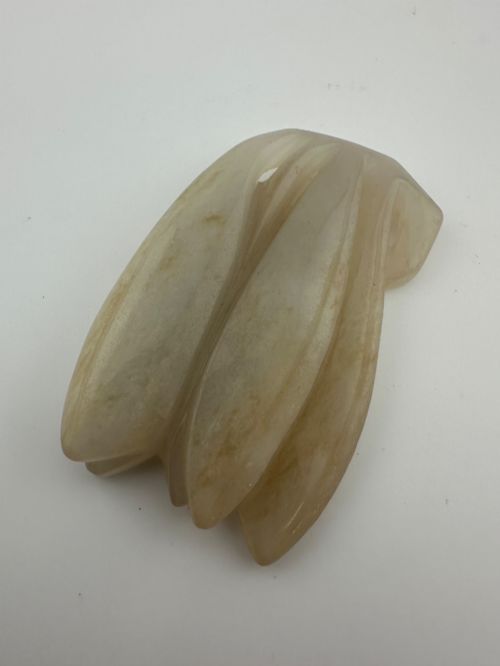
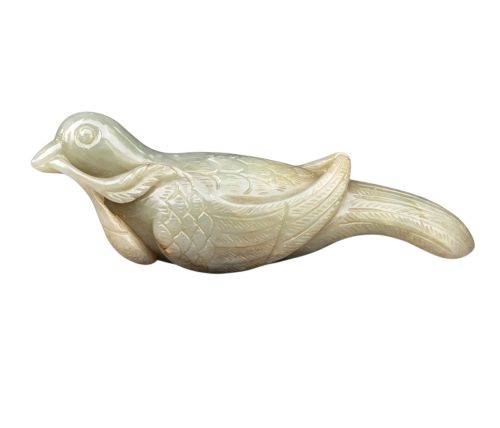
A celadon jade carved sculpture brings tangible history into a room, taking forms from aquatic motifs and water birds to monumental landscapes and auspicious roosters. The selection ranges from compact miniatures and scholar's brush washers to substantial figural groups and mountain landscapes.
Most examples originate from the Qing Dynasty and the Republic Period, spanning the eighteenth and nineteenth centuries up to the early twentieth century. Buyers encounter both diminutive animal carvings and larger sculptural groups mounted on fitted hardwood stands.
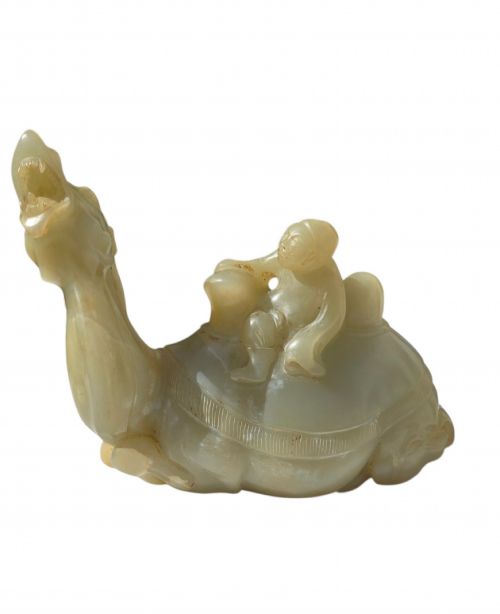
Makers often drew inspiration from traditional Chinese iconography, depicting dragons, horses, camels with riders, and seated figures of Buddha. These objects bridge decorative art and scholarly utility, serving simultaneously as display pieces and functional vessels.
Evaluating the work
Quality rests in the sensitivity of the carving and how well the artisan utilised the natural characteristics of the raw stone. Superior pieces display fluid lines, deep undercut relief work, and meticulous attention to anatomical or botanical detail.
The presence of a well-fitted, carved hardwood stand often complements the better sculptures, showing a harmonious relationship between the stone and its secondary material. Finer examples maintain crisp edges on intricate motifs without losing the tactile warmth characteristic of worked nephrite.
A camel carrying its rider shares shelf space with a tiny fish and a small boy holding a bird's nest.
The Celadon Jade Carved Sculpture Glossary
- Celadon jade
- A pale green or grey-green mineral of the jade family, highly prized for its subtle tone and translucency. This material forms the primary medium for many traditional Chinese sculptures.
- Nephrite
- A compact, tough amphibole mineral that constitutes the majority of historical Chinese jade carvings. Its fibrous structure allows for remarkably intricate and durable sculptural details.
- Scholar's object
- An item made for the desk of a traditional Chinese scholar, such as a brush washer or small vessel. These pieces combined utilitarian function with refined aesthetic contemplation.
- Qing Dynasty
- The final imperial dynasty of China, lasting from sixteen-forty-four until nineteen-twelve. Much of the finest jade carving work survives from this extended period of artistic production.
Celadon Jade Carved Sculpture: Frequently Asked Questions
What is celadon jade?
Celadon jade refers to nephrite or related hardstone exhibiting a soft greyish-green or pale green coloration. This specific hue results from iron compounds naturally present within the stone.
Carvers valued this material for its subtle elegance and ability to take a smooth, lustrous polish.
How were these sculptures displayed?
Many of these pieces served as scholarly desk objects or decorative ornaments within traditional interiors. They were frequently positioned on custom-carved hardwood stands to elevate and showcase the stone.
Larger landscapes and figural groups occupied prominent places on tables or cabinets for aesthetic appreciation.
How do I date a carving?
Dating relies on stylistic markers, carving depth, and the specific iconography associated with periods like the Qing Dynasty or Republic era. Examining tool marks and the patina of the stone provides further clues to age.
Comparison with documented examples from similar eras helps establish a reliable timeframe for manufacture.
Are these pieces fragile?
While jade and nephrite are exceptionally tough minerals due to their interlocking crystal structure, protruding elements like thin branches or animal limbs remain vulnerable to sharp impacts. Handling requires care, particularly around fitted wooden stands and delicate relief work.
Normal placement away from edges ensures safe day-to-day display.