


Dark Wood Carved Plinth
A dark wood carved plinth gives height and drama to a room, lifting sculpture or ornament with substance and style.
Dark Wood Carved Plinth
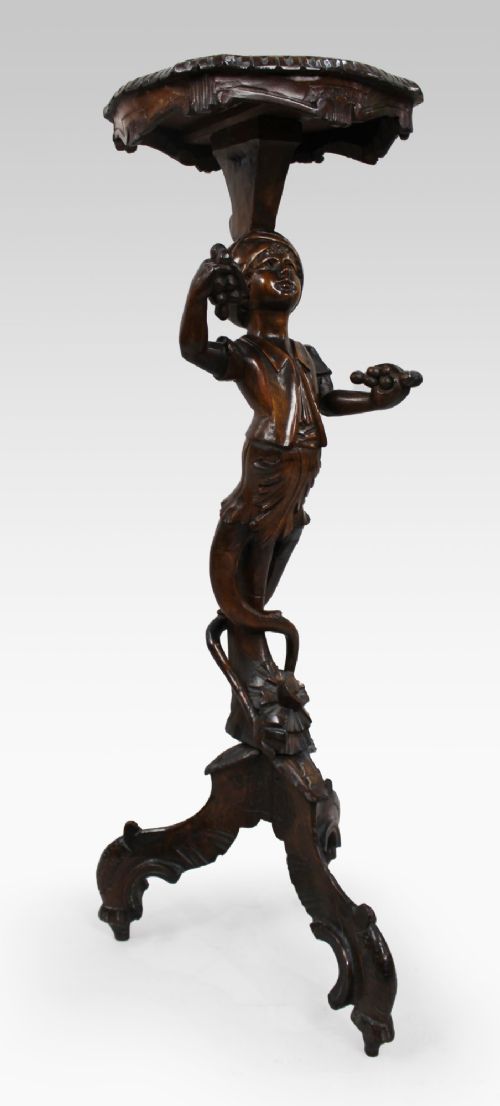
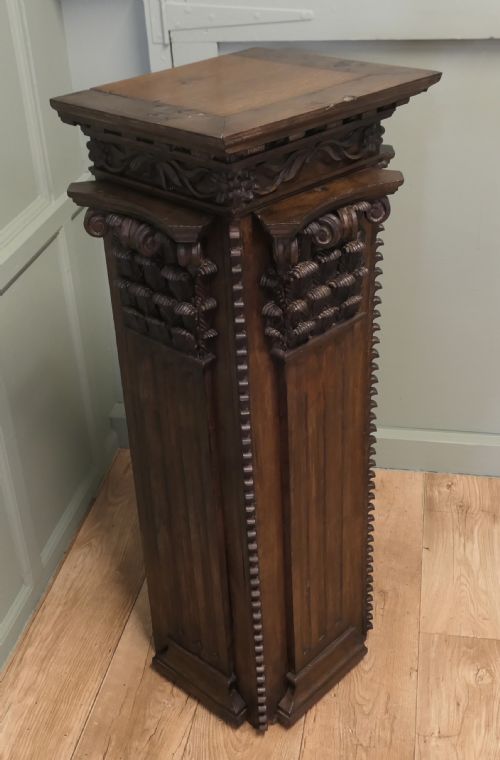
A dark wood carved plinth provides a sturdy, elevated stage for display, often taking the form of a pedestal, column, or carved stand. When searching for a dark wood carved plinth, buyers encounter pieces designed to support figures, vases, or ornaments with architectural presence.
The pieces listed here draw on periods such as the seventeenth century, Victorian era, and Regency period, utilising rich timbers like mahogany, rosewood, oak, and walnut. Forms range from classical columns and figural pedestals to bonsai display stands and vase stands.
Victorian examples and nineteenth-century columns appear most frequently among these listings, offering solid proportions and detailed carving. Alongside dedicated pedestals, the selection includes related display furniture such as side tables and stands.
How they were made
Construction relies heavily on dense hardwoods including mahogany, rosewood, and oak, chosen for their strength and deep natural grain. Craftsmen shaped these timbers using traditional joinery and lathe-turning to form solid columns and bases.
Carving defines the decoration, with artisans executing intricate figural elements, architectural capitals, and low-relief motifs by hand. Stained birch and walnut also appear, sometimes enhanced with polychrome paint or polished to a deep, dark lustre.
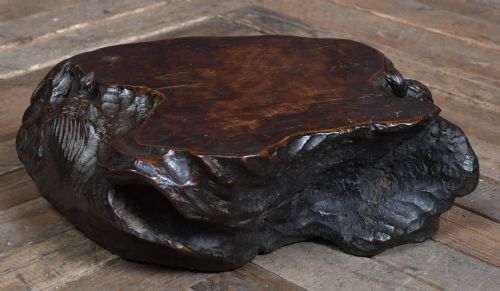
Among the carved figures standing guard on these wooden plinths, a miniature turtle patiently holds up a bonsai display.
What varies in quality
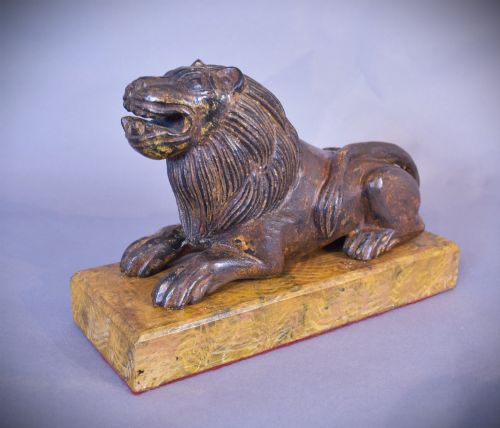
The crispness of the hand-carving separates standard work from exceptional craftsmanship, particularly on figural elements, capitals, and lions. Fine execution shows depth, proportion, and sharp detail rather than shallow or mechanical shaping.
Selection of timber dictates the visual weight and stability of the piece, with dense, figured mahogany or rosewood holding superior patination. Monumental proportions and balanced architectural design also mark out the more ambitious examples.
The Dark Wood Carved Plinth Glossary
- Plinth
- A heavy base or pedestal supporting a statue, vase, or column. It provides both structural stability and visual elevation.
- Pedestal
- An upright support or pillar used to display sculpture or decorative objects. Nineteenth-century examples often feature classical column designs.
- Regency
- A British design period spanning the early nineteenth century. Furniture from this era often incorporates classical motifs and clean architectural lines.
- Polychrome
- Decorated in multiple colours. This technique appears on early figure stands and carved wooden sculptures to add realistic detail.
Dark Wood Carved Plinth: Frequently Asked Questions
What is a dark wood carved plinth used for?
These pieces serve as elevated display platforms for sculptures, vases, figures, and decorative objects. They lift items to eye level to draw attention within a room.
Historically, they also functioned as bonsai display stands or architectural supports for art collections in grand interiors.
How do I date a carved wooden pedestal?
Dating relies on identifying the timber species, carving style, and construction methods characteristic of specific periods like the Victorian era or seventeenth century. Comparing the architectural motifs to known design eras helps narrow the timeframe.
Secondary woods and tool marks underneath or inside the base often provide further clues to age.
Are all these pieces made of solid mahogany?
While solid mahogany and rosewood feature prominently in many pedestals and stands, other timbers such as oak, walnut, and stained birch also appear. Each wood type brings a distinct weight, grain pattern, and colour to the finished piece.
Makers selected different woods depending on the desired structural strength and regional furniture traditions of the period.
How do I care for a Victorian wooden plinth?
Keep the wood away from direct sunlight and heat sources to prevent the dark timbers from drying out or splitting. Dust gently with a dry, soft cloth and avoid harsh chemical polishes.
Applying a traditional beeswax occasionally helps maintain the natural sheen and nourish the antique surface.