

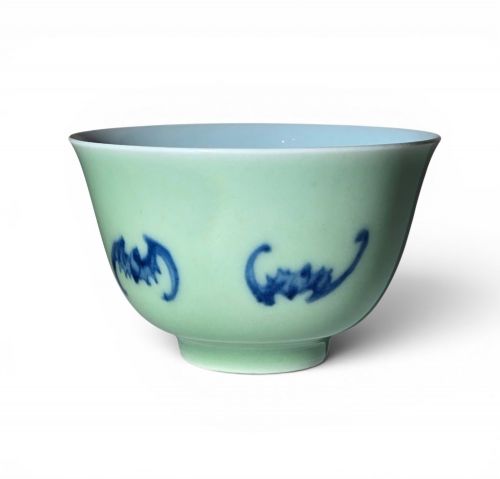

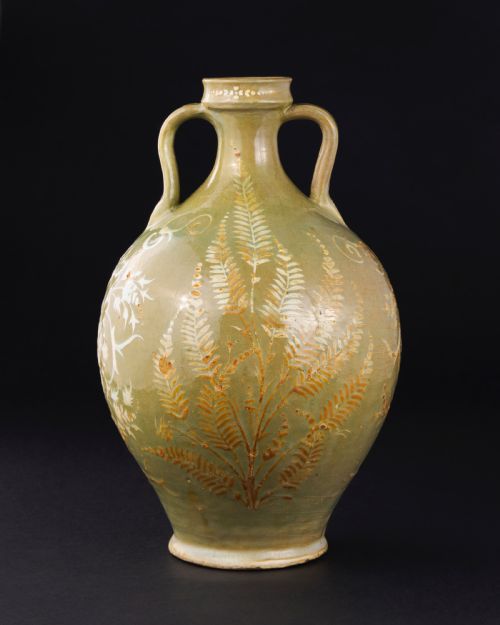


Celadon Glazed Pottery
These celadon glazed pottery vessels offer subtle jade-green tones and venerable forms that bring quiet depth to any interior.
Celadon Glazed Pottery
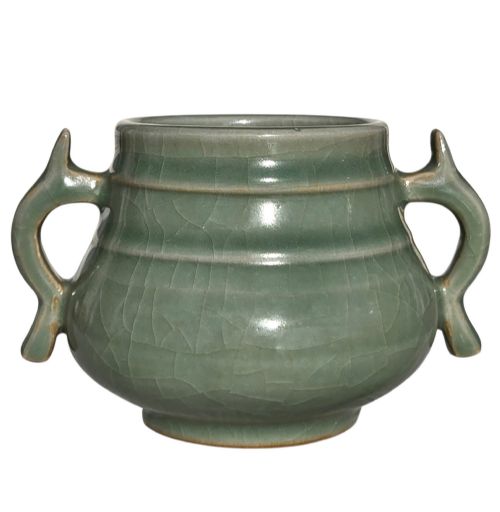
When you search for celadon glazed pottery, you encounter historic vessels spanning centuries of East Asian and European production, defined by characteristic green-toned glazes. The most common examples on this page are Chinese and Japanese ceramics, ranging from early bowls to later vases and incense burners.
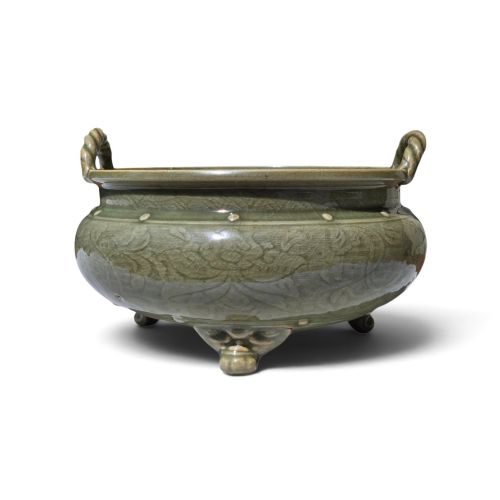
The selection encompasses diverse periods, notably featuring pieces from the Song, Ming, and Qing dynasties alongside later interpretations from the nineteenth and early twentieth centuries. Forms vary from monumental tripod censers and foliate-rim bowls to decorative jars and adapted table lamps.
Buyers look for these items to appreciate the interplay of glaze thickness and underlying ceramic body. The variety spans utilitarian vessels, ritual objects, and decorative pieces created across multiple workshops and exporting traditions.
Materials and Techniques
The pieces on this page utilise ceramic, porcelain, stoneware, and earthenware bodies covered in distinct celadon glazes. Artisans applied these mineral-rich coatings before firing, allowing iron oxides in the glaze to react during the firing process.
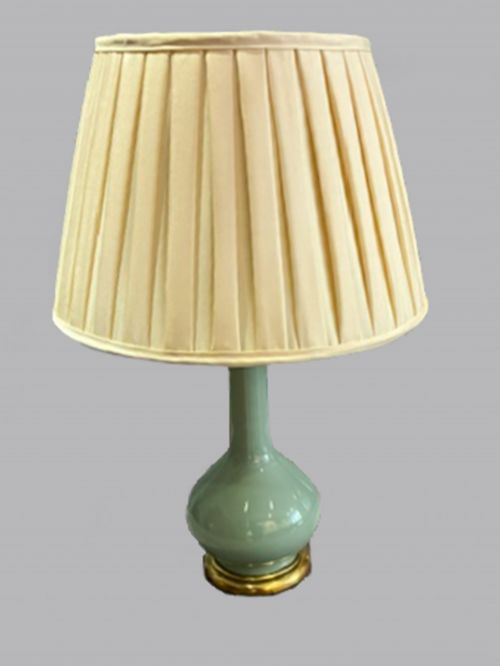
Firing techniques varied from imperial kilns achieving precise crackle patterns to regional workshops producing robust daily wares. Secondary mounts of brass and fitted fabric shades appear on pieces converted into lamps during later periods.
Celadon Glazed Pottery Retail Price Guide 2026
Typical asking prices for celadon glazed pottery among the pieces listed under this phrase on Sellingantiques today, from the lower quarter to the upper quarter. They describe what is for sale here now, not the wider market.
Listings feature ceramics spanning the Song, Ming, and Qing dynasties alongside nineteenth-century European adaptations.
Assessing Quality and Execution
Quality rests in the depth and consistency of the glaze application, where superior examples exhibit a lustrous, jade-like translucency over the ceramic body. The refinement of the potting, the crispness of carved or moulded decoration, and the stability of the form distinguish finer pieces.
Historical age and kiln origin also influence the character of the object, as seen in the deliberate crackle-glazes of archaistic pieces or the subtle variations in Longquan celadon. Preservation of the original surface and form without extensive restoration separates exemplary specimens from standard regional output.
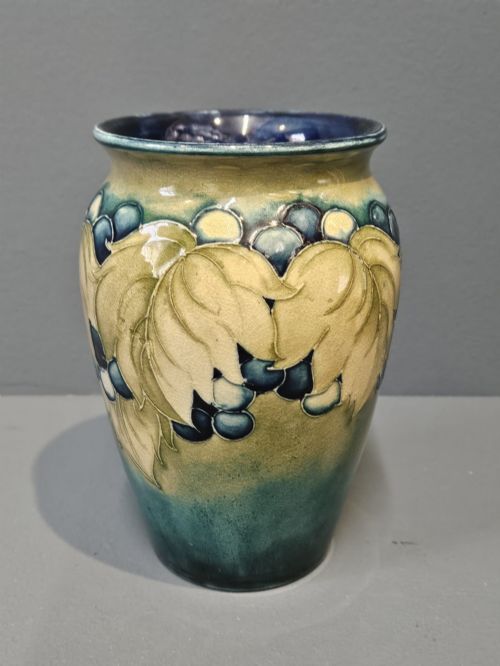
Makuzu Kozan·Moorcroft
The Celadon Glazed Pottery Glossary
- Celadon glaze
- A transparent green glaze fired in a reducing atmosphere. It derives its colour from iron oxide and ranges from pale sea-green to deep olive.
- Tripod censer
- A three-legged ritual vessel used for burning incense. These forms often reference ancient bronze shapes.
- Foliate rim
- An edge shaped to resemble leaves or flower petals. This decorative rim style appears frequently on traditional bowls and dishes.
- Crackle-glaze
- A network of fine intentional cracks in the ceramic surface. It occurs through differential cooling rates between the body and glaze.
- Underglaze blue
- Pigment applied to the ceramic body before glazing and firing. It creates blue designs beneath a clear or tinted outer layer.
Celadon Glazed Pottery: Frequently Asked Questions
What is celadon pottery?
Celadon pottery refers to ceramic pieces finished with a pale green or grey-green glaze containing iron. The tradition spans many centuries, originating in China and spreading across Asia.
Collectors prize the soft, jade-like appearance and the tactile quality of the glaze over stoneware and porcelain bodies.
How do I date a piece?
Dating relies on examining the potting style, the specific shade of the glaze, and any associated reign marks or kiln characteristics. Early examples often show subtle carving under the glaze, while later pieces may adopt European mounting styles.
Comparing the base and footrim to known period styles helps determine the era of production.
Were these vessels functional?
Many items served practical purposes in historic households, from holding food and water to burning incense in temples or domestic spaces. Bowls, jars, and censers were integral parts of daily and ritual life.
Over time, some surviving vessels were adapted into decorative table lamps.
How should I clean celadon pottery?
Maintenance requires gentle dusting with a soft cloth or washing with mild, soapy water for sturdy ceramic surfaces. Harsh chemicals and abrasive sponges can damage historic glazes.
Converted lamp pieces need careful handling around any added brass fittings or electrical wiring.