


Ceiling Hanging Lantern
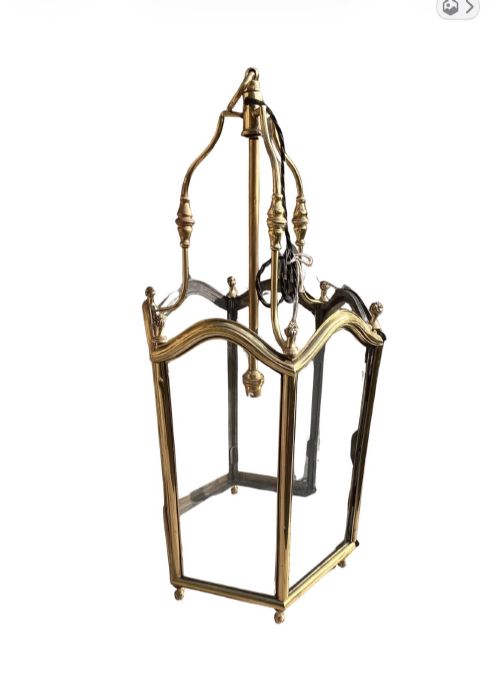
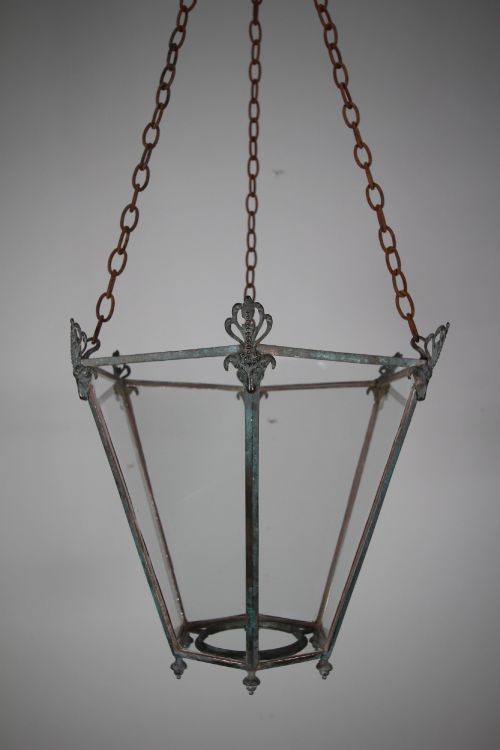
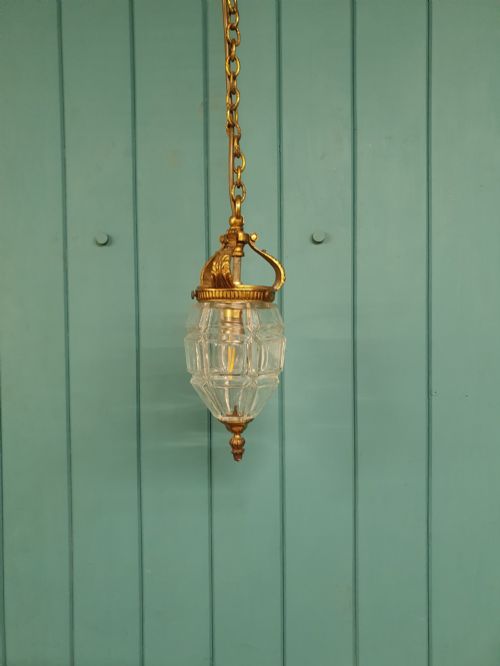
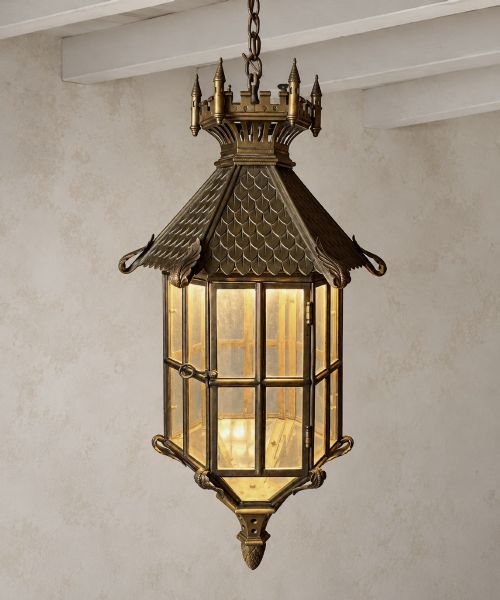
These ceiling hanging lantern examples bring overhead illumination and architectural character to hallways and vestibules.
Ceiling Hanging Lantern
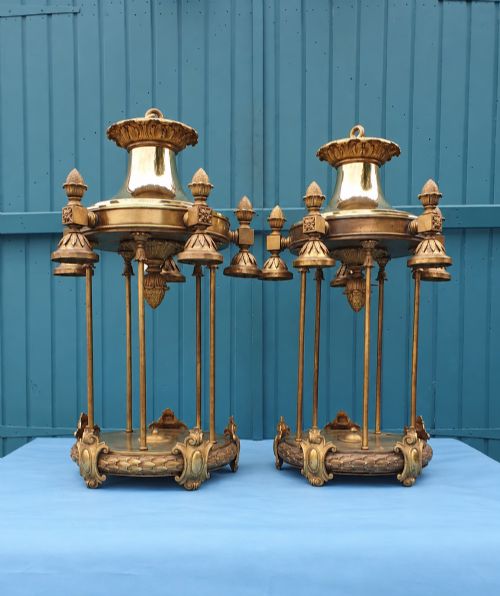
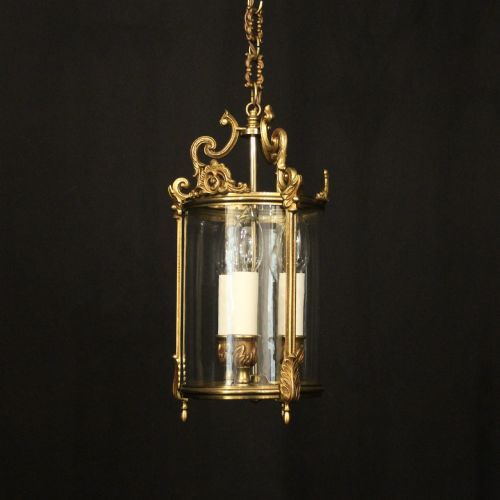
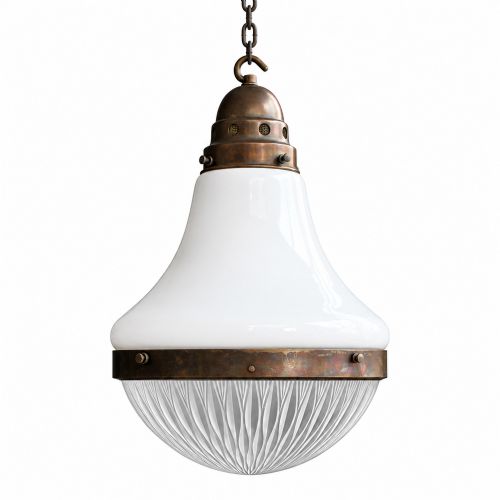
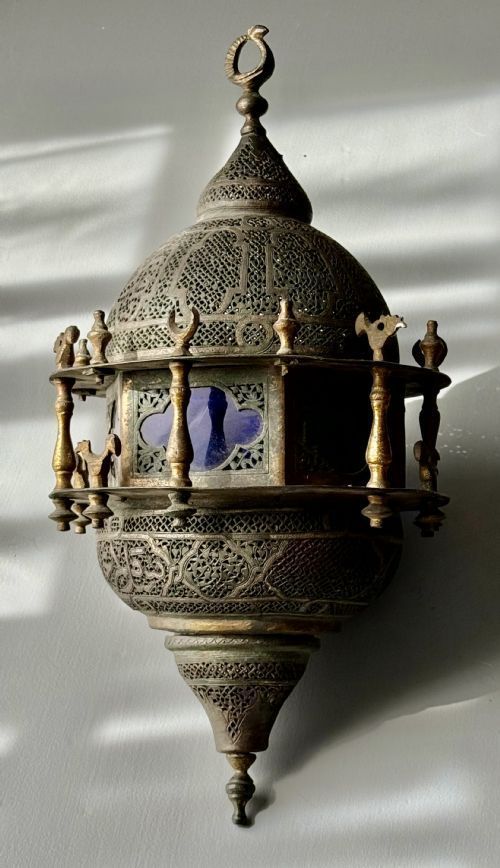
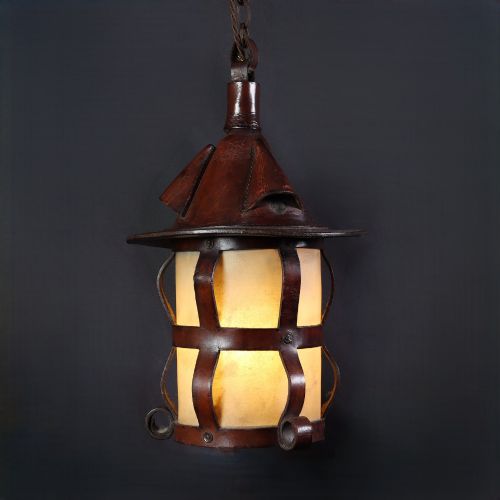
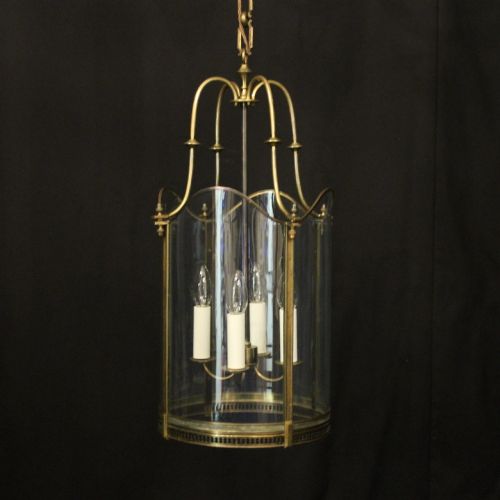
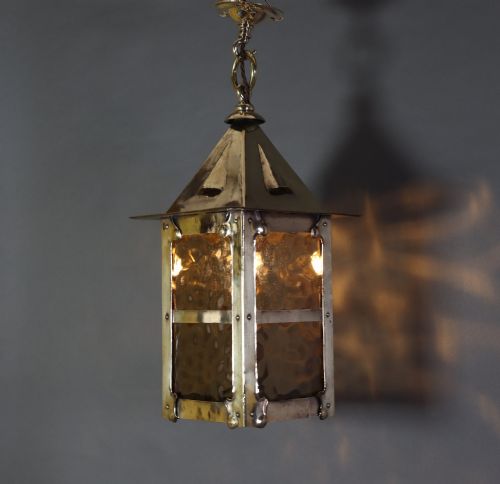
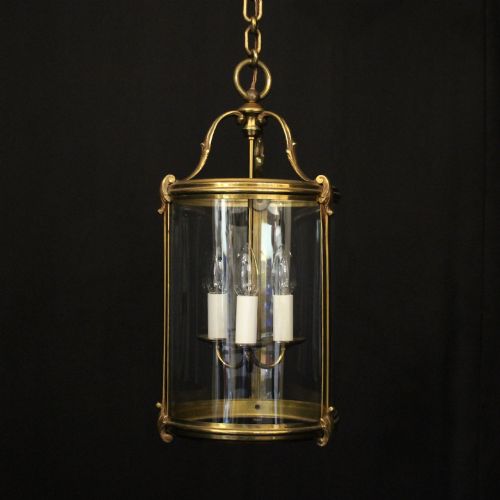
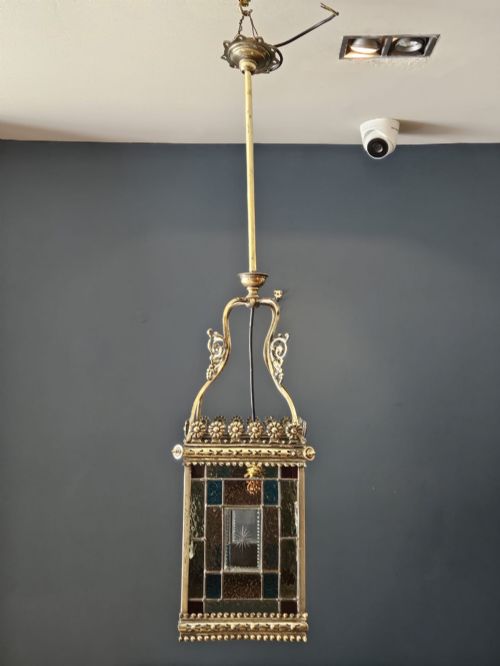
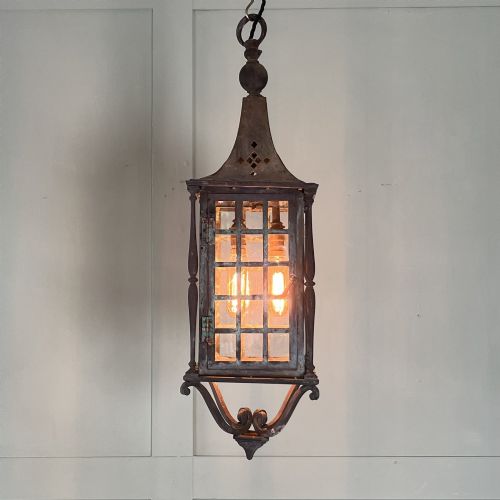
A ceiling hanging lantern provides overhead illumination primarily designed for entrance halls, corridors, and high-ceilinged stairwells. The selection includes hexagonal frames, globe shapes, and multi-light fixtures spanning the Victorian, Edwardian, and early twentieth-century periods.
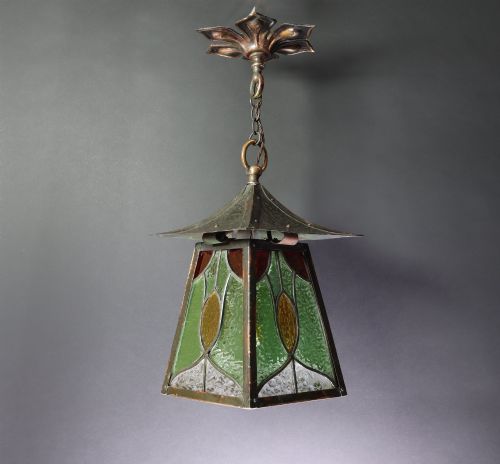
Makers and designers from diverse stylistic traditions produced these lights, incorporating French Rococo, Gothic Revival, and Arts and Crafts influences. English copper and brass versions sit alongside elaborate French gilded bronze models.
Domestic and institutional spaces utilised these pieces to project light downwards through protective glass panes. The variety ranges from simple railway lamps to monumental panelled hall lanterns.
Materials and construction techniques
Metals such as brass, copper, bronze, and gilt lead form the structural frames and decorative mounts. Artisans joined these metallic elements to hold glass panels securely in place.
Glass components include bevelled, leaded, hand-blown bullseye, moonstone, and etched panes. Certain specialist examples incorporate hand-stitched leather and vellum elements within the framework.
Ceiling Hanging Lantern Retail Price Guide 2026
Typical asking prices for ceiling hanging lantern among the pieces listed under this phrase on Sellingantiques today, from the lower quarter to the upper quarter. They describe what is for sale here now, not the wider market.
Railway guards once carried specialised lanterns that eventually found their way indoors as striking domestic lighting.
Distinctions in construction and design
The refinement of the metalwork and the weight of the cast bronze or brass differentiate standard utility fixtures from salon pieces. Superior examples utilise heavy gilded bronze mounts and complex pierced brass patterns.
Glass selection significantly impacts the character of the object, with bevelled or hand-blown bullseye panes demonstrating greater artisanal input than plain glass panels. The integration of multi-light internal clusters also elevates the complexity of the piece.
The Ceiling Hanging Lantern Glossary
- Convex glass
- Curved glass panels that project outward to diffuse light across a wider area. These are frequently found in French hall lanterns from the early twentieth century.
- Hexagonal form
- A six-sided geometric shape commonly utilised for the brass and copper frames of entrance lights. This configuration allows multiple glass panels to enclose the central light source efficiently.
- Gilt bronze
- Metalwork treated with a gold application to create a lustrous decorative surface. This material appears on elaborate French chateau and Rococo style fixtures.
- Leaded glass
- Individual glass segments joined together by strips of leadcame to form decorative windows or panes. Victorian porches and hallways often housed these colourful panels.
Ceiling Hanging Lantern: Frequently Asked Questions
Where should a ceiling hanging lantern go?
These fixtures suit entrance halls, porches, and high-ceilinged landings where overhead illumination is required.
They function well in period properties and traditional interiors to establish an immediate focal point upon entry.
How do I identify an Edwardian lantern?
Edwardian examples often feature polished brass framing with cleaner lines than their Victorian predecessors.
Arts and Crafts influences frequently appear in this period through simpler structural forms and hand-finished metal surfaces.
Were these lanterns originally electrified?
Many older pieces began as candle or oil-burning fixtures before undergoing later conversion to electricity.
Wiring updates are standard practice to ensure modern safety compliance while retaining the original metal and glass housing.
What styles are common in these lights?
The selection encompasses French Rococo, Gothic Revival, Moorish Revival, and Arts and Crafts aesthetics.
Materials range from humble copper and lead to elaborate gilded bronze and detailed stained glass.