





Caucasus Wool Rug
A caucasus wool rug brings bold tribal geometry and saturated natural dyes straight from the mountainous crossroads of the Near East.
Caucasus Wool Rug
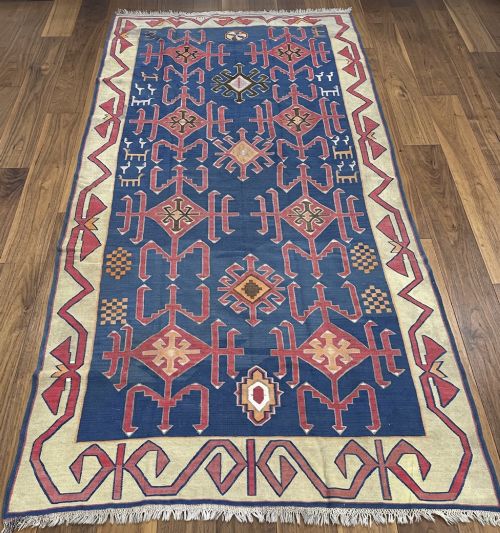
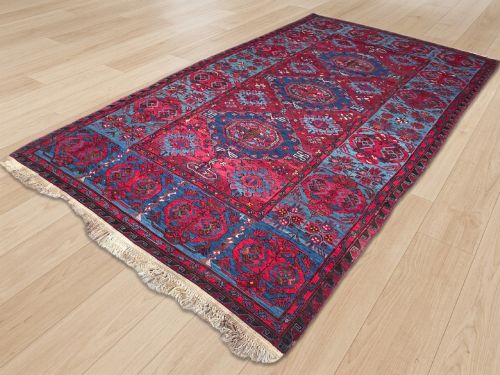
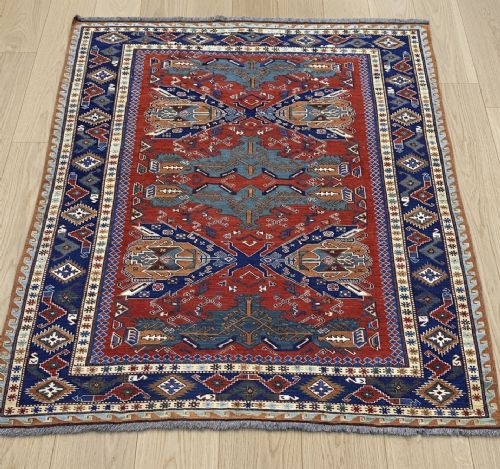
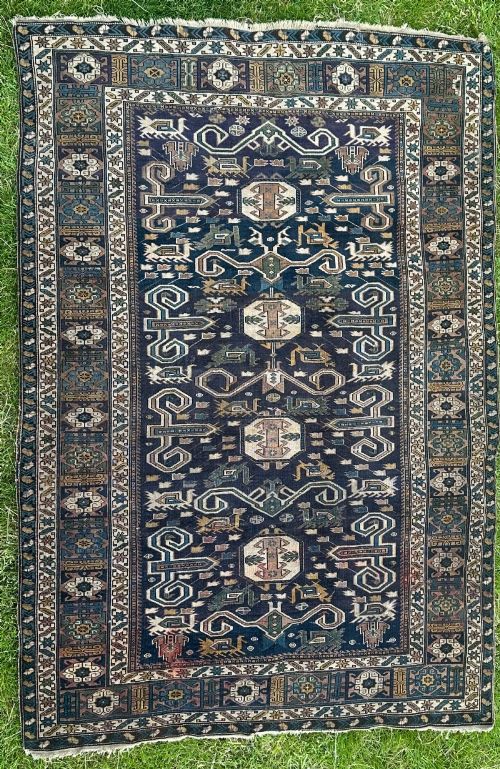
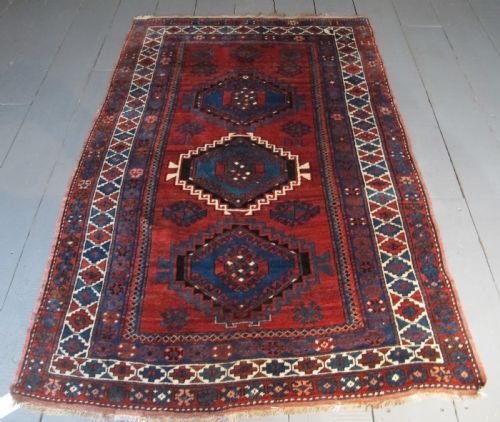
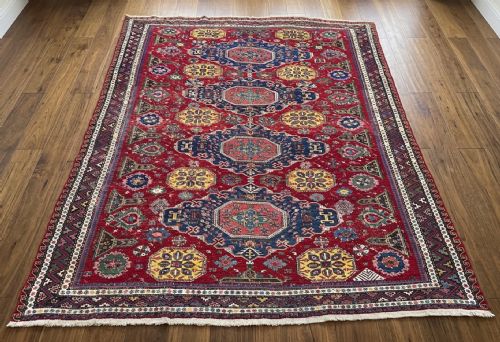
When searching for a caucasus wool rug, collectors look at woven textiles originating from regions such as Shirvan, Daghestan, Kazak, and Gendje in the Caucasus mountains. These pieces range from early piled carpets to flat-woven kilims and soumaks, capturing centuries of distinct regional weaving traditions.
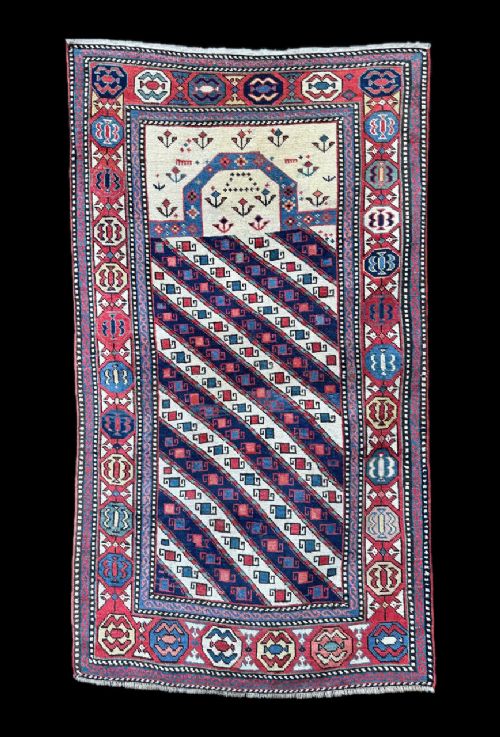
The pieces most frequently met on this page include antique tribal rugs and long runners featuring structured geometric medallions, stylized animal motifs, and sharp star polygons. Originating across the nineteenth and early twentieth centuries, these floor coverings represent specific nomadic and village groups from the East Caucasus.
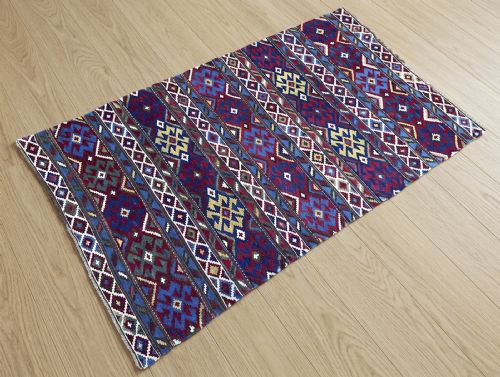
Object types span standard area rugs, hallway runners, prayer-rugs, and storage bags, offering diverse formats suited to traditional and modern interiors alike. Each piece displays the robust utility and distinctive visual language characteristic of Caucasian textile production.
How they were made
These textiles rely entirely on hand-spun wool for their foundations and pile, providing a dense, durable structure built to withstand generations of daily use. Weavers utilised natural dyes to achieve deep reds, indigos, and golds that mature gracefully over time.
Construction techniques vary from dense hand-knotted pile found in Kazak and Shirvan rugs to intricate flat-weave structures like Soumaks and kilims. This technical diversity allows for both heavy floor carpets and lighter, supplementary wall or furnishing textiles.
Caucasus Wool Rug Retail Price Guide 2026
Typical asking prices for caucasus wool rug among the pieces listed under this phrase on Sellingantiques today, from the lower quarter to the upper quarter. They describe what is for sale here now, not the wider market.
What varies in quality
Quality in these textiles rests upon the precision of the geometric drawing, the crispness of the colour palette, and the integrity of the original wool pile. Pieces with tightly packed knots and vibrant, uncompromised natural dyes command greater attention from discerning eyes.
The condition of the original outer borders and selvedges significantly influences the overall integrity of the weaving. Masterful execution of complex tribal symbols distinguishes superior regional examples from more routine village output.
The Caucasus Wool Rug Glossary
- Kazak
- A style of heavy, bold-patterned piled rug originating from western and central areas of the Caucasus. They are known for primary geometric medallions and rich primary colours.
- Soumak
- A flat-weave technique where supplementary weft threads are wrapped around the warp threads to create a textured, durable surface. This method produces sturdy carpets without a cut pile.
- Kilim
- A tapestry-woven flat textile lacking any pile, utilised historically for floor coverings and wall hangings. These pieces display sharp, geometric designs dictated by the slit-weave construction method.
- Seychour
- A specific type of long rug hailing from the East Caucasus, often recognised by distinct cross-filled borders and structured field patterns. They represent classic regional village weaving.
- Natural Dyes
- Colourants derived from plant and mineral sources rather than synthetic chemicals. They impart a rich, shifting tonality that mellows harmoniously with age.
Caucasus Wool Rug: Frequently Asked Questions
How do I identify a Kazak rug?
Kazak rugs are distinguished by their robust wool pile, bold primary colours, and large geometric medallions. They often feature rectilinear animal and star motifs woven by nomadic groups.
Looking closely at the wool quality and the saturation of the red and blue tones helps confirm their regional origin within the Caucasus.
Are these rugs suitable for high-traffic areas?
Traditional Caucasian rugs were built for heavy domestic use by nomadic and village communities, utilising sturdy hand-spun wool. Their dense construction makes them well-equipped for hallways and living spaces.
Using a quality underlay helps protect the historical foundation fibres from excessive friction and wear.
What is the difference between a Soumak and a Kilim?
A Kilim is a flat-weave textile created by tightly interweaving warp and weft threads to form a completely flat surface. This produces a lightweight fabric ideal for versatile placement.
In contrast, a Soumak employs a wrapping technique that leaves extra threads on the reverse side, resulting in a thicker, structurally robust carpet.
How should I clean an antique wool rug?
Gentle, regular surface vacuuming without a rotating power brush keeps dust from settling into the wool foundation. Professional textile conservators should handle deep washing to protect natural dyes.
Keeping the rug away from prolonged direct sunlight prevents the ancient plant and mineral colours from fading prematurely.