




Caucasian Style Carpet
A caucasian style carpet brings bold geometry and rich village wool into a room with striking presence.
Caucasian Style Carpet
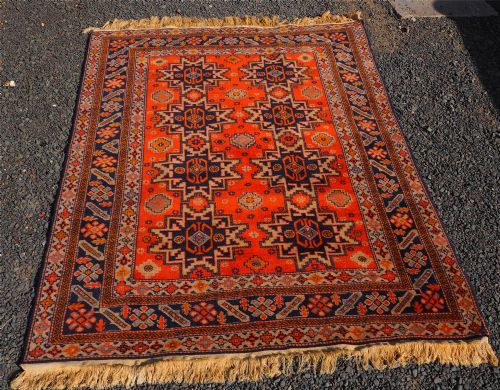
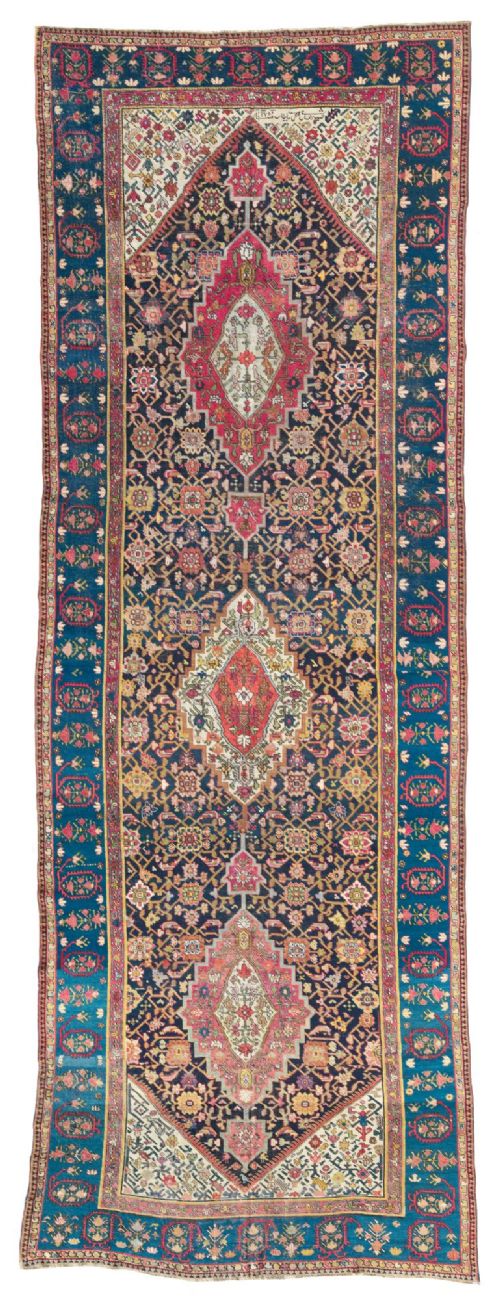
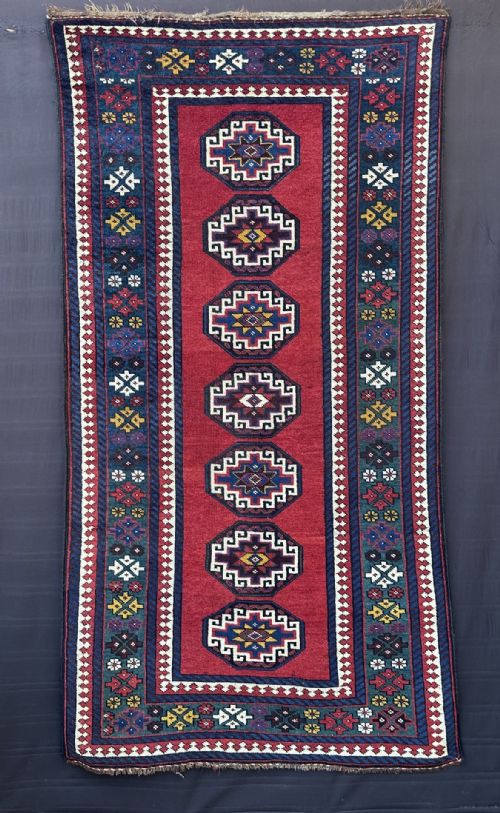
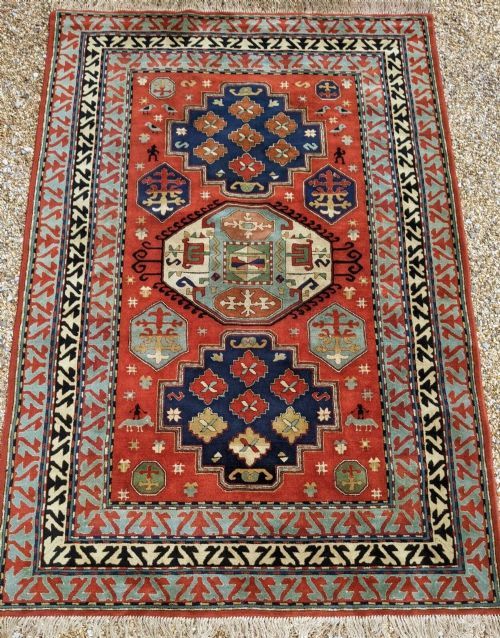
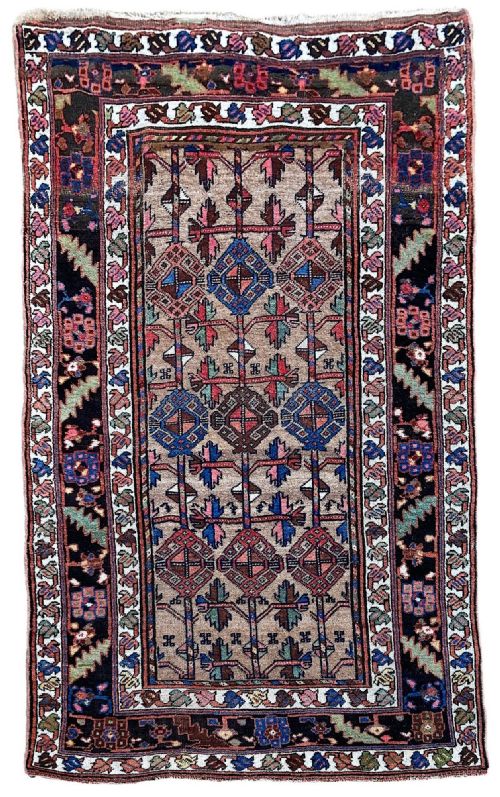
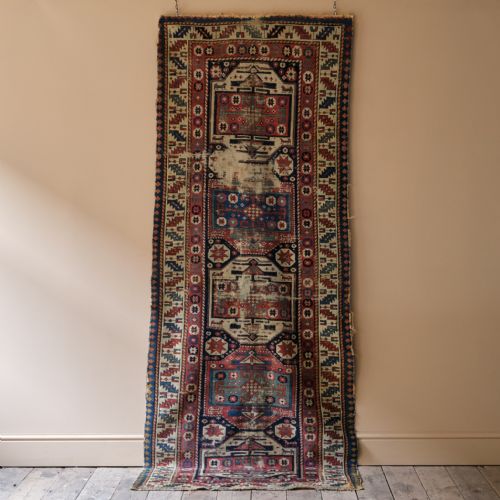
A caucasian style carpet gathers traditional village and tribal weaving traditions from the Caucasus and neighbouring regions like North-West Persia. These pieces span from the late nineteenth century through to the early decades of the twentieth century, bringing distinct regional character to floors.
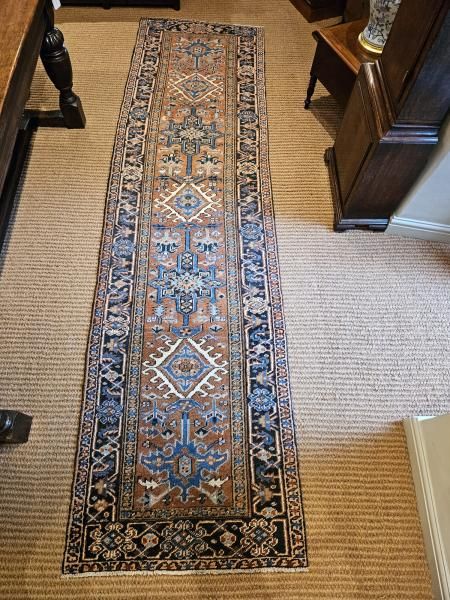
Buyers will encounter various formats on this page, ranging from square scatter rugs and long hallway runners to large room-sized carpets. Many pieces display geometric medallions, animal motifs, and tribal symbolism associated with specific weaving groups.
Materials and construction
These floor coverings rely heavily on natural wool and cotton foundations, often utilising hand-spun wool for the pile to achieve depth and resilience. Certain village pieces incorporate camel hair within the design or borders for natural contrast.
Weavers knotted these rugs by hand on traditional vertical looms, employing dense wool structures that withstand generations of domestic use. The handling of these materials dictates the weight and drape of each individual floor covering.
Caucasian Style Carpet Retail Price Guide 2026
Typical asking prices for caucasian style carpet among the pieces listed under this phrase on Sellingantiques today, from the lower quarter to the upper quarter. They describe what is for sale here now, not the wider market.
Certain antique runners are playfully described as crooked due to the charming natural wobble of hand-woven village looms.
Distinctions in quality
The sophistication of the wool and the clarity of the natural dyework set finer examples apart from simpler village productions. Tighter knot densities allow complex geometric patterns to hold crisp definition across the field.
Proportion and balance in the border designs also separate superior weaving from standard output. The integrity of the foundation and the preservation of original edge finishes contribute significantly to the standing of a rug.
Kazak tribal weavers·Karaja village workshops·Sarab rug producers·Heriz weaving centres
The Caucasian Style Carpet Glossary
- Kelleh
- A large rectangular carpet format, typically longer than a standard room rug but wider than a runner. This shape suits gallery spaces and substantial hallways.
- Prayer rug
- A small rug featuring a mihrab or arch design at one end, traditionally used for personal devotion. These pieces often display concentrated symbolic motifs.
- Runner
- A long, narrow carpet format designed specifically for corridors, staircases, and narrow passageways. They direct movement and add warmth to transit areas.
- Hand-spun wool
- Yarn spun by hand rather than by industrial machinery, yielding slight variations in thickness that absorb dye with a mottled, rich appearance.
Caucasian Style Carpet: Frequently Asked Questions
How do I care for an antique wool rug?
Vacuum gently without using a rotating brush bar to protect the hand-knotted pile from excessive friction. Professional cleaning remains essential for removing deep-set dirt while preserving natural wool oils.
Keep the rug away from prolonged direct sunlight to prevent fading of the dyed wool. Rotating the floor covering every six months ensures even wear patterns across high-traffic zones.
Where were these carpets originally made?
These floor coverings originate primarily from the Caucasus region and the mountainous areas of North-West Persia. Village communities and nomadic tribes produced them using local materials and traditional patterns.
Each weaving district developed distinct palette choices and geometric vocabulary that identify their geographical roots. Local sheep breeds provided the specific wool characteristics found in these regional pieces.
What is the difference between a runner and a carpet?
Runners are significantly longer and narrower, engineered to fit hallways, landings, and narrow spaces between furniture. Carpets provide a broad expanse designed to anchor sitting rooms or large dining areas.
Both formats utilise similar hand-knotting techniques and wool materials but serve entirely different spatial functions within a domestic interior. The choice depends entirely on the architectural proportions of the room.
How can I date an older village rug?
Examination of the wool texture, dye palette, and structural foundation helps establish the likely period of manufacture. Natural dyes and hand-spun wool typically point towards nineteenth or early twentieth-century production.
Stylistic shifts in border motifs and secondary colours also provide clues to the era in which a piece was woven. Comparing structural characteristics with dated examples from the same region confirms the timeframe.