

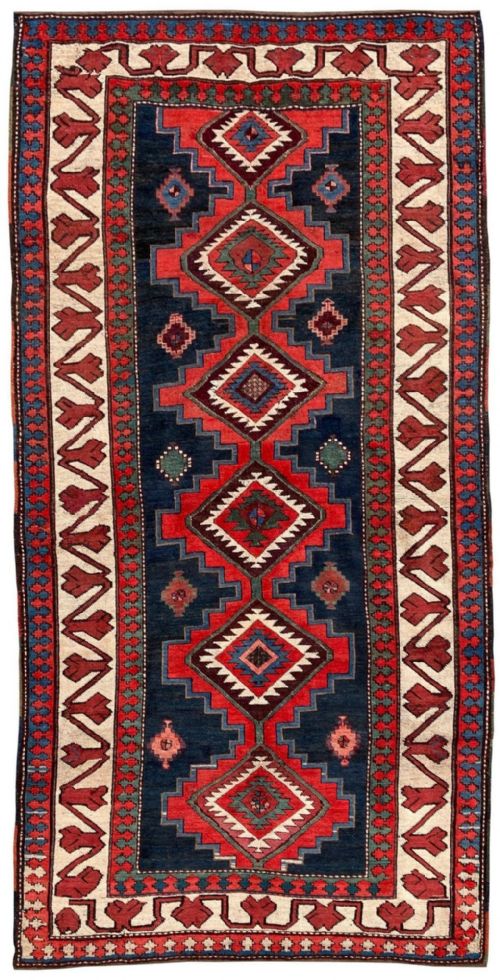
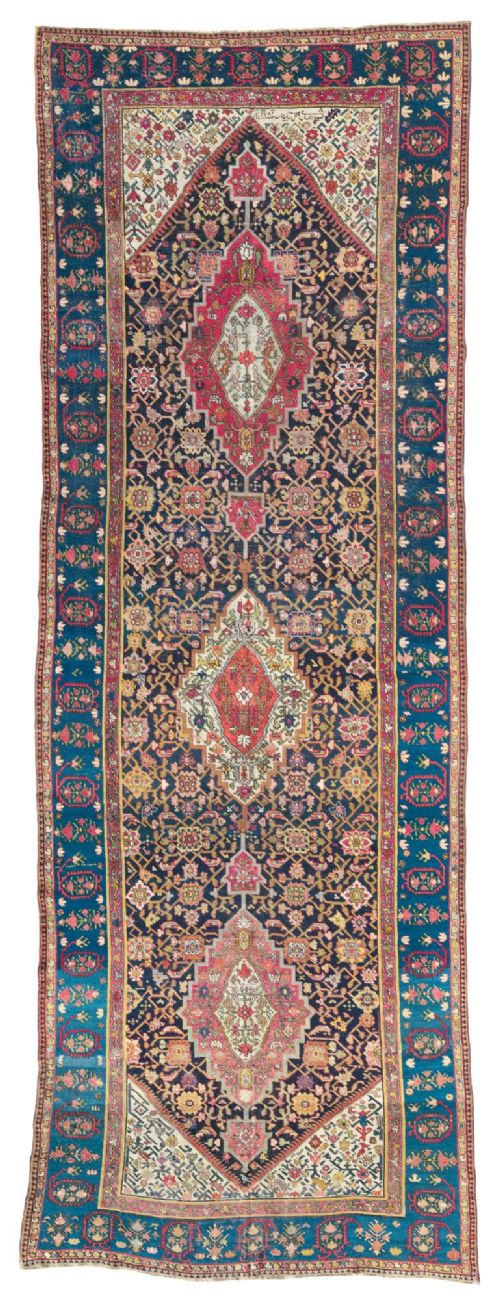
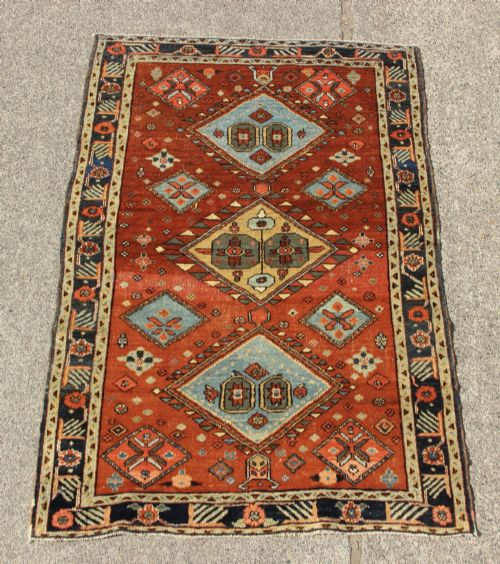
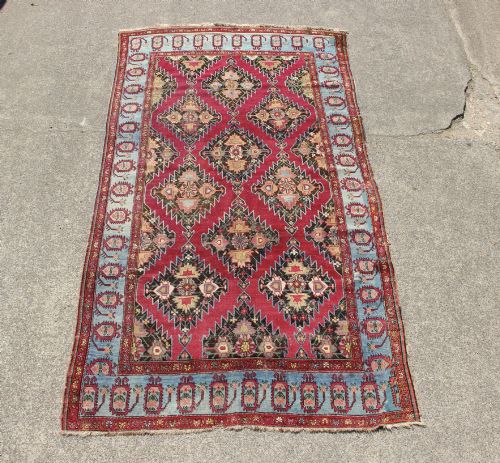


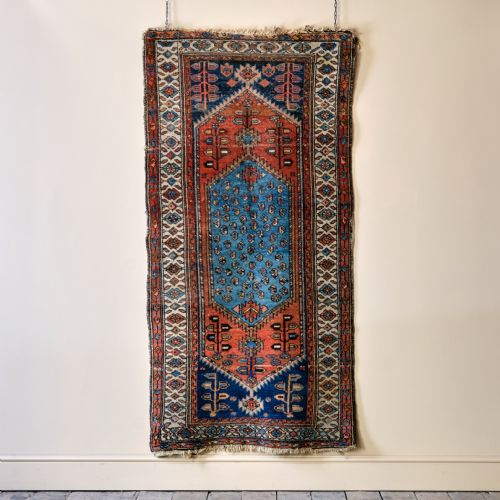
Caucasian Medallion Runner
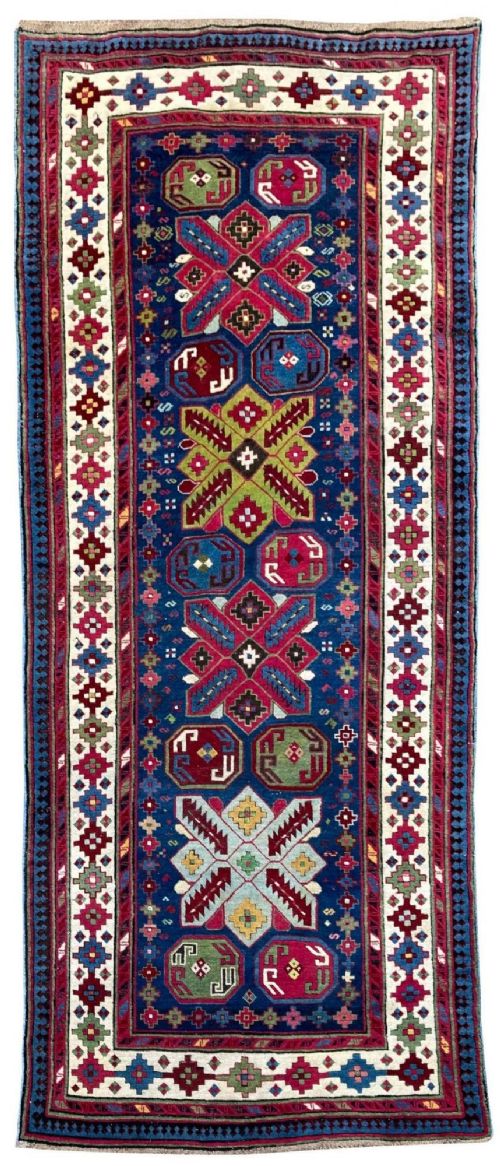
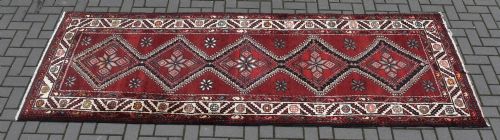
A caucasian medallion runner brings structured tribal geometry and rich wool textures into a long hallway.
Caucasian Medallion Runner
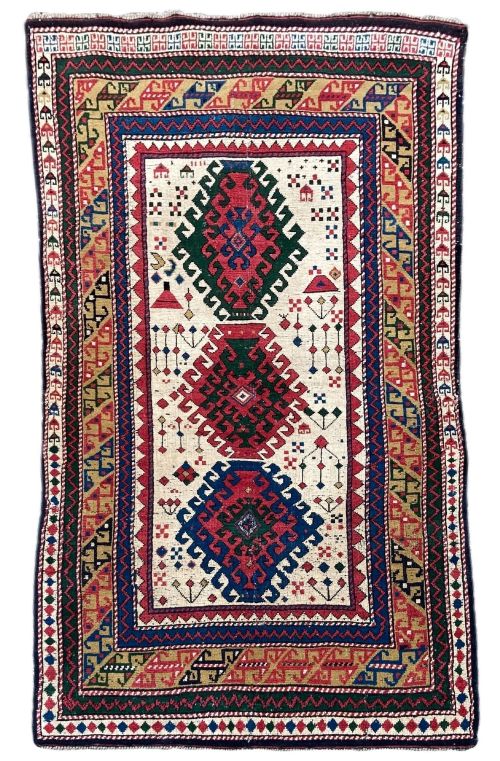
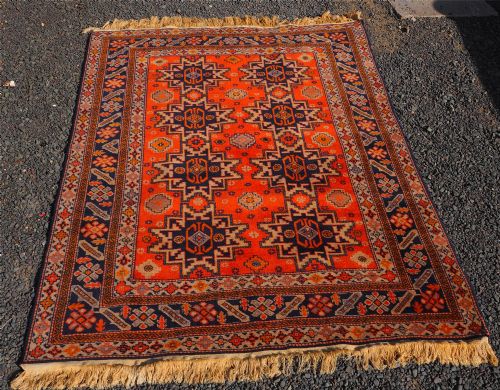
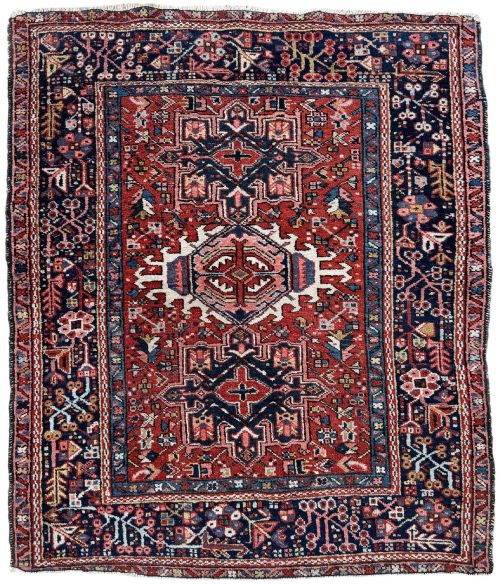
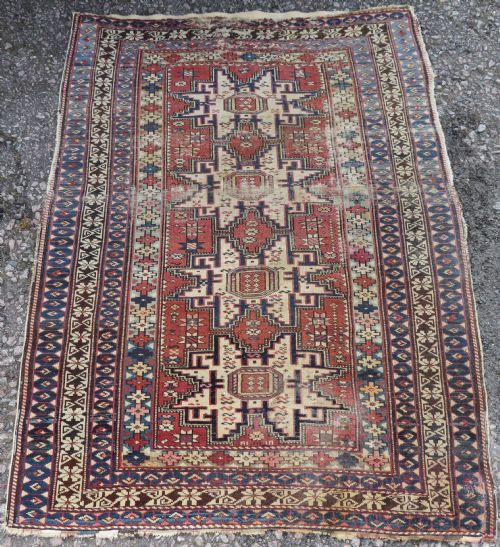
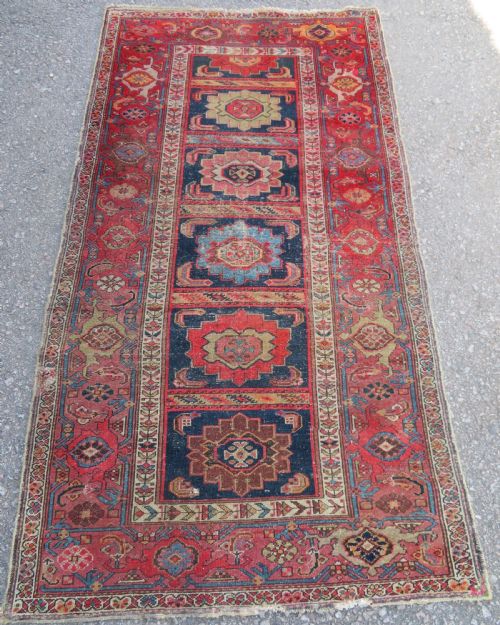
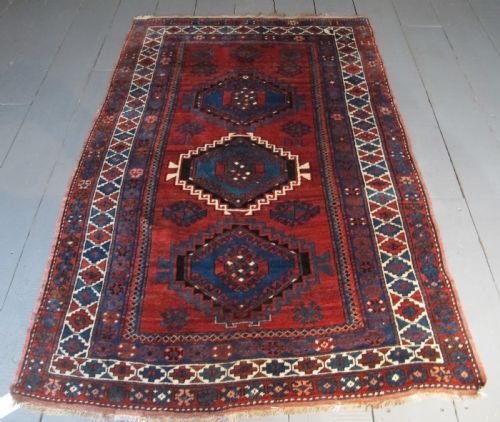
A caucasian medallion runner delivers long, narrow proportions filled with distinctive geometric motifs from the Caucasus region. These pieces bridge the gap between room-sized carpets and small area rugs, shaped by historical weaving traditions from the late nineteenth and early twentieth centuries.
The format focuses the eye along a central axis of repeating or single motifs, suiting hallways and narrow spaces. While the broader inventory holds various formats, runners specifically provide linear geometry underfoot.
How they were made
Makers constructed these textiles using hand-knotted wool and hand-spun wool foundations, often paired with cotton elements. Artisans worked sheep's wool by hand to build dense piles capable of enduring heavy foot traffic over generations.
Dyes derived from natural sources provide the palette for these regional works. The interaction of hand-spun fibres with traditional dyeing methods yields deep, nuanced tones that mellow gracefully over decades.
Caucasian Medallion Runner Retail Price Guide 2026
Typical asking prices for caucasian medallion runner among the pieces listed under this phrase on Sellingantiques today, from the lower quarter to the upper quarter. They describe what is for sale here now, not the wider market.
Listings feature hand-knotted wool runners and carpets produced across the Caucasus and Persia between eighteen-fifty and nineteen-thirty.
What varies in quality
The clarity of the geometric drawing and the precision of the medallion layout separate finer examples from simpler village work. Tighter knot density allows for sharper definition in hooked motifs and complex borders.
The depth and harmony of the natural dyes dictate the visual success of the piece. Superior examples display vibrant yet balanced hues that retain their character as the wool ages.
The Caucasian Medallion Runner Glossary
- Medallion
- A central ornamental motif set within the field of the rug. It anchors the geometric composition of the piece.
- Runner
- A long, narrow carpet format designed for corridors and staircases. The proportions dictate a linear arrangement of patterns.
- Kazak
- A regional style originating from the Caucasus known for bold, geometric designs and primary colour palettes. These rugs typically feature crisp, angular drawing.
- Soumak
- A flat-weave technique where the coloured weft threads wrap around the warp threads. This method creates a sturdy, non-piled structure with a clean reverse.
- Gulp
- A repeated octagonal or gabled design element frequently found in tribal weaving traditions. It acts as a primary building block for field patterns.
Caucasian Medallion Runner: Frequently Asked Questions
Where should I place a runner?
These long carpets suit narrow spaces such as hallways, corridors, and entryways where linear geometry can guide the eye. Their proportions also function effectively in long kitchens or alongside narrow beds.
Ensure you place a suitable underlay beneath the textile to prevent sliding and reduce friction against hard flooring surfaces.
How do I care for antique wool?
Regular, gentle vacuuming without a beater bar removes trapped grit from the wool pile and prevents fibre breakdown. Professional cleaning should occur periodically depending on the level of foot traffic.
Keep the textile out of direct, prolonged sunlight to protect the natural dyes from fading unevenly across the surface.
What defines tribal village designs?
Village weavers relied on memory and regional tradition rather than fixed paper cartoons to create their patterns. This freedom results in charming irregularities and spontaneous shifts in geometry.
Such characteristics separate village-made pieces from later workshop productions, giving each runner an individual identity.
How do natural dyes age?
Natural colourants interact with wool fibres to develop a rich patina known as abrash, where tones subtly shift across the field. This variation occurs due to slight differences in dye batches and wool absorption.
Over time, exposure to light and air softens the primary shades into harmonious secondary tones without losing depth.