

Caucasian Medallion Carpet
A caucasian medallion carpet brings bold geometric motifs and rich wool textures into a room, drawing the eye with centuries of regional weaving tradition.
Caucasian Medallion Carpet
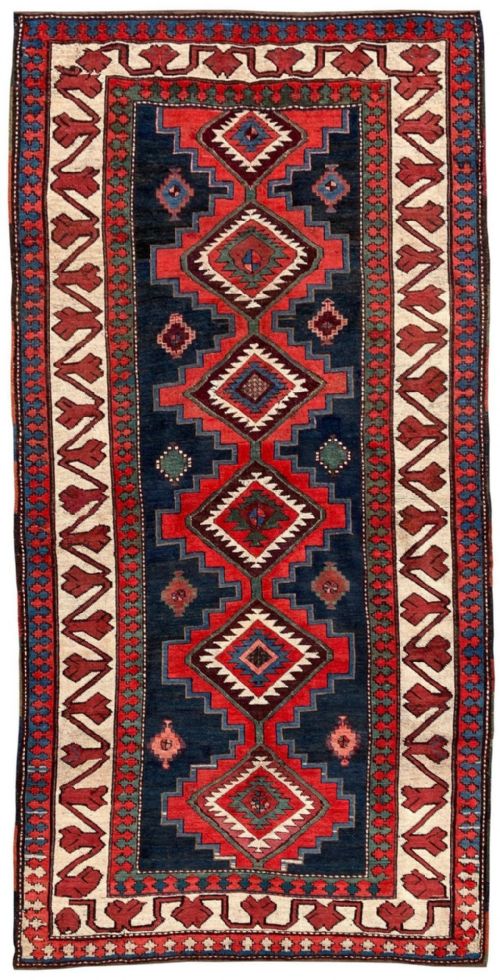
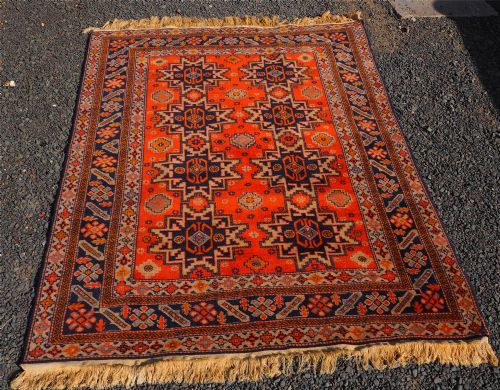
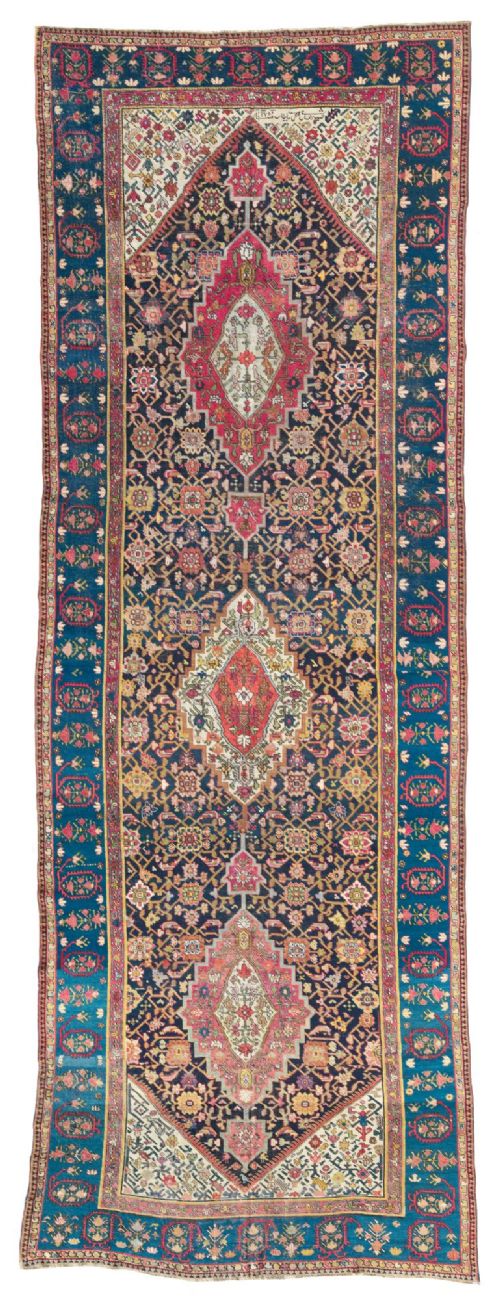
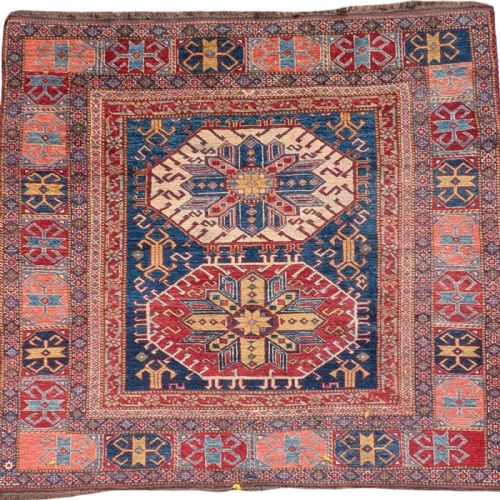
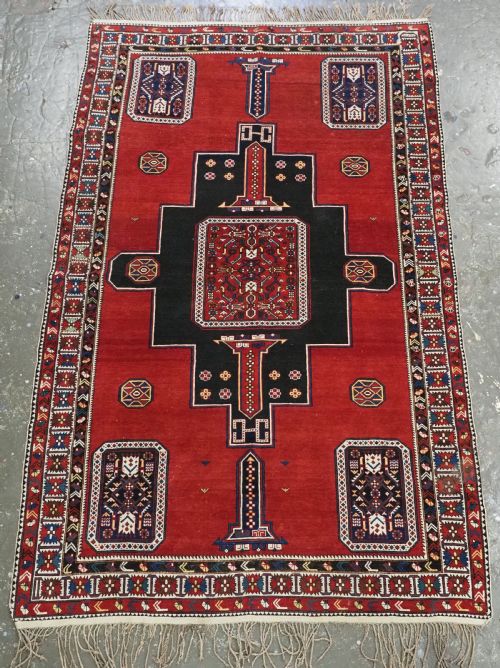
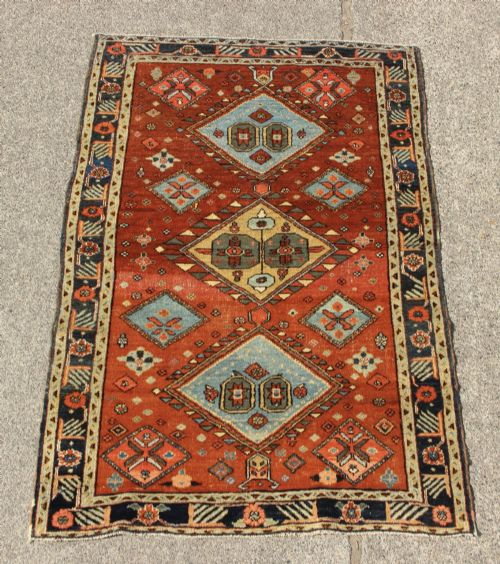
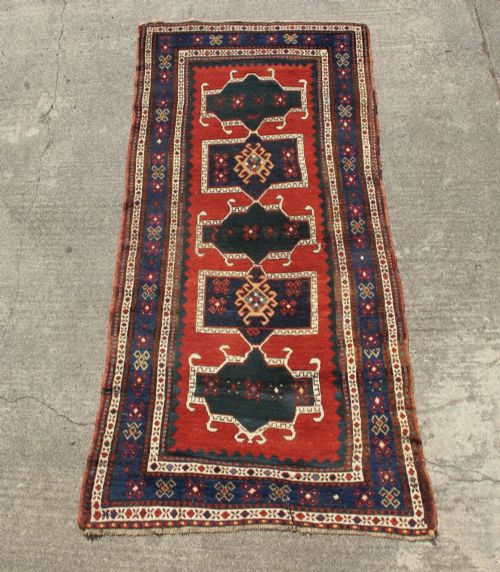
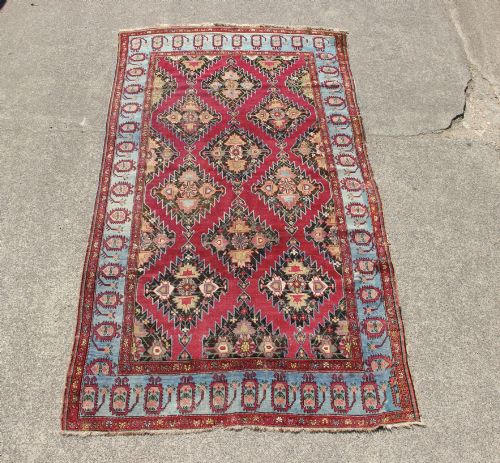
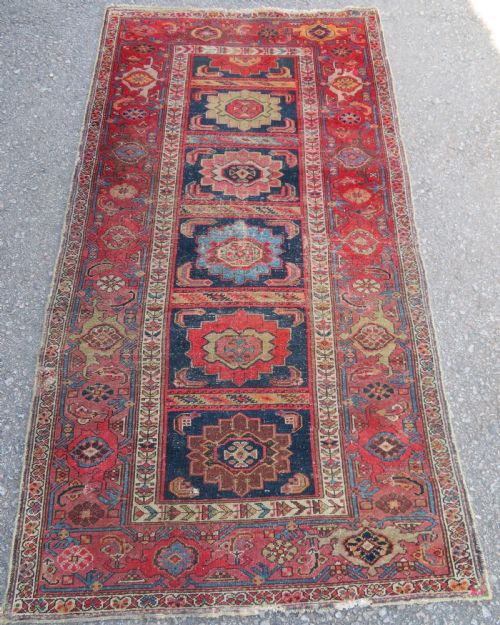
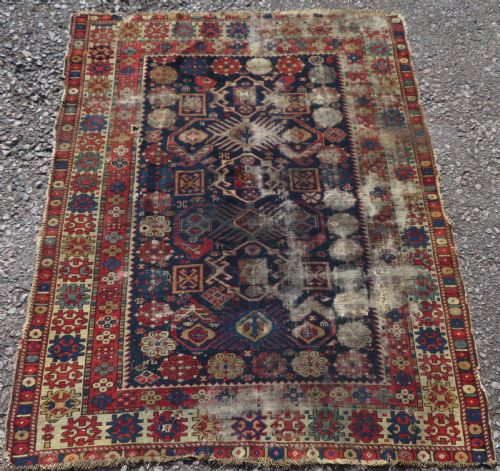
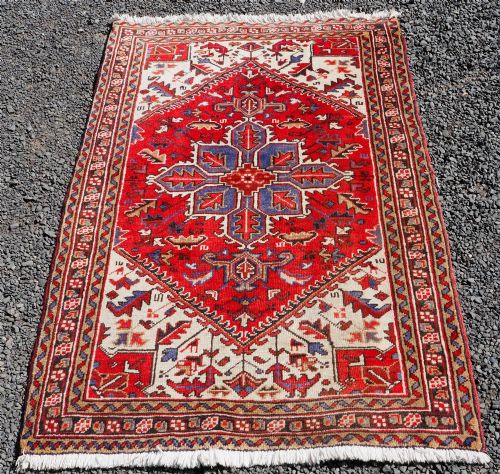
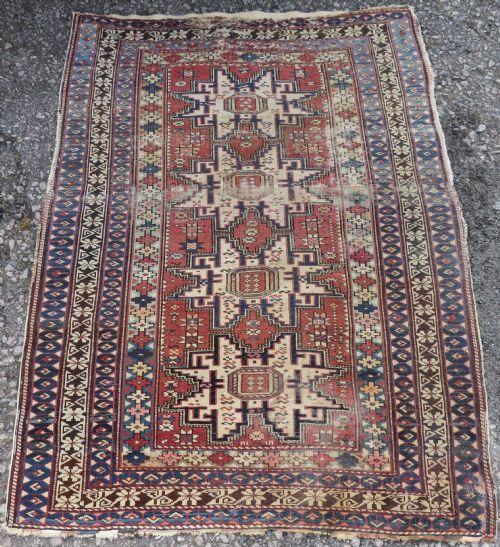
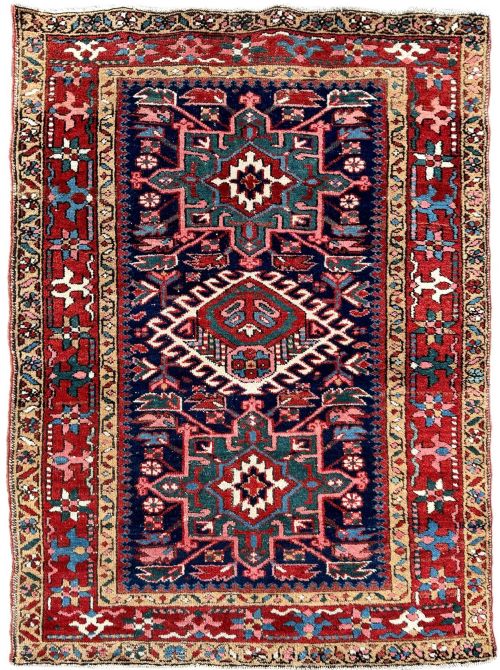
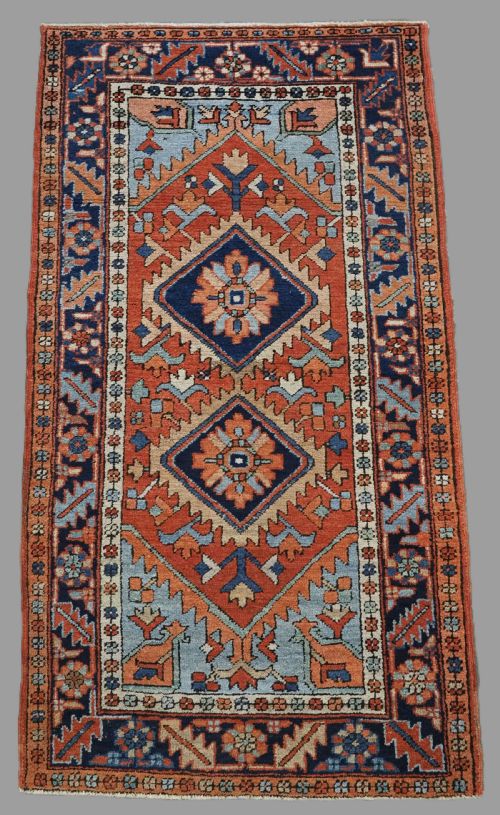
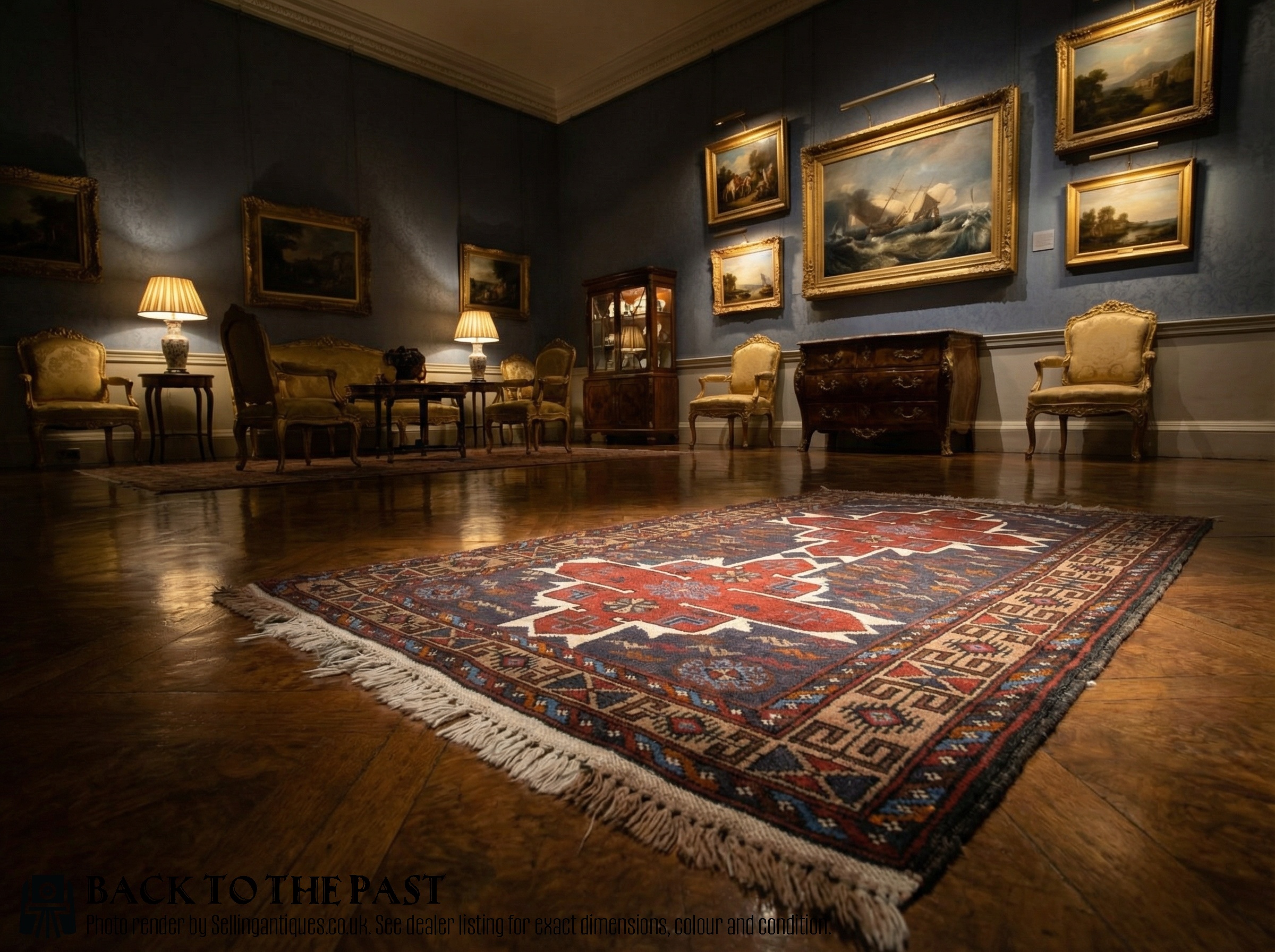
A caucasian medallion carpet presents striking central motifs framed by intricate tribal borders, originating from mountain weaving traditions. These textiles emerge in various formats including square rugs, long runners, and substantial carpets dating from the nineteenth century into the early twentieth century.
The selections span distinct regional centres in the Caucasus, such as Kazak, Karabagh, Kuba, Daghestan, and Shirvan. Buyers frequently encounter Kazak and Karabagh pieces alongside related Kurdish and Persian village examples that share similar geometric discipline.
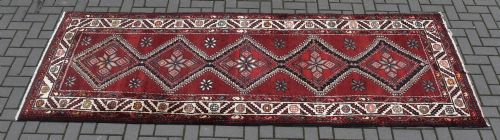
Formats range from compact scatter rugs to elongated runners and large kellevs suited for hallways and principal living spaces. Each piece reflects the specific aesthetic vocabulary of its mountain origin through distinct structural proportions and symbolic layouts.
Materials and construction
These floor coverings utilise hand-knotted wool and hand-spun wool structures built upon sturdy cotton or wool foundations. Artisans tied dense wool piles by hand to withstand generations of daily domestic use.
Natural dye stuffs impart the deep tones and mellow hues characteristic of older pieces, interacting with the wool fibres to develop a rich patina over time. The manual weaving process ensures each textile possesses individual structural nuances.
The listings feature pieces spanning the nineteenth century through the 1930s, utilising hand-knotted wool, cotton, and hand-spun wool.
Assessing quality and character
The fineness of the knotting and the clarity of the central medallion define the upper tier of these textiles. Superior examples exhibit precise geometric alignment and a balanced distribution of colour across the field.
The condition of the wool pile and the integrity of the original selvedges and ends influence the overall desirability of a carpet. Pieces that retain their full wool depth and natural dye variation command greater appreciation among collectors.
The Caucasian Medallion Carpet Glossary
- Medallion
- A central ornamental design motif placed in the middle of the carpet field. It usually anchors the symmetrical geometry of caucasian village rugs.
- Kazak
- A type of rug woven in the southern and western regions of the Caucasus. These pieces are known for their bold primary colours and large geometric figures.
- Karabagh
- A southern caucasian weaving region producing carpets with both geometric medallion layouts and floral influences. They often appear in larger formats like kelleh sizes.
- Runner
- A long, narrow carpet format designed specifically for hallways and corridors. They frequently display repeating medallion designs along their length.
- Soumak
- A flat-weave technique where the weft threads are wrapped around the warp threads to create a durable, non-pile structure. This method yields a crisp graphic surface.
Caucasian Medallion Carpet: Frequently Asked Questions
How do I place a runner?
Runners suit narrow spaces like hallways, corridors, and galleys where floor protection and visual warmth are required. They draw movement through a home while framing the floorboards beneath.
Ensure you measure the passage carefully, leaving a uniform border of exposed wood or tile on either side of the textile. A quality underlay keeps the runner stable under foot in high traffic areas.
Can these rugs take heavy traffic?
Traditional hand-knotted wool construction provides natural resilience against daily wear in busy rooms. The lanolin present in genuine wool fibres helps repel dirt and cushions the foundation structure.
Positioning the carpet away from direct, harsh sunlight preserves the natural dye tones over decades. Regular gentle sweeping maintains the pile without disturbing the hand-spun wool.
What defines a Kazak weave?
Kazak weaves are distinguished by their robust wool piles, saturated primary colours, and large octagonal or cruciform medallions. The geometry is bold and uncrowded, allowing each motif to stand out clearly against the field.
Weavers in these caucasian districts utilised generous quantities of hand-spun wool knotted onto sturdy foundations. This structural approach gives the vintage pieces their characteristic substantial handle.
How do I date an antique piece?
Dating relies on examining the specific wool characteristics, the organic or synthetic nature of the dyes, and the structural quirks of the foundation. Nineteenth-century examples often display subtle colour variations caused by abrash in the dye batches.
Stylistic markers such as specific gül arrangements and regional borders help narrow down the decade of production. Early twentieth-century pieces continue many of these traditional motifs with slightly refined finishing techniques.