


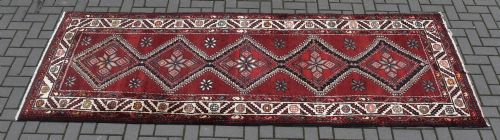

Caucasian Long Runner Rug
A caucasian long runner rug brings bold geometric motifs and rich vegetable dyes directly into narrow hallways and galleries.
Caucasian Long Runner Rug
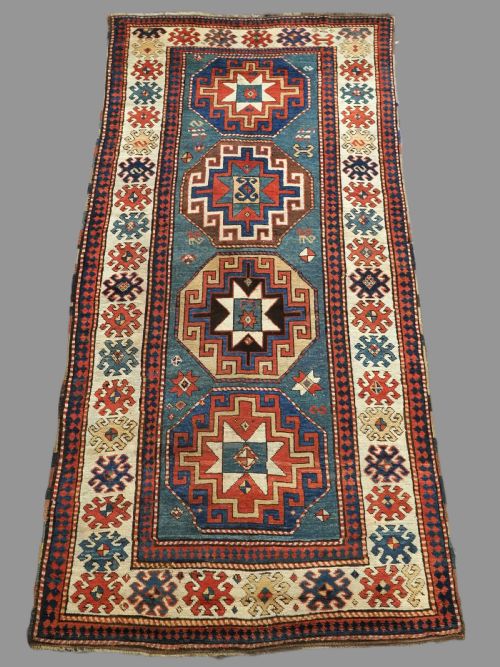
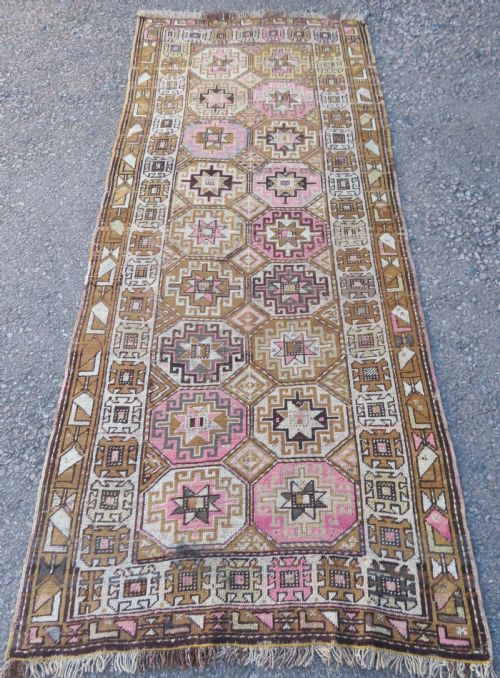
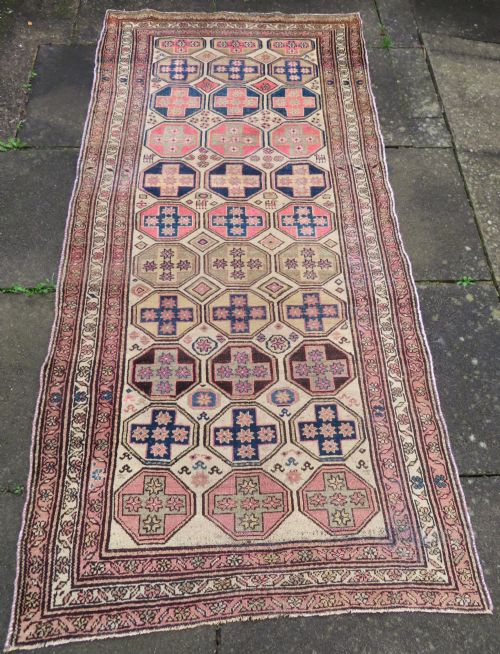
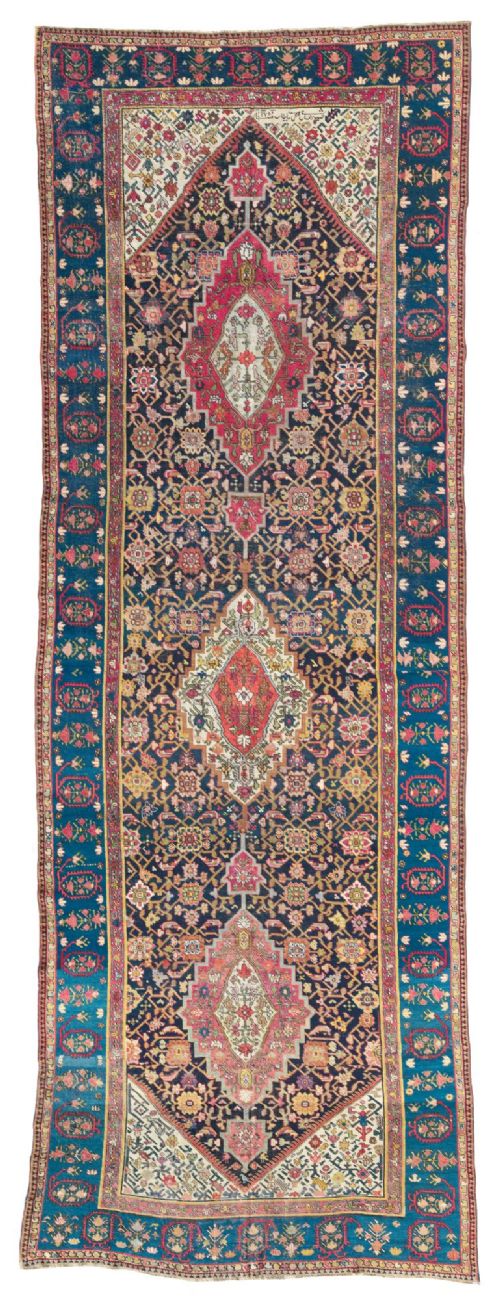
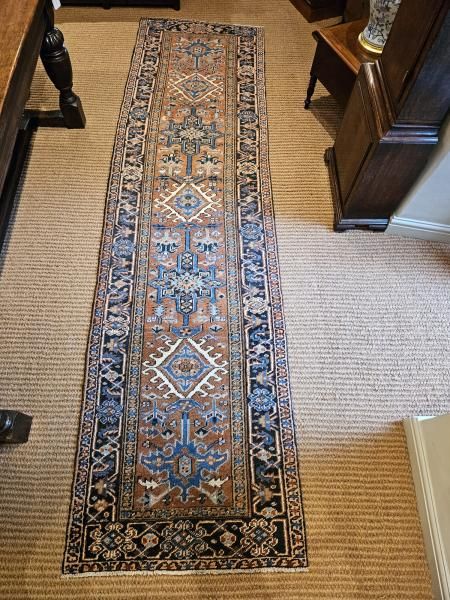
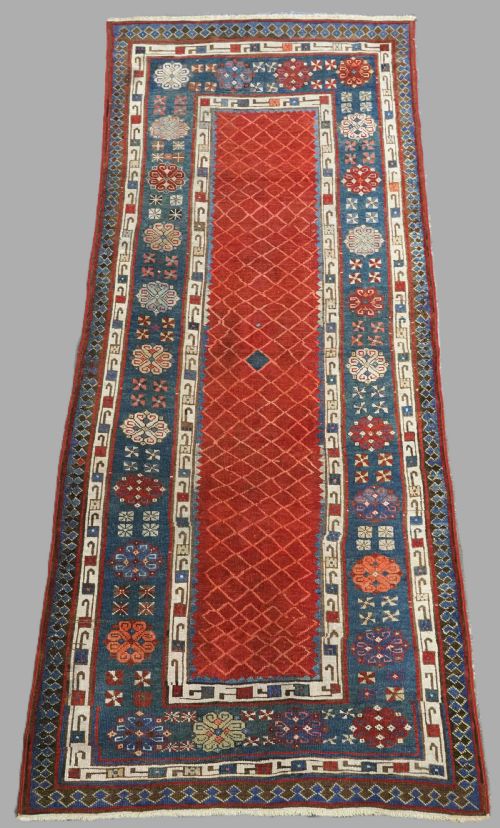
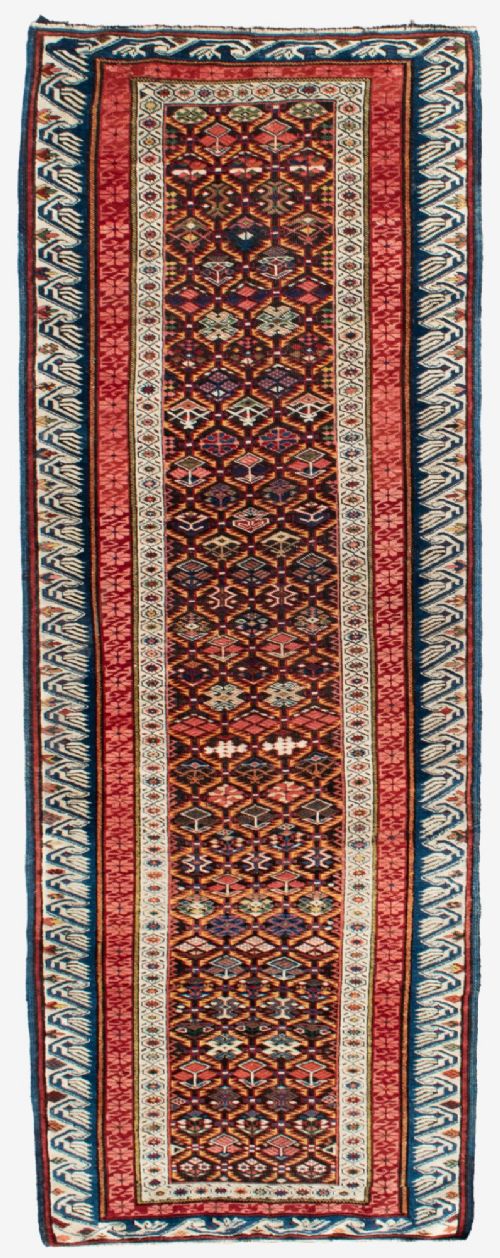
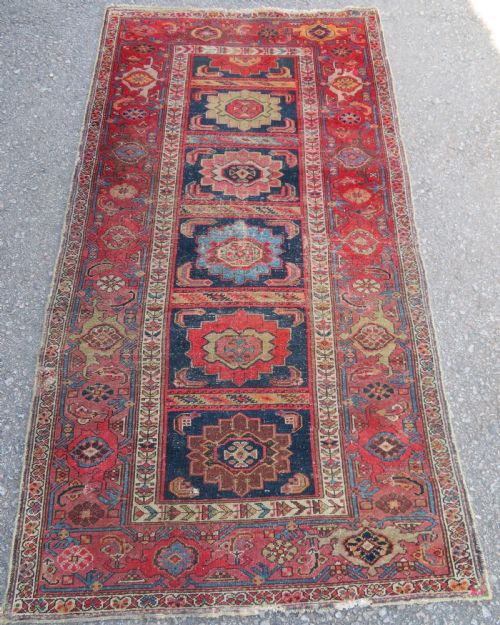
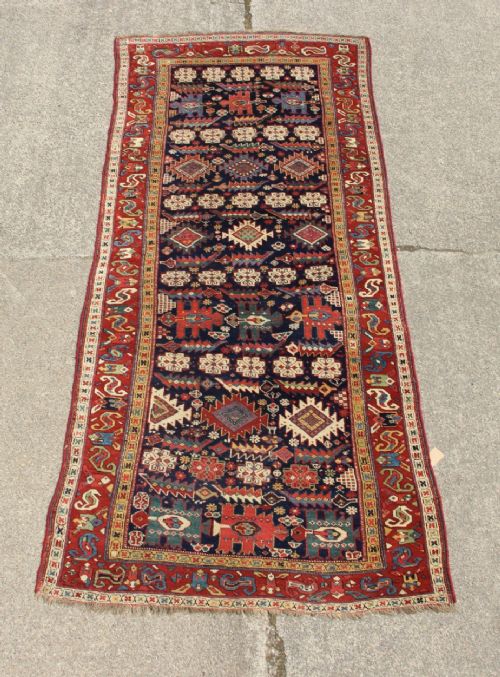
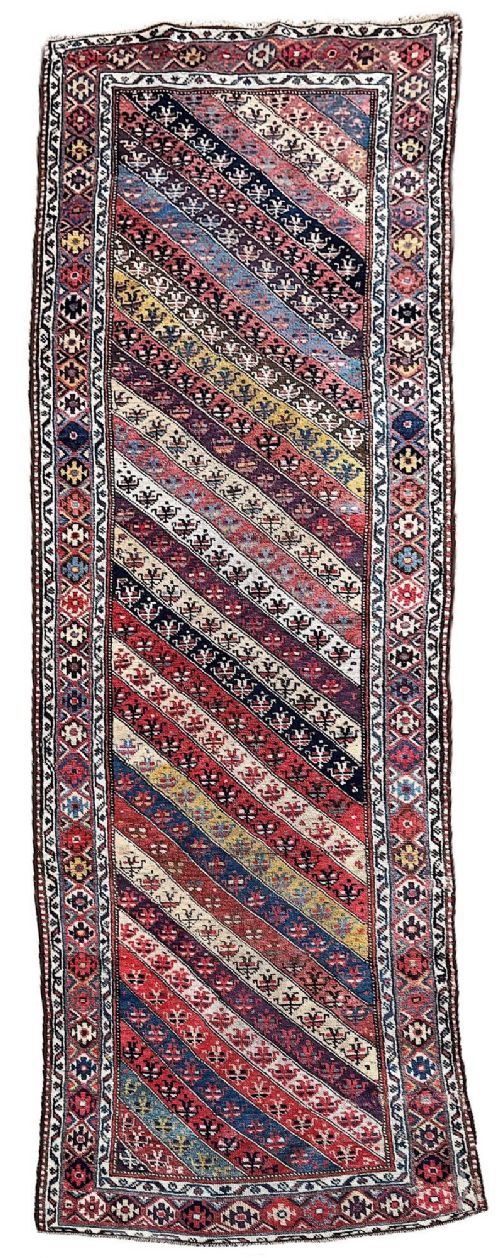
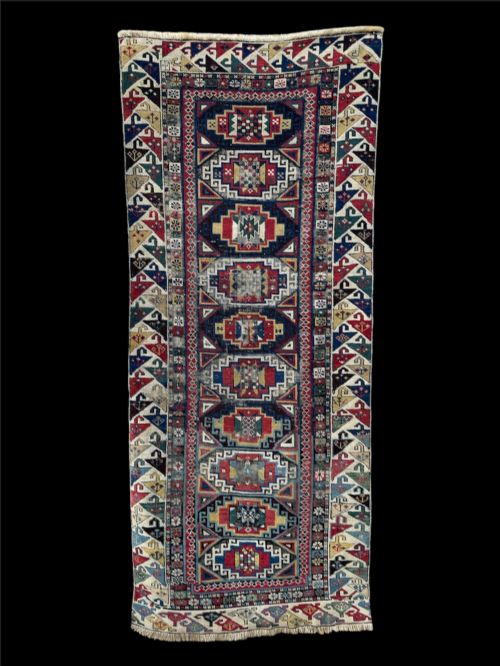
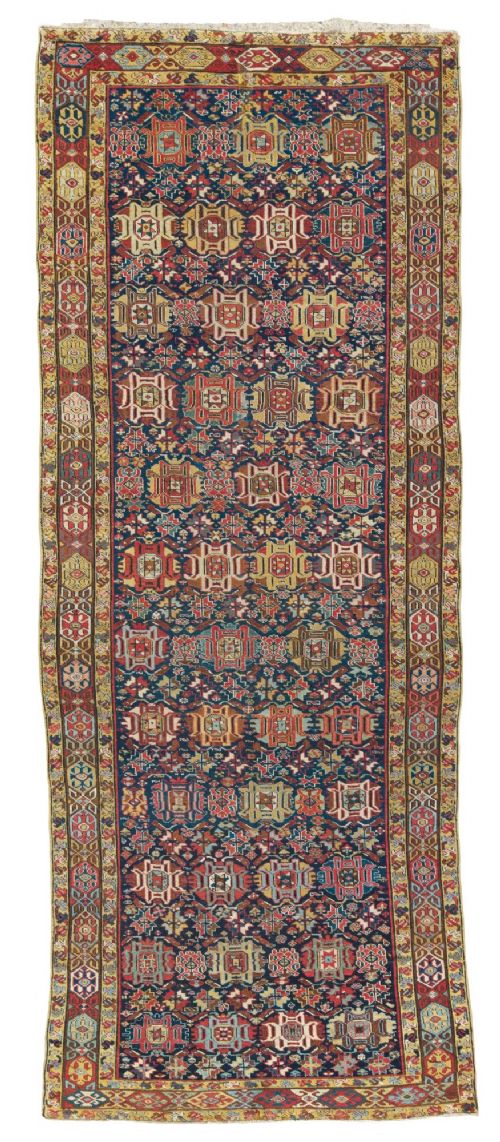
A caucasian long runner rug is a narrow, elongated floor covering originating from the Caucasus region during the nineteenth and early twentieth centuries. These textiles span traditional tribal production centres such as Talish, Shirvan, Kazak, Karabagh, and Kuba, alongside related Kurdish and Persian borderlands. Buyers searching for a caucasian long runner rug encounter narrow formats designed specifically for corridors, staircases, and long rooms. Pieces range from approximately the mid-nineteenth century through to the 1920s, showing distinctive regional weaving traits.
The format typically presents as a stretched rectangular field filled with repeating medallions, latch-hook motifs, or geometric lattice patterns. While many pieces originate directly from the Caucasus, related Northwest Persian and Kurdish runner rugs frequently appear alongside them due to stylistic overlaps. These formats serve both practical hallway placement and decorative display, offering substantial length relative to their narrow widths.
How they were made
Weavers constructed these long rugs using handspun wool for the pile, often combined with cotton foundations for warp and weft threads. Camel hair also appears in selected pieces, utilised in natural undyed shades to provide structural contrast or distinct background tones within the field. Natural dyes extracted from local plants and minerals produced the deep blues, reds, and ivory grounds characteristic of the period.
The handweaving technique involved dense knotting tied onto vertical looms, creating a durable fabric capable of withstanding heavy corridor footfall. Artisans arranged geometric designs, star medallions, and boteh motifs row by row, relying on tribal memory and regional traditions rather than written templates.
Several runners unexpectedly incorporate large embroidered peacocks and star medallions alongside standard tribal lattice patterns.
What varies in quality
Quality in a caucasian long runner rug depends on the crispness of the geometric drawing and the saturation of the natural dyes. Finer examples display precise knot density and sharply defined lattice or medallion outlines, while simpler tribal pieces show more rustic, irregular proportions.
The integrity of the wool pile and the balance of the colour palette dictate the visual impact of the runner. Pieces maintaining high pile retention and vivid, unmudded secondary colours sit at the upper end of the range, whereas heavily worn or distressed surfaces reflect extensive age and heavy past use.
The Caucasian Long Runner Rug Glossary
- Talish
- A specific weaving origin in the Caucasus known for producing narrow runners with open blue or pale grounds and delicate border bands.
- Kelleh
- A large format rug or carpet, intermediate in proportion between a standard rug and a long runner.
- Boteh
- A stylised almond or pear-shaped motif representing a floral shoot or cypress tree, frequently repeated across tribal fields.
- Kazak
- A robust style of Caucasian weaving recognised for bold geometric primary medallions, primary colours, and sturdy wool construction.
- Knit density
- The measurement of knots per square unit, influencing the structural firmness and detail clarity of the rug.
Caucasian Long Runner Rug: Frequently Asked Questions
Where should I place a caucasian long runner rug?
These narrow formats suit hallways, corridors, and long gallery spaces where their stretched proportions draw the eye down the length of the room.
They also function effectively in narrow entryways or alongside large pieces of furniture where standard rectangular carpets fail to fit.
How do I care for an antique runner rug?
Gentle vacuuming without a rotating brush roll prevents damage to the handspun wool pile and delicate foundation warps. Professional specialist cleaning ensures the natural dyes remain stable and free from harsh chemical disruption.
What materials make up these rugs?
The pile consists predominantly of handspun wool, occasionally supplemented by natural undyed camel hair for specific background tones. Cotton or wool foundations provide the structural warp and weft framework beneath the surface knots.
How can I tell regional styles apart?
Talish pieces generally feature open, narrow blue grounds with simple border arrangements, while Kazak rugs display heavy geometric medallions and primary block colours. Shirvan and Karabagh examples frequently incorporate repeating star lattices or floral boteh motifs across the field.