


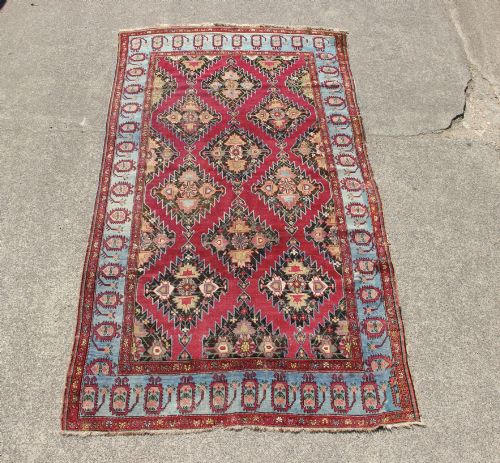
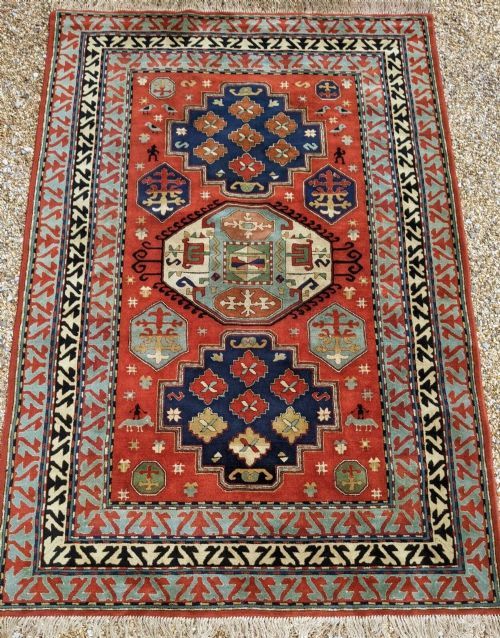
Caucasian Area Carpet
A caucasian area carpet brings genuine tribal character and rich wool texture into a room, offering bold geometric designs that anchor traditional and modern interiors alike.
Caucasian Area Carpet
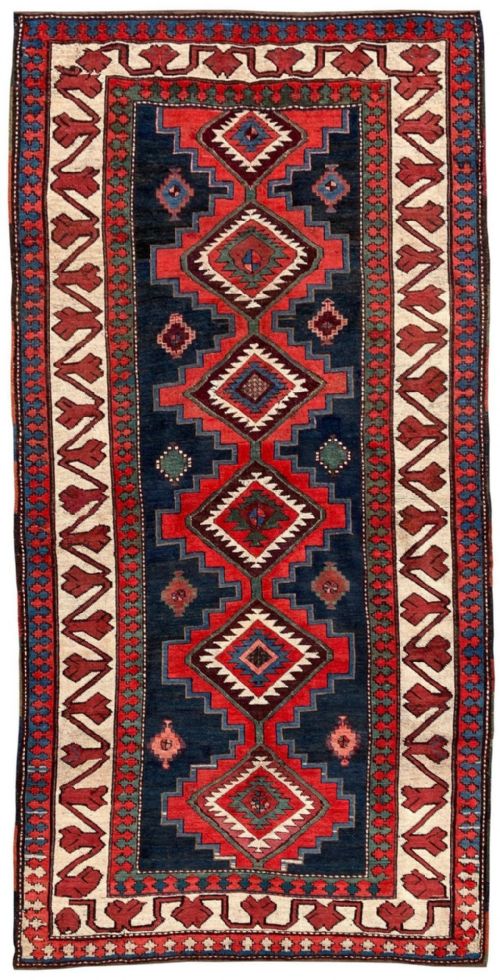
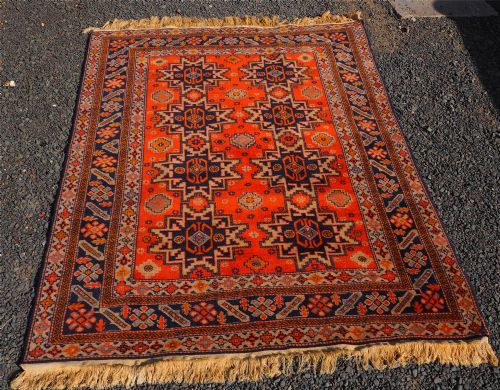
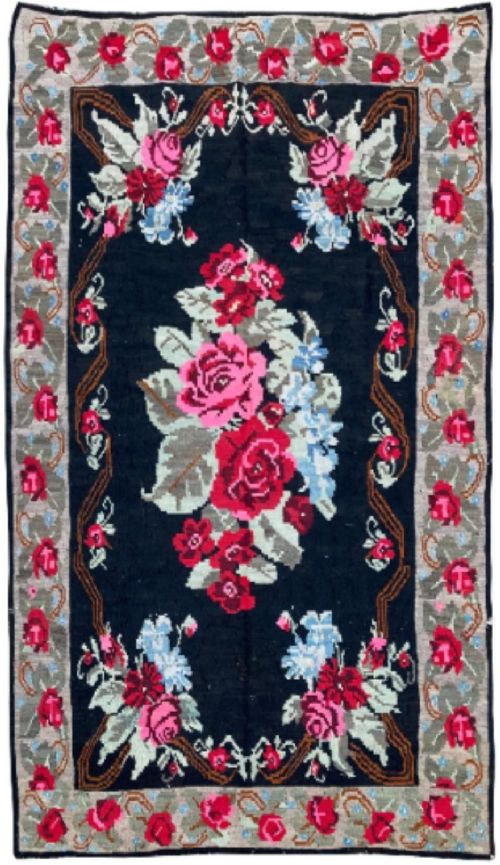
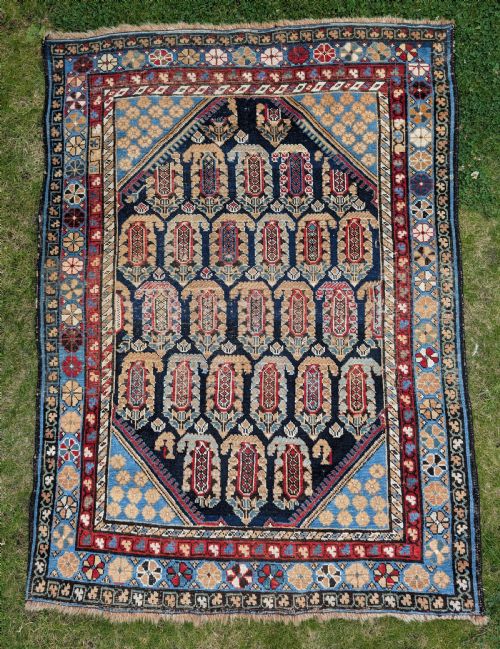
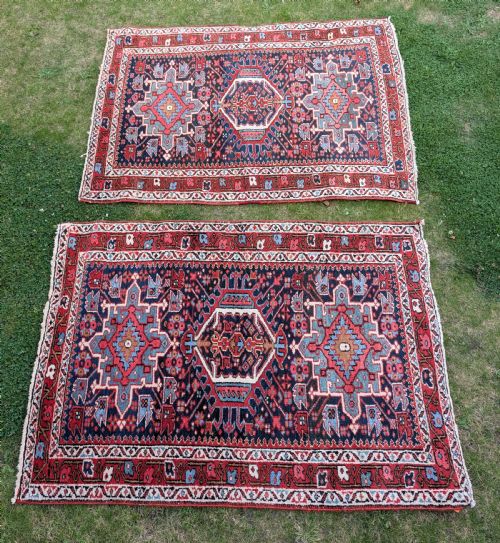
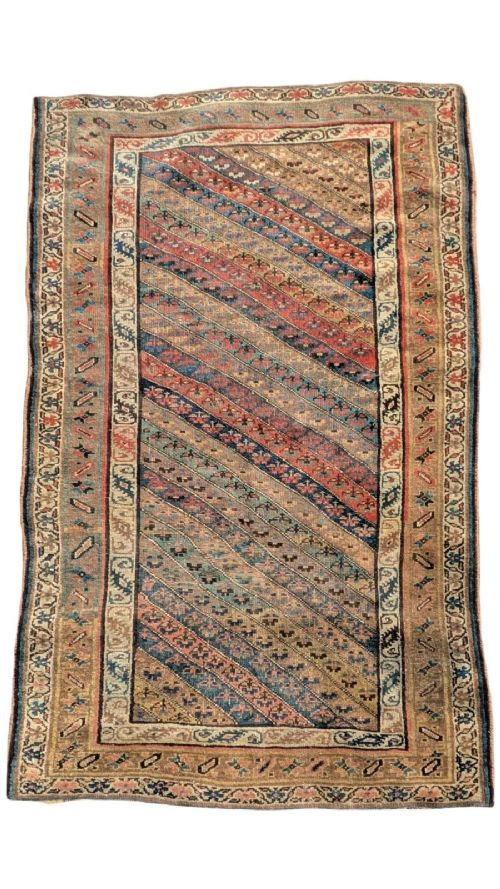
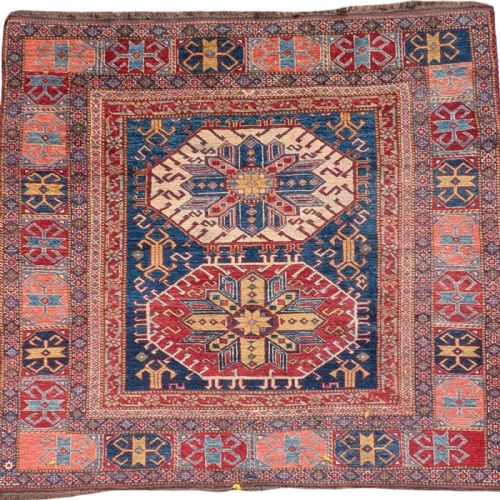
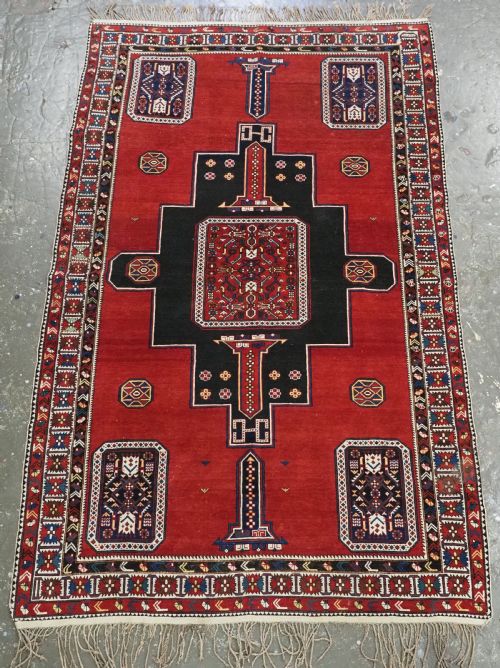
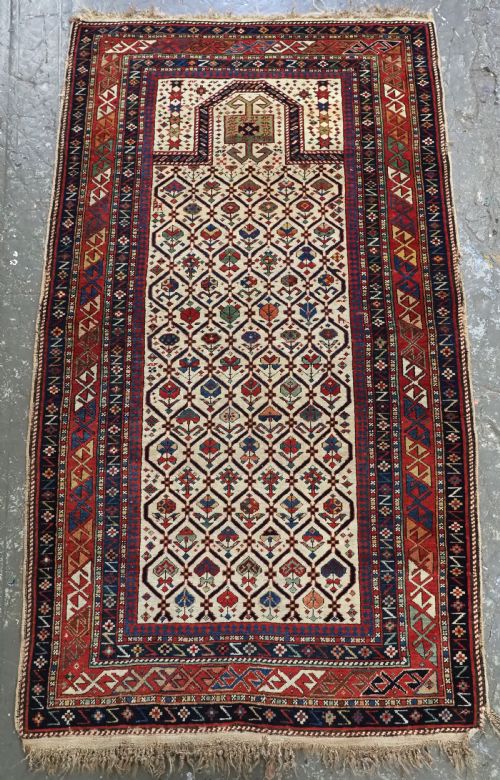
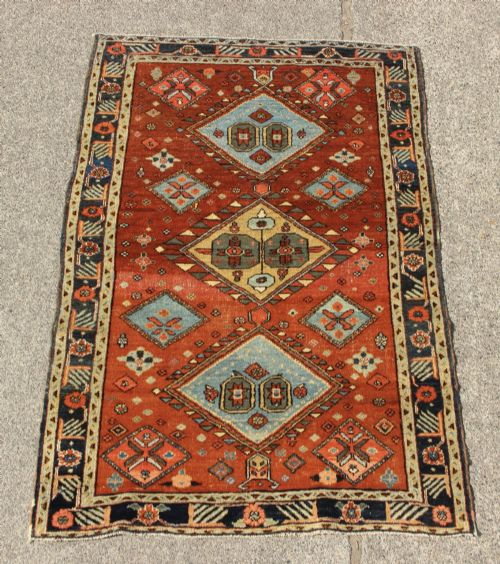
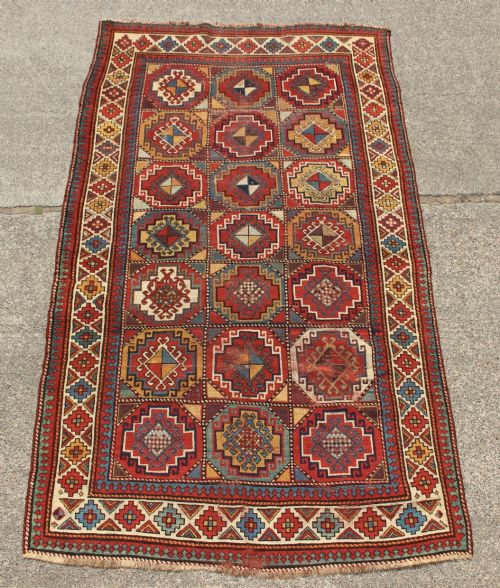
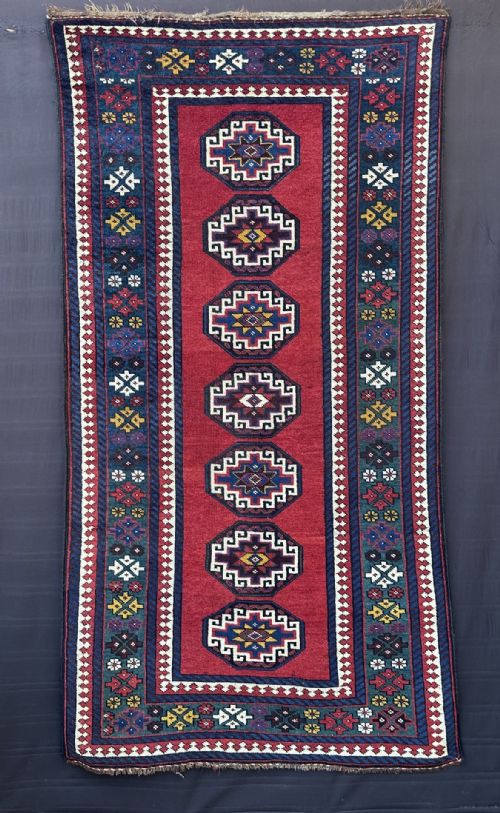
A caucasian area carpet embodies the distinct weaving traditions of the Caucasus region, spanning styles from Kazak and Kuba to Shirvan, Karabagh, and Moghan. These pieces arrive in various formats, including large kelleh rugs, soumaks, and brocaded flatweaves like verneh or zili. Buyers encounter rugs defined by strong regional patterns, distinct medallions, and tribal motifs passed down through generations.
The pieces listed on this page date from the late nineteenth century into the early twentieth century, specifically covering periods around 1870, 1890, 1900, 1910, and 1930. They function primarily as floor coverings or decorative area rugs, bringing historical depth and authentic village craftsmanship into domestic spaces.
How they were made
Every piece recorded in the evidence is constructed from wool, utilised for both the foundational structure and the pile or flatweave surface. Weavers employed traditional hand-knotting and flatweaving techniques, creating durable textiles capable of enduring decades of daily use.
Specialised structures such as brocaded flatweaves, soumaks, and piled carpets demonstrate the varied technical repertoire of Caucasian workshops and nomadic groups. Natural dyes yielded soft colours as well as striking ground borders, including scarce yellow grounds seen in earlier examples.
Caucasian Area Carpet Retail Price Guide 2026
Typical asking prices for caucasian area carpet among the pieces listed under this phrase on Sellingantiques today, from the lower quarter to the upper quarter. They describe what is for sale here now, not the wider market.
Current listings feature pieces exclusively in wool, spanning production dates from 1870 through 1930.
What varies in quality
Quality in a caucasian area carpet rests in the clarity of the design and the integrity of the weave, distinguishing everyday village production from exceptional workshop pieces. The precision of geometric medallions, floral lattices, and unusual sizes dictates the visual strength of the rug.
The depth and nuance of the wool pile, alongside the survival of crisp borders and uncommon ground colours like yellow, separate standard examples from those of superior aesthetic and historical interest.
The Caucasian Area Carpet Glossary
- Kazak
- A style of rug originating from the western Caucasus, known for bold geometric medallions and saturated primary colours. These pieces are typically woven by village or nomadic weavers.
- Soumak
- A flatweave technique involving a wrapping process that creates a thick, durable textile without a cut pile. This method allows for intricate geometric designs with a smooth face and floating threads on the reverse.
- Kelleh
- A long, rectangular carpet format traditionally used in specific areas of a room, often narrower than a standard room-sized carpet. This shape accommodates corridor spaces or fireside placements.
- Verneh
- A type of brocaded flatweave rug featuring distinctive stylistic patterns, often associated with south-west Caucasian weaving traditions. These textiles display intricate horizontal rows of ornament.
- Kuba
- A design style originating from the north-eastern region of the Caucasus, recognised for precise geometric lattices and sophisticated field layouts.
Caucasian Area Carpet: Frequently Asked Questions
Where were caucasian area carpets made?
These carpets originate from the Caucasus region situated between the Black Sea and the Caspian Sea. Different areas within this geographic expanse developed distinct regional styles, such as Kazak, Kuba, Shirvan, and Karabagh.
Nomadic tribes and settled village communities each contributed specific motifs, colour palettes, and weaving structures to the local tradition.
How do I care for an antique wool rug?
Maintenance requires gentle, regular vacuuming without a rotating brush bar to protect the wool pile and flatweave structures. Professional cleaning tailored to antique textiles preserves the natural fibres and dyes.
Placing the rug out of direct, prolonged sunlight helps prevent the fading of natural colours over time.
How can I tell the age of a caucasian carpet?
Dating relies on assessing the materials, natural dye characteristics, structural wear, and stylistic indicators typical of late nineteenth and early twentieth-century production. Closer examination of the wool quality and structural foundation provides further context.
Specific dates or periods recorded in historical records help anchor these textiles within established manufacturing eras.