


Catholic Church Antiques
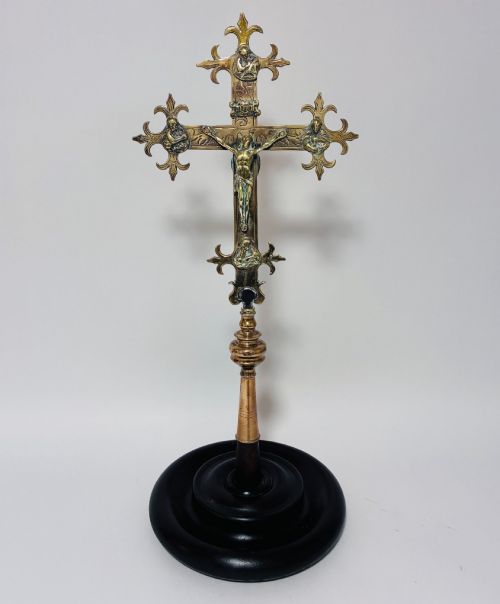
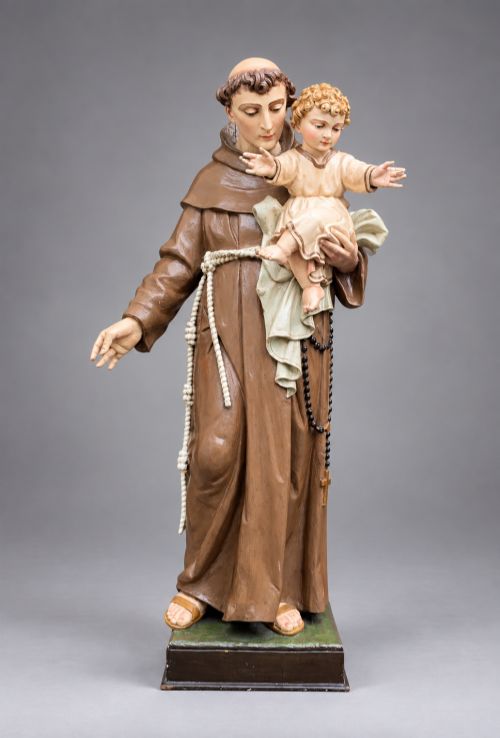
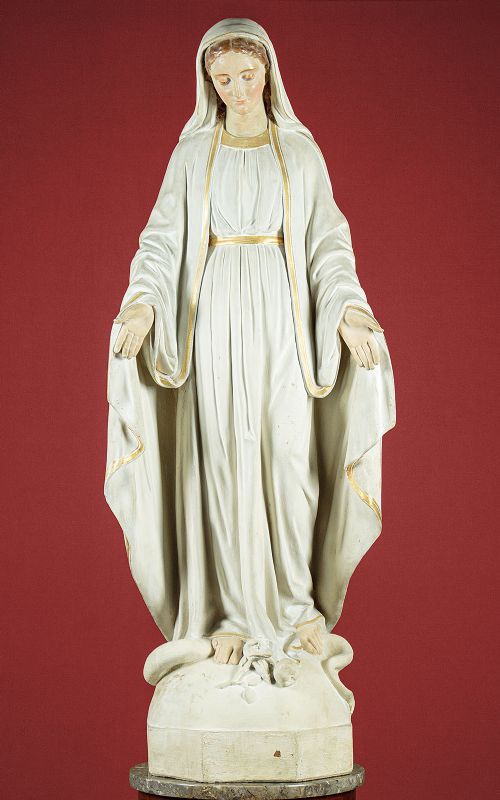
These catholic church antiques span centuries of devotion, bringing devotional art, sacred vessels and carved figures directly into secular interiors.
Catholic Church Antiques
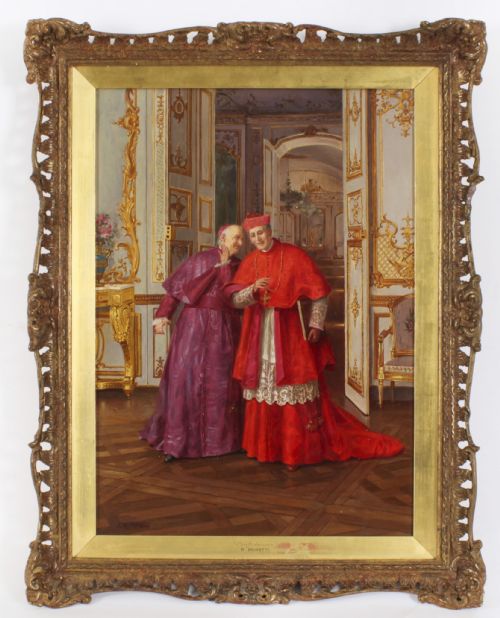
When you search for catholic church antiques, you encounter sacred items created for worship and private devotion across Europe. The selection on this page leans heavily towards carved wooden figures, liturgical metalwork and devotional paintings spanning several centuries.
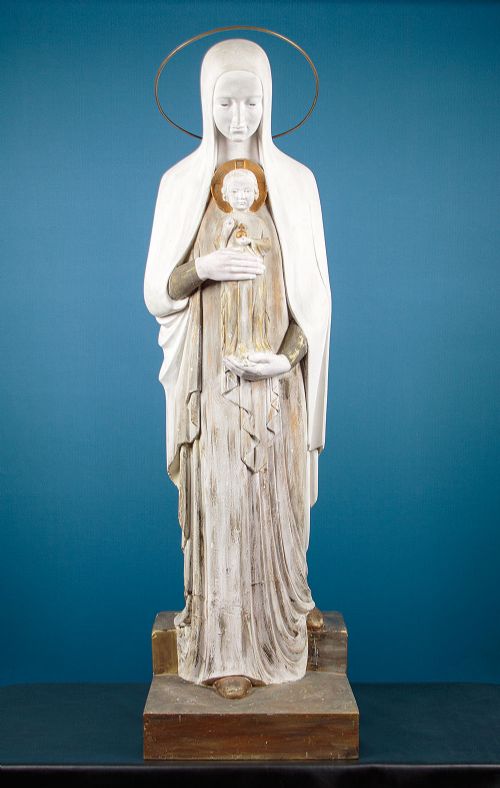
The objects take diverse forms, from large figures of the Virgin Mary and saints to copper pyxes, chalices and framed ex-votos. Pieces range from Spanish Baroque carvings and medieval church figures to later French ecclesiastical lamps and Italian folk art statues.
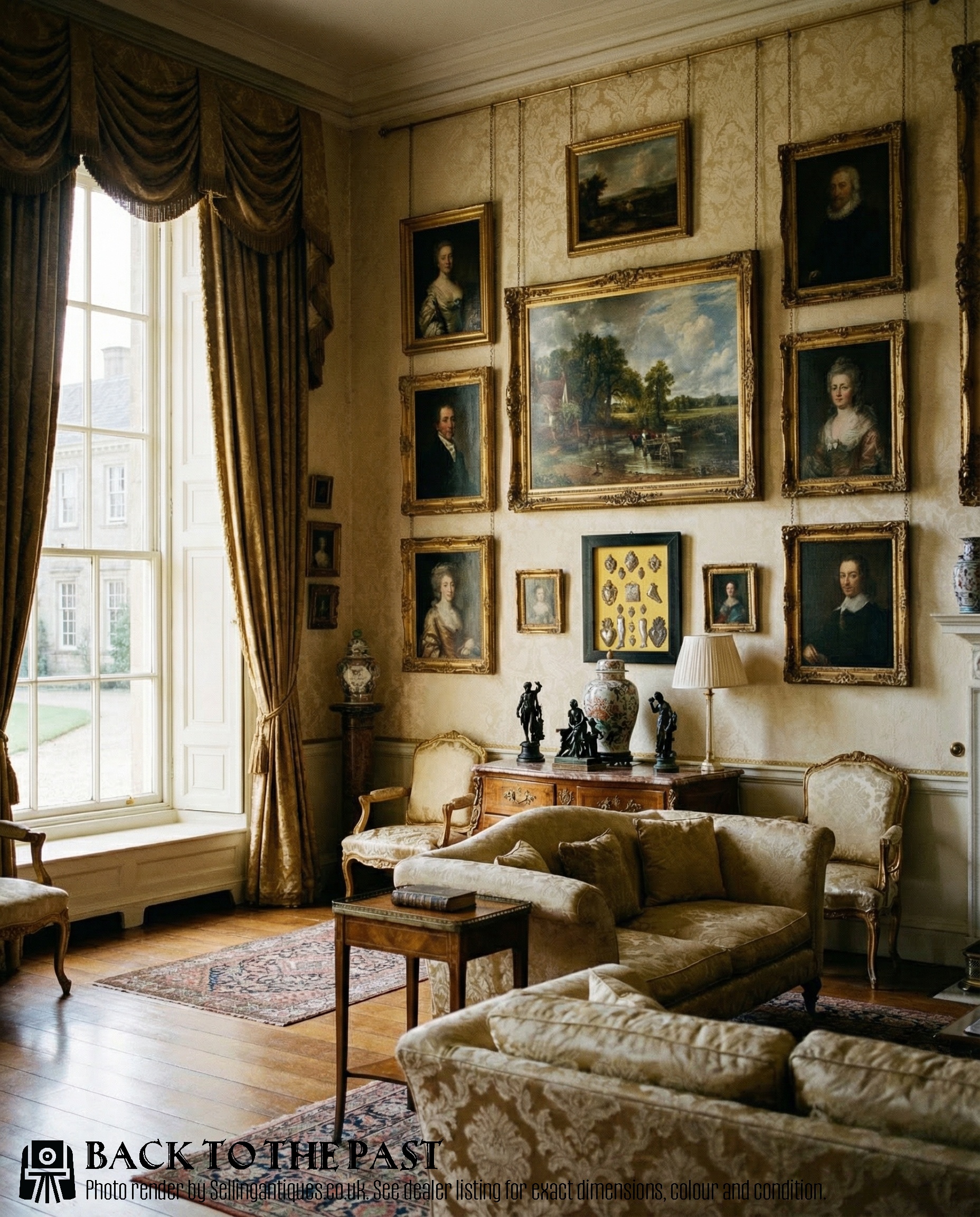
Buyers often select these works to anchor a room with history, texture and solemnity. The variety reflects the broad material culture of the church, encompassing textiles like velvet copes alongside gilded altar frames.
How they were made
Makers utilised traditional hand-working methods, shaping wood through carving before applying gesso, paint and gold leaf. Polychrome surfaces often layer pigments over prepared grounds to bring realism to drapery and flesh tones.
Metalwork pieces such as ciboria and chalices involve precision engraving on copper and brass, sometimes paired with silver plating. Textiles rely on rich weaves like velvet, worked by hand to create vestments for liturgical use.
Materials recur across wood, carved wood, gesso, polychrome, paint, brass, metal, and gold leaf, reflecting traditional workshop practices.
What varies in quality
Surface preservation dictates much of the appeal, with intact original polychrome and undisturbed gold leaf holding greater visual depth. The finesse of the metal engraving on vessels like pyxes also marks the distinction between workshop outputs.
Renato Moretti
The Catholic Church Antiques Glossary
- Pyx
- A small round container used in the Catholic Church to carry the Eucharist. Early examples are often made of engraved copper and precious metals.
- Ciborium
- A covered chalice-like vessel designed to hold the consecrated hosts. They frequently display Gothic revival brass work and intricate engraving.
- Ex-voto
- A votive offering presented to a saint or a divinity in fulfilment of a vow. They appear in framed collections as small metal plaques representing healed body parts or figures.
- Cope
- A long ecclesiastical vestment resembling a cape, worn by clergy during processions and ceremonies. They are often fashioned from rich fabrics such as velvet.
- Cartagloria
- An altar card or framed text placed on the altar for the priest to read during mass. Antique versions often feature gilt wooden frames.
- Polychrome
- The practice of decorating architectural elements, sculpture and pottery in a variety of colours. It gives wooden saint figures a lifelike appearance.
Catholic Church Antiques: Frequently Asked Questions
How do I date a wooden saint figure?
Dating relies on stylistic clues in the carving, the preparation layers beneath the paint, and the tool marks left in the wood. Earlier pieces often show hand-adzed backs and mineral-based pigments.
Changes in fashion across centuries also dictate how drapery and facial expressions are rendered. Examining the underlying gesso and wood shrinkage provides further confirmation of age.
How were ex-votos used in practice?
Devotees pinned or hung ex-votos in churches or chapels as tokens of gratitude for miraculous healings or answered prayers. They depict specific subjects, such as limbs or figures, representing the focus of the petition.
Over time, collectors gathered these offerings into framed wall displays. Their diverse shapes reflect personal expressions of faith across generations.
Can these religious items be integrated into modern interiors?
These artefacts fit naturally into contemporary spaces by providing a strong focal point and historical contrast. Carved figures and paintings bring warmth and texture when placed on plain shelves or console tables.
Metalwork vessels and frames work well displayed on surfaces where light catches the engraved copper or gold leaf. Their neutral tones and aged patinas complement minimalist and eclectic décors alike.