




Cast Metal Wall Crest
These cast metal wall crest pieces bring heraldry and architectural weight to a room, offering substantial iron and bronze badges, plaques, and mirrors.
Cast Metal Wall Crest
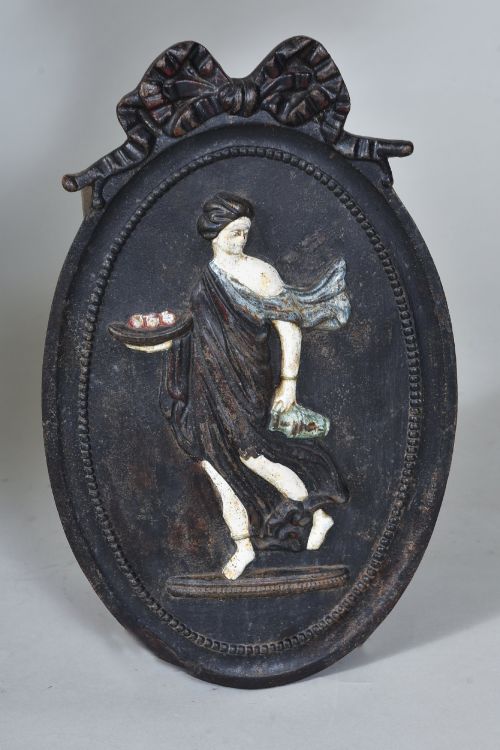
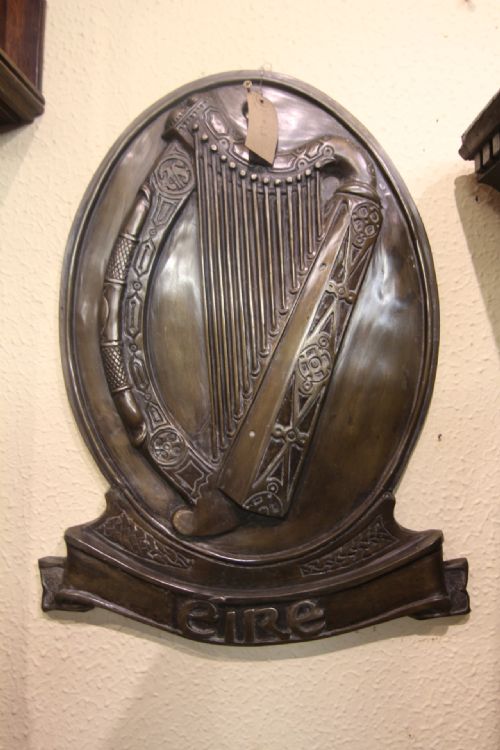
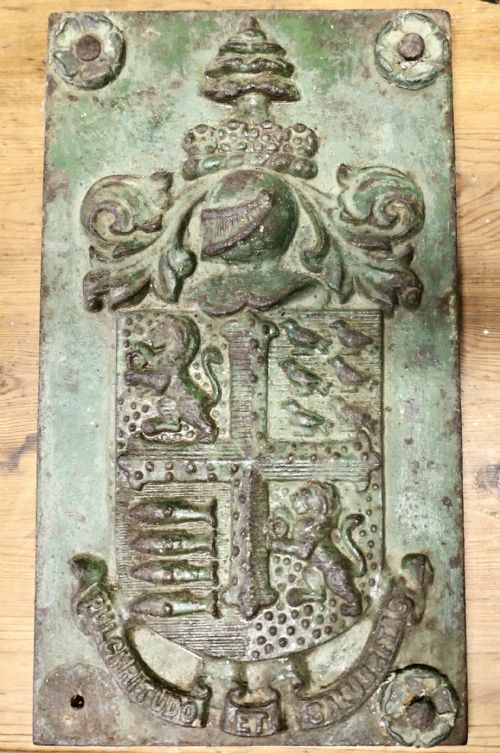
When you search for a cast metal wall crest, you encounter heavy armorial plaques, architectural pediments, and maritime badges designed to mount directly onto masonry or timber panels. The selection spans centuries of foundry work, featuring pieces shaped as coats of arms, railway insignia, and clan heraldry.
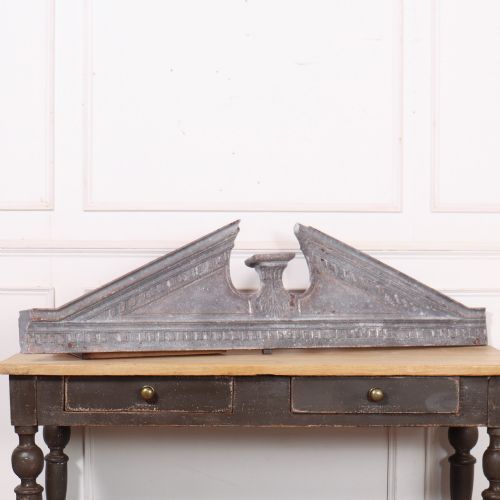
You are most likely to meet 19th-century iron and brass pieces on this page, often bearing Victorian heraldic designs or military connections. These objects range from small cast brass mirrors with mask crests to large overdoor pediments and heavy bronze ships badges.
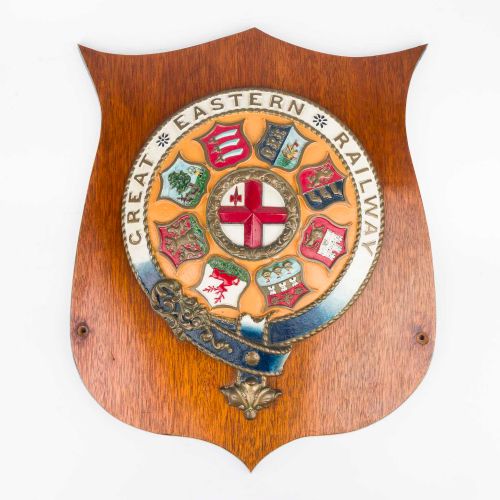
The forms originate from diverse settings, including municipal buildings, railway companies, naval vessels, and ancestral Scottish estates. Each piece carries a specific identity, whether it marks the coat of arms of Bournemouth or the insignia of the Great Eastern Railway.
Materials and foundry techniques
Foundries utilised traditional sand-casting methods to pour molten bronze, iron, brass, zinc, and lead into detailed moulds, capturing intricate heraldic charges and lettering. Many examples retain traces of original paint applied to highlight the relief work against the darker metal ground.
Finishing involved hand-chasing and polishing on brass and bronze items, while iron pieces relied on protective coatings to withstand exterior architectural placement. Combinations occasionally integrate glass, particularly within the frames of wall mirrors surmounted by cast crests.
Cast Metal Wall Crest Retail Price Guide 2026
Typical asking prices for cast metal wall crest among the pieces listed under this phrase on Sellingantiques today, from the lower quarter to the upper quarter. They describe what is for sale here now, not the wider market.
The listings on this page span materials from bronze and cast iron to zinc, lead, and brass, across periods from the eighteenth century to the 1940s.
Distinctions in quality
The sharpness of the casting distinguishes superior foundry work, where crisp details in the heraldic crowns, mantling, and inscriptions remain distinct rather than softened by worn moulds. Weight and gauge also separate substantial architectural salvage from lighter decorative items.
Provenance and historical association elevate certain pieces, such as documented railway badges, specific clan plaques, or items linked to government ministries, which demonstrate precise historical context alongside accomplished metalworking.
Great Eastern Railway·Ministry of Supply
The Cast Metal Wall Crest Glossary
- Heraldic
- Pertaining to armorial bearings and coats of arms. It describes designs featuring shields, crests, and supporters.
- Pediment
- A triangular or curved architectural element placed above doors or windows. In these listings, they appear as large overdoor casts.
- Armorial
- Relating to heraldic arms or family lineages. These plaques display specific historical crests and mottos.
- Passant
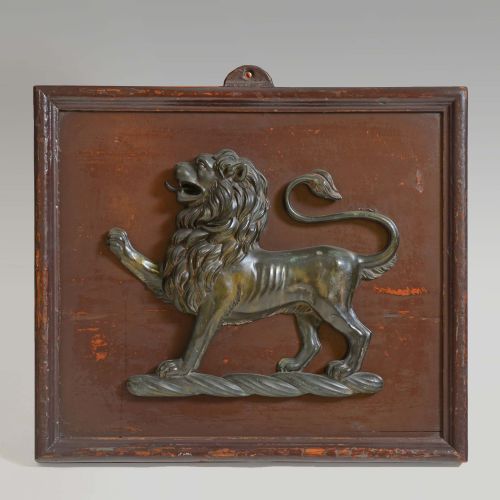
- A heraldic term for an animal depicted walking with its right forepaw raised. The Clan Stirling pieces show a lion in this posture.
Cast Metal Wall Crest: Frequently Asked Questions
How heavy are these metal wall crests?
These pieces are cast from heavy metals like iron, bronze, and brass, often weighing several kilograms depending on their size.
Because of this substantial weight, secure wall fixings and mounting directly into studs or masonry are essential for safe display.
Where were these plaques originally displayed?
Many originated on railway engines, naval ships, municipal buildings, or above interior doorways as architectural pediments.
Others served as exterior civic markers or commemorative items for specific regiments, ministries, and Scottish clans.
How do I date a cast metal crest?
Dating relies on stylistic clues, historical records of the named railway or regiment, and the specific casting technique used by the foundry.
Victorian pieces often display distinct gothic or neoclassical revival motifs, whereas 20th-century items frequently reference specific wartime or departmental bodies.
Can these metal crests go outdoors?
Many iron and bronze pieces were originally intended for exterior architectural use and naturally withstand weather if properly maintained.
Brass mirrors and painted pieces, however, benefit from protected interior environments to preserve their surface finishes and glass elements.