
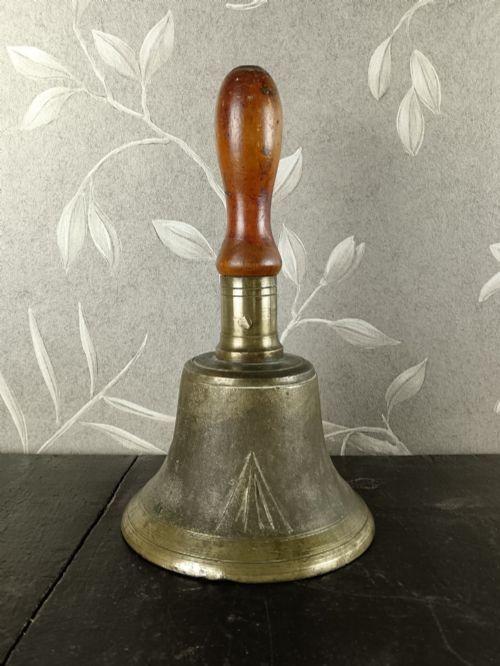
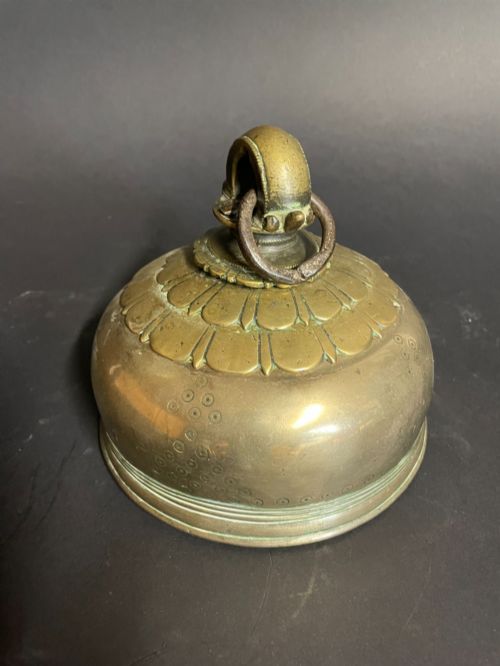


Cast Metal Bell
These cast metal bell examples bring together centuries of foundry work, offering solid bronze and iron pieces designed to summon, warn or mark the hour.
Cast Metal Bell
A cast metal bell encountered on this page spans utilitarian objects and decorative forms, drawing from centuries of metalwork traditions. Buyers searching for a cast metal bell will find domestic call mechanisms, heavy tower bells, and table vessels created across different eras.
The selection ranges from Victorian wall brackets and servants bells to maritime ship bells and military warning devices. Domestic pieces share space with ritual objects and garden cloches, reflecting diverse global origins from British workshops to French foundries.
Found forms include handbells, dinner gongs, door pulls, and heavy bronze mortars alongside mounted hanging bells. Each object demonstrates the practical utility of cast metal in daily life, commerce, and institutions over the past several hundred years.
How they were made
Makers utilised bronze, brass, cast iron, and copper alloy, pouring molten metal into sand or lost-wax moulds to achieve durable forms. These alloys determined the resonance and weight of each piece, whether intended for a sharp domestic summons or a deep tower chime.
Secondary materials such as wrought iron, hardwood, and rope appear in brackets, clappers, and hanging mounts that support the main metal body. Foundries shaped these components to withstand repeated impact and tension over decades of use.
What varies in quality
Quality rests in the precision of the casting work and the purity of the metal alloy, which directly dictates the clarity of the resonance. Finer examples display crisp surface detail and well-balanced proportions that ensure clean acoustics when struck.
The integrity of the original mounting hardware and brackets separates standard utilitarian items from superior surviving specimens. Pieces retaining their complete period fixings demonstrate greater historical completeness and structural soundness.
Biron PARIS
The Cast Metal Bell Glossary
- Bronze
- A copper alloy typically combined with tin, prized by founders for its strength and superior acoustic resonance when cast into bells.
- Cloche
- A bell-shaped protective cover, often made of cast iron in these listings, used originally in gardens or over food.
- Mortar and Pestle
- A heavy bowl and club-shaped tool cast in metal, used for grinding substances, appearing frequently alongside bell forms.
- Dinner Gong
- A suspended metal disc or bell struck with a mallet to announce meals in large households.
- Servants Bell
- A mechanical call system component mounted on walls or operated by pulls to summon staff in Victorian homes.
Cast Metal Bell: Frequently Asked Questions
How do I hang a heavy bronze bell?
Heavy bells require secure anchoring into solid timber or masonry using appropriate iron brackets. The hanging mount must bear the total weight and the dynamic stress of repeated striking.
Original brackets should be inspected for structural integrity before installation. Ensure the clapper swings freely without striking the mounting hardware directly.
What is the difference between a brass and bronze bell?
Bronze contains primarily copper and tin, producing a warmer, deeper, and more sustained resonance. Brass is an alloy of copper and zinc, typically yielding a brighter and sharper tone.
Foundries selected these metals based on the intended acoustic profile and functional context of the object.
How should I clean a cast metal bell?
Dust the surface regularly with a soft, dry cloth to prevent grime accumulation. Avoid aggressive metal polishes that strip away historical patina and wear marks.
Preserving the aged surface maintains both the historical character and the visual depth of the metal.
Were these bells used outdoors?
Many tower bells, ships bells, and garden cloches were engineered to withstand exposure to the elements. Bronze and heavy iron resist environmental wear better than lighter alloys.
Protected placement helps preserve original iron brackets and wooden components from moisture damage.