



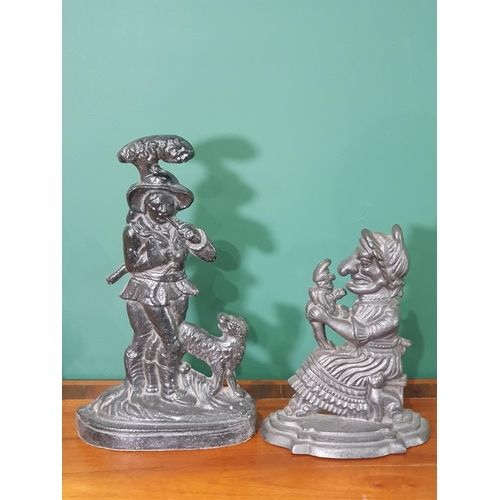
Cast Iron Porter Weight
These cast iron porter weight doorstops hold heavy doors open with utilitarian resolve, combining domestic practicality with robust metal sculpture.
Cast Iron Porter Weight
When buyers search for a cast iron porter weight, they look at heavy functional doorstops designed to keep internal doors open across English country houses and town residences. The pieces take diverse figural forms that span the Victorian, Regency, Edwardian, and Georgian periods.
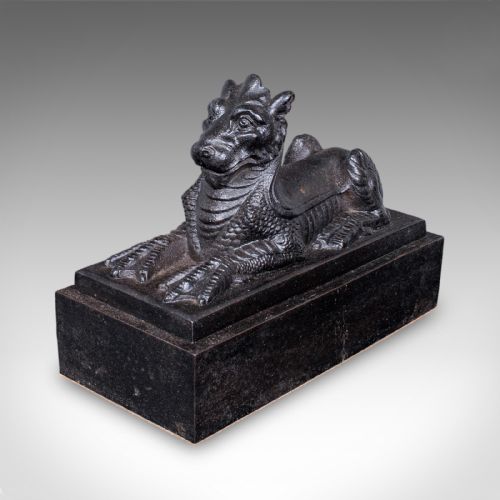
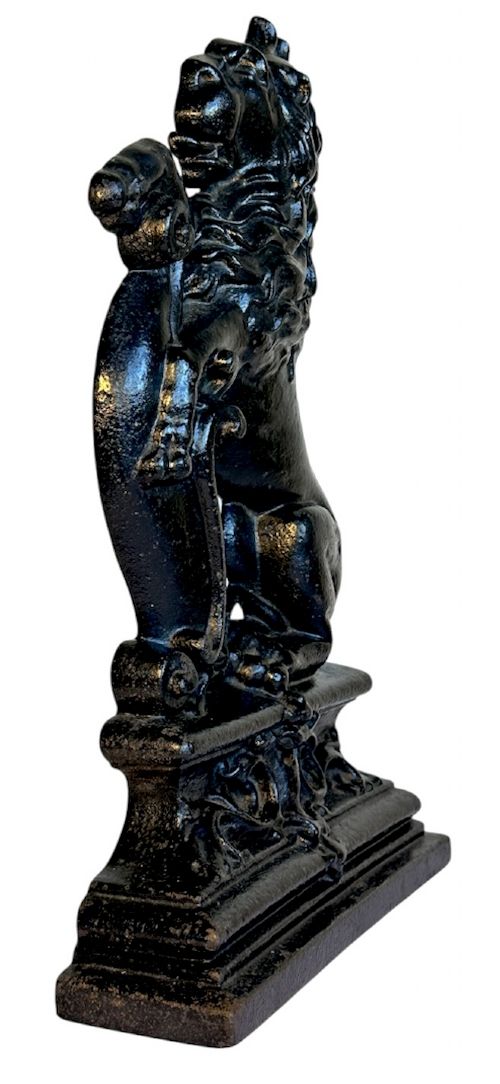
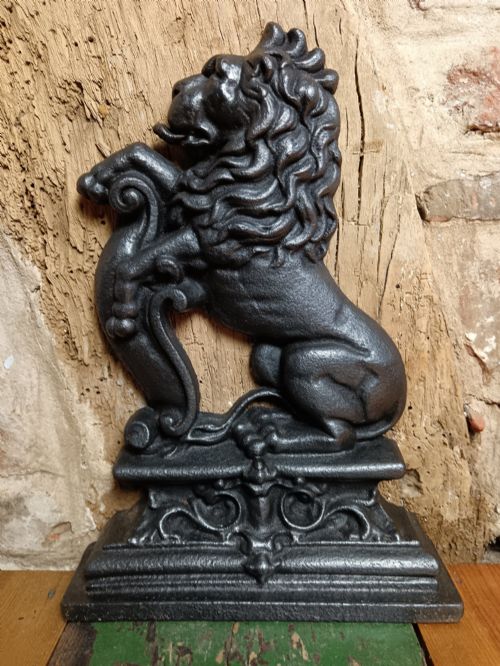
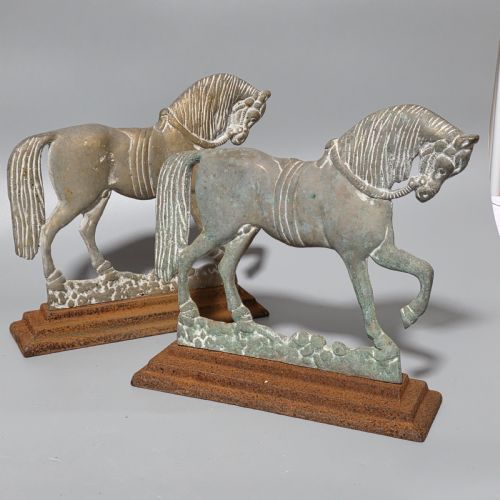
The most common versions met on this page include lions in rampant poses, figures such as Mr Punch and Lord Nelson, and animals including horses, dogs, dolphins, elephants, and foxes. These objects double as sculptural ornaments while fulfilling their original purpose as door keepers.
Origins stretch from the early nineteenth century through to the early twentieth century, with Victorian examples dominating the selection. Pieces range from straightforward utilitarian models to ornate designs referencing Egyptian Revival and Gothic Revival styles.
How they were made
Makers utilised durable cast iron as the primary medium due to its weight and strength, often integrating wooden handles or brass accents on specific door porters. Surface treatments on surviving examples display layers of historic paint applied over the raw metal body.
Listings feature cast iron alongside brass, paint, and wood, spanning periods from Georgian and Regency to Victorian and Edwardian.
What varies in quality
The sophistication of the surface finish and the integrity of the original paint layer further distinguish superior examples. Weight and balance matter equally, as a well-proportioned porter weight provides the necessary heft to function reliably.
The Cast Iron Porter Weight Glossary
- Cast iron
- An iron-carbon alloy poured into moulds to create rigid, heavy objects. It serves as the primary structural material for these door stops.
- Door porter
- An alternative term for a heavy doorstop or weight used to keep interior doors stationary. These items are also catalogued as door keepers or sentries.
- Egyptian Revival
- An architectural and decorative style drawing on motifs from ancient Egypt. This aesthetic appears on sphinx doorstops dating to the Regency period.
- Rampant
- A heraldic term describing an animal standing on its hind legs with forepaws raised. This pose appears frequently on lion doorstops from the nineteenth century.
- Gothic Revival
- An architectural style reviving medieval forms and pointed arches. It influences the decorative vocabulary of certain Victorian door stops.
Cast Iron Porter Weight: Frequently Asked Questions
What is a porter weight?
A porter weight is a heavy metal object designed to hold interior doors open against draughts. They were positioned in hallways and reception rooms of larger houses.
Over time, these utilitarian objects evolved into decorative accessories featuring animals, literary characters, and historical figures.
How do I date a cast iron doorstop?
Dating relies on stylistic clues, casting techniques, and the subject matter depicted. Victorian examples often show distinct moulding characteristics and popular cultural figures like Mr Punch.
Earlier Regency pieces incorporate classical motifs such as the sphinx, while Edwardian versions tend toward smaller domestic dog forms.
Where were door porters placed?
Door porters stood on the floor directly behind interior doors to prevent them from slamming shut in drafty corridors. Their substantial weight ensured they stayed firmly in place.
Today, they are collected both as functional items and as sculptural pieces for mantelpieces and studies.