



Cast Iron Holder
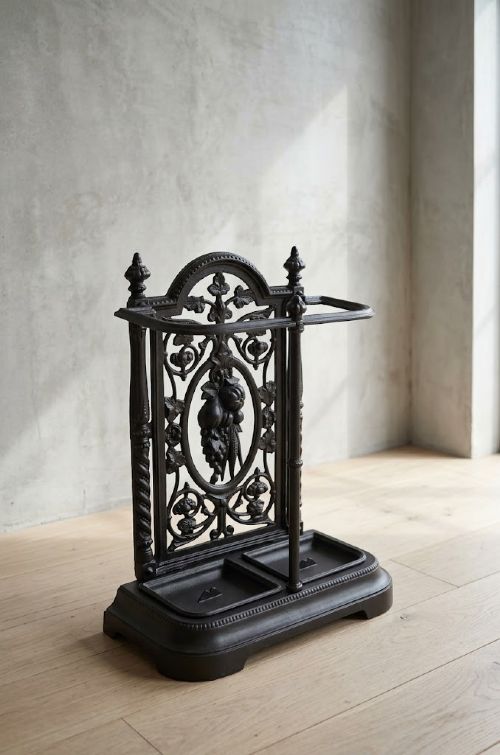
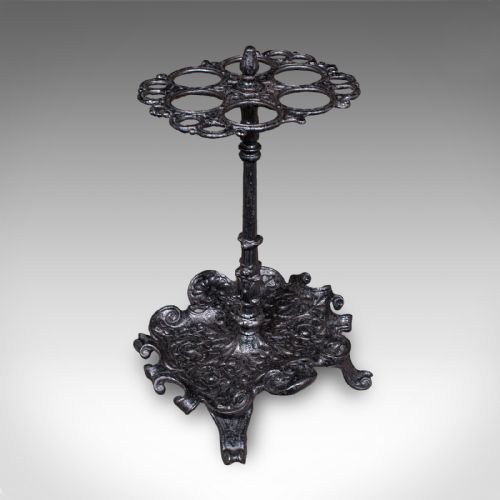
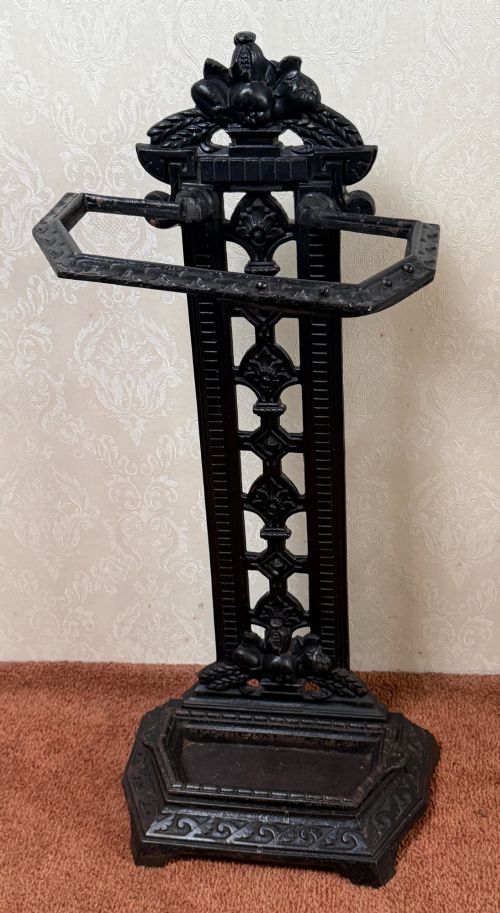
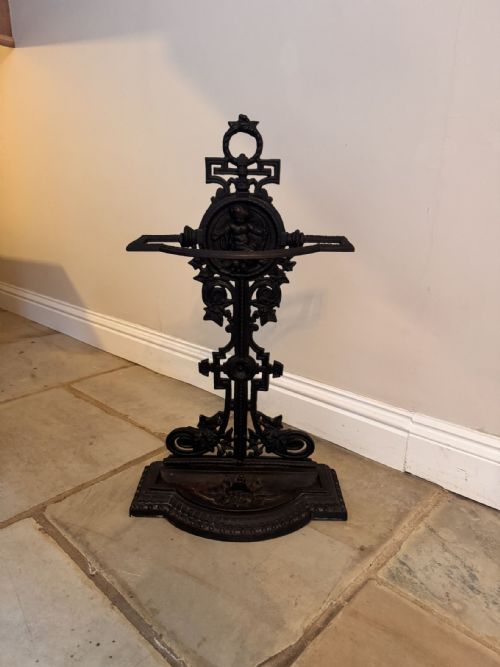
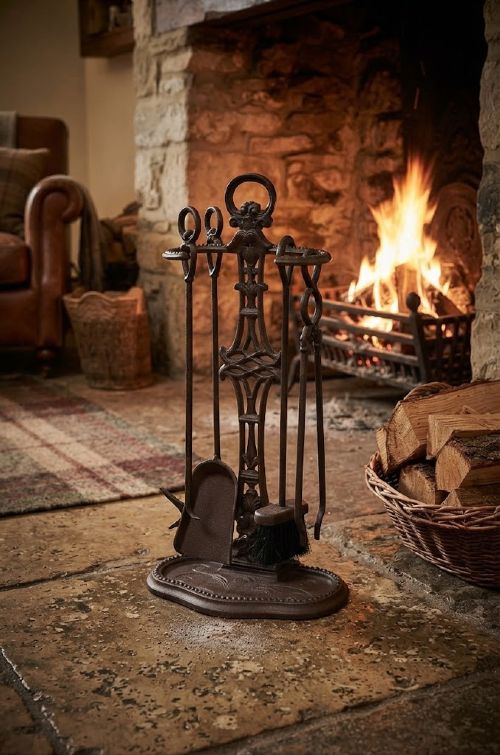
These cast iron holder examples are robust hall and hearth furniture designed to keep walking gear and fire irons organised with industrial weight.
Cast Iron Holder
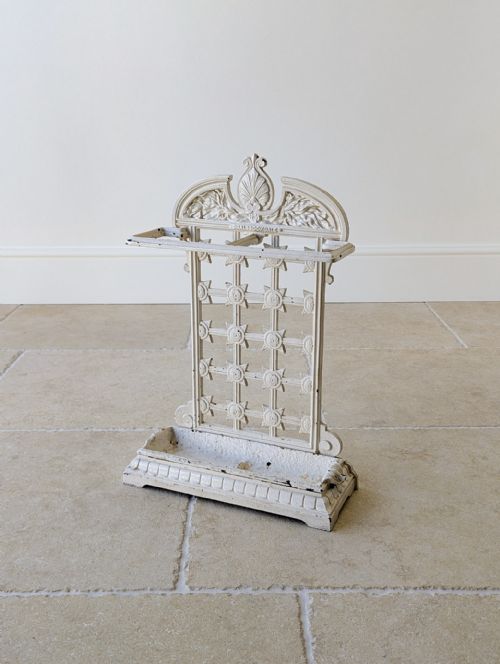
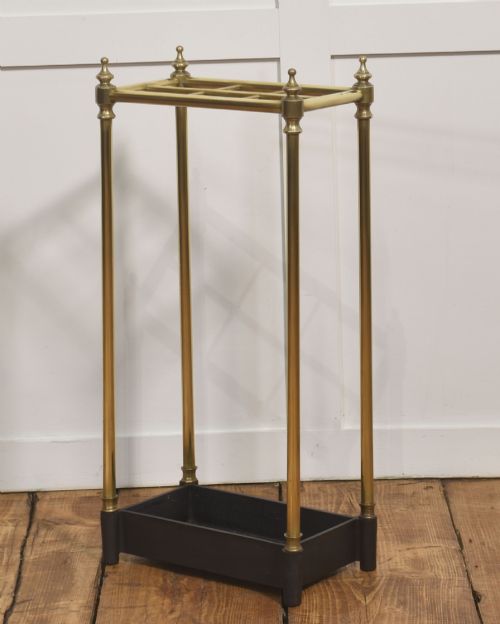
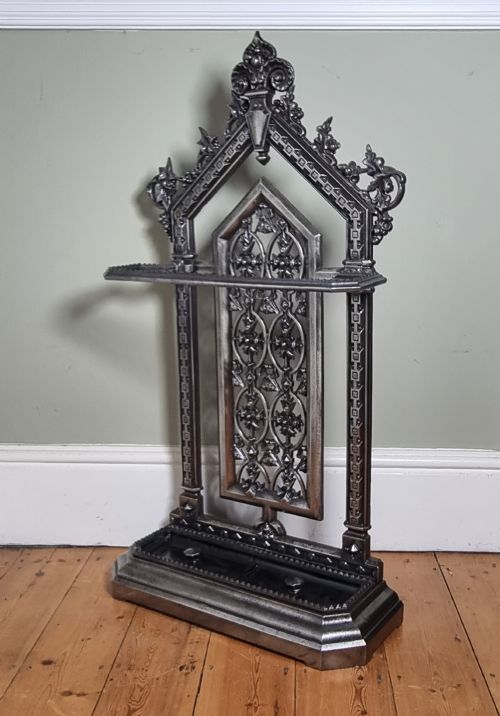
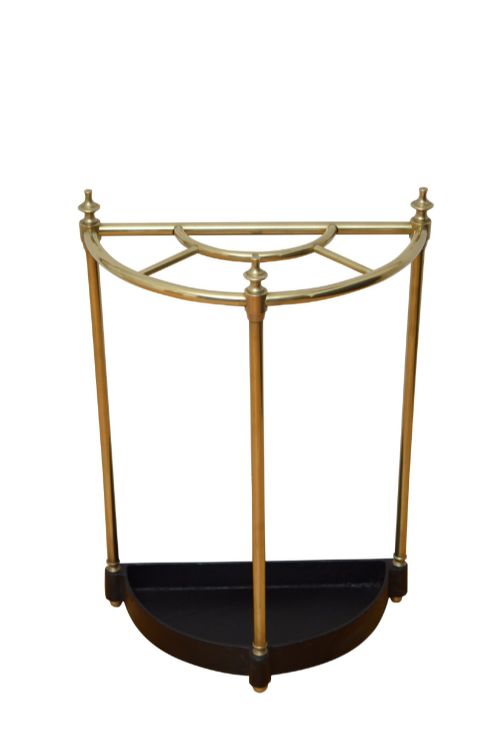
A cast iron holder primarily takes the form of an umbrella stand, stick stand, or fire iron stand designed for reception halls and hearths. Buyers searching for a cast iron holder encounter heavy metal frames intended to support wet walking sticks, umbrellas, and fireplace tools without tipping.
Most pieces seen here belong to the Victorian and Edwardian periods, stretching from the mid nineteenth century into the early twentieth century. Alongside standard hall stands, variations include plant stands, retail display trees, and brass or steel combinations reflecting styles from Aesthetic Movement to Art Nouveau.
How they were made
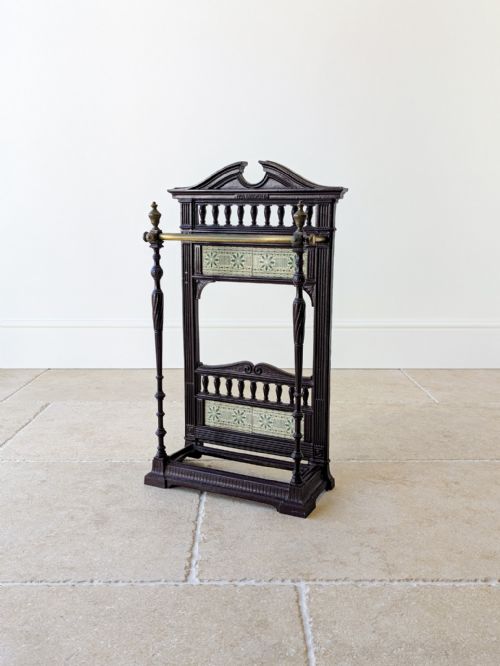
Makers utilised molten iron poured into sand moulds to achieve intricate surface relief, floral motifs, and structural divisions. This casting technique allowed workshops to produce repetitive geometric and organic patterns with high durability.
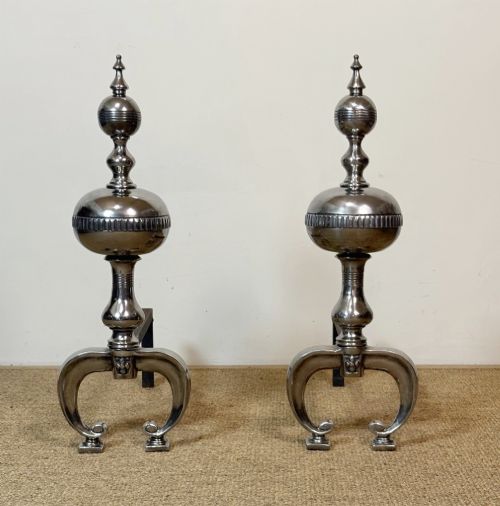
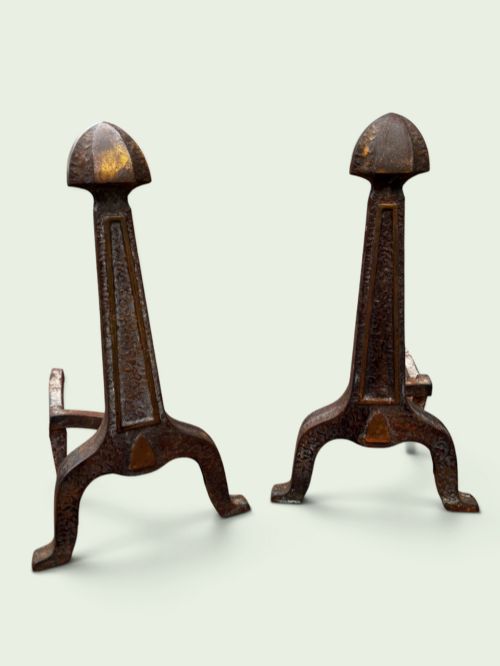
Makers often combined cast iron frames with brass elements, wrought iron supports, or painted and enamelled finishes to add colour and texture. Steel components appeared in later periods, particularly for fire dogs and andirons requiring resilient heat resistance.
Cast Iron Holder Retail Price Guide 2026
Typical asking prices for cast iron holder among the pieces listed under this phrase on Sellingantiques today, from the lower quarter to the upper quarter. They describe what is for sale here now, not the wider market.
Foundries occasionally produced unexpected subjects, including a cast iron footballer ready to guard your rainy day umbrellas.
What varies in quality
Quality rests in the crispness of the casting and the prominence of the foundry work. Superior examples display sharp, well-defined details in the ironwork without blurring or surface pitting.
Design ambition separates standard utility items from works by notable foundries. Pieces exhibiting balanced proportions, sophisticated stylistic influences such as Aesthetic Movement or Art Nouveau, and integrated drip trays command greater attention.
Coalbrookdale·Thomas Jeckyll·Osborne Garrett Co
The Cast Iron Holder Glossary
- Cast iron
- An iron-carbon alloy poured into moulds to create rigid, heavy objects. It provides exceptional weight and detailed ornamentation for hall stands.
- Andirons
- Horizontal metal bars supported by legs, placed in a hearth to raise firewood. They often feature decorative fronts matching fire iron holders.
- Demi-lune
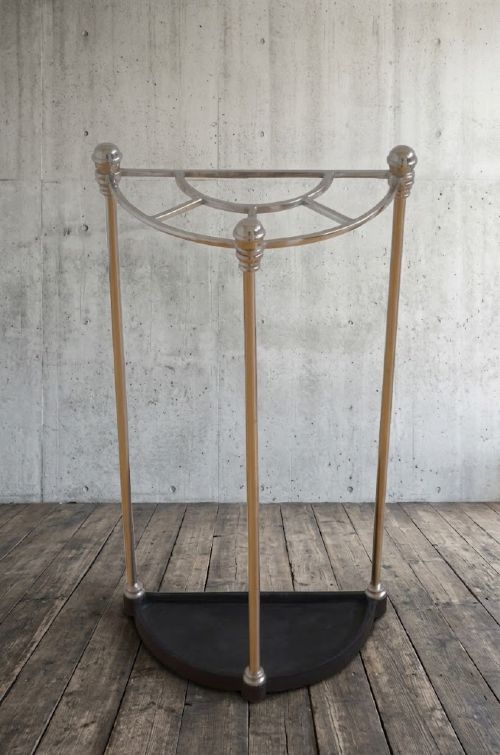
- A half-moon shape used for umbrella stands designed to sit flush against a wall. This profile saves floor space in narrow hallways.
- Jardiniere
- An ornamental pot or stand for plants and flowers. Wrought and cast iron versions serve as heavy plant displays.
- Drip tray
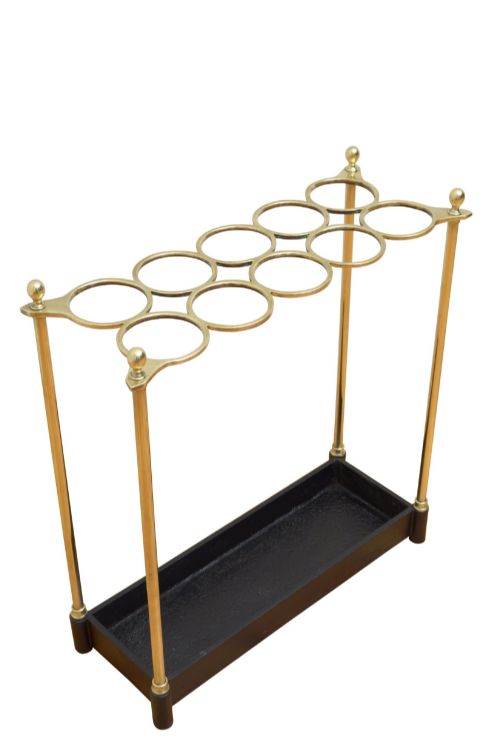
- A removable metal basin placed at the base of a stick stand to catch moisture from wet umbrellas. It protects flooring from water damage.
Cast Iron Holder: Frequently Asked Questions
Where were cast iron holders placed?
These holders stood primarily in entrance halls, boot rooms, and reception spaces where visitors left coats and wet gear. Their heavy metal construction prevented tipping when loaded with damp umbrellas and heavy walking sticks.
They also appeared beside hearths as fire iron stands or andirons, helping to organise pokers and tongs near the fireplace.
How do I clean a cast iron holder?
Dust the surface regularly with a dry cloth to prevent grime accumulation in the recessed mouldings. Avoid harsh chemical cleaners that strip original painted or enamelled finishes.
For unpainted iron, apply a light coat of neutral wax or oil periodically to protect the metal from moisture and rust.
How do I date a cast iron holder?
Examine the stylistic details, such as Gothic Revival motifs or Art Nouveau floral lines, which align with specific late nineteenth and early twentieth century periods. Foundry registry marks or stamped dates on the iron provide direct chronological evidence.
Construction methods also help, as earlier Victorian pieces often feature heavier casting and distinct assembly bolts compared to later twentieth century variations.
Can these holders be used outside?
While cast iron withstands outdoor conditions well, historical indoor pieces often feature delicate paint, enamel, or brass components that suffer in prolonged wet weather. Placing them on a covered porch protects the finish from excessive moisture and corrosion.
Ensure any outdoor placement includes protection for delicate drip trays and prevents standing water accumulation.