

Cast Iron Brass
When you search for cast iron brass, you are looking at substantial domestic metalwork where structural iron supports decorative brass elements.
Cast Iron Brass
The search phrase cast iron brass brings together two contrasting metals used primarily in heavy domestic furnishings and hallway accessories. Buyers encounter these materials most frequently in Victorian and Edwardian bedroom furniture and umbrella stands.
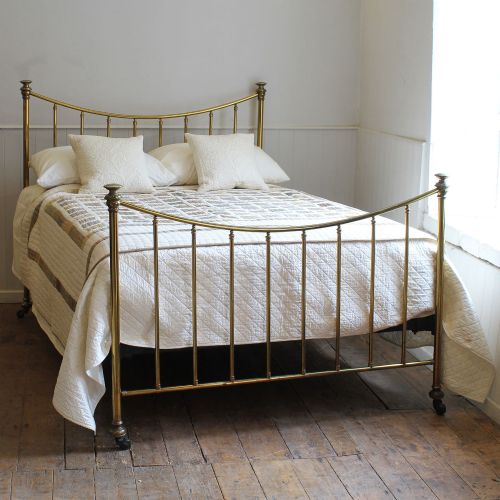
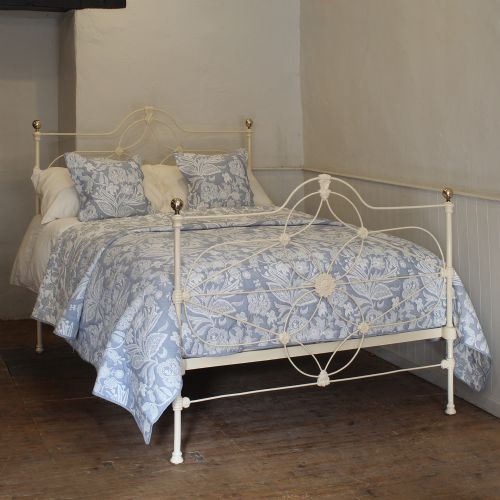
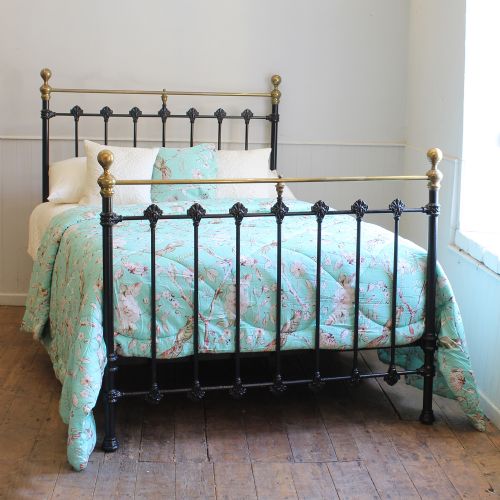
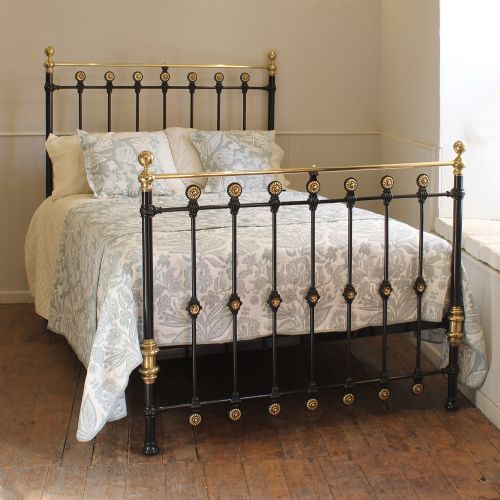
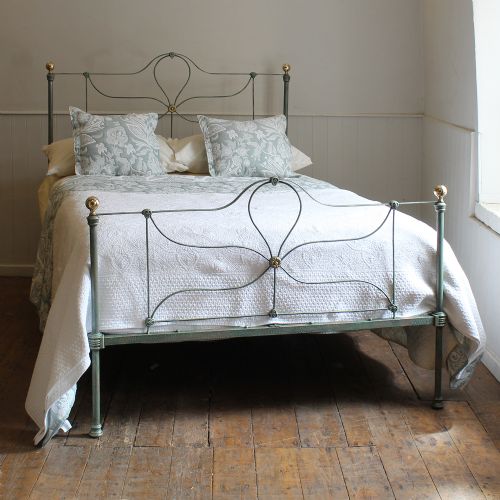
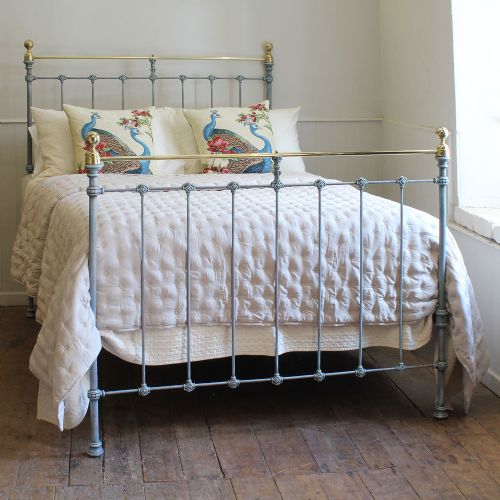
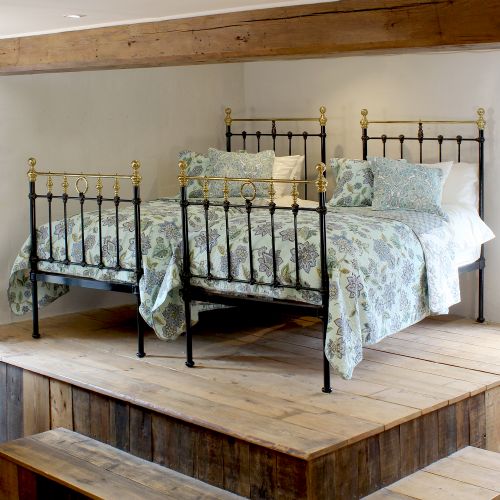
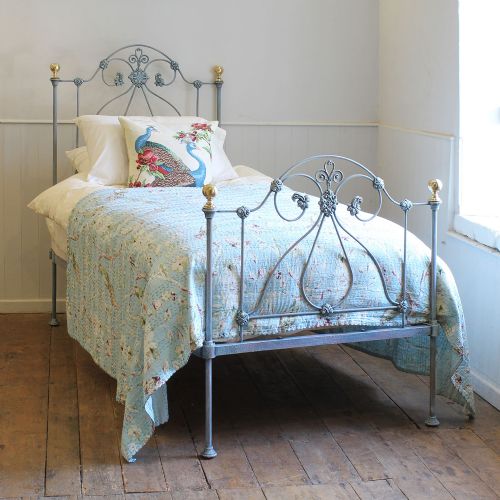
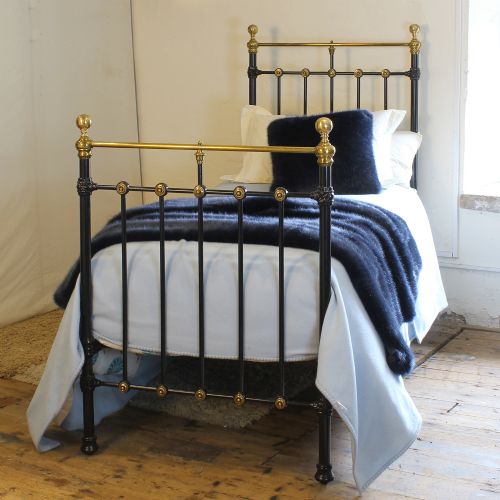
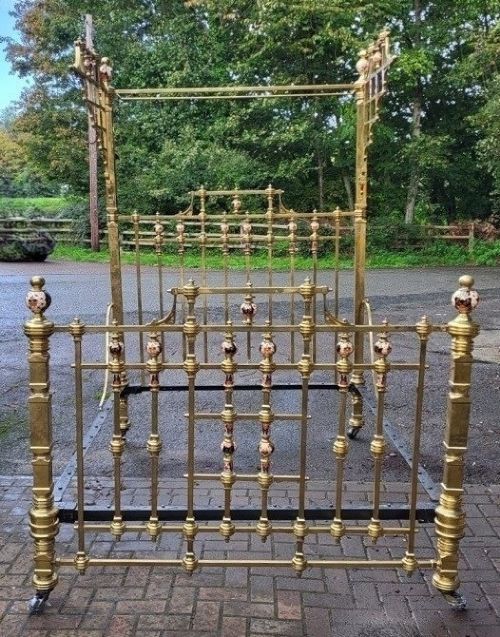
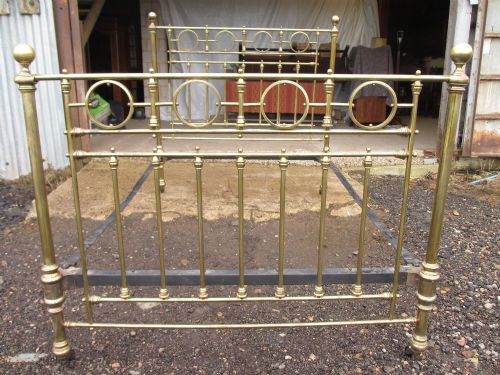
Bedsteads form a large portion of the available selection, combining sturdy iron frames with polished brass finials, tubing, and decorative corner castings. These items date predominantly from the nineteenth and early twentieth centuries, spanning periods from the 1860s through to the 1910s.
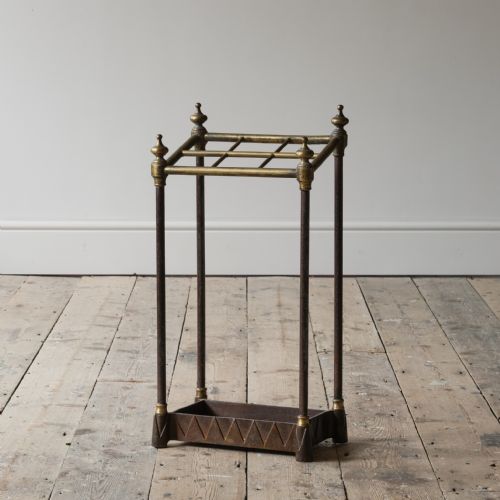
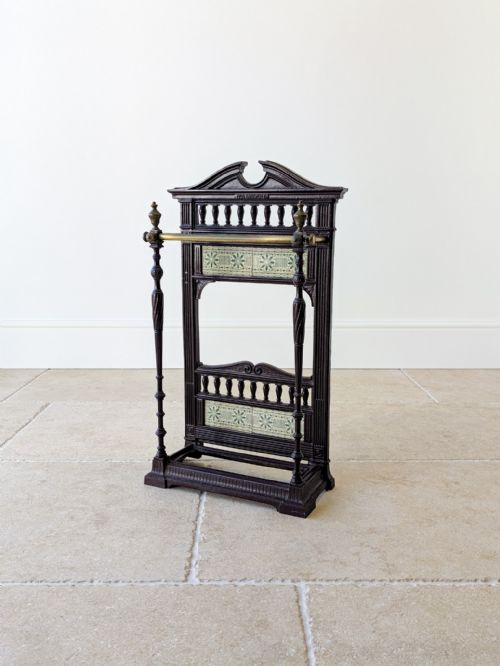
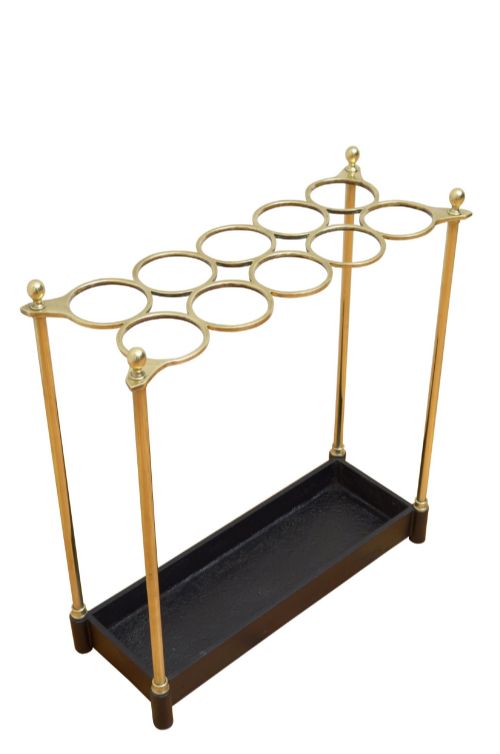
Hallway storage represents the second major category, featuring umbrella and stick stands constructed with cast iron base trays and brass frameworks. These hall pieces often incorporate drip pans and compartmentalised rings to hold walking sticks.
Fireplace furnishings and decorative accessories complete the primary forms visible in this category. These include hob grates, fire fenders, and companion sets that utilise both metals to withstand high temperatures while maintaining a finished appearance.
What varies in quality
The distinction between standard utility items and superior examples lies in the crispness and complexity of the brass castings and ironwork. Pieces from established makers or exhibition quality productions feature intricate detailing, such as mother of pearl inlays or decorative ball finials.
Structural integrity and the retention of original components dictate the standing of individual pieces. Items retaining their complete set of matching brass finials, original castors, and unmodified iron side rails command greater attention than those with later replacements.
Surface preservation also separates ordinary items from high grade survivals. Original paint schemes on cast iron bases, well preserved patination on polished brass, and intact maker stamps or patent markings indicate careful stewardship over time.
Listings feature items from the Victorian, Edwardian, Regency, and Aesthetic Movement periods, utilising brass, cast iron, wrought iron, oak, and mahogany.
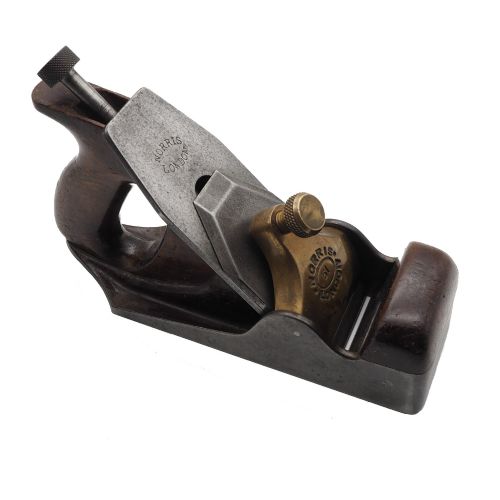
Coalbrookdale·James Bruce·Wm Hodgson·Norris London
The Cast Iron Brass Glossary
- Half Tester Bedstead
- A bed featuring a canopy that extends only partway over the head of the bed rather than covering the full length. This form often combines iron side rails with substantial brass headboards and decorative posts.
- Hob Grate
- A fireplace grate featuring flat iron ledges on either side designed for keeping kettles warm. These items frequently combine cast and wrought iron with brass decorative elements.
- Door Stop
- A heavy weight used to keep interior doors propped open, commonly cast in iron with applied brass figures or decorative handles. Common Victorian motifs include animals, mythical creatures, and stylized floral designs.
- Fire Fender
- A low metal guard placed around the hearth to contain stray embers and protect floor coverings. These accessories often incorporate brass rails mounted onto heavy iron bases.
- Orrery
- A mechanical model of the solar system driven by clockwork gears to demonstrate the relative positions and motions of the planets. Examples in this category incorporate brass mechanical components mounted on supportive metal frameworks.
Cast Iron Brass: Frequently Asked Questions
How do I clean brass and iron?
Maintenance requires dry dusting and occasional wiping with a soft cloth to remove surface grime without damaging protective finishes. Avoid harsh chemical cleaners that can strip the natural patination from the metal.
Polishing brass elements should be done sparingly and carefully to prevent polish residue from settling into the textured crevices of the adjacent cast iron. Keeping these items in stable, dry environments prevents rust formation on the iron components.
Are these beds standard modern sizes?
Nineteenth and early twentieth-century bedframes often follow historical sizing conventions that differ from contemporary mattress dimensions. King-size, double, and single proportions require careful measurement before attempting to fit modern bedding.
Many antique iron and brass bedsteads utilise slot-in side rails and independent frames that may require custom mattress supports or base adaptations to ensure a secure fit.
What periods do these pieces span?
The available selection primarily encompasses items produced during the Victorian and Edwardian eras, spanning from the mid-nineteenth century through the early twentieth century. Design influences from the Aesthetic Movement, Gothic Revival, and Regency periods also appear across the listings.
Dates range from the 1860s through to the 1920s, reflecting shifts in domestic manufacturing and interior decoration styles during the industrial expansion.
How were stick stands used?
Hallway stick stands provided designated storage for walking canes, umbrellas, and parasols in domestic entrance halls. The metal construction accommodated wet items safely without damaging indoor flooring.
Divided top rings kept walking aids upright, while the heavy cast iron base trays caught dripping water and provided the necessary weight to prevent tipping when loaded.