
Cast Iron Bench Seat
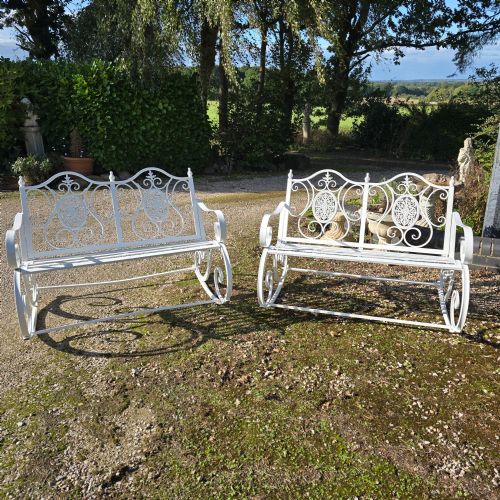
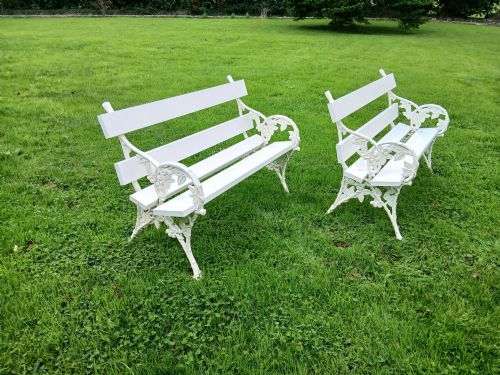
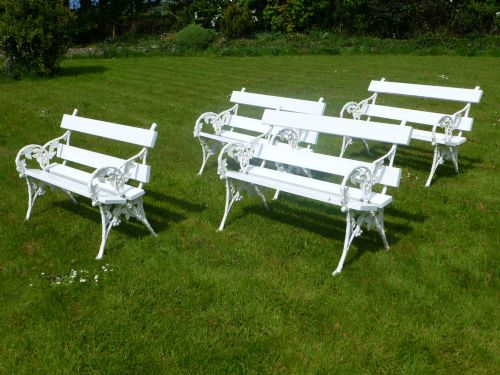
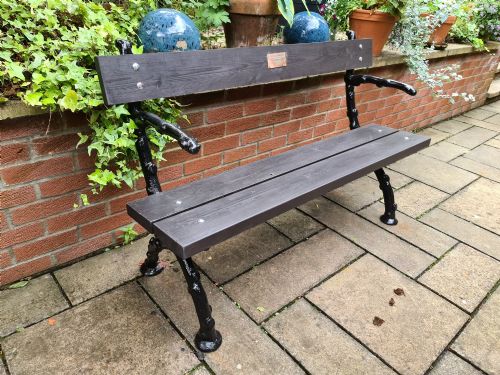
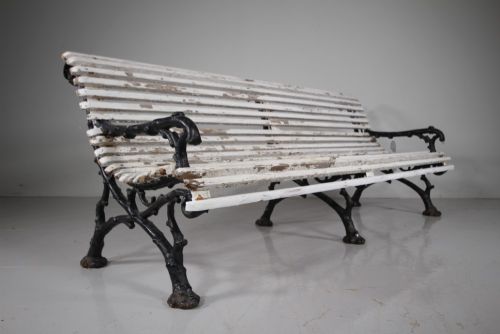
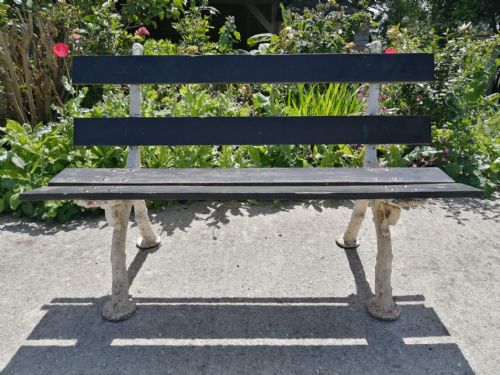
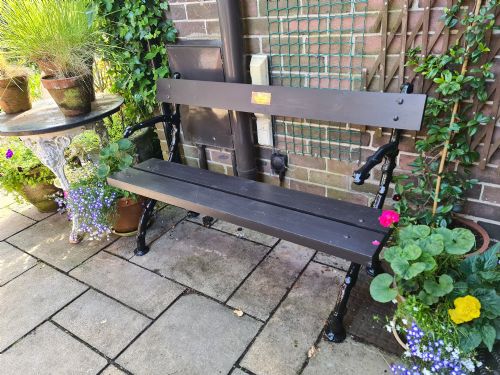
A cast iron bench seat brings weight and enduring structure to a garden, combining robust metal ends with timber slats for an outdoor perch.
Cast Iron Bench Seat
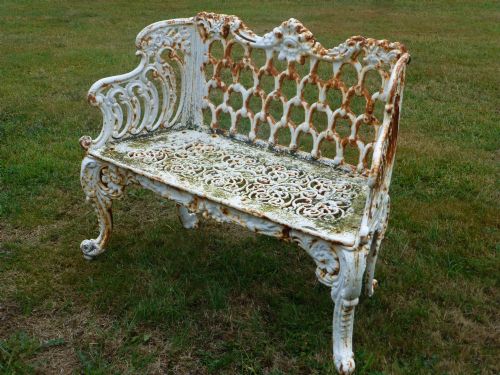
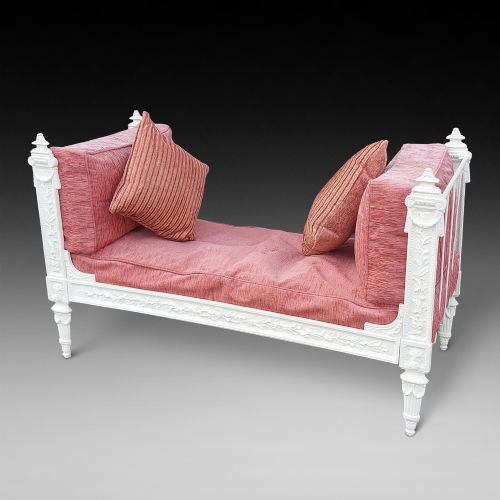
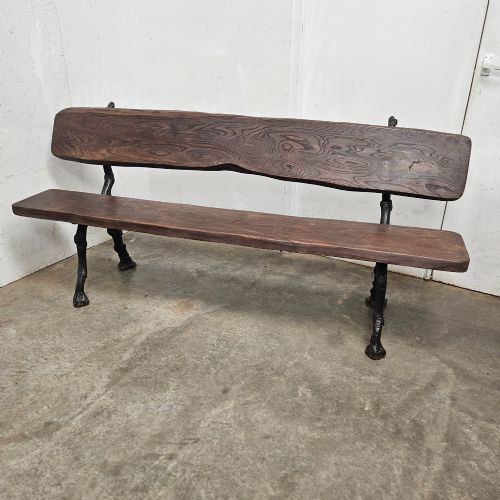
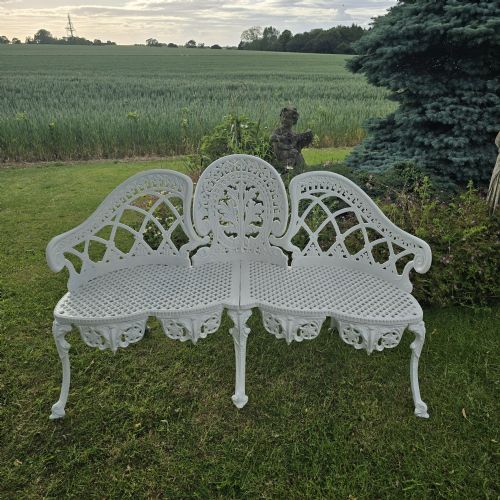
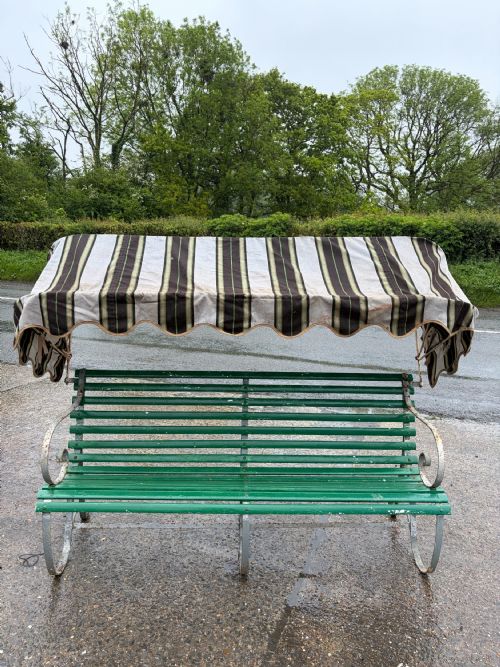
When searching for a cast iron bench seat, buyers encounter heavy outdoor furniture primarily originating from the nineteenth century, including the Victorian era and periods stretching into the early twentieth century. These pieces commonly combine cast iron ends or frames with wooden timber slats, pitch pine, or painted wood components to form garden seats, settees, and daybeds.
How they were made
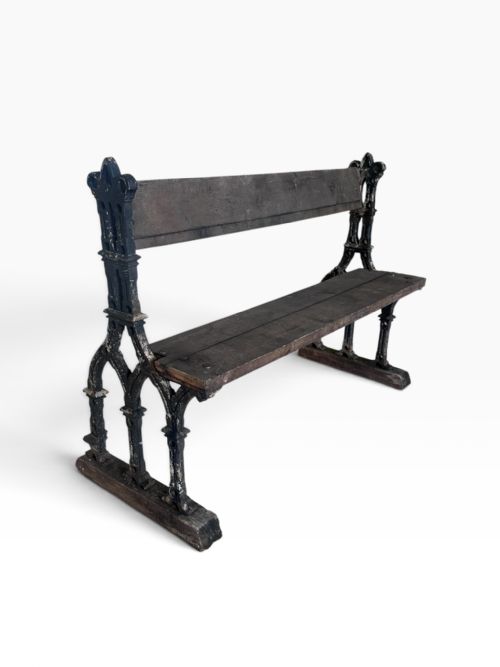
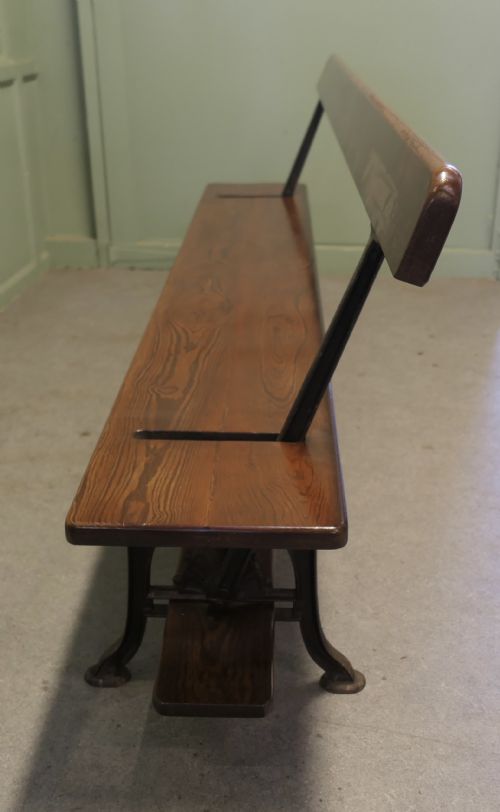
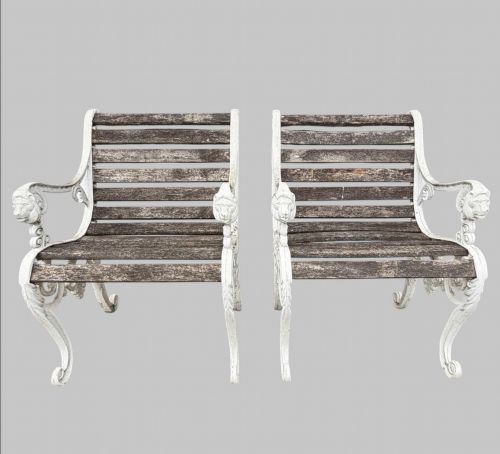
Foundries poured molten iron into sand moulds to create intricate, relief-cast bench ends and backs featuring naturalistic plant forms, animal masks, and architectural tracery. These structural iron components were then combined with timber planks, such as pitch pine or elm, secured to form the seating and backrests.
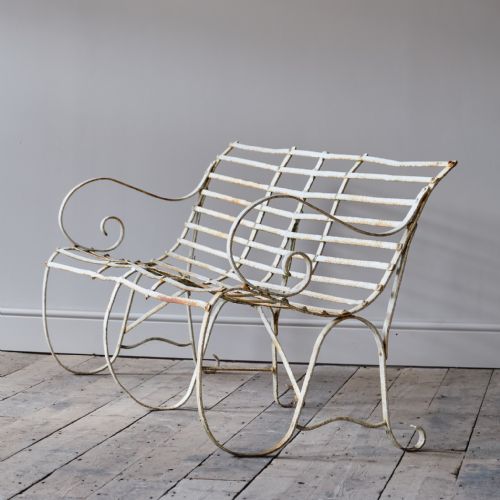
Many examples incorporated painted finishes over the cast iron and timber to protect the materials against outdoor elements. Wrought iron strap work also appears in place of cast components on specific strapwork garden benches.
Tram passengers once shared reversible trolley bus benches designed to flip back and forth.
What varies in quality
The refinement of the foundry work dictates the distinction between standard production and exceptional examples, visible in the crispness of botanical details like blackberry leaves or serpent scales. Superior castings retain sharp relief and clean lines without the blurring often found in secondary reproductions.
The integrity of the original ironwork and the retention of named foundry attribution, such as Coalbrookdale or Falkirk, elevate certain pieces. The harmonious integration of original timber with the heavy metal frame also separates complete historic survivals from later restorations.
Falkirk Carron Foundry·John Finch·Phoenix Foundry·Val D osne
The Cast Iron Bench Seat Glossary
- Cast iron
- An iron-carbon alloy poured into moulds to create complex decorative shapes. It forms the heavy structural ends and backs of these garden seats.
- Bench ends
- The paired iron side supports that define the silhouette of a garden seat. They hold the wooden slats that form the seat and backrest.
- Faux bois
- A decorative technique imitating wood grain and natural branches. This style appears frequently on Victorian rustic garden benches.
- Pitch pine
- A durable resinous softwood utilised for the slats of outdoor benches. It provides a sturdy seating surface between the heavy iron ends.
- Wrought iron
- Iron beaten into shape by hand rather than cast in a mould. It appears in strapwork patterns on specific garden benches.
Cast Iron Bench Seat: Frequently Asked Questions
How do I identify a Coalbrookdale bench seat?
Coalbrookdale pieces often display registered design marks, specific botanical patterns like faux bois or nasturtium, and characteristic high-relief casting quality. Many examples also bear foundry stamps or closely follow documented pattern numbers.
Matching the design details against known foundry catalogues helps confirm the origin of unmarked bench ends.
Can I leave a cast iron bench outside all year?
Cast iron handles outdoor conditions well, though prolonged exposure to moisture can lead to surface oxidation on the metal and weathering on the wood slats. Applying protective paint to the iron and sealants to the timber helps preserve the materials.
Many owners choose to cover their benches or store them under shelter during harsh winter months to protect the wooden components.
What is the difference between bench ends and a complete seat?
Bench ends consist solely of the two cast iron side supports without the wooden slats that make up the seat and back. Complete garden seats arrive fully assembled with their timber planks attached.
Buyers purchasing bench ends must source and fit new timber slats to complete the furniture.
How do I date a nineteenth century garden bench?
Dating relies on stylistic clues, registered design lozenges cast into the iron, and the complexity of the foundry work. Victorian Gothic and rustic styles became widespread during the mid to late nineteenth century.
Construction methods, such as the use of hand-forged bolts alongside early cast iron techniques, also provide clues to the manufacturing period.