


Metal Framed Daybed
A metal framed daybed brings enduring structural strength and distinct period character into a modern bedroom or sitting room.
Metal Framed Daybed
When you search for a metal framed daybed, you encounter nineteenth-century sleeping furniture built to serve as both a seat by day and a bed by night. These pieces appear primarily from the Victorian and Edwardian eras, spanning decades from eighteen-fifty up to nineteen-hundred.
The forms listed on this page encompass daybeds alongside single beds, bedsteads, bed frames, and cot beds. You are most likely to meet Victorian iron and brass combinations or French examples featuring hoop details and platform styles.
Origin details in the evidence point towards British workshops alongside French Country and French Belle Epoque aesthetics. Dimensions range from small single sizes and super single widths up to three feet wide.
How they were made
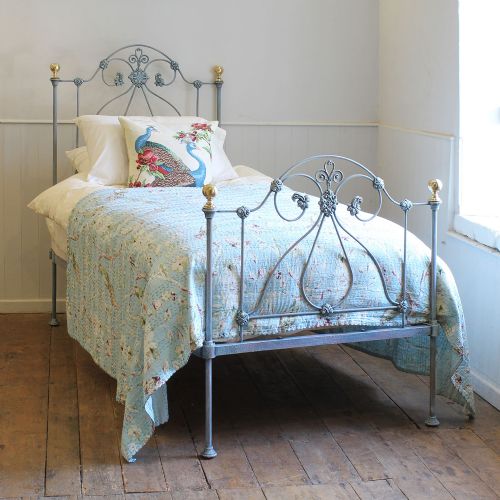
Maker construction relies heavily upon cast iron and wrought iron frames combined with gleaming brass components. Metal elements are shaped and joined to create sturdy load-bearing structures intended for daily domestic use.
Surface treatments recorded in the evidence include painted finishes and blue verdigris patination. Certain variants incorporate fabric elements alongside traditional metal tubing and decorative castings.
One child's cot bed even arrives complete with its own mattress, ready for the smallest historic sleeper.
What varies in quality
The distinction between standard production and superior examples rests in the complexity of the metal casting and the presence of decorative details like hoop forms. Finer pieces display careful detailing in their brass mounts and balanced proportions across the head and foot rails.
Material integration also dictates overall merit, particularly where polished brass merges cleanly with painted or patinated iron structures. Original surface treatments such as blue verdigris enhance the character of specific Victorian pieces.
R W Winfield
The Metal Framed Daybed Glossary
- Bedstead
- The framework of a bed, comprising the headboard, footboard, and side rails. This structural cage supports the mattress and bedding.
- Verdigris
- A green or bluish patina formed on copper, brass, or iron surfaces through natural oxidation and age. It provides a distinct historic surface coloration.
- Belle Epoque
- A period of French history spanning the late nineteenth century into the twentieth, known for decorative refinement. Pieces from this aesthetic often display ornate stylistic touches.
- Platform style
- A structural arrangement where the mattress rests upon a raised flat base rather than traditional side rails. This configuration alters the visual height and profile of the bed.
Metal Framed Daybed: Frequently Asked Questions
How were metal framed daybeds used?
These pieces functioned as daytime seating in parlours or studies before being dressed with bedding for nighttime sleep. Their dual purpose made them practical additions to Victorian and Edwardian homes.
They offered a space-saving solution for guest rooms and smaller chambers where a permanent large bed would restrict daytime movement.
Can I use a modern mattress on these?
Many historical single beds and daybeds accommodate standard modern mattress sizes, though exact dimensions can vary slightly from contemporary standards. Checking the specific width and length of the frame ensures a proper fit.
Some listings include custom mattresses or require careful measurement to match nineteenth-century dimensions with modern bedding.
How do I distinguish Victorian from Edwardian frames?
Victorian pieces often combine heavy cast iron with polished brass accents, sometimes featuring painted surfaces or blue verdigris patination. Their forms tend towards robust industrial strength and ornate detailing.
Edwardian examples frequently lean towards all-brass construction with lighter visual proportions. The shift reflects changing interior tastes at the turn of the twentieth century.
What is the difference between an iron bedstead and a daybed?
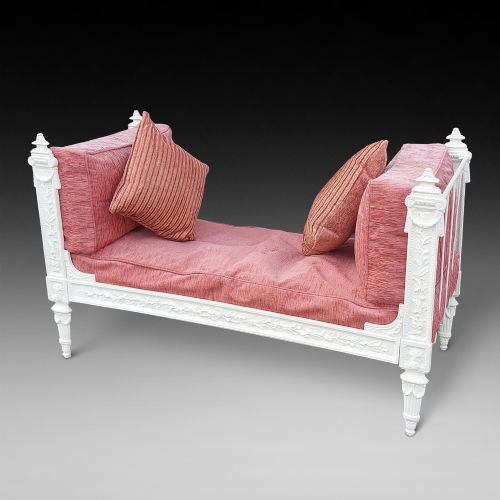
A daybed is designed with an open back or side arrangement specifically intended for sitting upright against cushions during the day. Standard bedsteads are built primarily for horizontal sleeping.
Both utilise similar metal framing techniques and materials, but their intended domestic placement and silhouette differ.