






Cast Bronze Standing Figure
A cast bronze standing figure brings character to a room through solid metalwork and expressive form.
Cast Bronze Standing Figure
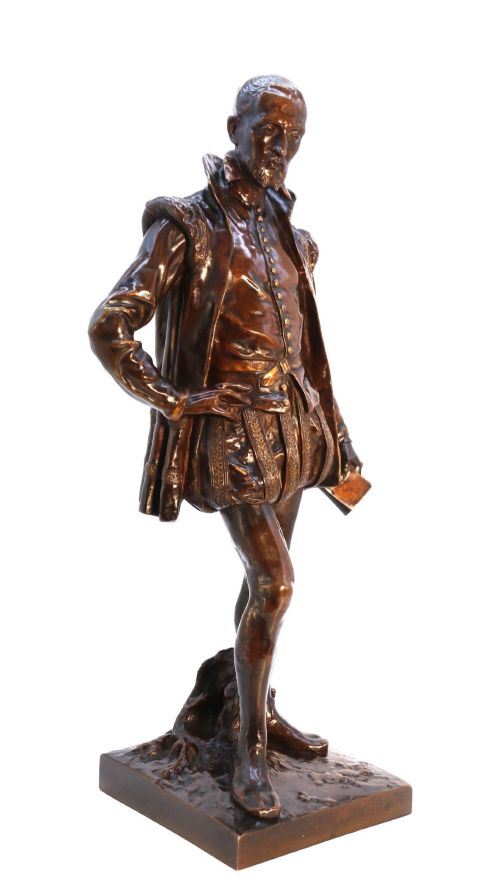
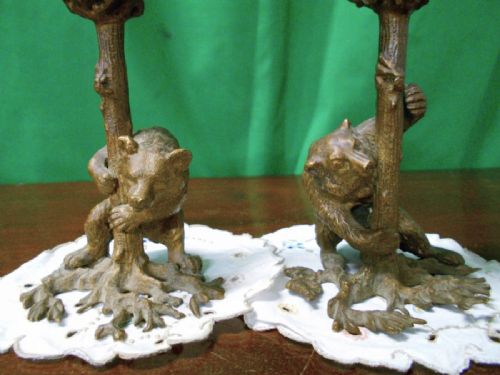
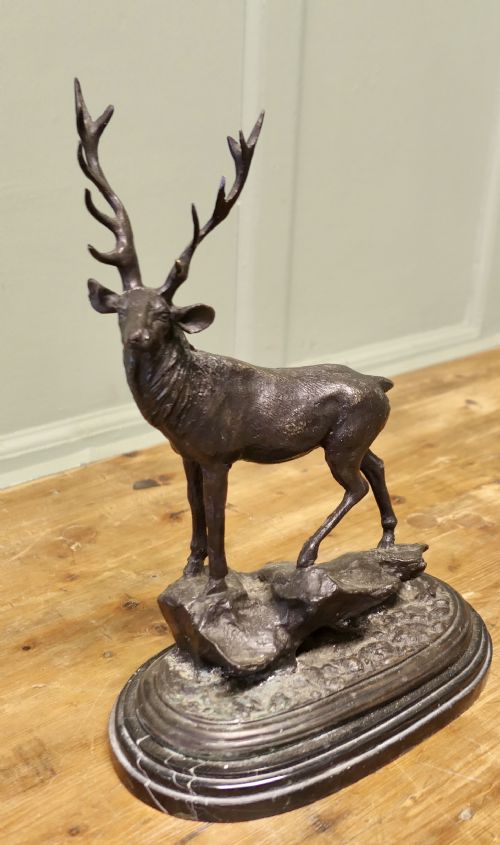
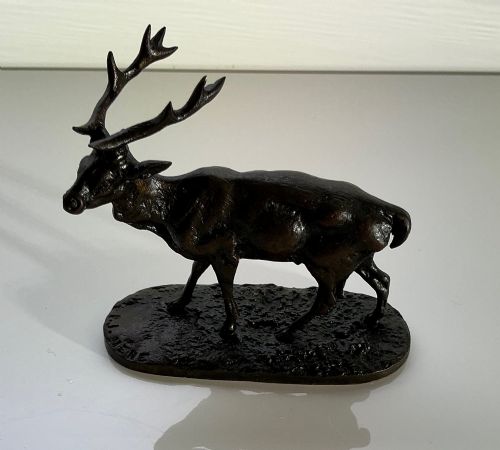
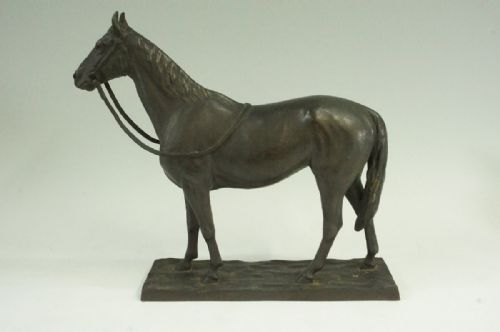
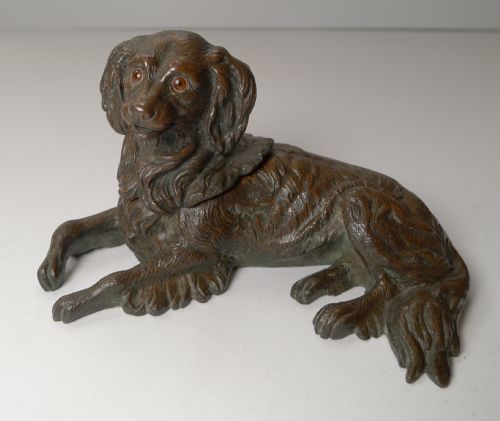
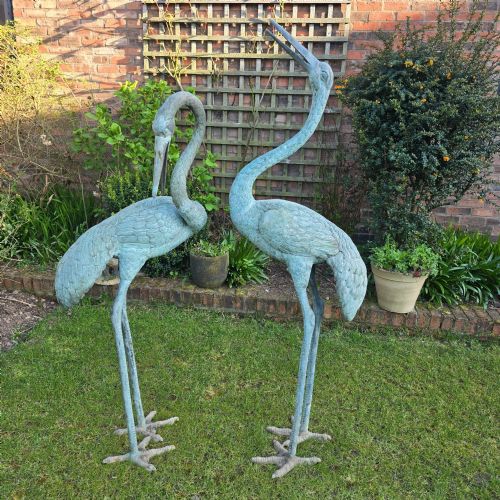
A cast bronze standing figure is a solid sculptural work depicting humans, animals, or literary and historical subjects in upright postures. These sculptures take many forms across this selection, from animalier stags and bears to figures of poets, court jesters, and mythological subjects. Buyers encounter items ranging from small desk accessories and candlesticks to substantial garden statues.
The objects span the nineteenth century through the early twentieth century, incorporating Victorian examples alongside French realism and Japanese Meiji works. Materials vary from traditional cast bronze and patinated bronze to brass, spelter, cast iron, and marble plinths. Origin points stretch from Britain and France to Austria, Russia, Japan, and India.
Most pieces function primarily as decorative art, though many combine utility with sculpture by serving as candlesticks, inkwells, or desk tidies. Standing figures in this selection utilise vertical postures to command visual attention on mantelpieces, desks, and pedestals.
How they were made
Foundry workers utilised traditional casting methods to pour molten metal into moulds, capturing fine details in the resulting statues. Makers then applied patination treatments to the bronze surfaces to achieve darker tones, or used cold painting techniques to add colour directly to the metal.
Sculptors frequently mounted completed bronze figures onto heavy bases of marble or stone to provide stability for upright compositions. Candlestick figures and desk accessories combined functional hardware with decorative cast metal components during assembly.
Cast Bronze Standing Figure Retail Price Guide 2026
Typical asking prices for cast bronze standing figure among the pieces listed under this phrase on Sellingantiques today, from the lower quarter to the upper quarter. They describe what is for sale here now, not the wider market.
A monkey with glass eyes watches over a nineteenth century desk tidy.
What varies in quality
The finesse of the chasing and finishing work separates superior castings from coarser productions. Skilled artisans spent time refining the metal surface after casting to preserve crisp facial expressions, feather textures, and clothing details.
The choice of base materials and overall structural balance indicate the standard of production. Heavier marble plinths, secure fixings, and sophisticated patination distinguish finer sculptural works from simpler cast metal items.
PJ Mene·Kunio Ito·Anders Zorn·Edith Parsons·Joaquim Angles·Jules Dalou·Susse Freres
The Cast Bronze Standing Figure Glossary
- Cast bronze
- Molten alloy of copper and tin poured into a mould to create a durable sculptural object. This technique allows for intricate surface detail and lasting structural stability.
- Patinated bronze
- Metal treated with chemical solutions to produce a specific surface colour or aged finish. This process protects the underlying bronze while enhancing visual depth.
- Spelter
- A zinc alloy frequently utilised as a substitute for bronze in nineteenth-century decorative metalwork. It takes patination well but possesses a lighter weight and softer composition.
- Animalier
- Nineteenth-century artistic focus on the realistic depiction of animals, particularly predators and game. Sculptors captured creatures in dynamic or resting postures with anatomical precision.
- Cold painted
- Colour applied to bronze or metal figures after casting, without subsequent firing in a kiln. This technique appeared frequently on Austrian animal figures and novelty items.
Cast Bronze Standing Figure: Frequently Asked Questions
How are standing figures displayed?
These sculptures suit placement on sturdy flat surfaces such as mantelpieces, wooden desks, and dedicated pedestals. Their vertical proportions allow them to occupy narrow spaces while maintaining a strong visual presence in a room.
Heavier garden statues and large figures require stable outdoor settings or reinforced indoor flooring. Smaller desk accessories integrate easily into everyday study and library environments.
What subjects do these figures depict?
The selections encompass a broad array of human and animal forms, including historical poets, jesters, birds, bears, and stags. Many works draw upon nineteenth century French realism or mythological traditions.
Utility items often incorporate figurative elements, blending functional inkwells or candlesticks with character studies.
How do I identify different metals?
Genuine bronze displays a heavy weight, resonant sound, and resistance to magnetism. Patinated surfaces often show subtle green or brown undertones beneath the finish.
Alternative metals like spelter or cast iron feel lighter or exhibit different fracture patterns where the surface finish has worn away. Marble plinths frequently accompany higher quality bronze castings.
Where were these pieces produced?
The objects originate from diverse international workshops across Europe, Asia, and Africa. French foundries produced many of the realist sculptures and animalier bronzes seen in this range.
Other items reflect distinct regional traditions from Japanese Meiji workshops, Austrian studios, and Indian or African foundries.