
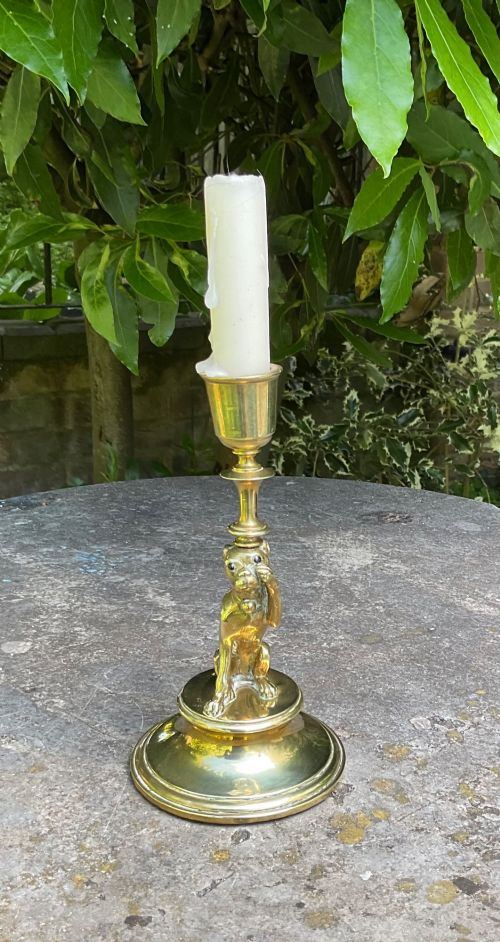
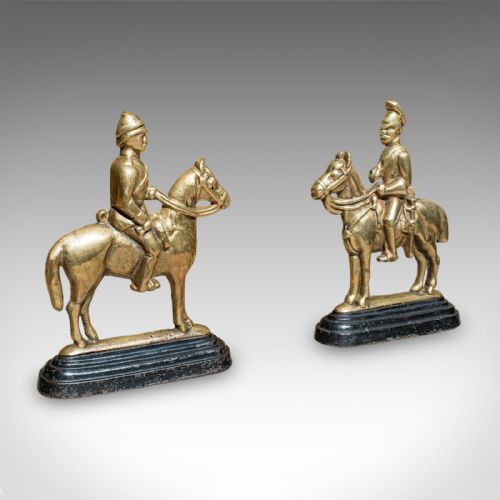


Cast Brass Figurines
Cast brass figurines bring weight and character to a room, appearing in forms from substantial doorstops to small desk ornaments.
Cast Brass Figurines
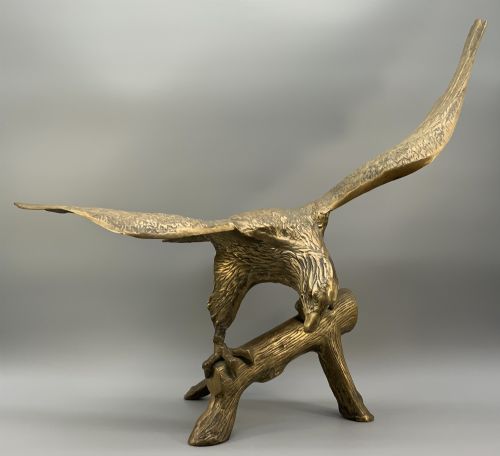
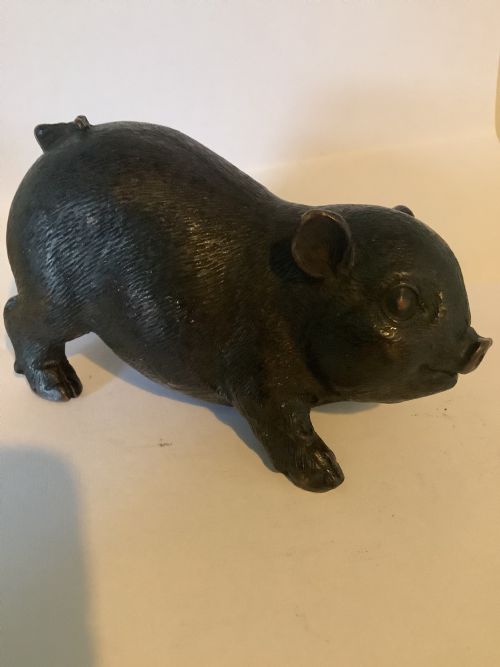
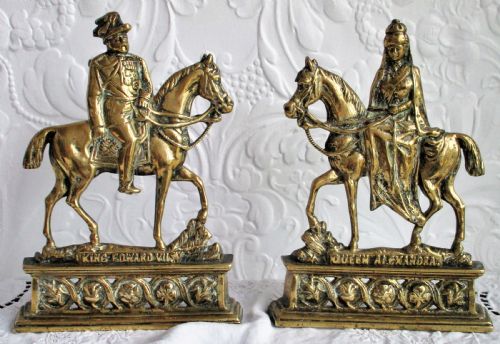
When you search for cast brass figurines, you encounter a varied group of metal objects spanning domestic utility and pure display, originating across the nineteenth and twentieth centuries. The selection encompasses sculptural animals, figures of historical personages, and functional items designed to hold books or prop doors.
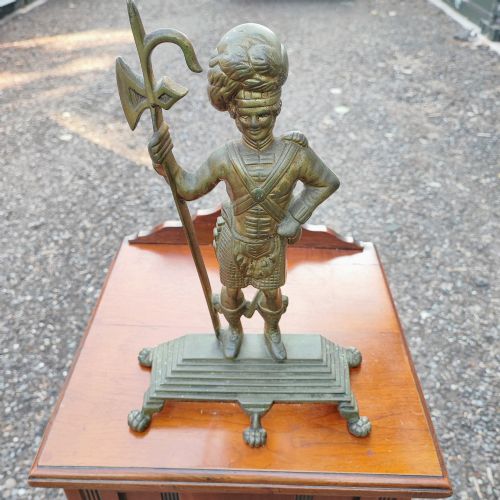
Victorian examples often take the form of heavy doorstops depicting horses, soldiers, or literary characters like Mr Punch, whilst later twentieth-century pieces lean towards bird sculptures and modernist aesthetics. Other items cross international origins, including Chinese bronzes, Indian deities, and West African tribal art.
The material descriptions merge brass, bronze, and cast metal across periods ranging from the Regency era through to mid-century modern design. Buyers find everything from diminutive scroll weights to large eagles spanning over sixty centimetres.
Materials and production
Manufacturing relies primarily on casting methods using copper alloys, resulting in solid brass and bronze objects that hold crisp detail. Cast iron and painted metal elements occasionally supplement the primary construction.
Secondary treatments include gilding, surface paint, and mounting on wooden bases, which add colour and contrast to the metallic body. Heavy casting gives these pieces their functional utility as door stops and bookends.
Someone decided a brass Mr Punch made an excellent guardian for a nineteenth-century doorway.
Assessing quality and finish
Weight and proportion indicate the calibre of the work, with substantial mass and balanced design pointing to careful manufacture. The integrity of the surface finish and any original gilding or pigment further separate standard production items from masterworks.
The Cast Brass Figurines Glossary
- Cast brass
- An alloy of copper and zinc poured into a mould to create solid sculptural forms. This technique permits intricate detailing and provides substantial weight.
- Doorstop
- A heavy utilitarian object designed to keep doors open, frequently modelled as animals, figures, or comic characters in Victorian households.
- Chimney ornament
- A decorative figurine or pair of figures displayed on the mantelpiece above a fireplace. These items served purely aesthetic purposes during the nineteenth and early twentieth centuries.
- Companion set
- A collection of fireplace tools or figures designed to sit together by the hearth. These sets often incorporate figural handles or matching stylistic motifs.
- Scroll weight
- A small, finely cast object used to hold down scrolls or papers on a desk. They frequently depict religious figures or animals.
Cast Brass Figurines: Frequently Asked Questions
What is the difference between brass and bronze?
Brass is an alloy primarily composed of copper and zinc, while bronze typically combines copper with tin. Both materials were utilised interchangeably by makers of these figurines depending on the desired colour and foundry traditions.
Over time, exposure to air develops different patinas on each metal, though visual identification can be difficult without testing the exact alloy composition.
How do I date a cast brass figure?
Dating relies on stylistic clues, clothing details, and the casting technique visible on the reverse or underside. Victorian pieces often display heavy sand-casting marks and subject matter tied to nineteenth-century interests.
Later twentieth-century examples shift towards mid-century modern abstractions or simplified bird forms. Comparing the clothing of figural subjects against historical periods provides a reliable guide.
How should I clean antique brass?
Most collectors prefer to leave the natural aged patina intact rather than polishing the metal to a bright shine. Dusting with a soft, dry cloth is usually sufficient for routine maintenance.
Avoid harsh chemical cleaners that strip away historical surface age and diminish the visual depth of the casting.