


Cast Brass Door Stop
These heavy cast brass door stops hold open heavy rooms while bringing figurative weight and domestic narrative to a hallway.
Cast Brass Door Stop
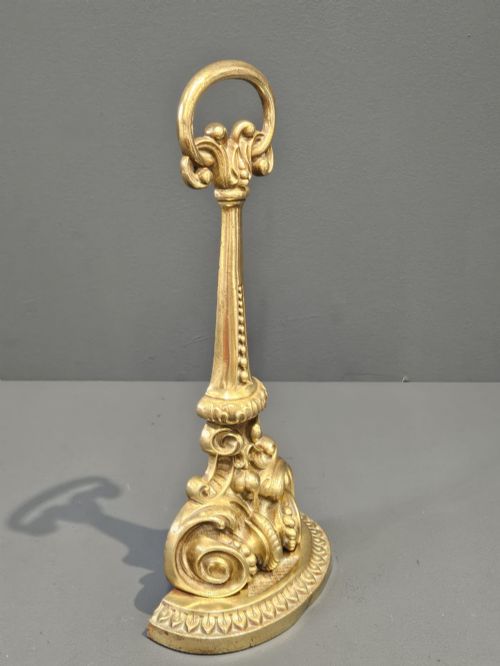
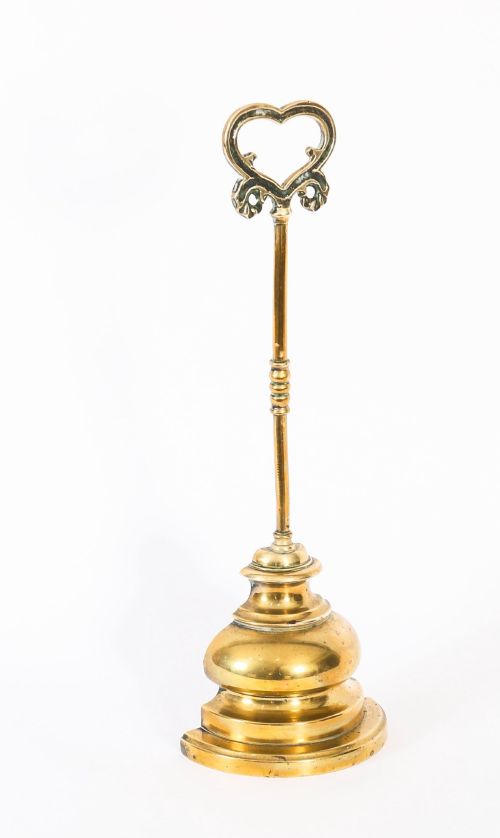
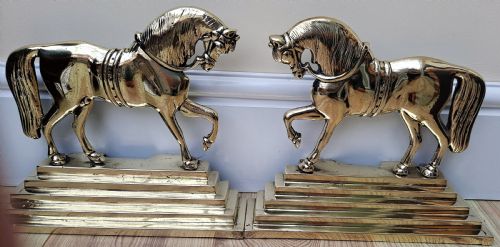
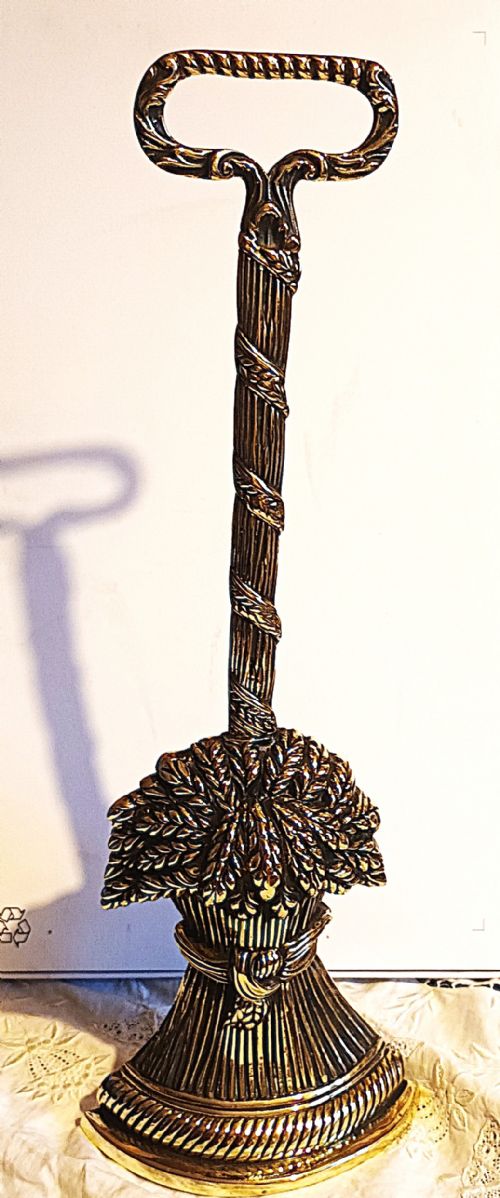
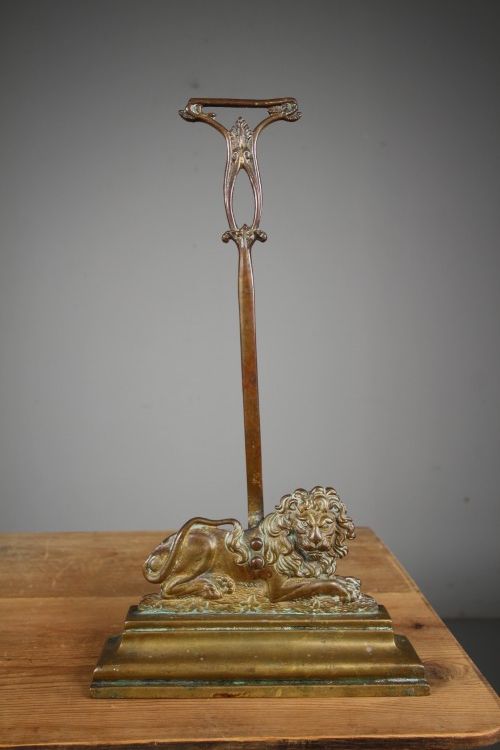
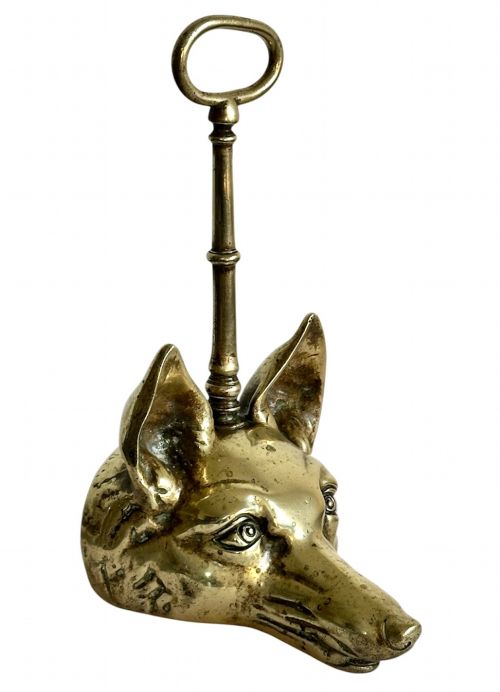
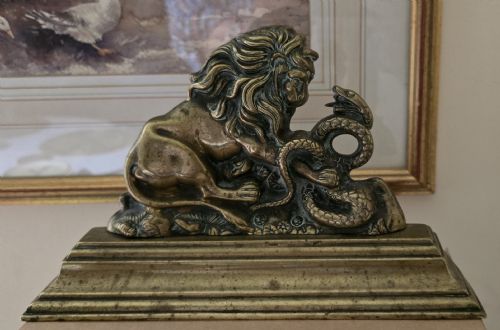
A cast brass door stop is a substantial foundry-cast weight designed to hold a heavy interior door open against draughts. When you search for a cast brass door stop, you encounter practical heavy objects styled as animals, figures, and armorial motifs. The pieces available here span the Georgian, Regency, and Victorian eras, often taking the form of a door porter.
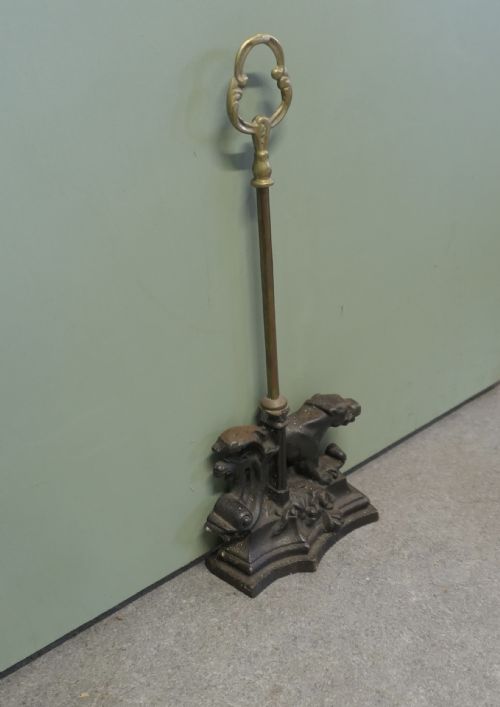
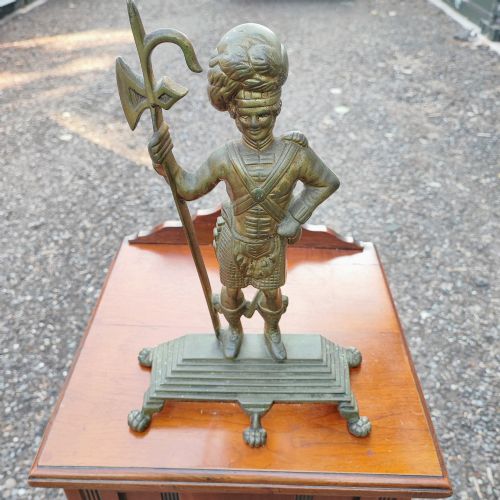
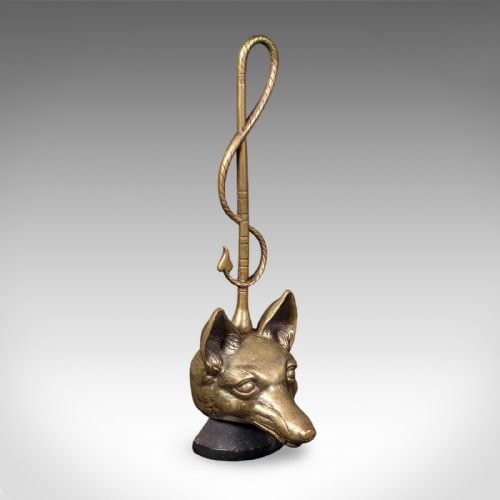
Figurative subjects dominate the selection, ranging from domestic animals like stags, dogs, and horses to human characters such as Mr Punch, Scottish soldiers, and Lord Nelson. Many examples combine brass figures with heavy cast iron bases or lead weighting to ensure the necessary stability for holding doors. Pairs and matched sets appear alongside single sculptural pieces.
How They Were Made
Foundries produced these heavy accessories using sand-casting methods, pouring molten brass into moulds taken from sculpted models. Makers frequently integrated cast iron bases or filled hollow brass sections with lead to provide the grounding weight required for a door porter.
Materials recorded include brass, cast brass, cast iron, iron, lead, and bronze.
What Varies in Quality
Quality rests in the crispness of the foundry cast and the depth of hand-chasing on the brass surface. Superior examples retain sharp facial expressions and defined textures on figures like stags and soldiers, whereas lesser pieces lose detail through worn or repetitive moulding.
The choice of weighting material also differentiates the range, with solid cast brass and well-integrated iron plinths offering superior heft compared to lighter hollow constructions.
Tonks
The Cast Brass Door Stop Glossary
- Door porter
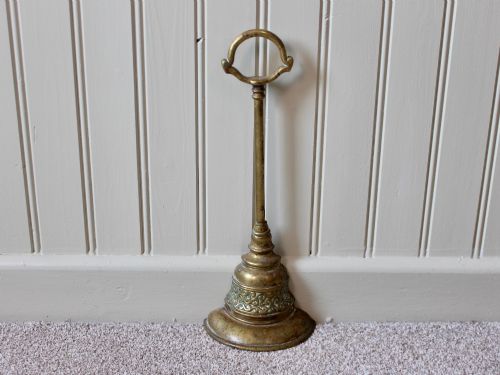
- A heavy portable door stop fitted with a handle at the top for moving it between rooms. This term appears frequently alongside door stop in older descriptions.
- Cast brass
- An alloy of copper and zinc poured into a mould while molten. It provides a durable, weighty body that takes a bright polish or darkens gracefully over time.
- Chasing
- The manual tooling of metal surfaces with punches and hammers to refine details after casting. Skilled chasing separates expressive figurative pieces from plain production items.
- Plinth
- The weighted base block, often made of cast iron, supporting the main brass display figure. It anchors the piece firmly to the floor.
Cast Brass Door Stop: Frequently Asked Questions
How heavy are these door stops?
Most examples weigh several kilograms, utilising solid brass bodies, iron bases, or internal lead weighting to hold heavy household doors firmly in place.
This substantial mass prevents the door from moving in a draught without needing permanent floor fixtures.
What is a door porter?
A door porter is a tall portable door stop featuring an integrated loop handle at the top for lifting.
This design allows people to carry the heavy weight easily between different rooms as needed.
How do I clean cast brass?
Cast brass benefits from gentle dusting and occasional cleaning with a soft cloth to maintain its surface character.
Strong chemical polishes should be avoided to preserve the natural patina built up over the centuries.
Are these pieces originals?
The selection consists of antique pieces originating from the Georgian, Regency, and Victorian periods.
Foundry marks, material wear, and traditional construction techniques help verify their nineteenth-century origins.