



Cast Brass Decor
Cast brass decor brings heavy metal character into a room through items ranging from candlesticks and chimney ornaments to heavy furniture mounts.
Cast Brass Decor
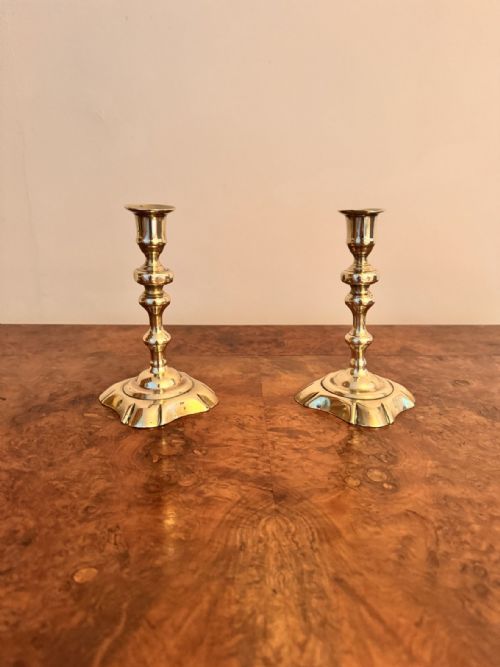
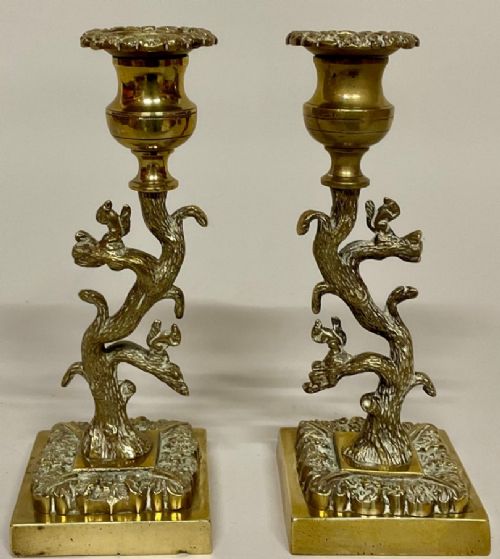
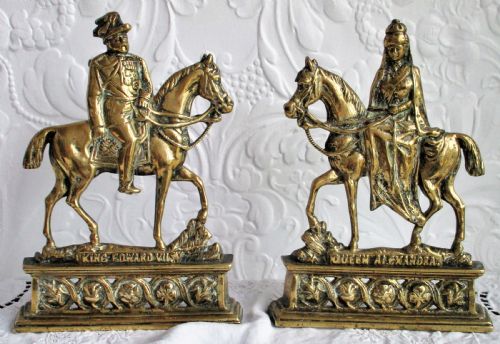
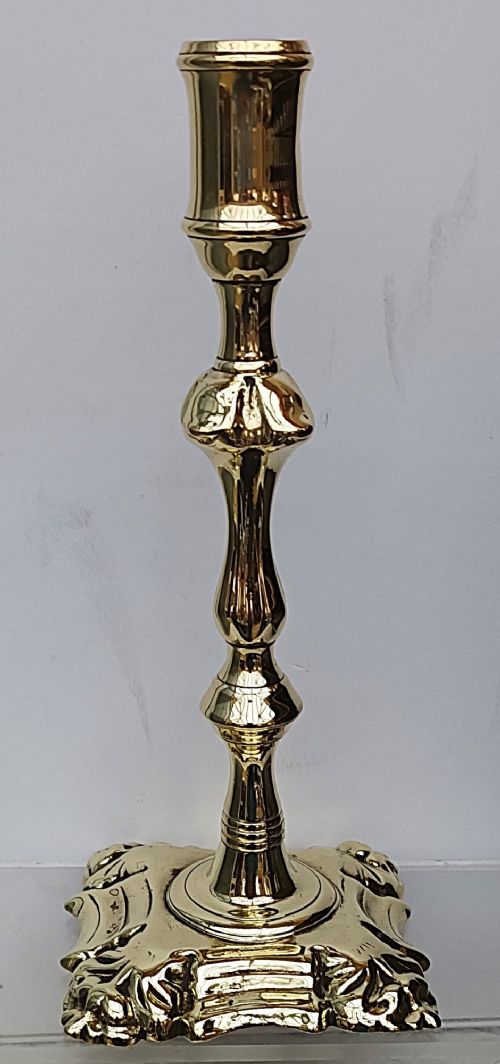
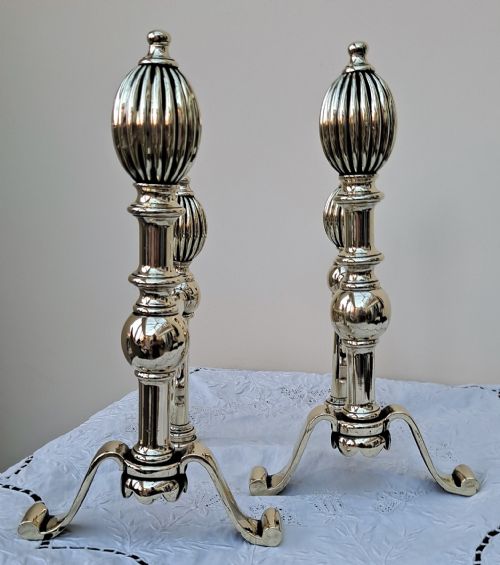
When you search for cast brass decor, you encounter everything from domestic utility pieces to ornamental sculptures dating from the eighteenth century onwards. The selection leans heavily toward pairs of candlesticks, fireplace accessories like andirons and fire dogs, and figurative items such as animal door stops and book ends.
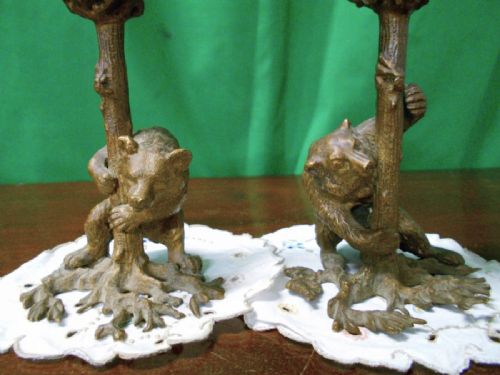
You will find items created in distinct historical periods including the Georgian, Victorian, and Edwardian eras. French nineteenth-century pieces and Black Forest designs also appear alongside English domestic items.
The objects serve both practical and decorative purposes within interiors, drawing on styles that span from Queen Anne formality to regency elegance. Candlesticks and chimney ornaments dominate the forms, shaped into columns, heraldic figures, and animals.
Materials and casting methods
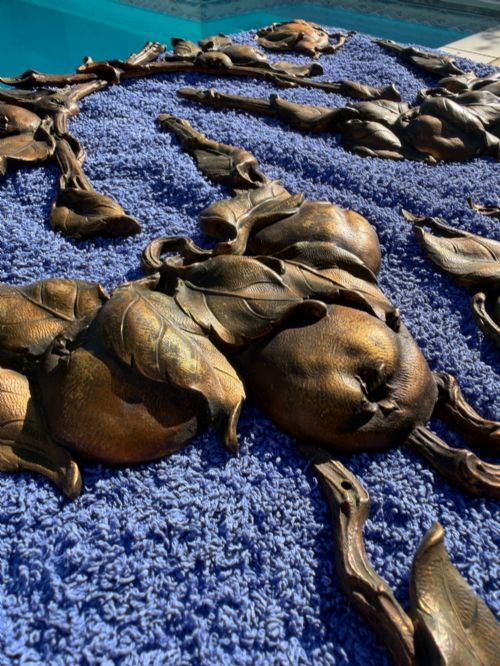
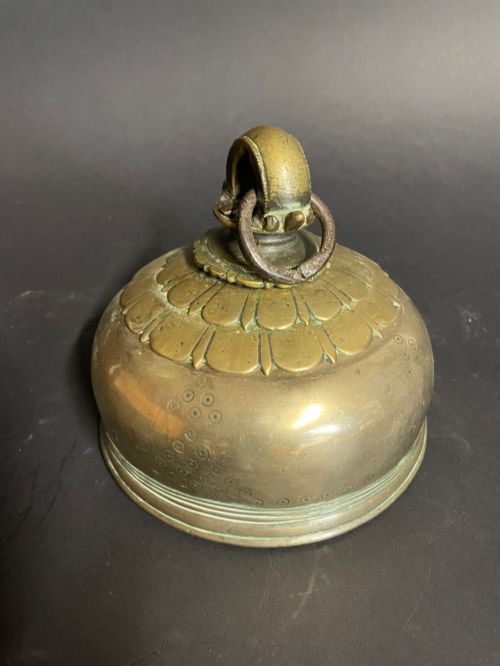
Makers utilised sand casting and lost-wax methods to form liquid metal into complex shapes, yielding thick-walled items with substantial weight. Gilt bronze and paktong also feature alongside standard brass, providing different tonal qualities and surface finishes.
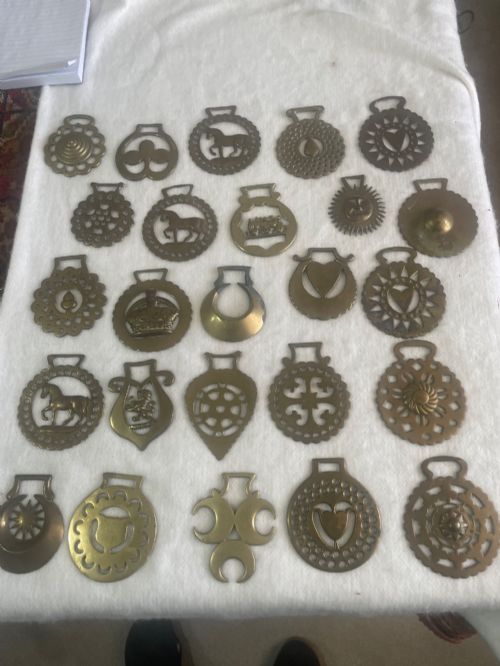
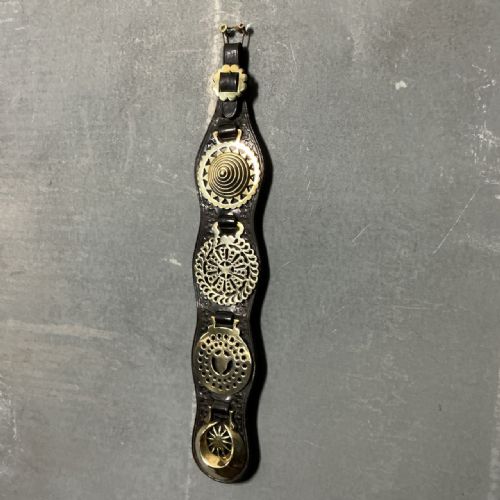
Secondary materials such as iron, wood, and leather appear in composite items like equestrian crop hooks and fire companions. Detail was often refined by hand after the initial cast cooled, sharpening the definition on hair, feathers, and decorative mouldings.
Cast Brass Decor Retail Price Guide 2026
Typical asking prices for cast brass decor among the pieces listed under this phrase on Sellingantiques today, from the lower quarter to the upper quarter. They describe what is for sale here now, not the wider market.
Listings include items from the 1700s to the 1930s, featuring brass, bronze, gilt bronze, iron, wood, and leather materials.
Distinctions in standard
Substantial weight and a well-balanced form indicate a better class of object, as does the retention of original gilding or surface treatments where applicable. Integrated components, such as multi-part candlesticks or matching pairs, display a higher level of workshop execution.
Poix Blin
The Cast Brass Decor Glossary
- Applique
- An ornamental metal plaque or mount fixed to a surface, often found in French nineteenth-century work.
- Andiron
- A horizontal metal support used in pairs inside a fireplace to hold logs, frequently featuring cast brass front decoration.
- Paktong
- A copper-nickel-zinc alloy resembling silver, utilised for eighteenth-century candlesticks.
- Campana
- A vase-shaped candle sconce resembling an inverted bell.
- Martingale
- A leather strap forming part of horse harness gear, typically mounted with decorative brass plates.
Cast Brass Decor: Frequently Asked Questions
How do I clean old brass?
Historic metal benefits from gentle dusting and minimal interference to preserve the darkened surface tones accumulated over centuries. Aggressive polishing removes the aged skin that collectors value.
Avoid chemical dips and harsh abrasives which strip away the natural character and soften crisp casting details.
Are these items English?
Many pieces originate from English workshops spanning the Georgian and Victorian eras, marked by domestic utility forms like horse brasses and fire dogs. English makers often favored robust construction and functional elegance.
Continental output also appears, including French gilt bronze work and Black Forest animal studies, showing distinct regional styling.
What is paktong?
Paktong is a traditional white metal alloy imported from Asia, containing copper, nickel, and zinc. It mimics the appearance of silver and was used for eighteenth-century candlesticks.
Items made from this material carry a distinct silvery tone that differentiates them from standard yellow brass.
How old are these objects?
The pieces span from the early eighteenth century through the 1930s, encompassing Queen Anne, Georgian, and Victorian periods. Stylistic details help align items with their respective eras.
Nineteenth-century casting methods and Edwardian novelties make up a large portion of the available material.