

Cast Brass Bed
A cast brass bed brings weight and structure to a bedroom, combining metal tubing and detailed castings from the Victorian and Edwardian eras.
Cast Brass Bed
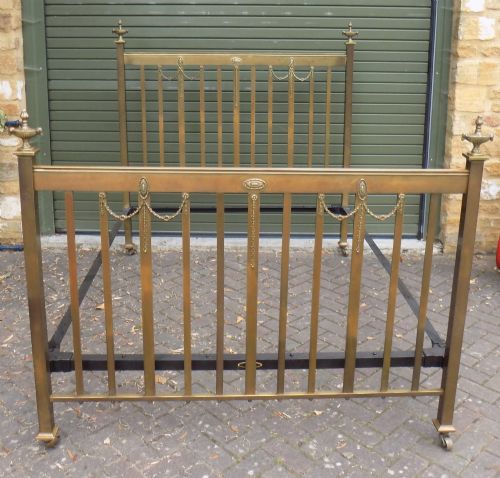
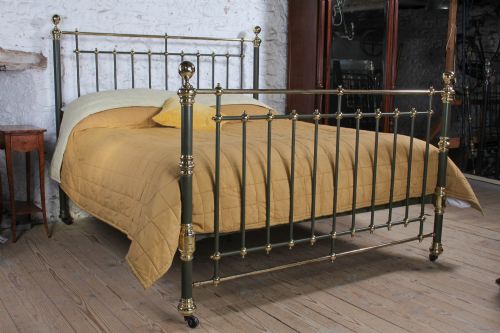
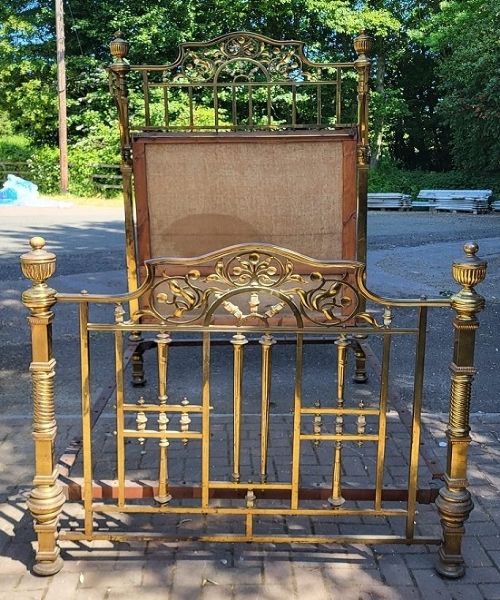
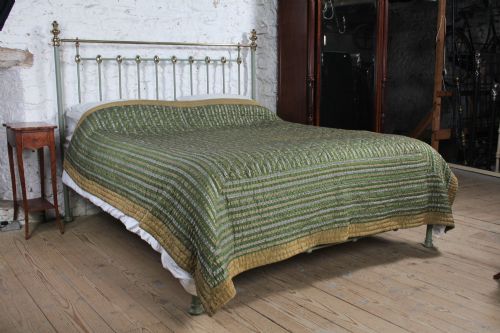
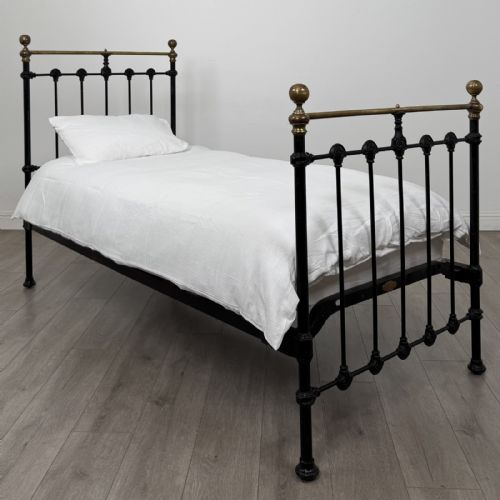
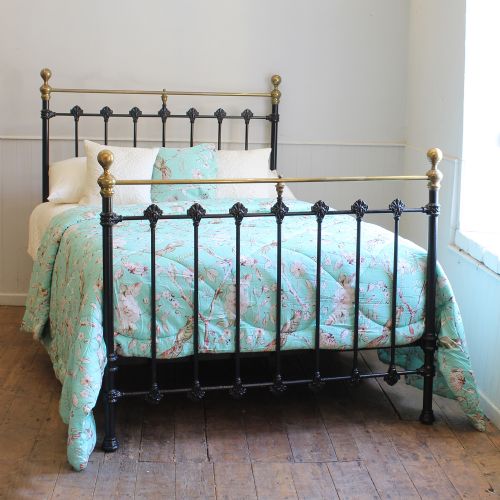
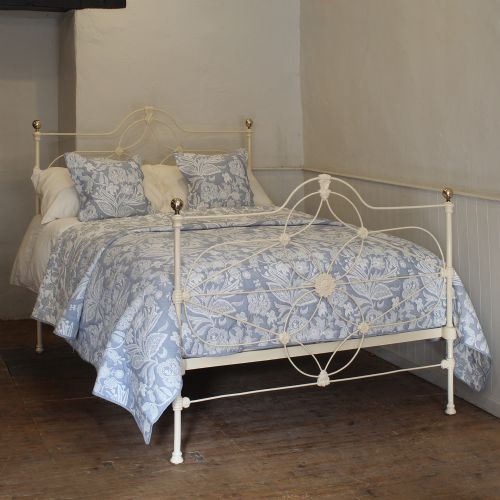
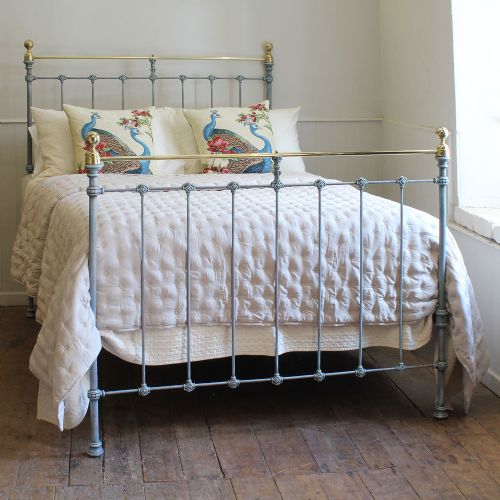
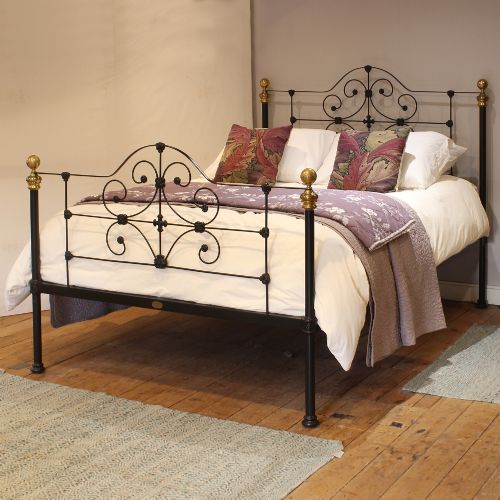
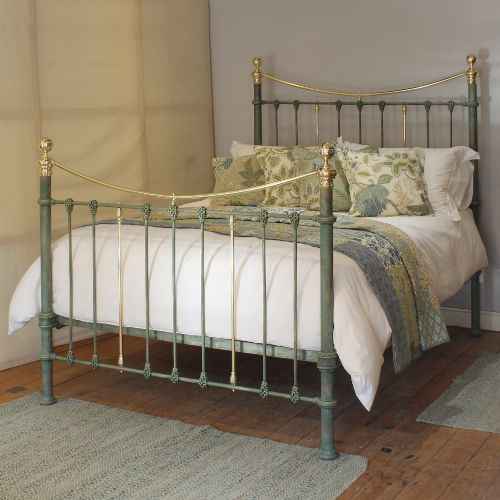
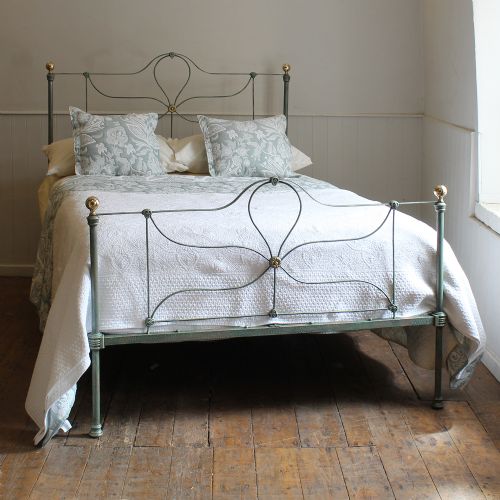
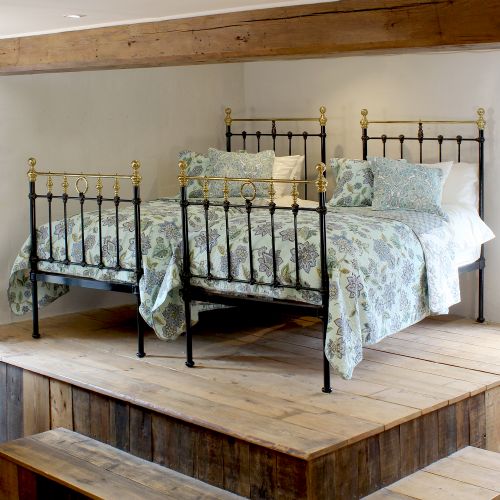
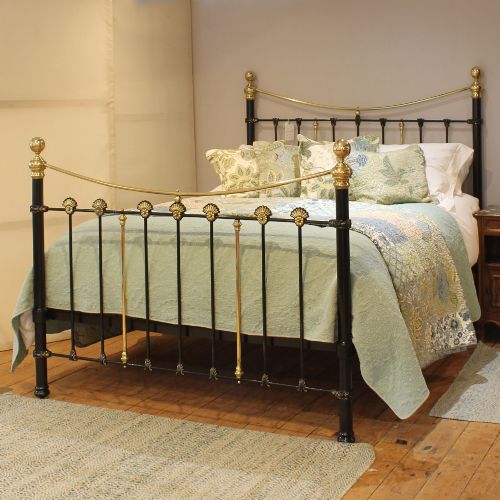
A cast brass bed combines durable metal frameworks with decorative brass components, spanning periods from the mid-nineteenth century through to the Edwardian era. These pieces appear primarily as single, double, king and super king sizes, often incorporating iron frames alongside bright brass tubing and decorative corner castings.
How they were made
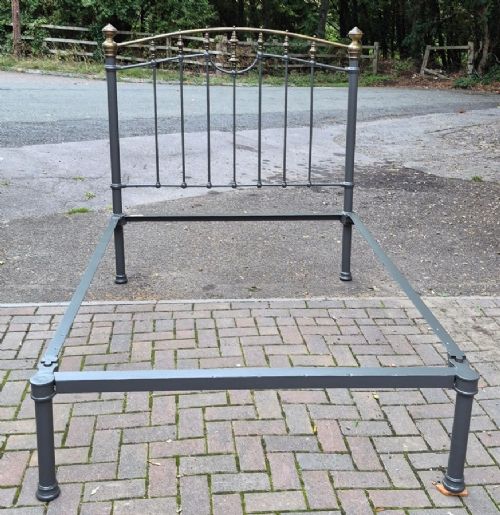
Manufacturers built these bedsteads using a combination of cast iron for structural strength and brass for visible decorative impact. Metal sections were joined using slot-in frames and secure brackets, allowing the headboards, footboards and side rails to be dismantled easily.
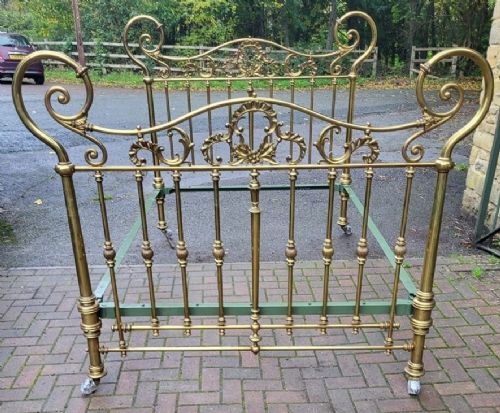
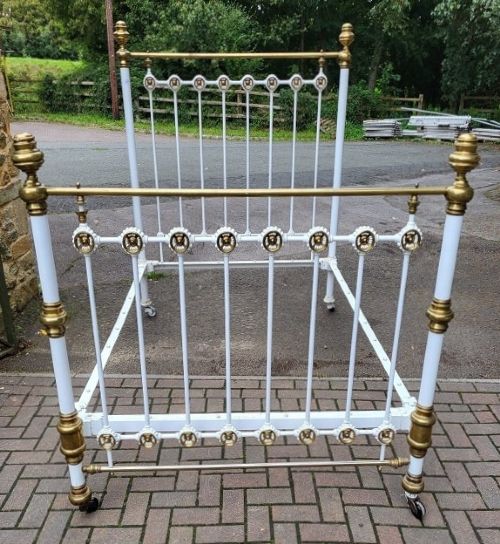
Decorative elements relied on molten metal poured into moulds to create ornate castings, collars, and finials. Surfaces were finished with clear protective coatings over brass, while iron components received durable coats of paint in black, cream, green verdigris, and blue verdigris.
Cast Brass Bed Retail Price Guide 2026
Typical asking prices for cast brass bed among the pieces listed under this phrase on Sellingantiques today, from the lower quarter to the upper quarter. They describe what is for sale here now, not the wider market.
What varies in quality
Quality rests in the crispness of the brass castings and the structural integrity of the heavy iron or brass tubing. Pieces made for exhibition or produced by notable makers display finer detailing in the mouldings and more complex configurations such as half tester canopies.
The preservation of original surface finishes, from the depth of the painted iron to the polish of the solid brass, distinguishes standard domestic examples from finer exhibition pieces. Robust engineering in the joints and original castors further separate standard utilitarian frames from superior workshop output.
Hoskins & Sewell·Winfield
The Cast Brass Bed Glossary
- Bedstead
- The complete structural framework of a bed, including headboard, footboard and side rails, designed to support a mattress and base. These metal frames often dismantle into flat sections for transport.
- Dip rail
- A headboard or footboard top rail that curves downwards in the centre. This profile is frequently seen on Edwardian and Victorian designs.
- Half tester
- A bedstead featuring a short canopy projecting from the headboard over the pillow end of the bed. It originally supported drapery fabrics.
- Castor
- A small wheel mounted on a swivel attached to the bottom of bed legs. They allowed heavy iron and brass frames to be moved across floors easily.
Cast Brass Bed: Frequently Asked Questions
How do I choose the right size?
Measure your bedroom space carefully and check the specific dimensions listed for each bedstead, as nineteenth-century sizing differs slightly from modern standards.
Consider whether you need a compact single frame or a larger king size model to suit your room layout.
Will a modern mattress fit?
Most of these antique frames accommodate standard modern mattresses when paired with an appropriate slatted base or modern foundation.
Check the internal width and length measurements in the listing to ensure your mattress sits securely within the side rails.
How do I care for the metal?
Maintain brass components by dusting them regularly with a dry cloth and avoiding harsh abrasive cleaners that strip protective lacquers.
Preserve painted iron surfaces by gently wiping them with a damp cloth and keeping the bed away from damp environments.
How do these beds assemble?
These bed frames typically utilise traditional slot-in iron joints that lock the headboard and footboard directly to the side rails.
Assembly requires no complex tools, as the weight of the frame holds the interlocking components firmly in place.